
More than 80 percent of skincare products on the american market contain synthetic preservatives called parabens, but confusion about their safety is widespread. For health-conscious millennials who read labels carefully, navigating European and American regulations can feel overwhelming. This guide cuts through misinformation, offering a clear look at what parabens are, the science behind their use, and how to make confident choices in your clean beauty routine.
Table of Contents
- Defining Parabens And Common Misconceptions
- Types Of Parabens Used In Skincare Products
- How Parabens Work As Preservatives
- Health And Environmental Risks Of Parabens
- Global Regulations And Safety Limits
- Safe Alternatives For Clean Beauty Seekers
Key Takeaways
| Point | Details |
|---|---|
| Understanding Parabens | Parabens are generally safe preservatives used in cosmetics when within regulated limits, countering misconceptions about their harmful effects. |
| Types of Parabens | Common parabens like Methylparaben and Ethylparaben are effective yet typically used in lower concentrations, while Propylparaben and Butylparaben are stronger but raise hormonal concerns. |
| Regulatory Guidelines | The European Union imposes strict limits on paraben concentrations to ensure consumer safety, while regulations vary globally. |
| Clean Beauty Alternatives | The clean beauty trend encourages the use of plant-derived antimicrobials as safer alternatives to traditional parabens, though they must meet rigorous safety standards. |
Defining Parabens and Common Misconceptions
Parabens are synthetic chemical preservatives widely used in cosmetic and personal care products to prevent bacterial and fungal growth. European regulatory agencies have extensively studied these compounds to understand their potential health impacts and safety profiles.
Contrary to popular belief, parabens are not universally harmful. These compounds are esters of p-hydroxybenzoic acid that serve a critical function in maintaining product integrity by blocking microbial contamination. Scientific reviews have consistently demonstrated that topical paraben use is generally safe when concentrations remain within regulated limits. The misconception that all parabens are dangerous stems from incomplete understanding of their chemical properties and biological interactions.
The primary concerns surrounding parabens include potential endocrine disruption and estrogen-like activity. However, scientific research indicates that parabens exhibit significantly weaker hormonal effects compared to natural hormones. Regulatory bodies like the European Commission have established strict guidelines limiting paraben concentrations in consumer products, particularly those intended for children and infants. These regulations help mitigate potential risks while allowing manufacturers to maintain product safety and shelf stability.
Pro tip: When evaluating skincare products, look for labels that specify paraben concentrations and opt for brands that transparently communicate their preservative strategies.
Types of Parabens Used in Skincare Products
Skincare products typically incorporate several distinct types of parabens, each with unique chemical properties and preservative capabilities. The European regulatory guidelines outline the primary parabens used in cosmetic formulations, which include methylparaben, ethylparaben, propylparaben, and butylparaben.
These parabens are classified as esters of para-hydroxybenzoic acid and differ significantly in their molecular structure and preservative effectiveness. Different paraben types exhibit varying levels of antimicrobial potency and solubility, which directly impacts their utility in skincare products. Methylparaben and ethylparaben are considered the most commonly used, typically found in lower concentrations due to their robust preservation properties and minimal skin irritation potential.
Moreover, some less common parabens like isobutylparaben and benzylparaben also exist in skincare formulations. The selection of specific parabens depends on multiple factors, including the product’s intended use, target skin type, and required shelf stability. Propylparaben and butylparaben tend to have stronger preservative qualities but are used more sparingly due to their increased potential for potential hormonal interactions.
Pro tip: Always check product labels for specific paraben types and their concentrations to make informed skincare choices that align with your personal health preferences.
Here’s a comparison of common parabens found in skincare products:
| Paraben Type | Typical Use Cases | Preservative Strength | Potential Health Risk |
|---|---|---|---|
| Methylparaben | Facial creams, lotions | Moderate | Low (regulated use) |
| Ethylparaben | Shampoos, cleansers | Moderate | Low (regulated use) |
| Propylparaben | Sunscreens, serums | High | Moderate (hormonal) |
| Butylparaben | Makeup, moisturizers | High | Moderate (hormonal) |
| Benzylparaben | Specialty products | Low | Limited data |
| Isobutylparaben | Niche formulations | Moderate | Limited data |
How Parabens Work as Preservatives
Preservatives play a critical role in protecting skincare products from microbial contamination, and parabens are particularly effective in this function. These chemical compounds work by disrupting critical processes within microbial cells, preventing bacterial growth and extending product shelf life.
At the molecular level, parabens interact with bacterial cell membranes and metabolic systems through sophisticated mechanisms. They interfere with essential cellular functions by inhibiting DNA and RNA synthesis and disrupting key enzymatic processes. Different paraben types demonstrate varying levels of antimicrobial effectiveness, with propylparaben showing enhanced ability to penetrate bacterial membranes due to its unique molecular structure.
The preservation mechanism of parabens is complex and multifaceted. They target microorganisms by destabilizing their cellular integrity, essentially creating an inhospitable environment that prevents reproduction and survival. This approach is particularly effective against a broad spectrum of bacteria and fungi, making parabens a versatile preservative option in skincare formulations. The concentration and specific type of paraben used determine the extent of microbial protection, with manufacturers carefully balancing efficacy and safety.
Pro tip: Understand that not all preservatives are created equal, and the specific paraben concentration matters more than its mere presence in your skincare product.
Health and Environmental Risks of Parabens
Parabens represent a complex chemical category with potential health implications that extend beyond simple preservative functions. Scientific research has highlighted concerns about their potential endocrine-disrupting capabilities and ability to accumulate in human tissues, raising important questions about long-term exposure risks.
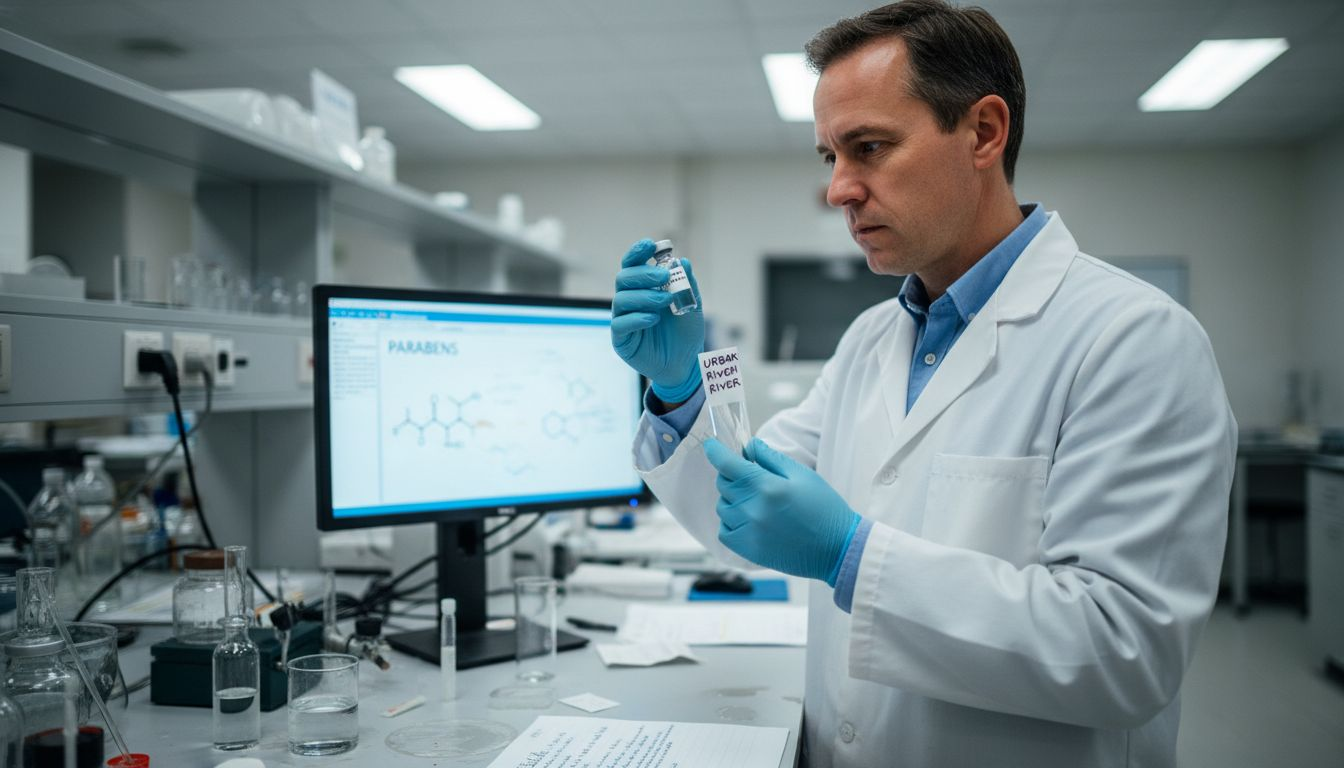
The molecular structure of parabens enables them to cross critical biological barriers, including the blood-brain and placental barriers. This characteristic is particularly concerning because it suggests potential interactions with cellular processes that could lead to mitochondrial dysfunction and oxidative stress. Different paraben types demonstrate varying levels of biological activity, with some studies suggesting weak estrogenic properties that might interfere with hormonal regulation.
Environmental accumulation of parabens presents another significant concern for researchers and health professionals. These compounds can persist in ecosystems, potentially impacting wildlife and human health through cumulative exposure. Regulatory bodies continue to investigate the long-term implications, implementing guidelines that limit paraben concentrations in consumer products to minimize potential risks.
Pro tip: Choose skincare products with transparent ingredient lists and consider alternatives if you have concerns about cumulative paraben exposure.
Global Regulations and Safety Limits
Regulatory approaches to paraben safety vary significantly across different global jurisdictions, reflecting ongoing scientific research and public health concerns. The European Union has established some of the most comprehensive guidelines for paraben use in cosmetic products, setting strict concentration limits and regularly updating safety assessments to protect consumer health.
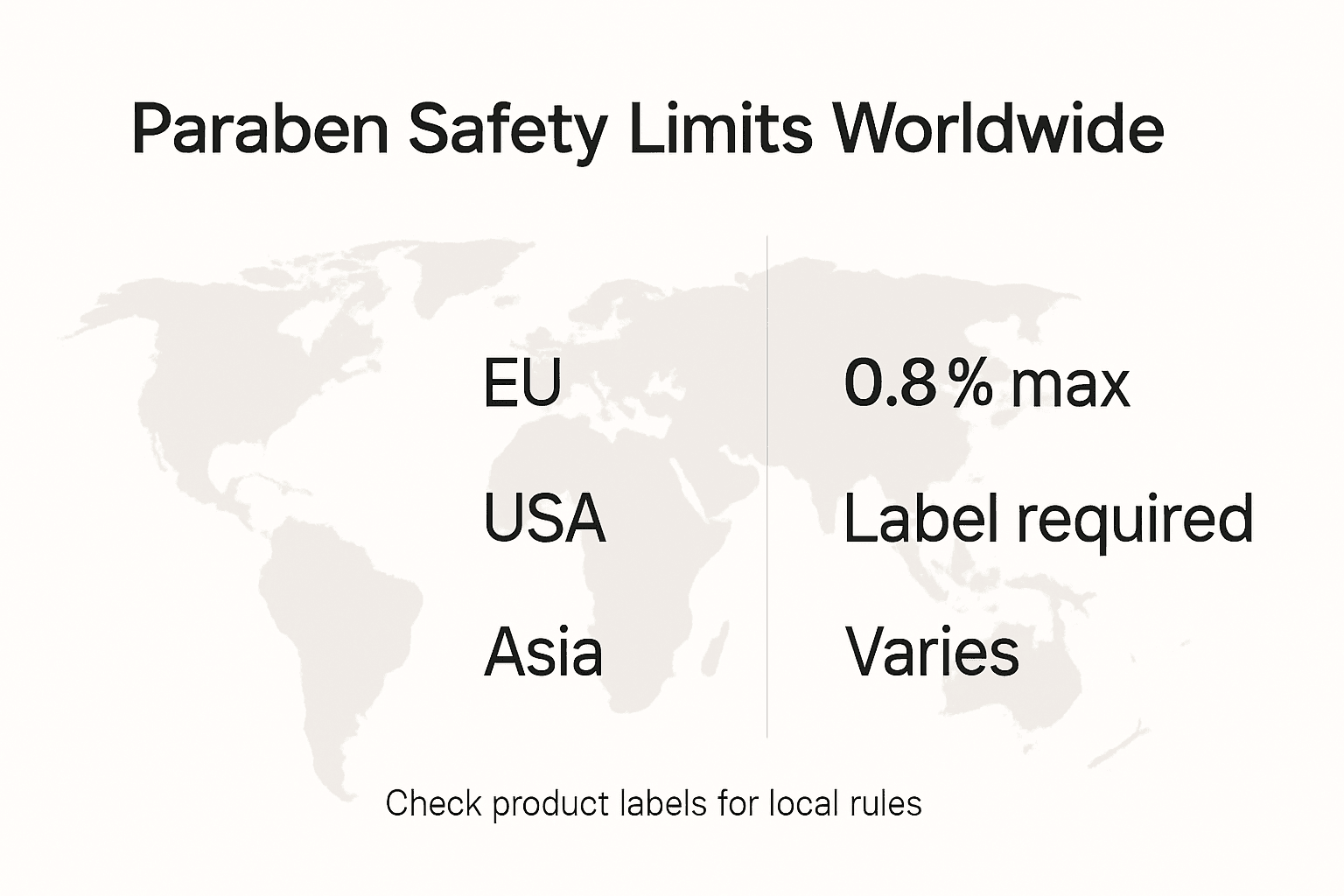
Specifically, the EU regulations impose a maximum total paraben concentration of 8 grams per kilogram in cosmetic formulations, with additional restrictions on individual paraben types. Longer-chain parabens face more stringent limitations, particularly in products designed for children and sensitive populations. These regulations demonstrate a proactive approach to managing potential health risks, requiring manufacturers to carefully monitor and control paraben concentrations in their product formulations.
Beyond the European Union, other global regulatory bodies are implementing similar protective measures. Different countries have developed unique frameworks for assessing paraben safety, with some nations adopting more conservative approaches that prioritize precautionary principles. The complexity of these regulations reflects the ongoing scientific debate about long-term exposure effects, with regulatory agencies continuously reviewing and updating their guidelines based on the latest research findings.
Pro tip: When purchasing skincare products, look for brands that voluntarily provide detailed information about their preservative concentrations and actively comply with international safety standards.
The following table summarizes how leading global regions regulate parabens:
| Region | Max Allowed Concentration | Key Restrictions | Regulatory Focus |
|---|---|---|---|
| European Union | 8 g/kg total | Stricter for children, long-chain | Consumer and child safety |
| United States | Variable (FDA monitored) | No specific limits, relies on review | General safety, ongoing studies |
| Japan | Up to 1% per product | Product-specific limits | Low toxicity, minimal exposure |
| Australia | 1% total | Prioritizes lower-risk parabens | Minimizing sensitive reactions |
Safe Alternatives for Clean Beauty Seekers
The clean beauty movement has sparked significant innovation in preservative technologies, driving researchers to explore safer alternatives to traditional paraben-based formulations. These emerging options aim to maintain product safety and efficacy while addressing consumer concerns about potential health risks associated with synthetic preservatives.
Plant-derived antimicrobials have emerged as promising alternatives, offering natural preservation mechanisms with reduced allergenic potential. Key alternatives include phenoxyethanol, organic acids, and botanical extracts that demonstrate robust antimicrobial properties. Cosmetic researchers are carefully evaluating these substitutes to ensure they meet stringent safety and regulatory standards, balancing consumer demand for clean beauty with the critical need for product protection.
The selection of alternative preservatives requires a nuanced approach. Different preservation strategies must be evaluated for their effectiveness against microorganisms, potential skin sensitivity, and long-term stability. Some promising alternatives include natural compounds like rosemary extract, sodium benzoate, and potassium sorbate, which offer antimicrobial protection while aligning with clean beauty principles. Manufacturers are increasingly investing in research to develop innovative preservation technologies that meet both safety and performance requirements.
Pro tip: When selecting paraben-free skincare, look for products that transparently list their preservation methods and prioritize third-party tested alternatives.
Discover Safe Skincare Choices That Respect Your Health and Peace of Mind
Understanding parabens and their role in skincare can feel overwhelming, especially with concerns about endocrine disruption and long-term exposure risks. If you want to avoid guesswork and confidently choose products that balance preservation with safety, Skin-Styles.com offers a curated selection designed for your well-being. Whether you seek hydrating Facial Creams & Gels or gentle yet effective Facial Serums, our collection caters to those who value clean ingredients and transparent formulations.

Take control of your skincare today by exploring options that align with your cautious approach to parabens. Visit Skin-Styles.com now and discover how safe, thoughtfully crafted products can support your beauty routine without compromise. Start your journey toward healthier skin with trusted choices informed by science and delivered with care.
Frequently Asked Questions
What are parabens and why are they used in skincare products?
Parabens are synthetic chemical preservatives used in skincare products to prevent the growth of bacteria and fungi. They help maintain product integrity and extend shelf life.
Are parabens safe in skincare products?
Yes, scientific research indicates that parabens are generally safe for use in cosmetics when kept within regulated limits. Regulatory bodies have established guidelines that limit the concentration of parabens to mitigate potential health risks.
What are some common types of parabens found in skincare products?
Common types of parabens include methylparaben, ethylparaben, propylparaben, and butylparaben. Each type has varying levels of antimicrobial effectiveness and is chosen based on the product’s formulation needs.
What are some alternatives to parabens for those seeking clean beauty products?
Alternatives to parabens include plant-derived antimicrobials, organic acids, and botanical extracts. Examples are phenoxyethanol, sodium benzoate, and potassium sorbate, which provide effective preservation while aligning with clean beauty principles.