

Over 60 percent of American consumers plan to upgrade their skincare routines by 2025, searching for proven ingredients and cleaner formulas. This surge reflects a major shift in how people approach beauty, prioritizing wellness and long-term skin health alongside visible results. As brands race to blend scientific breakthroughs with sustainability, understanding the key skincare trends emerging in the American market can help you make smarter, healthier choices for your skin.
Table of Contents
- Defining Skincare Trends In 2025
- Breakthrough Ingredients And Smart Formulas
- AI And Data-Driven Personalization In Skincare
- Global Beauty Routines Impacting The Market
- Navigating Ingredient Regulations And Safety
- Risks, Hype, And Mistakes To Avoid
Key Takeaways
| Point | Details |
|---|---|
| Holistic Skincare Approach | Skincare is evolving towards a comprehensive view of wellness that integrates internal and external health factors. |
| AI-Driven Personalization | Advanced technologies enable customized skincare solutions, providing tailored recommendations based on individual skin analysis. |
| Focus on Sustainable Practices | Brands are prioritizing eco-friendly packaging and safety certifications, reflecting a growing commitment to consumer transparency. |
| Caution Against Misinformation | Consumers should critically evaluate skincare trends and consult scientific research to avoid pitfalls associated with overhyped products. |
Defining Skincare Trends in 2025
The skincare landscape is experiencing a transformative shift, driven by scientific innovation, consumer consciousness, and technological breakthroughs. As we approach 2025, skincare is no longer just about appearance but represents a holistic approach to wellness and personal health. Emerging trends from beauty experts reveal a nuanced understanding of skin health that goes far beyond traditional cosmetic treatments.
One significant trend gaining momentum is the integration of advanced, multifunctional ingredients that offer comprehensive skin benefits. For instance, modern sunscreens are evolving from simple UV protection to sophisticated formulations addressing multiple skin concerns simultaneously. Sustainable packaging and eco-conscious product design are also becoming critical considerations, with brands prioritizing recyclable materials and reduced environmental impact.
The scientific approach to skincare is becoming increasingly personalized and targeted. Ingredients like PDRN and azelaic acid are gaining prominence for their regenerative and anti-inflammatory properties. Consumers are moving beyond generic solutions, seeking products that offer precise, evidence-based skincare interventions. Wellness-oriented practices such as lymphatic face massages are complementing topical treatments, highlighting a holistic perspective that considers both internal and external factors in skin health.
Pro Tip - Skincare Strategy: Research and invest in multi-functional products that offer more than one benefit, such as sunscreens with added anti-aging or brightening ingredients, to maximize your skincare routine’s efficiency and effectiveness.
Breakthrough Ingredients and Smart Formulas
The skincare industry is experiencing a remarkable transformation through innovative ingredient technologies and advanced formulation strategies. Emerging encapsulation technologies are revolutionizing how active ingredients interact with skin, offering unprecedented precision and effectiveness in product delivery. These microscopic protective shells enable controlled release of compounds, dramatically improving the stability and performance of skincare treatments.
Scientists are now developing sophisticated ingredients that go beyond traditional skincare approaches. Sucrose esters, for example, represent a groundbreaking class of biodegradable surfactants that provide extraordinary versatility in cosmetic formulations. These unique compounds can be precisely engineered through varying degrees of esterification, allowing researchers to create highly targeted skincare solutions that adapt to specific skin requirements.
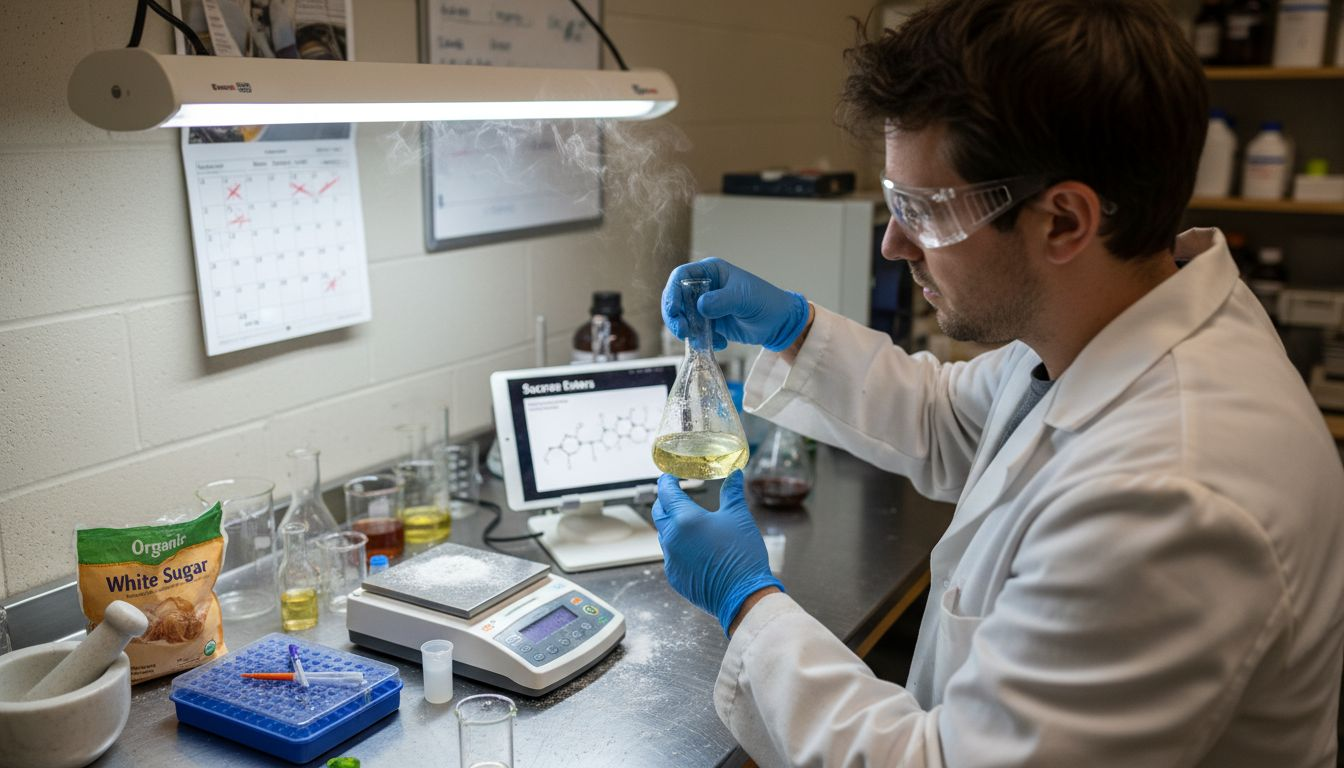
The future of skincare is defined by intelligent, adaptive formulations that respond dynamically to individual skin needs. Innovative ingredients like biomimetic peptides, advanced ceramides, and microencapsulated active compounds are pushing the boundaries of what topical treatments can achieve. These next-generation formulas are designed to not just treat surface-level concerns but to communicate with and support the skin’s natural regenerative processes, marking a significant leap from traditional cosmetic approaches.
Pro Tip - Smart Ingredient Selection: Always prioritize skincare products with scientifically validated, multi-functional ingredients that offer comprehensive benefits, such as hydration, protection, and cellular repair in a single formulation.
Here is a summary comparing breakthrough skincare ingredient technologies advancing in 2025:
| Innovation Type | Key Example | What It Does | Benefits for Consumers |
|---|---|---|---|
| Encapsulation | Microencapsulated retinol | Enables controlled ingredient release | Higher stability, targeted delivery |
| Biodegradable Surfactants | Sucrose esters | Cleanse and hydrate with low irritation | Environmentally friendly, gentle |
| Biomimetic Compounds | Biomimetic peptides | Mimic skin’s natural structure | Enhance repair, improve resilience |
| Advanced Ceramides | Next-gen ceramides | Strengthen the skin barrier | Better hydration, less sensitivity |
AI and Data-Driven Personalization in Skincare
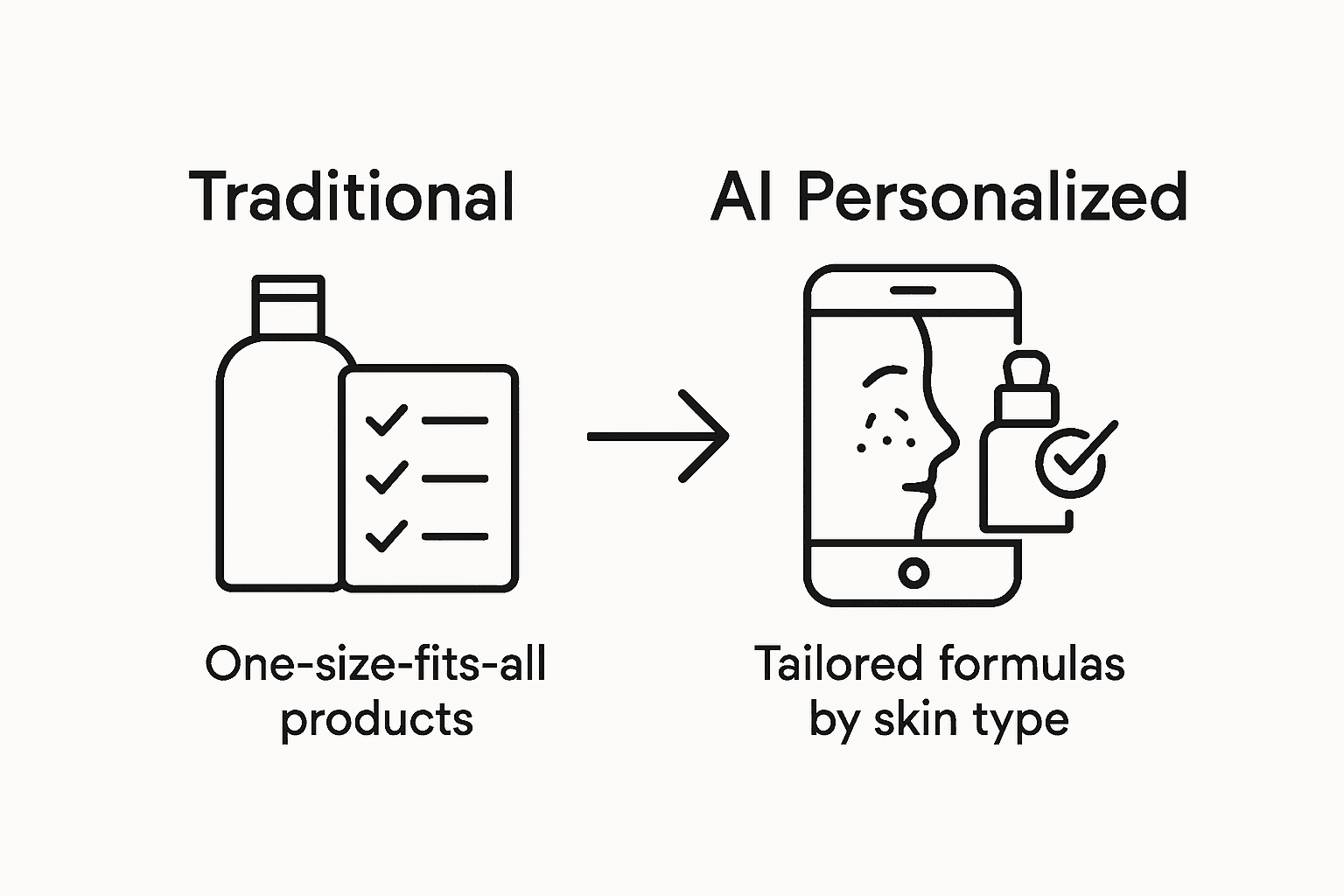
The future of skincare is being radically transformed by artificial intelligence, moving far beyond traditional one-size-fits-all approaches. Advanced AI models are now capable of analyzing skin conditions through smartphone imaging technologies, enabling unprecedented levels of personalized skin assessment. These sophisticated algorithms can estimate critical skin health metrics like hydration levels and trans-epidermal water loss with remarkable accuracy, providing consumers with detailed insights previously accessible only through professional dermatological examinations.
Machine learning and neural network technologies are revolutionizing skincare recommendations by creating hyper-personalized treatment plans. AI-powered recommendation systems now integrate extended reality platforms to analyze individual skin types and generate tailored product suggestions. These intelligent systems go beyond basic demographic categorizations, utilizing complex data points to understand unique skin characteristics, environmental influences, and individual genetic predispositions.
The convergence of computer vision, machine learning, and dermatological science is creating a new paradigm of skincare personalization. By combining vast datasets, advanced algorithms can predict skin changes, recommend preventative treatments, and even simulate potential outcomes of specific skincare interventions. This data-driven approach transforms skincare from a reactive process to a proactive, predictive strategy that empowers individuals with precise, scientifically-backed insights about their skin’s health and potential.
Pro Tip - AI Skincare Strategy: Embrace technology-enabled skin analysis tools that provide comprehensive, objective assessments of your skin’s condition, but always complement digital insights with professional dermatological advice for holistic skincare management.
Compare how AI-driven personalization differs from traditional skincare approaches:
| Aspect | Traditional Skincare | AI-Driven Personalization |
|---|---|---|
| Assessment Method | Visual/manual inspection | Smartphone imaging & data analysis |
| Product Selection | Generalized, mass-market | Individually tailored recommendations |
| Adaptability | Static, rarely adjusted | Continuously adapts to changes |
| Predictive Ability | None | Predicts skin concerns proactively |
Global Beauty Routines Impacting the Market
The global beauty landscape is undergoing a profound transformation, driven by cross-cultural innovations and holistic wellness approaches that transcend traditional geographic boundaries. Emerging beauty trends reveal a fascinating intersection of technology, cultural practices, and consumer preferences, with Korean and Asian skincare philosophies particularly influencing worldwide beauty standards. Innovative products like sunscreens infused with probiotics and sophisticated LED skincare technologies are redefining consumer expectations, demonstrating how global beauty routines are becoming increasingly sophisticated and scientifically driven.
Regional beauty practices are now rapidly cross-pollinating, creating a more interconnected and dynamic global skincare ecosystem. Wellness-oriented treatments such as lymphatic face massages and regenerative ingredients like PDRN are gaining international recognition, reflecting a growing consumer desire for holistic, nature-inspired approaches to skincare. These trends underscore a significant shift from purely aesthetic considerations to comprehensive health and self-care strategies that prioritize long-term skin wellness over temporary cosmetic enhancements.
The market is witnessing an unprecedented convergence of traditional wisdom and cutting-edge scientific research. Ingredients like azelaic acid, once region-specific, are now gaining global popularity due to their proven anti-inflammatory properties. At-home treatments, advanced skincare technologies, and personalized routines are breaking down traditional barriers, creating a more inclusive and adaptive beauty landscape that celebrates diversity while maintaining high scientific standards.
Pro Tip - Global Skincare Strategy: Embrace a flexible skincare approach that combines insights from different cultural beauty traditions, focusing on understanding your unique skin needs rather than rigidly following any single regional routine.
Navigating Ingredient Regulations and Safety
The skincare industry is experiencing an unprecedented transformation in regulatory standards, driven by heightened consumer awareness and demand for transparency. Consumer expectations are pushing brands towards more stringent ethical and safety certifications, creating a complex landscape where ingredient integrity has become paramount. This shift is not merely about compliance, but about rebuilding consumer trust through verifiable, scientifically-backed claims about product safety and composition.
Regulatory frameworks are evolving rapidly to address the intricate challenges of modern skincare formulations. Manufacturers must now navigate a multifaceted ecosystem of international standards, which include rigorous testing protocols, ingredient traceability, and comprehensive safety assessments. The emergence of specialized certification bodies like NATRUE, PeTA, and Leaping Bunny has introduced more nuanced criteria for evaluating product safety, sustainability, and ethical production methods, compelling brands to adopt more transparent and accountable practices.
The future of skincare safety hinges on a delicate balance between innovation and regulatory compliance. Advanced analytical technologies are enabling more precise screening of ingredient interactions, potential allergens, and long-term skin impacts. This scientific approach is transforming traditional regulatory models, moving from reactive risk management to proactive safety prediction. Consumers are increasingly empowered with detailed information about product compositions, manufacturing processes, and potential environmental and health implications, fundamentally reshaping the relationship between brands and their customers.
Pro Tip - Safety First Strategy: Always scrutinize product labels for third-party certifications, research ingredient lists, and prioritize brands that demonstrate comprehensive transparency about their formulation processes and safety standards.
Risks, Hype, and Mistakes to Avoid
The skincare landscape is fraught with potential pitfalls, where well-intentioned consumers can easily fall prey to marketing hype and ineffective trends. Self-care routines are increasingly recognized as mental wellness rituals, but this perspective requires careful navigation to avoid common skincare mistakes, such as over-exfoliation and indiscriminate product layering. Understanding the difference between genuine scientific innovation and clever marketing becomes crucial in maintaining healthy skin and avoiding potential long-term damage.
Influencer-driven recommendations pose a significant risk to consumers seeking authentic skincare solutions. The rise of social media has created an environment where unqualified individuals can dramatically influence purchasing decisions, often without scientific backing. AI-generated personalization tools are emerging as a more reliable alternative, offering data-driven insights that prioritize individual skin needs over generic, trend-based recommendations. Consumers must develop critical thinking skills and prioritize scientifically validated information over sensationalized claims.
The most dangerous mistakes often stem from a lack of understanding about individual skin complexity. Blind adoption of multi-step routines, excessive product mixing, and neglecting fundamental skin health principles can lead to compromised skin barriers, increased sensitivity, and paradoxical skin reactions. Successful skincare requires a nuanced approach that considers individual skin type, environmental factors, genetic predispositions, and evidence-based research rather than following transient trends or one-size-fits-all solutions.
Pro Tip - Critical Evaluation Strategy: Develop a skeptical mindset by cross-referencing skincare claims with peer-reviewed scientific research, consulting dermatological professionals, and understanding that no single product or trend is universally effective for all skin types.
Unlock the Future of Skincare with Science-Backed Solutions
The 2025 skincare trends highlight the need for personalized, multifunctional products formulated with breakthrough ingredients like biomimetic peptides and advanced ceramides. Are you ready to elevate your routine with targeted products that prioritize not only beauty but also skin health and safety? At Skin-Styles.com, we understand the challenges of navigating evolving skincare innovations and regulatory demands. That’s why we offer curated selections of Facial Serums and Facial Creams & Gels featuring scientifically validated ingredients designed to nourish, protect, and repair your skin.

Start embracing smart skincare today by exploring our easy-to-navigate collections geared to meet your unique skin needs. Visit Skin-Styles.com now to find breakthrough formulations that align with the latest 2025 trends. Don’t wait to empower your skin with safety, innovation, and personalization all in one place.
Frequently Asked Questions
What are the key skincare trends for 2025?
Key trends for 2025 include advanced multifunctional ingredients, personalized skincare based on AI and data analysis, sustainable practices such as eco-conscious packaging, and a focus on holistic wellness that incorporates both internal and external factors for skin health.
How can I choose the right skincare products with breakthrough ingredients?
Opt for products that contain scientifically validated, multi-functional ingredients such as biomimetic peptides, microencapsulated actives, and advanced ceramides, which offer benefits like hydration, protection, and cellular repair in a single formulation.
What role does AI play in skincare personalization?
AI plays a critical role by analyzing skin conditions through advanced imaging technologies and providing personalized product recommendations. It helps in creating tailored skincare regimens based on individual skin types, hydration levels, and other unique characteristics.
What are some common skincare mistakes to avoid in 2025?
Common skincare mistakes include over-exfoliating, following unverified influencer recommendations, and adopting multi-step routines without understanding your skin’s specific needs. It is essential to carefully evaluate products and consult with dermatological professionals for effective skincare management.