

More than half of American adults report confusion about which skincare products actually benefit their skin. With so many choices and evolving science, understanding skincare is more than just a beauty goal. It is about protecting health, preventing damage, and finding solutions that are right for you. By breaking down key concepts and sharing the latest insights, you can start building a routine that matches your unique needs.
Table of Contents
- Defining Skincare And Essential Concepts
- Types Of Skincare Routines And Products
- How Skincare Works For Different Needs
- Ingredient Safety And Product Regulations
- Common Mistakes And Best Practices
Key Takeaways
| Point | Details |
|---|---|
| Personalized Skincare is Essential | Understanding individual skin characteristics leads to more effective skincare routines tailored to specific needs. |
| Ingredient Awareness is Crucial | Recognizing the effects and compatibility of skincare ingredients helps in making informed choices to avoid adverse reactions. |
| Routine Consistency Matters | Developing a regular skincare routine and adapting it to changes in skin condition promotes optimal skin health. |
| Avoid Common Skincare Mistakes | Being mindful of practices like improper application or neglecting sun protection can significantly improve skin health. |
Defining Skincare and Essential Concepts
Skincare represents a comprehensive approach to maintaining and enhancing the health, appearance, and function of human skin. More than just a cosmetic practice, it involves scientifically understanding skin physiology and implementing targeted strategies to protect, nourish, and rejuvenate our body’s largest organ. Modern skincare has evolved from traditional classification methods into a sophisticated field that leverages advanced scientific techniques to understand individual skin characteristics.
Traditionally, skincare involved categorizing skin into basic types like oily, dry, mixed, and neutral. However, contemporary approaches have shifted towards more nuanced, personalized strategies. Advanced imaging technologies and noninvasive assessment methods now enable professionals to analyze skin at a molecular level, focusing on physiological characteristics rather than broad categorical labels. This precision allows for more targeted treatments that address specific skin needs.
The science behind skincare now encompasses multiple disciplines, integrating knowledge from dermatology, biochemistry, and emerging fields like skinomics. Key ingredients play crucial roles in skin health, with compounds like retinol enhancing cell turnover, vitamin C protecting against environmental damage, and niacinamide regulating sebum production. These scientifically validated ingredients work synergistically to address concerns ranging from acne and uneven skin tone to signs of aging.
Pro Tip: Personalized Skincare Approach: Treat your skin as a unique ecosystem by understanding its specific characteristics, consulting professionals, and adapting your routine based on individual needs, environmental factors, and changes in your skin’s condition.
Quick Assessment Guide: Different skin characteristics to consider
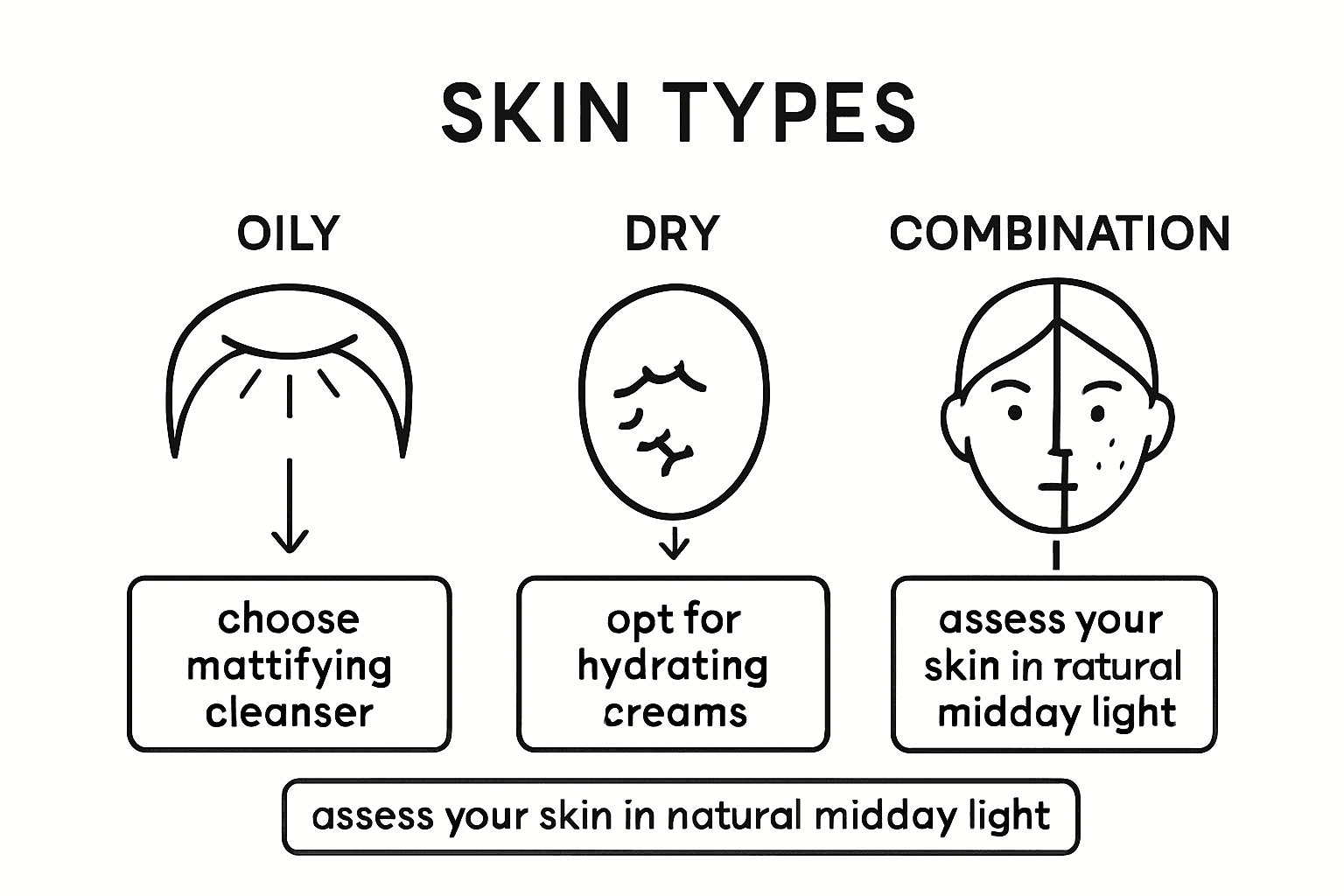
To help clarify skin type differences and ideal care approaches, here is a concise comparison:
| Skin Type | Main Challenge | Best Routine Focus |
|---|---|---|
| Oily | Excess sebum, breakouts | Oil control, deep cleansing |
| Dry | Tightness, flaking | Intense hydration, rich creams |
| Combination | Uneven texture, shine | Zone-specific treatments |
| Sensitive | Redness, irritation | Soothing, gentle care |
| Normal | Occasional imbalance | Routine maintenance |
- Oily skin: Excess sebum production
- Dry skin: Lacking natural moisture
- Combination skin: Mixed characteristics
- Sensitive skin: Prone to irritation
- Normal skin: Balanced hydration and oil production
Types of Skincare Routines and Products
Skincare routines are highly personalized strategies designed to address individual skin needs and maintain optimal skin health. An effective skincare routine typically involves multiple product types, each serving a specific purpose in protecting and nourishing the skin. The core components generally include cleansers, toners, serums, moisturizers, and sunscreens, which work together to cleanse, balance, treat, hydrate, and protect the skin.

Product selection varies significantly based on individual skin characteristics. For individuals with oily or acne-prone skin, foaming cleansers containing salicylic acid can help control excess sebum production. Conversely, those with dry or sensitive skin benefit from gentler, hydrating formulations that maintain the skin’s moisture barrier. The key is understanding your unique skin type and selecting products that address specific concerns while maintaining overall skin health.
The standard skincare routine typically follows a structured approach with essential steps. Morning routines often focus on protection and prevention, incorporating lightweight serums, antioxidants, and broad-spectrum sunscreens. Evening routines prioritize repair and renewal, utilizing more intensive treatments like retinols, peptides, and reparative moisturizers. Exfoliation plays a critical role, but frequency and method should be carefully calibrated to individual skin sensitivity to avoid potential damage.
Pro Tip: Personalized Product Matching: Conduct a patch test with new skincare products and introduce them gradually, allowing your skin time to adjust and monitoring for any adverse reactions.
Key Skincare Product Categories:
- Cleansers: Remove dirt, oil, and impurities
- Toners: Balance skin pH and prepare for treatment
- Serums: Deliver concentrated active ingredients
- Moisturizers: Hydrate and seal in treatment
- Sunscreens: Protect against UV damage
How Skincare Works for Different Needs
Skin Type Analysis is fundamental to developing an effective skincare strategy. Understanding your unique skin characteristics helps select targeted products that address specific concerns. Different skin types require dramatically different approaches, with solutions ranging from oil control to intense hydration, making personalization critical for optimal skin health.
Each skin type demands a specialized approach. Sensitive skin requires gentle, fragrance-free products with soothing ingredients like aloe vera and chamomile to minimize potential irritation. Oily and acne-prone skin benefits from lightweight, non-comedogenic formulations that control excess sebum without stripping natural protective oils. Dry skin types need rich, hydrating ingredients such as hyaluronic acid and glycerin to restore and maintain moisture balance.
Beyond basic skin type, additional factors influence product selection. Age, environmental exposure, hormonal changes, and lifestyle habits all play significant roles in determining appropriate skincare interventions. Younger skin might focus on prevention and protection, while mature skin often requires more intensive repair and regeneration strategies. Incorporating broad-spectrum sunscreen with SPF 30 or higher remains universally important for protecting against environmental damage and premature aging.
Pro Tip: Skin Detective: Conduct a weekly skin assessment to track changes and adjust your skincare routine proactively, allowing you to respond quickly to your skin’s evolving needs.
Targeted Skincare Approach by Skin Type:
- Sensitive Skin: Minimal ingredients, hypoallergenic products
- Oily Skin: Oil-controlling, non-comedogenic formulations
- Dry Skin: Intense hydration, barrier-repair products
- Combination Skin: Balanced, zone-specific treatments
- Mature Skin: Regenerative, collagen-supporting ingredients
Ingredient Safety and Product Regulations
Ingredient Transparency is paramount in modern skincare, with consumers increasingly demanding comprehensive understanding of product compositions. The evolution of skincare science highlights the complex interactions between ingredients and individual skin characteristics, underscoring the importance of rigorous safety protocols and scientific research in product development.
Regulatory bodies play a critical role in ensuring skincare product safety. Ingredients undergo extensive testing to evaluate potential risks, allergenic properties, and long-term effects on skin health. Popular active ingredients like retinol, vitamin C, and niacinamide are carefully scrutinized for their efficacy and potential side effects. Manufacturers must provide detailed documentation demonstrating the safety and intended use of each component, with special attention to potential interactions and contraindications.
Consumer education is increasingly important in navigating ingredient complexities. While scientific advancements have expanded our understanding of skin biology, they have also introduced more sophisticated ingredients that require careful application. Emerging fields like skinomics and systems biology provide deeper insights into how individual skin microbiomes and physiological characteristics interact with different skincare compounds. This knowledge empowers consumers to make more informed choices about the products they use.
Below is a quick reference to essential skincare ingredients and their primary benefits:
| Ingredient | Key Benefit | Best For |
|---|---|---|
| Retinol | Boosts cell turnover | Anti-aging, acne |
| Vitamin C | Fights environmental damage | Brightening, protection |
| Niacinamide | Balances sebum, soothes skin | Redness, enlarged pores |
| Hyaluronic Acid | Provides deep hydration | Dry, dehydrated skin |
| Peptides | Supports collagen production | Firmness, aging skin |
Pro Tip: Ingredient Detective: Always read product labels carefully, research unfamiliar ingredients, and consult with skincare professionals before introducing new products, especially if you have sensitive skin or existing health conditions.
Key Ingredient Safety Considerations:
- Allergen Identification: Check for potential irritants
- Concentration Levels: Understand recommended dosages
- Skin Compatibility: Assess individual skin reactions
- Scientific Validation: Look for research-backed ingredients
- Regulatory Compliance: Verify product safety certifications
Common Mistakes and Best Practices
Skincare requires a nuanced approach, with many individuals unknowingly compromising their skin health through well-intentioned but misguided practices. Common winter skincare mistakes can significantly impact overall skin condition, including neglecting sun protection and damaging the skin’s natural barrier, highlighting the importance of understanding proper skincare techniques.
One of the most frequent errors is improper product application and routine management. Many people over-exfoliate, use water that is too hot during cleansing, or apply products in the incorrect sequence, which can lead to skin irritation and reduced effectiveness. Excessive scrubbing, harsh cleansing techniques, and using multiple active ingredients simultaneously can disrupt the skin’s delicate microbiome and protective mechanisms. Professionals recommend gentle handling, understanding product interactions, and introducing new products gradually to minimize potential adverse reactions.
Consistent, thoughtful skincare requires more than just purchasing expensive products. Developing an effective routine involves selecting appropriate products tailored to individual skin types, understanding ingredient compatibility, and maintaining a balanced approach. This means choosing gentle cleansers, using toners to restore pH balance, incorporating moisturizers with sun protection, and selecting specialized treatments that address specific skin concerns. The key is developing a personalized strategy that respects your skin’s unique characteristics and evolving needs.
Pro Tip: Skincare Rhythm: Create a consistent morning and evening routine, keeping track of how your skin responds to different products, and be willing to adapt your approach as your skin changes with age, environment, and lifestyle.
Critical Skincare Mistakes to Avoid:
- Skipping Sunscreen: Neglecting UV protection
- Over-Exfoliating: Damaging skin barrier
- Inconsistent Routine: Lack of skin maintenance
- Incorrect Product Layering: Reducing treatment efficacy
- Ignoring Skin Changes: Failing to adapt skincare approach
Unlock Your Best Skin with Personalized Care from Skin-Styles.com
Struggling to find skincare that truly understands your unique skin type and adapts to your daily needs can be frustrating. The article highlights the importance of targeting specific skin concerns like hydration, oil control, and sensitivity while avoiding common mistakes such as over-exfoliating or skipping sun protection. At Skin-Styles.com, we make personalizing your routine easy by offering curated collections designed to nourish and protect your skin with science-backed ingredients.

Explore our Facial Serums to deliver concentrated active benefits like retinol and vitamin C or dive into the soothing power of our SKIN 1004 line for gentle care tailored to sensitive skin. Ready to elevate your daily routine with products that support your skin’s health and vitality? Visit Skin-Styles.com now and discover what targeted skincare can do for you.
Frequently Asked Questions
What are the main skin types and their characteristics?
The main skin types are oily, dry, combination, sensitive, and normal. Oily skin has excess sebum and is prone to breakouts, while dry skin feels tight and may flake. Combination skin exhibits both oily and dry characteristics, sensitive skin can be easily irritated, and normal skin has a balanced hydration and oil production.
How can I create an effective skincare routine for my skin type?
To create an effective routine, identify your skin type and select products accordingly. A basic routine should include a cleanser, toner, serum, moisturizer, and sunscreen. Morning routines focus on protection, while evening routines are geared toward repair and renewal.
What are some common mistakes in skincare that I should avoid?
Common mistakes include skipping sunscreen, over-exfoliating, inconsistent routines, using incorrect product layering, and ignoring changes in your skin. It’s important to choose gentle products and tailor your routine to your skin’s current needs.
Why is ingredient safety important in skincare products?
Ingredient safety is crucial because certain compounds can cause irritation or allergic reactions. Understanding ingredient transparency helps consumers make informed choices and ensures they select products that are safe and effective for their skin type.