

Your skin barrier is far more than a simple protective layer. This microscopic structure, composed of about 15 layers of dead cells bound by specialized lipids, stands between you and environmental threats while regulating hydration. Understanding how this complex system works empowers you to make informed skincare choices that protect and restore your skin’s natural defenses.
Table of Contents
- Understanding Skin Barrier Structure And Function
- Skin Barrier Role In Immune Defense
- Causes And Signs Of Skin Barrier Damage
- Common Misconceptions About Skin Barrier
- Skincare Strategies To Repair And Protect Skin Barrier
- Future Directions In Skin Barrier Care
- Discover Skin Styles’ Barrier-Supportive Products
Key takeaways
| Point | Details |
|---|---|
| Structure | The skin barrier is a ‘brick and mortar’ system with corneocytes and lipids that protect and hydrate. |
| Damage signs | Dryness, redness, and increased sensitivity indicate impaired barrier function requiring intervention. |
| Common myths | Harsh cleansing and ignoring oily skin barrier needs are misconceptions that harm skin health. |
| Repair strategies | Ceramides and gentle routines effectively restore and maintain barrier integrity. |
| Future treatments | Emerging molecular therapies offer promise for personalized skin barrier care. |
Understanding skin barrier structure and function
The outermost layer of your skin, called the stratum corneum, acts as your body’s primary defense system. This remarkable structure consists of corneocytes, which are flattened, dead skin cells that function as protective ‘bricks.’ Between these cells lies a lipid matrix, the ‘mortar’ that holds everything together.
Three key lipids maintain this barrier: ceramides, cholesterol, and fatty acids. These components create a flexible, waterproof shield that regulates hydration while blocking environmental aggressors. The specific ratio and organization of these lipids determine how effectively your skin retains moisture and resists external damage.
Your barrier prevents trans-epidermal water loss, keeping skin hydrated and supple. Without this regulation, your skin would lose moisture rapidly, leading to dehydration and structural breakdown. The acid mantle, a slightly acidic film coating your skin surface, enhances this protection by maintaining optimal lipid arrangement and supporting beneficial microorganisms.
Key barrier components include:
- Corneocytes that provide structural integrity and physical protection
- Ceramides that form the primary water retention system
- Cholesterol that maintains lipid fluidity and repair mechanisms
- Fatty acids that contribute to antimicrobial defense
- The acid mantle that optimizes pH for barrier function
These elements work together seamlessly. Understanding what ceramides are helps you recognize why products containing these lipids prove so effective for barrier repair and maintenance.
Skin barrier role in immune defense
Beyond physical protection, your skin barrier serves as an active immune defense system. The barrier produces antimicrobial peptides that directly inhibit harmful microbes, preventing infections before they start. This chemical warfare happens continuously, even when your skin appears completely healthy.
Your skin hosts trillions of beneficial microorganisms that form a protective ecosystem. These microbes compete with potential pathogens for space and nutrients, effectively crowding out harmful bacteria. The barrier’s lipid composition supports this delicate balance, providing the environment these beneficial organisms need to thrive.
Barrier lipids serve double duty by blocking pathogen entry while reducing oxidative stress from environmental pollutants. When functioning properly, the barrier prevents bacteria, viruses, and allergens from penetrating deeper skin layers. Specialized immune cells residing within and beneath the barrier detect threats immediately, initiating rapid defense responses.
The connection between barrier health and inflammatory conditions is undeniable. Barrier dysfunction directly links to conditions like eczema, psoriasis, and contact dermatitis. When the barrier fails, allergens and irritants penetrate more easily, triggering inflammatory cascades that worsen skin symptoms.
Immune defense mechanisms include:
- Production of antimicrobial peptides that destroy pathogens
- Support for beneficial microbiome populations
- Physical blocking of pathogen penetration
- Rapid immune cell activation at breach sites
- Inflammatory response regulation to prevent overreaction
This multilayered defense system demonstrates why maintaining barrier integrity matters far beyond cosmetic concerns. A compromised barrier leaves you vulnerable to infections, allergic reactions, and chronic inflammatory conditions.
Causes and signs of skin barrier damage
Multiple factors conspire to damage your protective barrier. UV radiation, pollution, harsh soaps, and extreme weather all degrade lipid content and damage corneocyte integrity. UV exposure generates free radicals that break down ceramides and other essential lipids, weakening the barrier’s waterproofing capacity.

Pollution particles penetrate between corneocytes, causing oxidative damage and inflammatory responses. Harsh soaps and detergents strip away protective lipids faster than your skin can replace them. Temperature extremes exacerbate damage by either freezing lipids into rigid, inflexible states or melting them into disorganized structures.
Lifestyle choices compound environmental damage. Over-cleansing removes beneficial oils along with dirt and makeup. Aggressive exfoliation physically tears away corneocytes before they naturally shed, creating gaps in your defense system. Even hot showers can strip lipids, leaving skin temporarily vulnerable.
Recognizing damage signs enables early intervention. Your skin communicates barrier problems through dryness, redness, flaking, and tightness, especially after cleansing. Increased sensitivity to products you previously tolerated signals weakened defenses. Persistent itching, burning sensations, or visible inflammation indicate serious barrier compromise.
Pro Tip: Monitor your skin’s sensitivity after introducing new products by applying them to a small area first, then waiting 48 hours to catch early signs of barrier impairment before full-face application.
Trans-epidermal water loss measurement quantifies barrier damage objectively. Higher TEWL values indicate greater moisture escape and worse barrier function. While home testing remains impractical, understanding this metric helps you evaluate professional skincare advice.
Common damage sources include:
- Environmental UV exposure and air pollution
- Harsh cleansing products with high pH levels
- Over-exfoliation using physical or chemical methods
- Extreme hot or cold weather conditions
- Prolonged hot water exposure during bathing
Common misconceptions about skin barrier
Myth: Only dry skin types need barrier support. Truth: all skin types, including oily and combination, benefit from barrier care. Oily skin often results from barrier damage triggering compensatory sebum overproduction. Ignoring barrier health in oily skin perpetuates this cycle, worsening both oiliness and sensitivity.
Myth: Harsher cleansers clean better and improve skin. Truth: harsh cleansers strip essential lipids, damaging the barrier and exacerbating dryness and irritation. Your skin cannot distinguish between ‘good dirt’ and protective oils. Aggressive cleansing removes both, leaving you vulnerable to damage.
Myth: Natural products are inherently safer for barriers. Truth: natural ingredients can irritate and damage barriers just as synthetic ones can. Essential oils, citrus extracts, and plant-based fragrances frequently cause sensitivity in compromised barriers. Safety depends on specific ingredients and formulations, not whether they originated in nature or laboratories.
Effective barrier repair requires more than basic moisturizers. Targeted formulations containing optimal ratios of ceramides, cholesterol, and fatty acids outperform standard moisturizers. Generic hydrators may temporarily reduce dryness symptoms without addressing underlying lipid deficiencies.
| Cleansing Approach | Impact on Barrier | Long-term Effects |
|---|---|---|
| Harsh, high-pH cleansers | Strips protective lipids, disrupts acid mantle | Increased sensitivity, chronic dryness, inflammation |
| Gentle, pH-balanced cleansers | Preserves lipid integrity, maintains acid mantle | Stronger barrier, reduced sensitivity, better hydration |
Pro Tip: Check your cleanser’s pH by using testing strips; barrier-friendly products should measure between 4.5 and 5.5, matching your skin’s natural acid mantle.
Understanding these facts helps you avoid popular skincare practices that unknowingly sabotage barrier health. Marketing claims often prioritize sensory appeal over barrier safety, leading consumers toward products that feel good initially but cause long-term damage.
Skincare strategies to repair and protect skin barrier
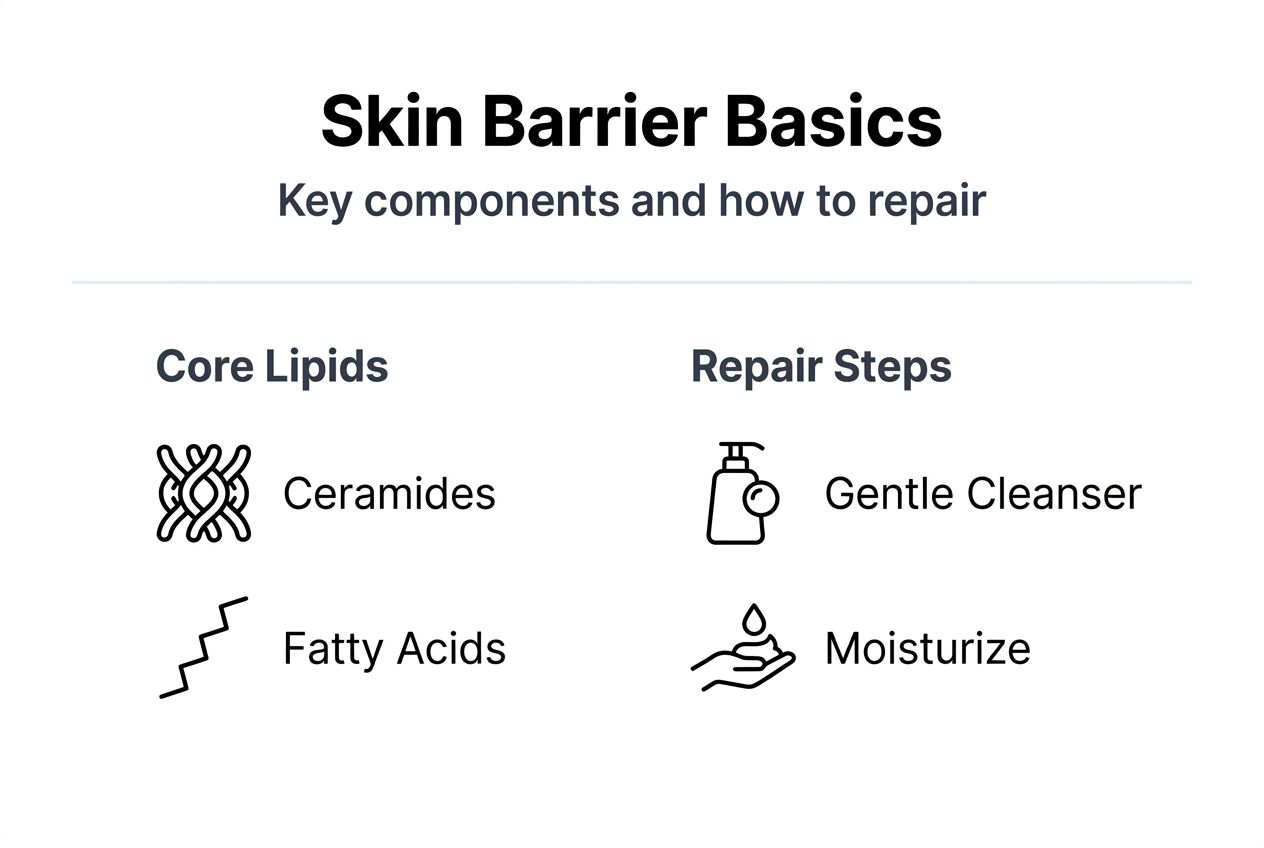
Choose gentle, pH-balanced cleansers that preserve lipids and corneocytes rather than stripping them away. Look for sulfate-free formulas with mild surfactants that remove dirt without over-cleansing. Cleansing once daily often suffices unless you wear heavy makeup or sunscreen requiring double cleansing.
Incorporate moisturizers rich in ceramides, cholesterol, and fatty acids to restore barrier lipids. These three components in proper ratios mimic your skin’s natural lipid composition, enabling effective integration into existing barrier structures. Products containing a 3:1:1 ratio of ceramides to cholesterol to fatty acids show optimal results.
Avoid frequent exfoliation that removes corneocytes faster than natural turnover rates. Limit physical scrubs and chemical exfoliants to once or twice weekly maximum. During barrier repair, suspend exfoliation entirely until symptoms resolve. Your skin naturally sheds approximately 30,000 dead cells per minute without assistance.
Protect skin from harsh weather and UV rays using appropriate barriers. Daily sunscreen prevents UV-induced barrier damage that accumulates over time. In cold weather, use occlusive moisturizers that seal in hydration. In hot, humid conditions, lightweight gel formulations prevent pore congestion while maintaining protection.
Pro Tip: Layer lightweight, barrier-supportive products from thinnest to thickest consistency for better absorption, starting with serums containing hyaluronic acid before applying ceramide-rich creams.
Clinical studies demonstrate ceramide moisturizers reduce water loss by up to 35% within two weeks while improving skin smoothness scores by 40%. These measurable improvements reflect genuine barrier repair, not just temporary symptom masking.
| Product Type | Barrier Repair Efficacy | Improvement Timeline |
|---|---|---|
| Ceramide-rich moisturizers | High: restores lipid balance, reduces TEWL 35% | Visible results in 7-14 days |
| Standard moisturizers | Low to moderate: temporarily hydrates surface | Temporary relief, no structural repair |
Integrating anti-aging skincare tips with barrier repair maximizes long-term skin health. Many anti-aging ingredients like retinoids require strong barriers to prevent irritation. Building barrier strength first enables you to incorporate active ingredients more successfully later.
Explore probiotics in skincare that support healthy microbiome balance. Topical probiotics and prebiotics feed beneficial bacteria, strengthening immune defense functions. Learn how to layer skincare products properly to maximize barrier benefits without overwhelming skin.
Future directions in skin barrier care
Emerging molecular therapies target specific inflammation pathways to enhance barrier repair beyond what topical lipids achieve alone. Researchers are developing interleukin modulators that reduce inflammatory signaling in conditions like atopic dermatitis. These targeted approaches address root causes rather than just symptoms.
NF-kB pathway inhibitors show promise in clinical trials for treating barrier dysfunction and related inflammatory skin diseases. By blocking specific inflammatory cascades, these molecules allow natural repair processes to proceed more efficiently. Early results suggest significant improvements in barrier function markers within weeks.
Personalized treatments based on individual barrier profiles represent the frontier of dermatological care. Genetic testing can identify specific lipid metabolism variations that affect barrier composition. This information enables customized formulations addressing your unique deficiencies rather than applying generic solutions.
Research aims to develop solutions beyond topical moisturizers for chronic skin issues. Injectable ceramide precursors, barrier-enhancing oral supplements, and gene therapy approaches are under investigation. These advanced interventions could revolutionize treatment for severe barrier disorders resistant to conventional therapy.
Future developments include:
- Molecular therapies targeting inflammation pathways
- Personalized formulations based on genetic profiles
- Advanced delivery systems for deeper lipid penetration
- Combination therapies addressing multiple barrier aspects
- Preventive treatments that strengthen barriers before damage occurs
Understanding molecular biology driving barrier function may completely transform skincare product development and treatment regimens. As research progresses, expect increasingly sophisticated, targeted solutions that deliver measurable barrier improvements previously impossible with cosmetic formulations alone.
Discover skin styles’ barrier-supportive products

Now that you understand barrier science, explore practical solutions that protect and restore your skin’s defenses. Skin Styles curates products specifically chosen for their barrier-supportive formulations and gentle effectiveness.
Browse our facial cleansers collection featuring pH-balanced formulas that cleanse without stripping protective lipids. These gentle options remove impurities while preserving your acid mantle, preventing the damage harsh cleansers cause.
Discover facial creams and gels formulated with ceramides and other barrier-essential lipids. These targeted moisturizers deliver the specific components your barrier needs to repair and maintain optimal function.
Explore Cosrx skincare products clinically designed for sensitive, barrier-compromised skin. This trusted brand focuses on simple, effective formulations that support barrier health without unnecessary irritants.
FAQ
What causes damage to the skin barrier?
UV radiation, harsh soaps, pollution, and extreme weather all degrade the skin barrier by breaking down protective lipids and damaging corneocytes. Over-exfoliation and prolonged hot water exposure accelerate this damage by removing essential oils faster than your skin replaces them.
How can I tell if my skin barrier is damaged?
Dryness, redness, tightness, flaking, and increased sensitivity signal barrier damage requiring attention. You may notice products that previously worked well now cause stinging or burning. Persistent itching or visible inflammation indicates more serious barrier compromise.
Are harsh cleansers bad for the skin barrier?
Yes, harsh cleansers strip protective lipids essential for barrier function, worsening dryness and irritation. High pH cleansers disrupt your acid mantle, creating conditions where harmful bacteria thrive while beneficial microbes struggle. Gentle, pH-balanced alternatives clean effectively without causing damage.
What ingredients help repair the skin barrier?
Ceramides, cholesterol, and fatty acids in proper ratios are essential for effective barrier repair and hydration. These lipids integrate into your existing barrier structure, filling gaps and restoring waterproofing function. Products containing all three components in a 3:1:1 ratio show optimal results.
Can oily skin benefit from skin barrier care?
Yes, all skin types including oily benefit from barrier support to maintain balance and prevent irritation. Oily skin often produces excess sebum compensating for underlying barrier damage. Addressing barrier health can actually reduce oiliness by eliminating the need for compensatory sebum overproduction.