

Over 60 percent of American adults have experienced a skin reaction to personal care products at least once. That means finding the right approach for protecting your skin is more important than ever. Patch testing stands out as a proven way to catch potential allergens early and prevent irritation before it disrupts your daily routine. By understanding how patch testing works, you can safeguard your skin and get greater peace of mind when trying new products.
Table of Contents
- Patch Testing In Skincare Defined Clearly
- How Patch Tests Prevent Skin Reactions
- Common Ingredients That Trigger Allergies
- Step-By-Step Patch Testing Process Explained
- Risks Of Skipping Patch Testing Procedures
Key Takeaways
| Point | Details |
|---|---|
| Importance of Patch Testing | Patch testing is essential for identifying allergens to prevent allergic skin reactions and ensures safer skincare regimens. |
| Step-by-Step Process | The patch testing process involves applying allergens to the skin and monitoring reactions over 48 to 72 hours for accurate results. |
| Common Allergens | Common allergens include metals, fragrances, and preservatives, highlighting the need for individuals to know their triggers. |
| Risks of Skipping Testing | Neglecting patch testing can lead to chronic skin issues and increased sensitivity, making informed skincare choices difficult. |
Patch Testing in Skincare Defined Clearly
Patch testing is a critical diagnostic method designed to protect your skin from potential allergic reactions before applying new skincare products. This specialized technique involves carefully applying small amounts of potential allergens to a specific area of skin and monitoring the body’s response over time. Patch testing helps identify specific substances causing allergic skin inflammation, which can prevent uncomfortable and potentially dangerous dermatological responses.
The process is straightforward yet precise. Skincare professionals or dermatologists apply minute quantities of suspected allergens to adhesive patches, which are then placed on a controlled area of skin typically on the back or upper arm. These patches remain in place for 48 to 72 hours, during which time the skin is monitored for signs of allergic contact dermatitis or delayed hypersensitivity reactions. This method allows healthcare providers to systematically identify potential triggers that might cause skin irritation or more severe allergic responses.
Understanding patch testing is crucial for anyone with sensitive skin, a history of allergies, or those introducing new skincare products into their routine. By conducting a patch test, you can proactively prevent adverse skin reactions, reduce inflammation risks, and ensure the safety of your skincare regimen. The test helps individuals identify specific ingredients that might cause redness, itching, swelling, or more serious dermatological complications.
Pro Tip: Skin Safety First: Always perform a patch test on a small, inconspicuous area of skin at least 24-48 hours before applying a new skincare product to your entire face or body, and observe for any signs of adverse reactions.
How Patch Tests Prevent Skin Reactions
Patch tests are a powerful preventative strategy designed to protect individuals from potential allergic skin reactions. Identifying specific allergens responsible for contact dermatitis allows people to make informed decisions about their skincare products and avoid substances that might trigger inflammatory responses. By systematically screening for potential irritants, patch testing serves as a crucial diagnostic tool that helps prevent uncomfortable and potentially serious skin complications.

The mechanism behind patch tests is both precise and strategic. When applied to specific areas of skin, these tests help individuals avoid exposure to substances that could trigger allergic reactions, potentially preventing conditions like contact dermatitis, rashes, and other inflammatory skin responses. Dermatologists and skincare professionals carefully select and apply small amounts of potential allergens to adhesive patches, which are then placed on the skin and monitored for signs of adverse reactions over a 48 to 72-hour period.
For individuals with sensitive skin, understanding and implementing patch testing can be a game-changer in managing skincare routines. By proactively identifying potential triggers, people can create personalized skincare strategies that minimize the risk of inflammation, redness, itching, and more severe dermatological complications. This preventative approach empowers individuals to make informed choices about the products they use, ultimately promoting healthier and more resilient skin.
Pro Tip: Allergy Prevention Technique: Always document your patch test results in a personal skincare journal, noting specific ingredients that caused reactions, to help you make more informed product selections in the future.
Common Ingredients That Trigger Allergies
Allergic skin reactions can emerge from a surprising variety of ingredients commonly found in skincare and personal care products. Patch testing reveals a comprehensive list of common allergens, including metals like nickel, fragrances, preservatives, and rubber products that frequently cause inflammatory skin responses. Understanding these potential triggers is crucial for individuals with sensitive skin or a history of allergic reactions.
The spectrum of allergens is remarkably diverse. Dermatological research has identified multiple categories of ingredients that commonly provoke skin sensitivities, including:
- Metals: Nickel and other metallic compounds
- Chemical Compounds: Formaldehyde and specific preservatives
- Natural Substances: Lanolin and plant-based extracts
- Synthetic Materials: Rubber products and leather treatments
- Personal Care Ingredients: Fragrances, hair dyes, and toiletry components
For individuals with sensitive skin, identifying these potential irritants can be transformative in managing skincare routines. By understanding which ingredients might trigger allergic responses, people can make more informed choices about the products they use, ultimately reducing the risk of uncomfortable and potentially harmful skin reactions. This knowledge empowers consumers to create personalized skincare strategies that prioritize skin health and minimize the likelihood of inflammatory responses.
Here’s a summary highlighting common allergen categories and their typical sources in skincare:
| Allergen Type | Typical Product Sources | Example Trigger Ingredients |
|---|---|---|
| Metals | Jewelry, cosmetics | Nickel, cobalt |
| Preservatives | Lotions, creams, shampoos | Formaldehyde, parabens |
| Natural Extracts | Moisturizers, balms | Lanolin, plant oils |
| Synthetic Materials | Gloves, applicators | Rubber accelerators, latex |
| Fragrances | Perfumes, soaps | Limonene, eugenol |
Pro Tip: Ingredient Detective: Create a personal database of ingredients that have previously caused allergic reactions, and always cross-reference new product labels against this list before making a purchase.
Step-by-Step Patch Testing Process Explained
Patch testing is a meticulous diagnostic procedure designed to systematically identify potential skin allergens. The process involves carefully applied techniques that help healthcare professionals and individuals understand their unique skin sensitivities. Unlike immediate allergic reactions, patch tests focus on detecting delayed hypersensitivity responses that can develop over 48 to 72 hours.
The detailed patch testing procedure typically follows these comprehensive steps:
- Initial Consultation: A dermatologist reviews your medical history and current skin concerns
- Allergen Selection: Specific substances are chosen based on your individual risk factors
- Application Process: Small amounts of potential allergens are applied using specialized adhesive patches, usually placed on the back or upper arm
- Observation Period: Patches remain in place for 48 consecutive hours without getting wet
- First Reading: Initial skin reaction is documented after patch removal
- Follow-up Readings: Additional skin assessments are conducted 48-96 hours later to capture delayed reactions
For individuals with sensitive skin, understanding this comprehensive testing process can be transformative. The methodical approach allows for precise identification of substances that might trigger inflammatory responses, empowering people to make informed decisions about skincare products, cosmetics, and personal care items. By mapping out specific allergic triggers, individuals can develop personalized strategies to protect their skin’s health and prevent uncomfortable reactions.
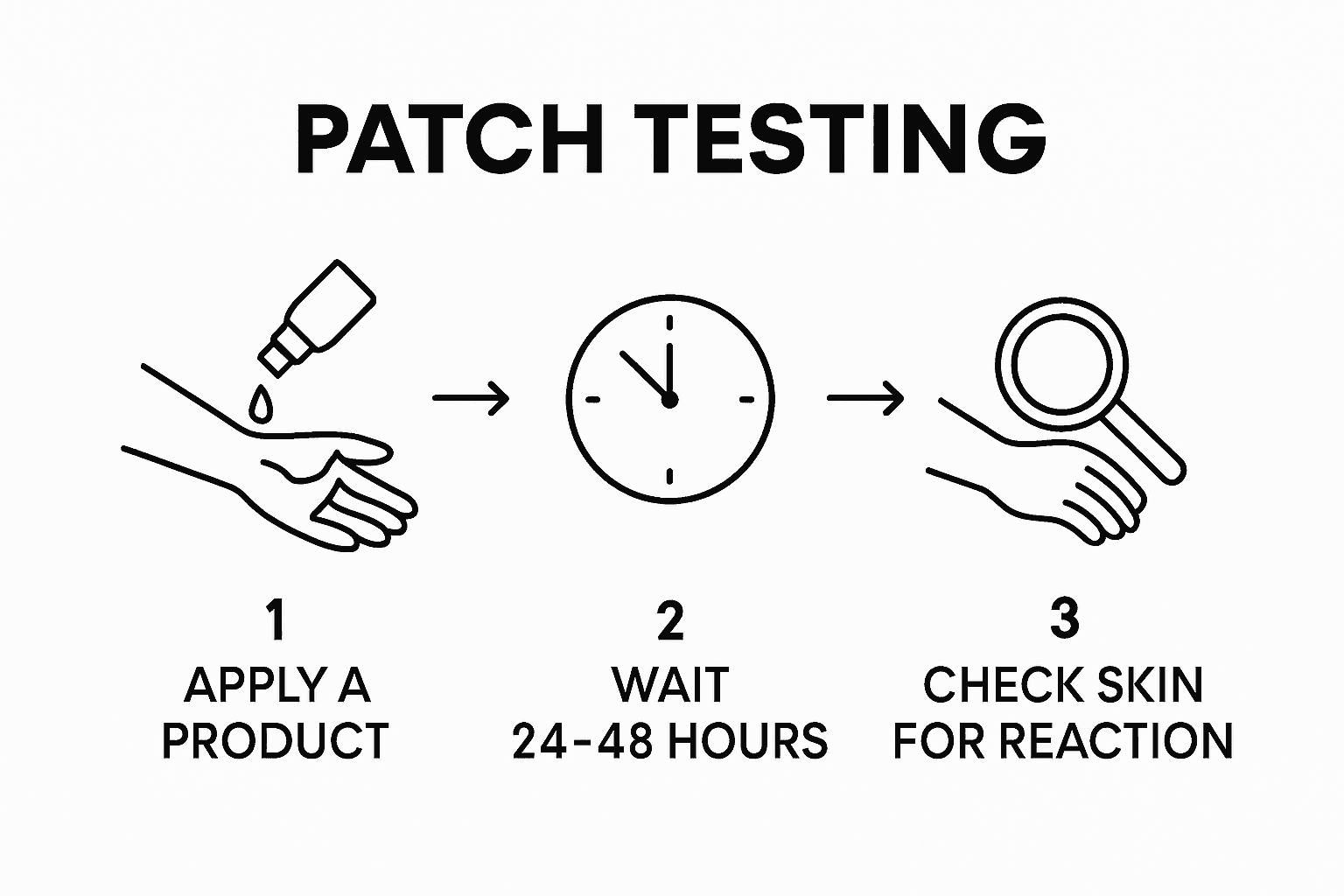
Pro Tip: Patch Test Preparation: Avoid using topical steroids, taking antihistamines, or exposing the test area to direct sunlight for at least one week before your scheduled patch testing to ensure accurate results.
Risks of Skipping Patch Testing Procedures
Skipping patch testing procedures can lead to significant and potentially dangerous health complications for individuals with sensitive skin or predisposed allergic conditions. Without this critical diagnostic process, people remain vulnerable to recurring skin inflammations, unpredictable allergic reactions, and prolonged discomfort that could have been easily prevented through systematic identification of specific allergens.
The potential risks of neglecting patch testing are multifaceted and can manifest in several serious ways:
- Chronic Skin Inflammation: Continuous exposure to unknown allergens
- Persistent Dermatological Conditions: Undiagnosed contact dermatitis
- Increased Sensitivity: Progressive skin irritation and potential long-term damage
- Treatment Complications: Difficulty in developing effective skincare strategies
- Psychological Stress: Ongoing uncertainty about product safety
Comprehensive medical research highlights the critical importance of identifying potential allergic triggers before they cause significant health complications. By understanding and documenting specific skin sensitivities, individuals can make informed decisions about personal care products, cosmetics, and skincare routines. This proactive approach not only prevents immediate allergic reactions but also protects long-term skin health and reduces the risk of developing more severe dermatological conditions.
This table compares patch testing with skipping the process for skin health outcomes:
| Approach | Skin Health Impact | Risk of Allergic Reaction | Long-term Benefit |
|---|---|---|---|
| Patch Testing | Prevents reactions, ensures safety | Low | Maintains healthy skin |
| No Patch Test | Unpredictable, prone to irritation | High | Risk of chronic issues |
Pro Tip: Allergy Tracking Strategy: Maintain a detailed digital or physical journal documenting all patch test results, noting specific ingredients that trigger reactions, to create a personalized reference guide for future product selections.
Protect Your Skin with Trusted Solutions at Skin-Styles.com
Patch testing is essential to avoid allergic reactions and maintain healthy skin. If you have sensitive skin or want to prevent irritation from unknown allergens, a thoughtful skincare routine is key. At Skin-Styles.com, we understand the importance of safe and effective products for your unique skin needs. Our curated collections, including trusted brands like Purito and SKIN 1004, offer gentle, allergy-conscious formulations developed to support skin resilience and reduce inflammation risks.

Start protecting your skin now by exploring our range of gentle skincare options. Visit Skin-Styles.com today and choose products thoughtfully designed for sensitive skin. Taking control with the right skincare is the best way to prevent adverse reactions and nurture your skin’s health confidently.
Frequently Asked Questions
What is patch testing in skincare?
Patch testing is a diagnostic method where small amounts of potential allergens are applied to the skin to identify substances that may cause allergic reactions. It helps prevent uncomfortable skin inflammation by pinpointing specific triggers.
How long does a patch test take?
A patch test typically takes 48 to 72 hours. The patches are placed on the skin, and reactions are assessed initially after removing the patches and then again in 48 to 96 hours to detect delayed responses.
What ingredients are commonly tested in patch tests?
Common allergens tested include metals like nickel, fragrance components, preservatives, natural substances like lanolin, and synthetic materials. Knowing these can help people with sensitive skin avoid problematic ingredients in their skincare products.
Why should I perform a patch test before using new skincare products?
Performing a patch test helps identify potential allergens before full application, reducing the risk of allergic reactions, skin irritation, and long-term dermatological conditions, ensuring the safety and effectiveness of your skincare routine.