

Sun exposure causes over 90 percent of visible skin aging, yet many people still struggle to pick the right sunscreen. The wrong product can leave your skin unprotected or irritated, making a simple choice feel confusing. Knowing how to match sunscreen to your skin type and needs puts you in control of daily protection and helps prevent long-term damage. This guide breaks down the key steps so you can shop smarter and enjoy real confidence in your sun care routine.
Table of Contents
- Step 1: Assess Your Skin Type And Needs
- Step 2: Understand Sunscreen Labels And Ingredients
- Step 3: Choose The Right SPF And Formulation
- Step 4: Test For Comfort And Sensitivity
- Step 5: Verify Authenticity And Purchase Securely
Quick Summary
| Key Point | Explanation |
|---|---|
| 1. Understand Your Skin Type First | Identify your skin characteristics to choose the right sunscreen that meets your specific protection needs. |
| 2. Pay Attention to Sunscreen Labels | Learn how to read SPF levels and ingredient types to select an effective sunscreen for your skin. |
| 3. Choose Appropriate SPF and Formulation | Match SPF levels and formulations to your daily activities and skin requirements for optimal protection. |
| 4. Test Sunscreen for Comfort | Conduct a patch test and assess how the sunscreen feels during activities to ensure comfort and avoid irritation. |
| 5. Purchase from Trusted Sources | Shop from authorized retailers to ensure the sunscreen’s authenticity and safety, avoiding counterfeit products. |
Step 1: Assess Your Skin Type and Needs
Understanding your unique skin characteristics is the first critical step in selecting the right sunscreen protection. By mapping out your skin’s specific needs, you can choose a sunscreen that not only shields you from harmful UV rays but also complements your skin’s natural properties.
The Fitzpatrick scale provides an excellent framework for determining your skin’s response to sunlight. This numerical classification system helps you understand how your skin type reacts to ultraviolet light and guides your sun protection strategy. Take a moment to evaluate your skin tone, how quickly you burn, and how easily you tan. Are you someone who burns within minutes of sun exposure? Do you have fair skin that rarely tans? Or do you have deeper skin tones that naturally resist sunburn?
Making an informed choice means considering more than just color. Your skin type also influences your sunscreen needs. For instance, sensitive skin requires gentler formulations with mineral-based ingredients, while oily skin benefits from lightweight, non-comedogenic options. If you have combination or acne-prone skin, look for oil-free sunscreens that won’t clog your pores. The goal is finding a sunscreen that provides broad spectrum protection while feeling comfortable on your specific skin type.
Step 2: Understand Sunscreen Labels and Ingredients
Deciphering sunscreen labels can feel like navigating a complex scientific code. But understanding what those numbers and terms mean is crucial to selecting the right protection for your skin.
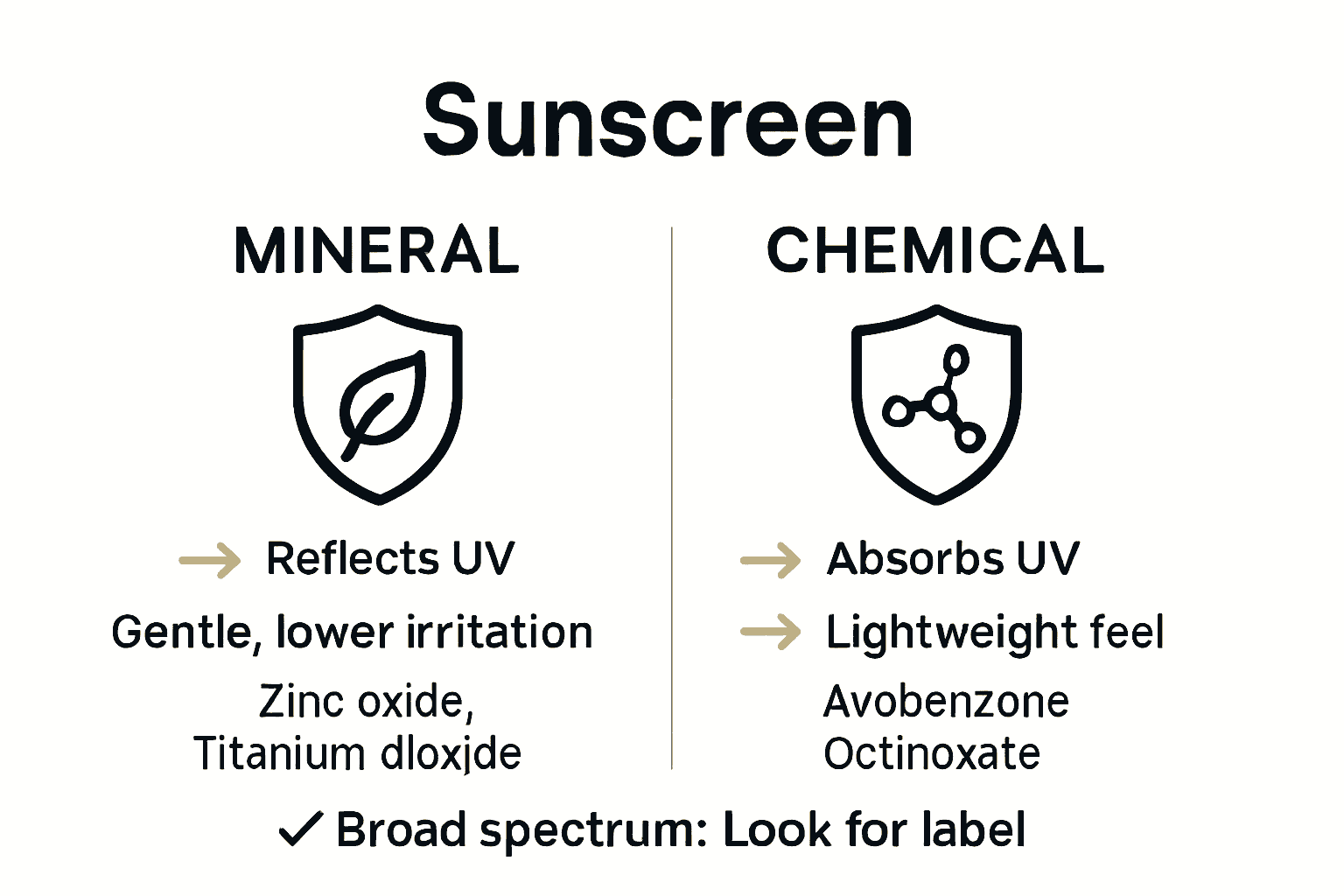
According to the FDA, sunscreen labels contain critical information about active ingredients and their protective capabilities. SPF (Sun Protection Factor) tells you how long the sunscreen will protect you from UVB rays that cause sunburn. A higher number means longer protection time. Look for “broad spectrum” on the label, which indicates protection against both UVA and UVB rays that can damage skin.
As the Therapeutic Goods Administration recommends, pay attention to the active ingredients. Chemical sunscreens like avobenzone and octinoxate absorb UV rays, while mineral sunscreens with zinc oxide or titanium dioxide create a physical barrier that reflects sunlight. If you have sensitive skin, mineral sunscreens might be gentler. Check the ingredient list and look for options that match your skin type and sensitivity level.
 Remember, the best sunscreen is one you will actually use consistently and generously.
Step 3: Choose the Right SPF and Formulation
Selecting the perfect sunscreen is more nuanced than simply grabbing the highest SPF number on the shelf. Your sun protection strategy needs to balance effectiveness with your specific lifestyle and skin needs.
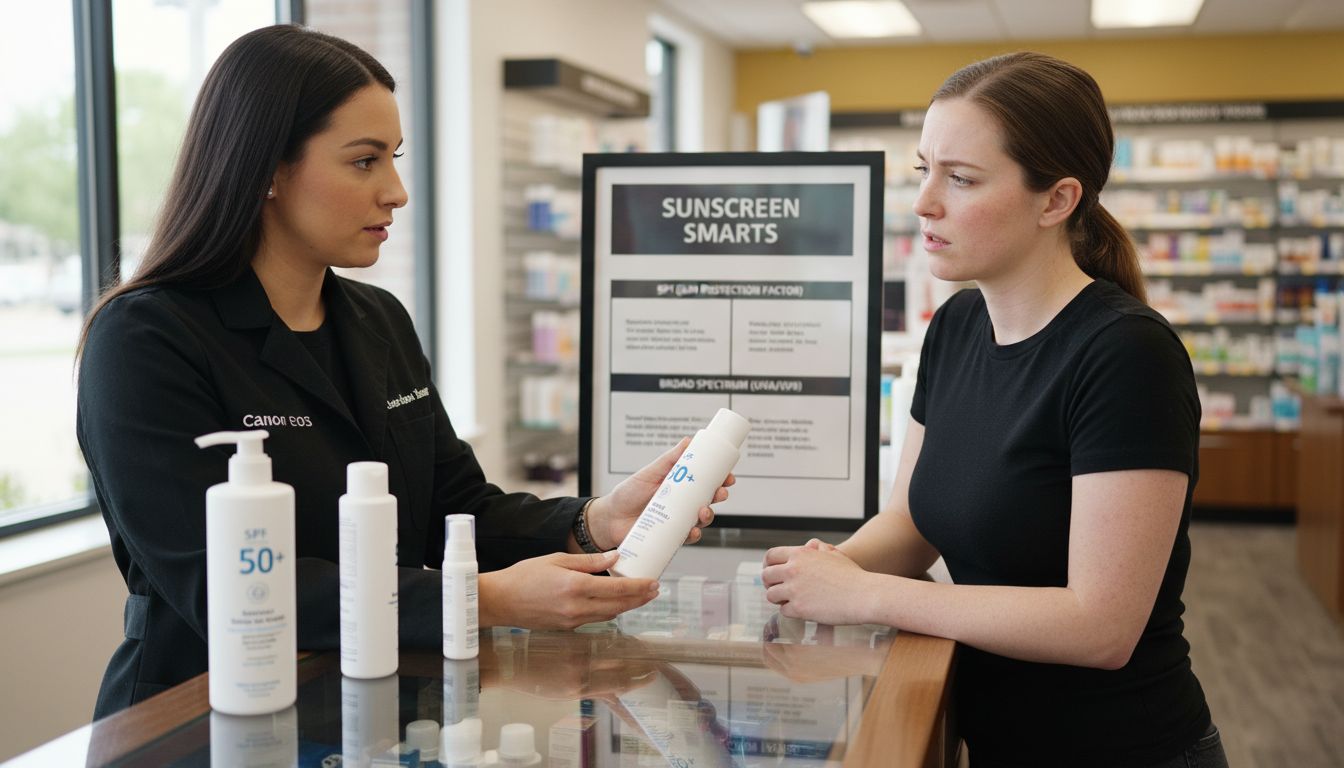
According to MD Anderson Cancer Center, the key is understanding how different SPF levels and formulations protect your skin. For daily activities with moderate sun exposure, an SPF 30 provides solid protection. If you will be outside for extended periods like hiking, swimming, or playing sports, opt for SPF 50 or higher. The Skin Cancer Foundation recommends looking beyond the SPF number to ensure broad-spectrum protection against both UVA and UVB rays.
Consider your activity level and skin type when choosing a formulation. Lightweight, oil-free options work best for oily or acne-prone skin. Water-resistant formulas are crucial for swimming or intense outdoor activities. Sensitive skin types might prefer mineral-based sunscreens with zinc oxide or titanium dioxide. Pro tip: no matter the SPF, reapply every two hours or immediately after swimming or excessive sweating to maintain consistent protection.
Step 4: Test for Comfort and Sensitivity
Finding the right sunscreen goes beyond protection it is about discovering a product that feels comfortable and agrees with your skin. This step is crucial in ensuring you will actually enjoy using your sunscreen daily.
According to Mayo Clinic, individuals with sensitive skin should prioritize sunscreens free from fragrances and unnecessary additives. The Center for Science in the Public Interest recommends conducting a patch test before full application. Apply a small amount of sunscreen to your inner forearm and wait 24 hours to check for any allergic reactions or skin irritation. Look for signs like redness, itching, or unusual bumps which could indicate sensitivity.
Take your testing further by wearing the sunscreen during different activities. Notice how it feels during exercise, in humid conditions, or while swimming. Does it feel heavy or sticky? Does it cause any breakouts or skin discomfort? The perfect sunscreen should feel like a natural extension of your skincare routine almost unnoticeable yet providing critical protection. Remember that what works for someone else might not work for you so patience and personal experimentation are key to finding your ideal sun protection match.
Step 5: Verify Authenticity and Purchase Securely
Buying sunscreen isn’t just about selecting the right product it is about ensuring you receive a genuine, safe, and effective protection against harmful UV rays. Your purchasing strategy should combine careful research with smart shopping practices.
The Therapeutic Goods Administration emphasizes the critical importance of purchasing sunscreens that meet rigorous regulatory standards. When shopping, look for authorized retailers with clear product information and transparent sourcing. The FDA recommends checking for clear manufacturing dates, complete ingredient lists, and proper packaging seals to verify product authenticity.
Always purchase from reputable sources whether online or in physical stores. Check the packaging for official regulatory marks, expiration dates, and batch numbers. Avoid deeply discounted products from unknown sellers as they might be counterfeit or past their effective date. Online shoppers should verify the seller’s credentials, read customer reviews, and ensure secure payment methods. Your skin deserves genuine protection that meets strict safety and quality standards.
Discover Your Perfect Sunscreen Match at Skin-Styles.com
Picking the right sunscreen can feel overwhelming with so many options and complex labels. The article highlights key challenges like understanding SPF levels, choosing formulas for sensitive or oily skin, and ensuring authentic, broad spectrum protection. You want a sunscreen that not only protects but feels comfortable and fits your lifestyle without causing irritation or breakouts. Don’t let confusion or skin sensitivity hold you back from getting reliable sun defense.
Explore a carefully curated selection of sunscreens and skincare products at Skin-Styles.com, designed to meet diverse skin types and protection needs.

Act now to find your ideal sunscreen formulation with clear ingredient information, trusted brands, and options for sensitive skin. Shop confidently knowing you can filter by your specific needs and enjoy a seamless checkout experience on Skin-Styles.com. Protect your skin every day by browsing our range and choosing the best sun protection for you today.
Frequently Asked Questions
How do I assess my skin type to choose the right sunscreen?
To assess your skin type, identify its characteristics such as color, sensitivity, and how quickly you burn or tan. Take a note of whether your skin is oily, dry, or sensitive, and this will help you select a sunscreen that meets your specific needs.
What does SPF mean, and how do I choose the right level?
SPF, or Sun Protection Factor, indicates how well a sunscreen protects against UVB rays. For daily use, an SPF of 30 is usually sufficient, while outdoor activities lasting several hours may require SPF 50 or higher; aim to select based on your sun exposure duration.
How can I determine if a sunscreen is safe for sensitive skin?
Look for sunscreens that are labeled as fragrance-free and formulated without harsh chemicals. Conduct a patch test by applying a small amount on your inner forearm and checking for reactions within 24 hours.
What should I consider regarding sunscreen formulation for my skin type?
Choose formulations that fit your skin type: lightweight, non-comedogenic options for oily skin, and mineral-based sunscreens for sensitive skin. Examine ingredient lists carefully and select a product that feels comfortable on your skin for daily use.
How do I verify the authenticity of a sunscreen before purchasing?
Check for clear manufacturing dates, ingredient lists, and proper packaging seals to ensure the product’s authenticity. Buy from trusted sources, and inspect the product for any signs of tampering or expiration to guarantee its effectiveness.
How often should I apply sunscreen for optimal protection?
Reapply sunscreen every two hours, or immediately after swimming or sweating to maintain its effectiveness. Aim to incorporate this routine into your day for consistent sun protection throughout all outdoor activities.