

TL;DR:
- Material safety and durability are crucial, with stainless steel and silicone preferred over plastic.
- Ease of cleaning and reliable leak-proof features ensure daily usability and hygiene.
- Choosing a sippy cup tailored to your child’s age and routine leads to better acceptance and less mess.
Choosing a sippy cup sounds simple until you’re standing in a store aisle surrounded by dozens of options, each one claiming to be leak-proof, BPA-free, and parent-approved. The reality is that not all cups live up to their labels, and the material inside your child’s hands every day matters more than most marketing copy admits. With so many shapes, spout types, and materials competing for your attention, it’s easy to second-guess every pick. This guide cuts through the noise by focusing on what actually works, from verified material safety to real-world usability, so you can choose a sippy cup with confidence instead of guesswork.
Table of Contents
- How to spot a safe and functional sippy cup
- Top must-have sippy cups for kids
- Comparing sippy cup features and materials
- Selecting the right sippy cup for your child’s needs
- What most sippy cup guides overlook
- Shop safe feeding essentials for your family
- Frequently asked questions
Key Takeaways
| Point | Details |
|---|---|
| Safety first | Choose BPA-free silicone or stainless steel for peace of mind and easy cleaning. |
| Functionality matters | Look for leak-proof lids and ergonomic handles that suit your child’s needs. |
| Compare before buying | Use evidence-based comparisons to select a cup that fits your child and lifestyle. |
| Daily cleaning is vital | Removable parts and simple design make sippy cups healthier and easier to sanitize. |
How to spot a safe and functional sippy cup
Before you buy, it helps to know exactly what you’re evaluating. A sippy cup’s value comes down to three things: what it’s made of, how well it functions during daily use, and how easy it is to clean properly. Get those three right, and you’ve got a winner.
Material is the first thing to examine. According to child safety guidance, stainless steel or silicone are the preferred materials for non-toxicity and durability, while plastic options tend to leak more when inverted or shaken vigorously. Stainless steel won’t absorb odors, won’t stain, and holds up through years of drops and dishwasher cycles. Silicone is softer, flexible, and equally non-toxic, making it a great fit for younger toddlers who are still figuring out how to grip and drink.
BPA (bisphenol A) is a chemical found in some hard plastics that has been linked to hormonal disruption in children. A BPA-free label is the bare minimum you should accept, not a bonus feature. If you want to go further on safe materials, eco-friendly baby utensils offer a broader look at why material choices matter across all feeding tools.
Here are the functional features worth prioritizing:
- Leak-proof lid design with a tested seal, not just a marketing claim
- Easy-to-grip handles sized for small hands, ideally with a textured surface
- Removable spout and valve so every part can be cleaned thoroughly
- Wide mouth opening for easier filling and access during cleaning
- Dishwasher-safe construction to support daily sanitation without extra effort
Cleaning ease is one of the most underrated factors. A cup with five separate pieces looks impressive, but each component is another spot where mold and bacteria can develop if not dried properly. This is especially important if you’re also using silicone bibs for feeding, since a consistent cleaning routine across all feeding gear reduces the hygiene burden.
“The best sippy cup is the one your child will actually use and that you can clean completely every single day.”
Pro Tip: Before buying any cup, flip it upside down and shake it over your hand. If water escapes with minimal pressure, the leak-proof claim likely won’t hold up in a diaper bag or car seat.
With the importance of thoughtful selection established, we move to the top recommended sippy cups.
Top must-have sippy cups for kids
Not every sippy cup earns its shelf space. The picks that consistently rise to the top share a few qualities: they’re made from safe materials, they function reliably in real-life conditions, and parents actually recommend them after sustained use. Here’s what to look for in each category.
Stainless steel cups are the gold standard for durability and long-term safety. A good stainless steel cup keeps drinks cold for hours, survives concrete drops, and never picks up the smell of yesterday’s milk. Look for double-wall insulation, a silicone spout, and a lid that locks securely. These cups often cost more upfront, but they outlast several rounds of cheaper plastic alternatives.
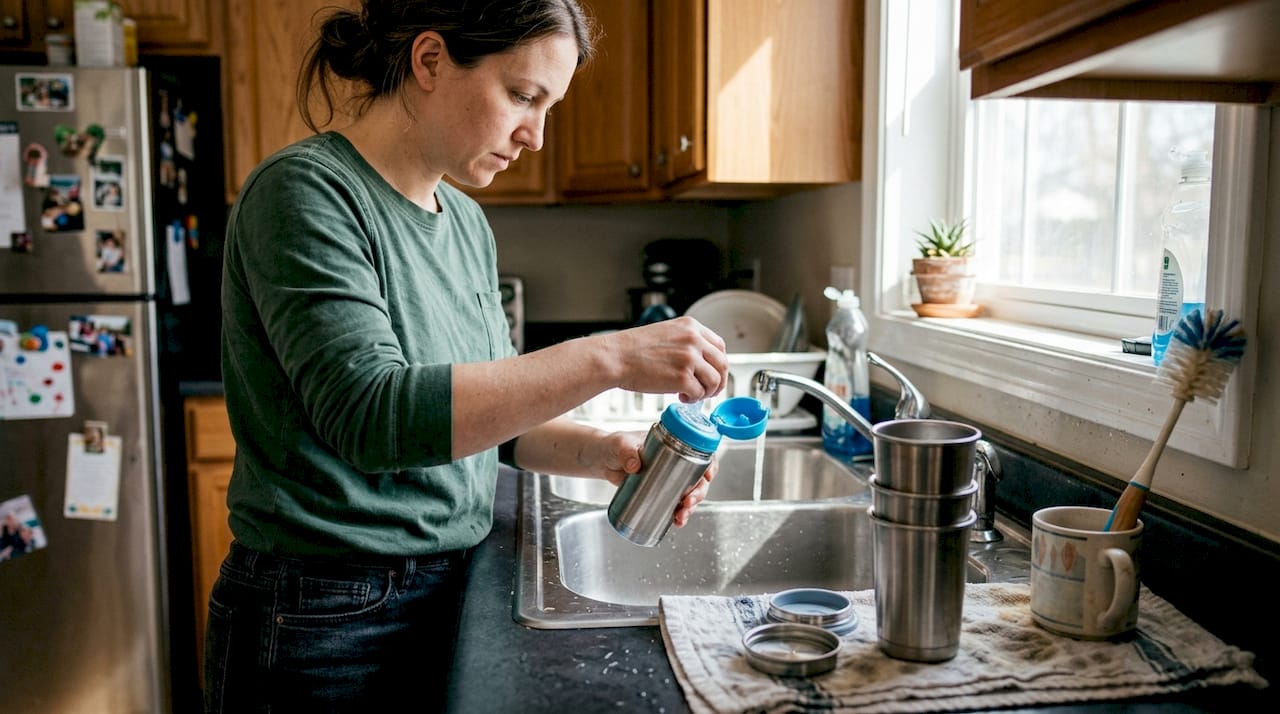
Silicone cups shine when softness and flexibility matter most. For toddlers who are teething or sensitive to hard spouts, silicone provides a gentler drinking experience. The silicone bibs benefits principle applies here too: the material is easy to wipe down, resists staining, and doesn’t hold onto food smells. Anti-leak silicone valves are particularly effective because they create a natural seal that releases only under the pressure of active sipping.
Here are the must-have features shared by top-rated cups:
- Single-piece or two-piece construction to simplify daily cleaning
- Weighted straw option so liquid stays accessible even when the cup tilts
- Ergonomic handle design that small hands can grip without frustration
- Clear volume markings to track fluid intake easily
- Compatibility with bottle brushes for thorough interior cleaning
Budget-friendly options absolutely exist without compromising safety. The key is sticking to eco-friendly feeding options that prioritize verified non-toxic materials over fancy color schemes or branding. A plain silicone cup with a solid seal will serve your child better than a visually appealing plastic cup with a questionable valve.
As confirmed by safety research, non-toxic materials in sippy cups outperform plastic in both safety and durability, which means a modest investment in the right material pays off quickly.
Pro Tip: Choose a cup with the fewest moving parts possible. Fewer pieces means fewer places for bacteria to hide and fewer parts to lose track of during a rushed morning routine.
Now that you know what to look for, discover how these must-have sippy cups compare side by side.
Comparing sippy cup features and materials
Side-by-side comparisons help cut through feature overload. Here’s how the main sippy cup material types stack up across the criteria that matter most to parents.
| Feature | Stainless steel | Silicone | Plastic |
|---|---|---|---|
| BPA-free | Yes | Yes | Varies |
| Leak resistance | High | High | Low to moderate |
| Durability | Excellent | Very good | Moderate |
| Odor resistance | Excellent | Very good | Poor |
| Cleaning ease | Easy | Very easy | Moderate |
| Temperature retention | Excellent | Moderate | Poor |
| Typical price range | $15 to $35 | $10 to $25 | $5 to $15 |
The pattern is clear. Silicone and stainless steel consistently outperform plastic across almost every category that affects daily use. Plastic’s main advantage is price, but that benefit shrinks when you account for more frequent replacements due to leaking, staining, and odor absorption.
“Plastic options leak more when inverted or shaken vigorously, making silicone and stainless steel the smarter long-term investment for families.”
A few other factors worth considering:
- Weight: Stainless steel cups are heavier, which can be tiring for very young toddlers. Silicone wins for lightweight everyday use.
- Temperature safety: Stainless steel handles hot and cold liquids well. Silicone is fine for cold and room temperature, but avoid very hot liquids in either material.
- Visual appeal: This matters more than you’d think. A cup your child likes to hold gets used more consistently.
For a fuller picture of how material choices affect all your baby’s feeding gear, exploring eco-friendly baby feeding options gives useful context that goes beyond cups alone.
Not all price points deliver equal value. A mid-range silicone cup with a strong seal often outperforms a premium plastic cup with a complex mechanism. Safety and usability should always come before aesthetics or brand recognition.
With comparisons made, let’s pinpoint the best sippy cup for your situation.
Selecting the right sippy cup for your child’s needs
The best sippy cup isn’t universal. It depends on your child’s age, your daily routine, and the specific challenges you’re trying to solve. A cup that works beautifully at home may be completely impractical for a packed diaper bag.
Here’s a numbered guide to matching cup type to situation:
- Ages 6 to 12 months: Look for a soft silicone spout and a two-handle grip. At this stage, your baby is just learning to hold and sip, so softness and stability matter most.
- Ages 12 to 18 months: Introduce a straw cup or a hard spout to support oral development. This age group benefits from lightweight cups that encourage independent drinking.
- Ages 18 months to 3 years: A stainless steel cup with a straw and a leak-proof lid works well for active toddlers who carry their cup everywhere. Durability becomes critical.
- On-the-go use: Prioritize a screw-top lid with a locking mechanism. Even the best seal can fail under bag pressure, so a secondary lock adds security.
- Home use: A wider, heavier cup with easy-pour handles is fine since portability isn’t the priority. Focus instead on cleaning ease and volume.
Spill risk changes based on how active your child is. A cup that performs well on a high chair tray may leak steadily in the back seat of a car. As noted by material safety experts, stainless steel and silicone offer better seals under physical stress than plastic alternatives. For parents who also want to reduce overall waste, biodegradable babyware is worth exploring as a complement to your feeding toolkit.
Cleaning routines matter too. If you’re running a household where dishes pile up, a cup with fewer components is a practical necessity, not a luxury.
Pro Tip: Keep two cup types on hand, one for home and one for travel. Your home cup can have more features and be harder to pack, while your travel cup should be simple, light, and nearly impossible to leak.
Having understood how to tailor your choices, here’s a fresh perspective from years of parenting and coaching families.
What most sippy cup guides overlook
Most sippy cup roundups focus heavily on features and price, but they skip the part that actually determines success: whether the cup fits your life as it really is, not as you wish it were.
The most expensive cup on the market is worthless if it takes fifteen minutes to disassemble for cleaning after a long day. Real-world usability means a cup that your child reaches for, that you can wash completely in two minutes, and that doesn’t require a replacement valve every three weeks.
Marketing language around leak-proof claims is also worth scrutinizing. A cup that technically doesn’t leak when sitting upright may fail entirely when tossed sideways in a bag. The gap between “leak-proof” in testing and “leak-proof” in a diaper bag is larger than most brands admit.
What truly matters is matching the cup to your actual daily patterns. If you travel constantly, leak resistance under pressure is your top priority. If your child eats mostly at home, cleaning ease outweighs portability. Building a feeding routine with tools that suit your lifestyle, including supportive gear like silicone bibs for toddlers, makes consistency far easier to maintain.
“Real success is found in cups that fit your routines, not just lists of features.”
Shop safe feeding essentials for your family
Finding feeding tools you can trust doesn’t have to be complicated. After evaluating materials, features, and real-life performance, the next step is getting the right gear into your hands.

At Skin-Styles.com, we carry a curated selection of family-oriented feeding essentials that prioritize safety without sacrificing usability. Our silicone baby feeding set is BPA-free, designed for self-feeding toddlers, and includes suction plates, bowls, and a bib in one practical bundle. Everything is built to make your feeding routine simpler and safer. While you’re here, our facial creams and gels collection offers the same commitment to ingredient safety and everyday practicality, just for you.
Frequently asked questions
Why is silicone preferred for sippy cups?
Silicone is BPA-free and durable, making it non-toxic and easy to clean, and it creates a better natural seal than plastic, which means fewer leaks during daily use.
Do all leak-proof sippy cups really prevent spills?
Not equally. Plastic options leak more when inverted or shaken vigorously, while silicone and stainless steel maintain their seals better under real-world pressure.
How often should sippy cups be cleaned?
Daily cleaning is the standard recommendation, and cups with removable parts make it easier to reach every surface and minimize bacteria buildup in hard-to-access areas.
Are stainless steel sippy cups worth the higher price?
Yes. Their durability for long-term use and verified material safety mean they outlast several rounds of cheaper plastic alternatives, making the higher upfront cost a practical investment.