

Most American skincare enthusiasts know that a single cleanser rarely does the trick for stubborn concerns. The rise of multi-step rituals shows how layering products can unlock better results, with clinical research revealing up to a 42 percent improvement in skin barrier function using strategic sequences. This approach matters for anyone who wants lasting hydration, targeted correction, and age-defying glow. Discover how these rituals combine science and intention to create a truly comprehensive skincare regimen.
Table of Contents
- Defining Multi-Step Skincare Rituals
- Key Steps and Common Product Types
- Major Benefits of Layered Skincare
- Potential Risks and Mistakes to Avoid
- Personalizing Your Skincare Routine
Key Takeaways
| Point | Details |
|---|---|
| Multi-Step Approach | Multi-step skincare rituals involve sequential product application to address various skin concerns more effectively than single-product routines. |
| Core Stages | A typical routine includes cleansing, toning, treating, moisturizing, and protecting, each stage serving a unique purpose. |
| Personalization is Essential | Personalizing your skincare routine based on skin type, concerns, and environmental factors can greatly enhance its effectiveness. |
| Avoid Common Mistakes | Key mistakes include over-exfoliation and applying products in the wrong order, which can undermine treatment efficacy and skin health. |
Defining Multi-Step Skincare Rituals
Multi-step skincare rituals represent a strategic, scientific approach to maintaining and improving skin health through methodical product application. Unlike traditional single-product routines, these comprehensive protocols involve carefully sequenced treatments designed to address multiple skin concerns simultaneously. Clinical research shows that such intentional layering can significantly enhance skin barrier function and combat both intrinsic and extrinsic aging factors.
A typical multi-step skincare ritual encompasses several core phases: cleansing, toning, treating, moisturizing, and protecting. Each stage serves a distinct purpose, working synergistically to optimize skin performance. For instance, cleansing removes impurities, toning balances skin pH, treatment products target specific concerns like hyperpigmentation or fine lines, moisturizers hydrate, and sunscreen protects against environmental damage. Dermatological experts emphasize that these rituals are not about complexity, but rather about intentional, personalized skin maintenance.
The philosophy behind multi-step skincare transcends simple cosmetic enhancement. It represents a holistic understanding of skin as a dynamic, responsive organ requiring nuanced care. By addressing hydration, cell regeneration, protection, and targeted treatment in a systematic manner, these rituals offer more comprehensive benefits than traditional one-size-fits-all approaches. The key lies in understanding your unique skin profile and selecting products that complement each other’s functions.
Pro Tip: Start by introducing one new product at a time into your routine, allowing your skin at least two weeks to adjust and assess its individual response.
Key Steps and Common Product Types
Comprehensive skincare routines typically involve a strategic sequence of product application designed to address multiple skin needs effectively. These routines generally progress through core stages: cleansing, toning, treating, moisturizing, and protecting. Each step serves a unique function, working together to create a comprehensive approach to skin health that goes beyond basic maintenance.
The fundamental product types in a multi-step routine include:
-
Cleansers: Remove makeup, dirt, and impurities
- Oil-based cleansers for initial makeup removal
- Water-based or foam cleansers for deep cleaning
- Toners: Rebalance skin pH and prepare for treatment
-
Serums: Concentrated treatments targeting specific concerns
- Vitamin C for brightening
- Niacinamide for pore refinement
- Hyaluronic acid for hydration
- Moisturizers: Hydrate and seal in previous treatments
- Sunscreen: Protect against UV damage and environmental stressors
Night routines may incorporate additional specialized products like retinoids, eye creams, and intensive treatment masks. The key is understanding that each product serves a specific purpose, and the order of application matters significantly. Lighter, more active products should be applied first, with heavier creams and oils coming last to seal in beneficial ingredients.
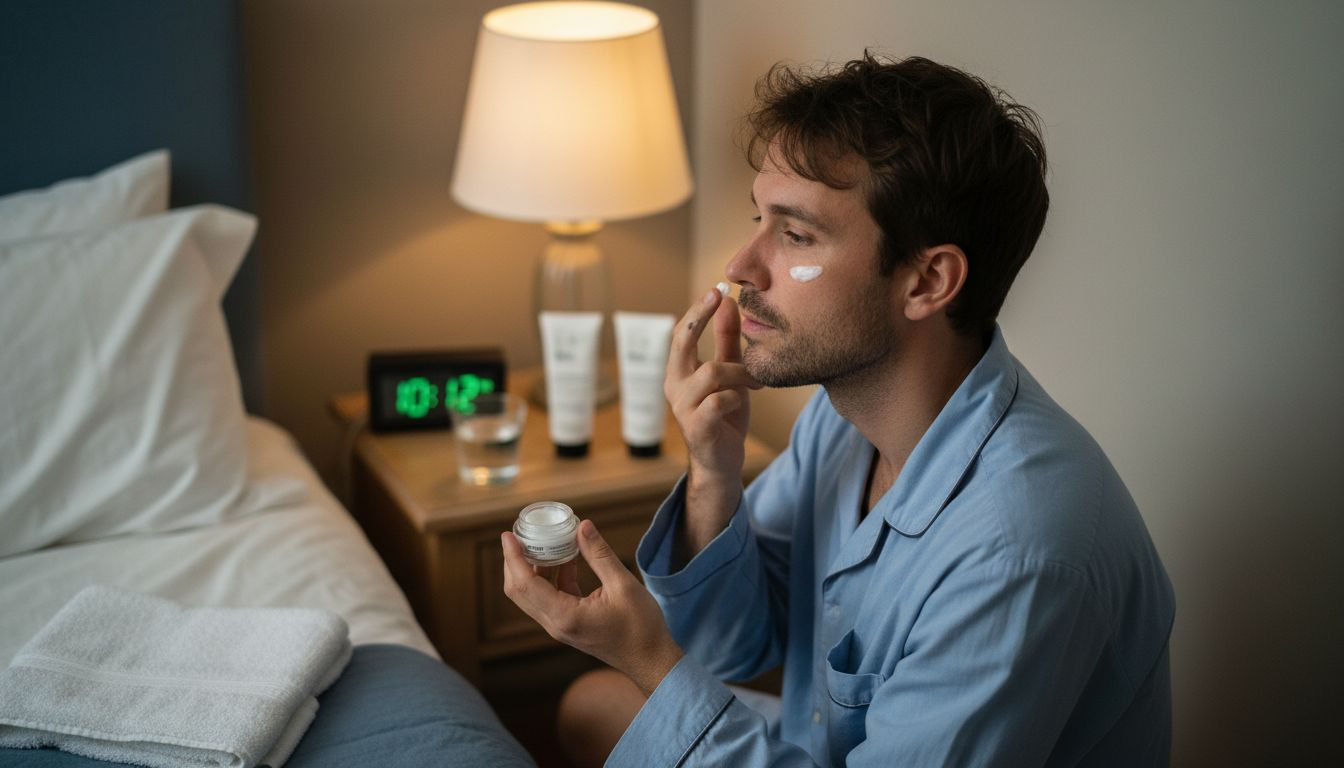
Pro Tip: Layer your skincare products from thinnest to thickest consistency to ensure maximum absorption and effectiveness.
Here’s a comparison of daytime and nighttime skincare routines to help you optimize your regimen:
| Routine Type | Primary Focus | Essential Products | Additional Steps |
|---|---|---|---|
| Daytime | Protection, hydration | Cleanser, toner, moisturizer, sunscreen | Antioxidant serum, SPF touch-ups |
| Nighttime | Repair, regeneration | Cleanser, toner, treatment serum, moisturizer | Retinoids, masks, eye creams |
Major Benefits of Layered Skincare
Comprehensive skincare layering offers multiple scientifically validated benefits that transform skin health beyond traditional single-product approaches. By strategically combining products with complementary active ingredients, individuals can address multiple skin concerns simultaneously, creating a synergistic effect that enhances overall skin appearance, texture, and resilience.
The key benefits of a well-designed layered skincare routine include:
-
Targeted Skin Transformation
- Simultaneously address hydration issues
- Reduce visible signs of aging
- Improve uneven skin tone and texture
-
Enhanced Product Efficacy
- Active ingredients work more effectively when applied in sequence
- Increased absorption of beneficial compounds
- Minimized potential for ingredient interference
-
Comprehensive Skin Protection
- Multiple layers of defense against environmental stressors
- Continuous hydration and barrier support
- Long-term skin health maintenance
Integrated skincare approaches go beyond cosmetic improvements, offering a holistic strategy for skin wellness. By carefully selecting and layering products, individuals can create a personalized treatment plan that adapts to their unique skin needs, reducing inflammation, repairing skin barriers, and prolonging the effects of professional aesthetic treatments.
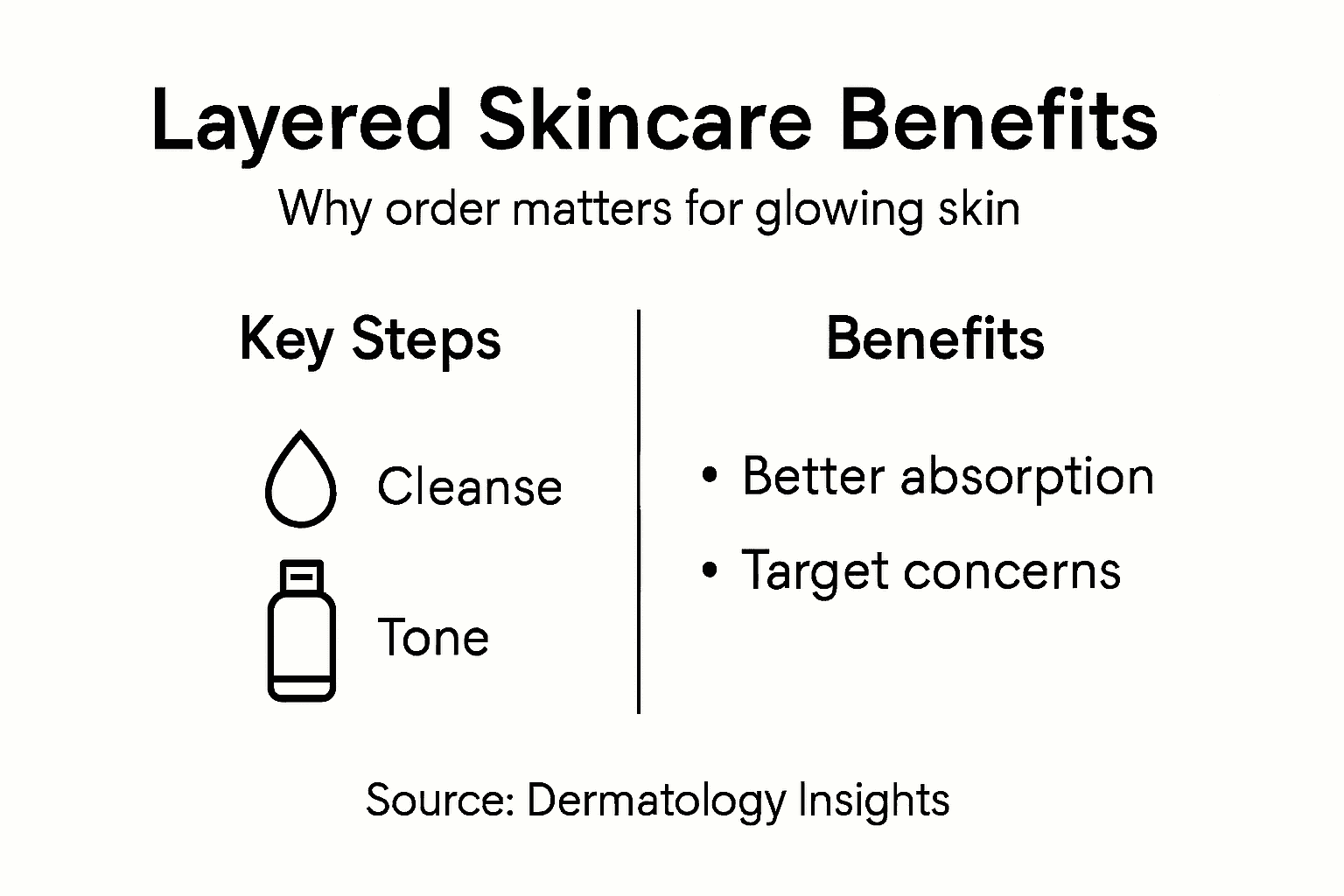
Pro Tip: Consult with a skincare professional to develop a personalized layering strategy that matches your specific skin type and concerns.
Potential Risks and Mistakes to Avoid
Common skincare mistakes can dramatically undermine even the most well-intentioned multi-step skincare routine. Understanding these potential pitfalls is crucial for maintaining skin health and preventing unintended damage that could compromise your carefully constructed skincare strategy.
Key risks and mistakes to be aware of include:
-
Over-Exfoliation
- Disrupts natural skin barrier
- Triggers increased oil production
- Causes heightened skin sensitivity
-
Product Incompatibility
- Mixing incompatible active ingredients
- Using products with conflicting pH levels
- Potential chemical interactions that reduce effectiveness
-
Improper Layering
- Applying products in incorrect sequence
- Blocking absorption of key active ingredients
- Reducing overall treatment efficacy
The most critical errors often stem from a lack of understanding about individual skin needs and product interactions. Individuals frequently make the mistake of introducing multiple new products simultaneously, overwhelming the skin and making it difficult to identify potential irritants or allergic reactions. Consistency, patience, and a gradual approach are essential when developing a personalized skincare routine that addresses your specific skin concerns without causing unintended stress or damage.
Pro Tip: Introduce new skincare products one at a time, waiting at least two weeks between additions to monitor your skin’s response and identify any potential adverse reactions.
Personalizing Your Skincare Routine
Advanced personalization technologies are revolutionizing how individuals approach skincare, transforming what was once a one-size-fits-all strategy into a deeply individualized experience. Modern skincare is no longer about following generic recommendations, but about understanding your unique biological blueprint and creating a routine that responds dynamically to your specific skin characteristics.
Key considerations for personalizing your skincare routine include:
-
Skin Type Assessment
- Identify your specific skin category (oily, dry, combination, sensitive)
- Recognize seasonal variations in skin condition
- Understand genetic predispositions
-
Targeted Concern Mapping
- Pinpoint specific skin issues (aging, hyperpigmentation, acne)
- Prioritize treatment goals
- Select products with precise active ingredients
-
Lifestyle and Environmental Factors
- Consider climate and humidity
- Evaluate stress levels and sleep patterns
- Assess daily exposure to environmental stressors
Successful personalization requires a holistic approach that goes beyond surface-level observations. This means tracking your skin’s response to different products, being willing to adjust your routine as your skin changes, and understanding that skincare is a continuous journey of discovery and adaptation. Regular consultation with skincare professionals and staying informed about emerging technologies can help you refine your approach and achieve optimal results.
Pro Tip: Maintain a detailed skincare journal to track product effectiveness, skin changes, and environmental influences.
Below is a summary of major factors to consider when personalizing your skincare routine:
| Consideration | Why It Matters | Example Impact |
|---|---|---|
| Skin Type | Guides product selection | Hydration needs vary by type |
| Environmental Exposure | Influences protection steps | Higher SPF in sunny climates |
| Lifestyle Habits | Affects skin health | Stress may trigger breakouts |
| Targeted Concerns | Directs specific treatments | Anti-aging vs. acne care |
Elevate Your Multi-Step Skincare Routine with Targeted Solutions
Understanding the importance of layering in your skincare routine unlocks the door to healthier, more radiant skin. If you are struggling with product incompatibility or unsure how to choose the right serums and moisturizers for your skin type, you are not alone. Many face challenges such as over-exfoliation, improper layering, and selecting treatments that do not complement each other. Our carefully curated collections at Facial Serums and Facial Creams & Gels provide the precise, science-backed products you need to build an effective regimen that supports hydration, protection, and targeted treatment.

Take control of your skin’s future by choosing products that work together seamlessly. Explore our SKIN 1004 collection known for gentle yet powerful ingredients designed to enhance skin barrier function and reduce sensitivity. Start layering your skincare with confidence today by visiting Skin-Styles.com. Your best skin awaits. Don’t wait to experience the transformative benefits of a personalized, multi-step routine built around your unique needs.
Frequently Asked Questions
What is a multi-step skincare ritual?
A multi-step skincare ritual involves a sequence of product applications designed to address various skin concerns, enhancing overall skin health through systematic layering of treatments.
How do I choose the right products for my multi-step skincare routine?
Start by assessing your skin type and specific concerns. Select products formulated with active ingredients that target your needs, ensuring they complement each other without causing irritation.
Why is the order of product application important in a skincare routine?
The order matters because lighter, more active products should be applied first to maximize absorption and efficacy, while heavier creams and oils act as a barrier to seal in prior treatments.
What are some common mistakes to avoid when following a multi-step skincare routine?
Common mistakes include over-exfoliating, using incompatible products, or layering in the wrong order, which can reduce efficacy and disrupt the skin barrier.