

Most American skincare enthusiasts are surprised to learn that the order of product application can dramatically change results. With the beauty market saturated by countless serums and creams, finding the right balance often feels confusing. Research shows that strategic layering helps active ingredients penetrate better, offering more noticeable improvements in skin tone and texture. Whether you are new to this concept or looking to refine your routine, understanding skincare layering could be the key to truly healthier, more radiant skin.
Table of Contents
- What Is Skincare Layering And Why It Matters
- Key Types Of Skincare Products To Layer
- How Layering Order Affects Product Effectiveness
- Common Mistakes When Layering Skincare Products
- Comparing Layered Versus Single-Step Routines
Key Takeaways
| Point | Details |
|---|---|
| Skincare Layering | Apply products from thinnest to thickest for optimal absorption and effectiveness. |
| Product Selection | Choose products that work synergistically to address individual skin needs without overloading. |
| Common Mistakes | Avoid applying too many products, layering in the wrong order, or using incompatible ingredients. |
| Routine Choices | Tailor your routine based on personal skin type, lifestyle, and treatment goals, whether layered or minimalistic. |
What Is Skincare Layering and Why It Matters
Skincare layering is a strategic approach to applying multiple skincare products in a specific sequence to maximize their individual and collective benefits. The science behind skincare layering reveals that this method allows active ingredients to penetrate the skin more effectively, addressing multiple skin concerns simultaneously.
At its core, skincare layering follows a fundamental principle: apply products from the thinnest to the thickest consistency. This means starting with lightweight serums and ending with heavier moisturizers or oils. The goal is to ensure each product can be absorbed efficiently without creating barriers that block subsequent ingredients from reaching the skin. Think of it like building a strategic skincare wardrobe where each piece complements the others, creating a comprehensive protection and treatment system.
However, not all skincare layering approaches are created equal. Overloading your skin with too many products can lead to irritation, product ineffectiveness, and potential breakouts. The key is understanding your skin’s unique needs and selecting products that work synergistically. Expert guidance on choosing the right serum can help you build a targeted skincare routine that delivers maximum results without overwhelming your skin.
Successful skincare layering requires patience, knowledge, and a willingness to experiment. Start with a basic routine of cleanser, treatment products, and moisturizer, then gradually introduce additional steps. Monitor how your skin responds, and be prepared to adjust your approach. The ultimate goal is not complexity, but effectiveness—creating a personalized skincare strategy that helps you achieve your specific skin health and appearance objectives.
Key Types of Skincare Products to Layer
Comprehensive skincare product layering involves strategically applying different products that each serve a unique purpose in skin health and appearance. The typical skincare routine includes several key product types designed to cleanse, treat, hydrate, and protect the skin, with each layer building upon the previous one to create a comprehensive skincare strategy.
The foundational products in a layered skincare routine typically include:
- Cleansers: Remove dirt, oil, and impurities from the skin’s surface
- Toners: Balance skin pH and prepare the skin for subsequent treatments
- Serums: Deliver concentrated active ingredients targeting specific skin concerns
- Moisturizers: Hydrate and lock in previous treatment layers
- Sunscreens: Provide critical protection against harmful UV radiation
Understanding the specific role of each product is crucial for effective layering. Exploring the role of serums reveals how these potent products can deliver targeted treatments like brightening, anti-aging, or hydration more effectively than single-ingredient solutions. The key is applying these products in the correct order—typically from thinnest to thickest consistency—to ensure maximum absorption and efficacy.
While the basic framework remains consistent, individual skin needs vary dramatically. Some individuals might incorporate additional specialized products like exfoliants, eye creams, or spot treatments. The most successful skincare layering approach is one that is personalized, adaptive, and responsive to your skin’s changing needs, always remembering that more products do not necessarily mean better results.
How Layering Order Affects Product Effectiveness
The sequence of skincare product application is far more than a simple aesthetic ritual—it’s a scientifically driven process that dramatically impacts the absorption and effectiveness of active ingredients. Understanding this strategic approach transforms skincare from a mundane routine into a targeted treatment plan that maximizes each product’s potential.
The fundamental principle of effective layering follows a simple yet critical rule: apply products from the thinnest to the thickest consistency. This means starting with lightweight, water-based products like toners and serums, then progressively moving to heavier creams and oils. Here’s why this order matters:
- Molecular Penetration: Lighter products can penetrate deeper when applied first
- Barrier Prevention: Thick products applied early can block subsequent treatments
- Active Ingredient Optimization: Ensures each product can reach intended skin layers
- Enhanced Absorption: Prevents product buildup and potential ineffectiveness
Consider active ingredients like vitamin C or hyaluronic acid—these potent compounds require direct contact with the skin to deliver their maximum benefits. When applied in the correct sequence, they can effectively target specific skin concerns such as hyperpigmentation, hydration, or fine lines. Conversely, applying these ingredients in the wrong order can significantly reduce their efficacy, essentially rendering your carefully selected products less powerful.
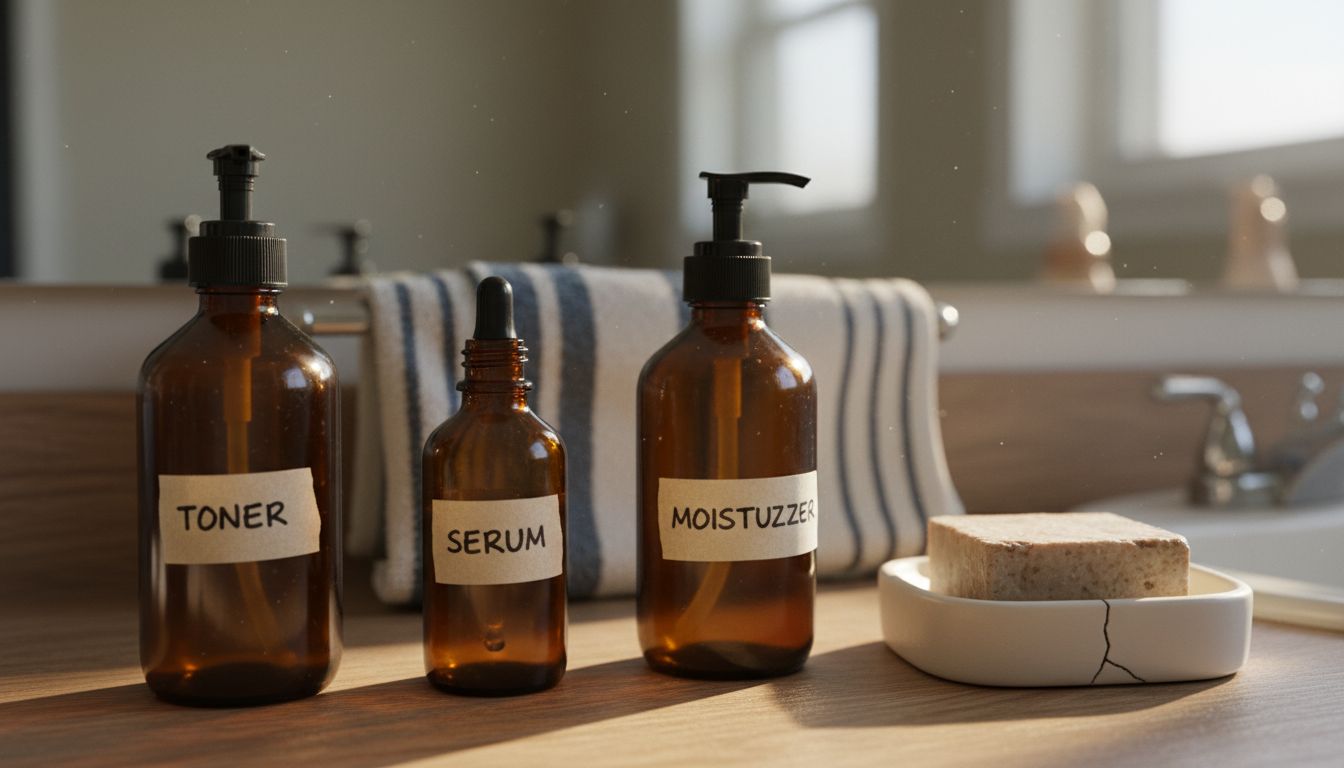
Successful skincare layering is about understanding your skin’s unique needs and creating a personalized approach. While general guidelines provide a solid foundation, individual skin types, environmental factors, and specific product formulations can all influence the ideal layering strategy. Experimentation, patience, and careful observation of your skin’s response are key to developing a truly effective skincare routine.
Common Mistakes When Layering Skincare Products
Skincare product application mistakes can significantly undermine your skincare routine’s effectiveness, transforming what should be a carefully curated treatment into a counterproductive process. Understanding these common pitfalls is crucial for anyone seeking to optimize their skincare strategy and achieve healthy, radiant skin.
The most prevalent mistakes in skincare layering include:
- Product Overload: Applying too many products simultaneously
- Incorrect Order: Layering products in the wrong consistency sequence
- Incompatible Ingredients: Mixing active ingredients that counteract each other
- Ignoring Skin Sensitivity: Using multiple harsh treatments without consideration
- Skipping Patch Tests: Introducing new products without checking for adverse reactions
One critical error many people make is treating all skincare products as equally compatible. Some ingredients, when combined, can neutralize each other’s effectiveness or even cause skin irritation. For instance, vitamin C serums work best in acidic environments, while niacinamide requires a more neutral pH. Layering these without understanding their chemical interactions can render both ingredients essentially ineffective.
Successful skincare is about precision, not complexity. Start with a minimal routine and gradually introduce new products, paying close attention to how your skin responds. Introduce one new product at a time, wait at least two weeks to observe its effects, and always prioritize your skin’s unique needs over trendy multi-step routines. Remember: more products do not guarantee better results—thoughtful, strategic application does.
Comparing Layered Versus Single-Step Routines
Skincare product complexity presents a nuanced challenge for individuals seeking optimal skin health. The debate between comprehensive layered routines and simplified single-step approaches reflects the evolving understanding of personalized skincare strategies, with each method offering distinct advantages and potential drawbacks.
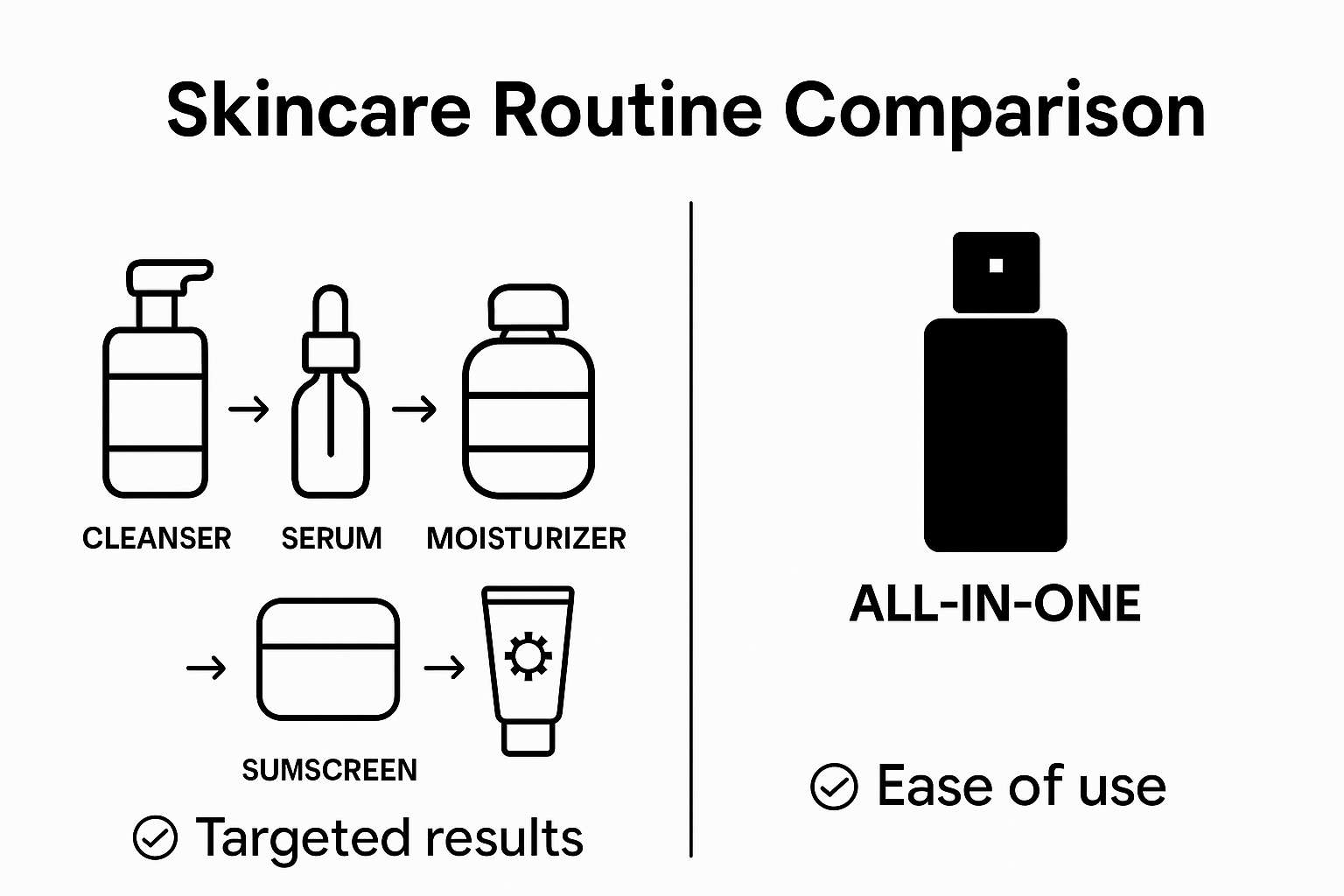
Key differences between layered and single-step routines include:
-
Layered Routines:
- Targeted treatment of multiple skin concerns
- Allows precise ingredient selection
- Provides comprehensive skin nutrition
- Requires more time and product investment
-
Single-Step Routines:
- Simplified approach
- Less time-consuming
- Reduced product cost
- Limited treatment capabilities
The trend towards minimalist skincare approaches highlights a growing preference for multifunctional products that streamline skincare without sacrificing effectiveness. Modern consumers increasingly seek solutions that balance comprehensive care with convenience, challenging traditional multi-step regimens by developing advanced, hybrid products that address multiple skin needs simultaneously.
Ultimately, the ideal skincare routine transcends rigid categorization. Your personal approach should reflect your unique skin type, lifestyle, budget, and specific concerns. Experimentation, patience, and attentive observation of your skin’s response remain the most reliable methods for developing a truly effective skincare strategy—whether you prefer a minimalist single-step routine or a more intricate layered approach.
Unlock the Full Potential of Your Skincare Routine with Smart Layering
Struggling to get the most from your skincare products can be frustrating. The article highlights how layering in the correct order, from lightweight serums to richer creams, is essential to maximize absorption and avoid irritation or ineffective treatments. Many people face the challenge of product overload or using incompatible ingredients that block results. Achieving a clear, radiant complexion requires a carefully curated skincare regimen that adapts to your unique skin needs.
Discover the power of strategic layering by selecting products designed to work together seamlessly. Explore our collection of Facial Serums to deliver potent actives directly where your skin needs them most. Then, lock in hydration and nourishment with our expertly crafted Facial Creams & Gels made to complement your serum. If you seek to target fine lines or aging concerns, browse through our specialized Anti Wrinkles selection for scientifically formulated treatments.

Take control of your skincare today with proven layering strategies and premium-quality products from Skin-Styles.com. Shop now and start building a routine that truly transforms your skin’s health and appearance.
Frequently Asked Questions
What is skincare layering?
Skincare layering is the process of applying multiple skincare products in a specific order, typically from thinnest to thickest consistency, to maximize their benefits and ensure effective absorption.
Why is the order of application important in skincare?
The order of application is crucial because it affects how well active ingredients penetrate the skin. Applying lighter products first allows them to absorb fully, while heavier products can block absorption if applied too early.
What are some common mistakes to avoid when layering skincare products?
Common mistakes include applying too many products at once, using products in the wrong order, mixing incompatible ingredients, ignoring skin sensitivity, and skipping patch tests for new products.
Can I skip certain steps in a skincare layering routine?
Yes, you can customize your skincare routine by skipping steps based on your skin’s needs. However, sticking to the basic framework—cleanser, treatment, moisturizer, and sunscreen—will help maintain an effective regimen.