

Every parent knows the sinking feeling when mealtime ends and puréed carrots are smeared across the high chair, the floor, and somehow even the ceiling. You spend 20 minutes preparing a nutritious meal, only to spend 40 minutes cleaning up afterward. Many caregivers assume mess-free feeding requires expensive gadgets or complex techniques that won’t actually work. The truth is simpler: strategic tools and small routine adjustments can cut cleanup time dramatically while supporting your toddler’s development and protecting delicate skin from food residue irritation. This guide walks you through practical mess-free feeding solutions that deliver real results.
Table of Contents
- Key takeaways
- Understanding mess-free feeding and its benefits
- Innovative mess-free feeding tools and tableware
- The role of mess-free feeding in toddler development and hygiene
- Practical tips for implementing mess-free feeding at home
- Explore mess-free feeding essentials at Skin Styles
- Frequently asked questions about mess-free feeding
Key Takeaways
| Point | Details |
|---|---|
| Cleanup time reduction | Mess free feeding lowers the time parents spend cleaning after meals by containing spills and reducing splatter. |
| Skin friendly feeding | Reducing food contact with skin helps prevent irritation and protects delicate baby skin from residue. |
| Contained mess tools | Suction plates bowls and bibs work together to keep food contained and minimize mess during meals. |
| Two layer defense | Pro tip combines silicone suction plates with full coverage bibs to catch spills and reduce skin contact. |
Understanding mess-free feeding and its benefits
Mess-free feeding encompasses techniques and tools designed to minimize food spills, splatter, and stains during infant and toddler mealtimes. Unlike traditional feeding approaches that accept mess as inevitable, this method uses specialized tableware and strategic setup to contain food where it belongs. The goal isn’t perfection but rather significant reduction in cleanup burden and stress.
The benefits extend far beyond convenience. Parents report substantially less anxiety around mealtimes when they know cleanup won’t consume their evening. Quicker post-meal routines mean more quality time with children and less exhaustion. Mess-free feeding reduces cleanup and supports healthy skin by minimizing food residue that can irritate sensitive baby skin or require harsh scrubbing to remove.
For babies and toddlers, reduced mess creates healthier feeding environments. Food particles left on skin can harbor bacteria, trigger allergic reactions, or cause contact dermatitis. Caregivers benefit too, as less hand washing and surface scrubbing preserves their own skin health. The psychological impact shouldn’t be underestimated either. When mealtimes feel manageable rather than chaotic, the entire family experiences reduced stress and improved bonding.
Key advantages include:
- Reduced cleanup time by 60-70% compared to traditional feeding methods
- Lower stress levels for parents during and after meals
- Better hygiene through minimized food contact with skin and surfaces
- Enhanced mealtime enjoyment for the whole family
- Protection of furniture, floors, and clothing from permanent stains
Pro Tip: Combine silicone suction plates with full-coverage bibs featuring deep catch pockets. This two-layer defense system catches spills at the source and collects anything that escapes, cutting cleanup time in half while preventing skin irritation from prolonged food contact.
Innovative mess-free feeding tools and tableware
The mess-free feeding market offers diverse products tailored to different developmental stages and feeding styles. Understanding each tool’s strengths helps you build an effective system.
Suction plates feature strong vacuum bases that adhere to high chair trays and tables, preventing toddlers from flipping or throwing dishes. Most use food-grade silicone that’s microwave and dishwasher safe. These work best for children 6-18 months who are developing fine motor skills but still prone to frustration-driven dish tossing.
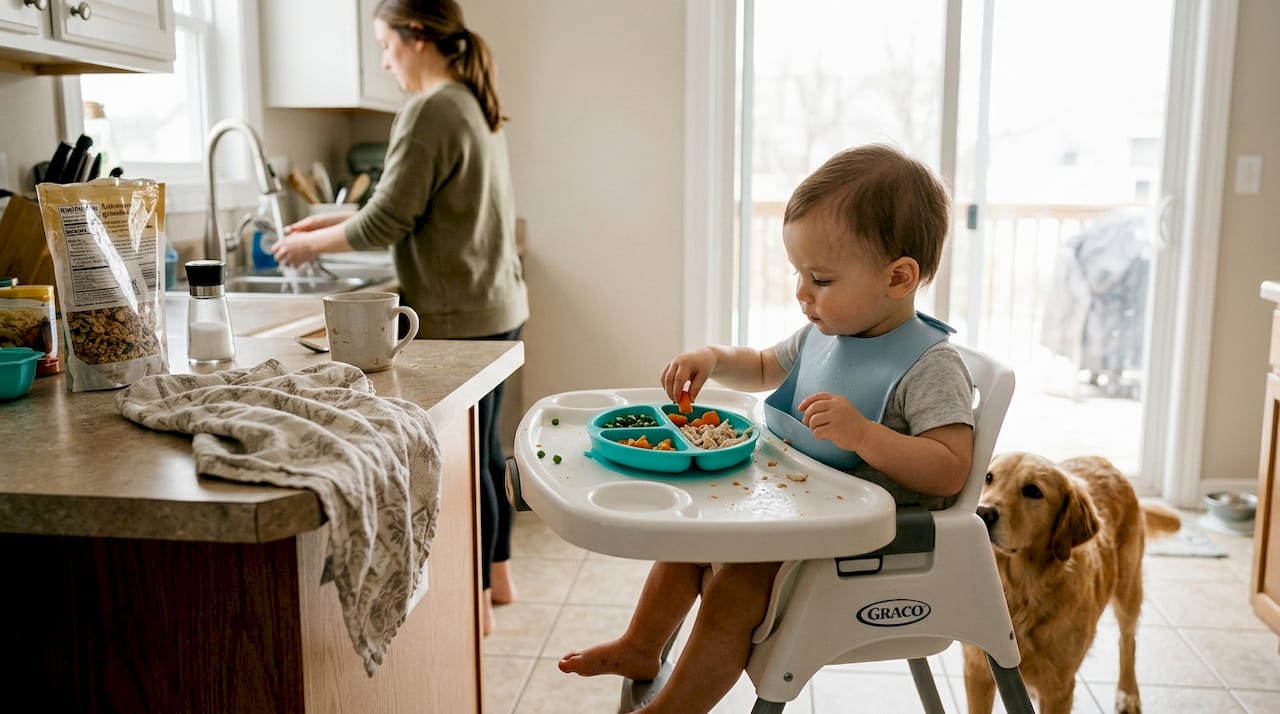
Silicone bowls with divided sections help portion control and food separation for picky eaters. Their flexible material makes food removal easy and prevents breakage when dropped. Silicone suction plates and bowls with integrated bibs provide comprehensive feeding sets that address multiple mess sources simultaneously.
Bibs with catch pockets create a safety net for dropped food. Traditional cloth bibs absorb liquids but let solids fall through. Modern silicone or coated fabric bibs feature rigid or semi-rigid pockets that actually catch and hold food, allowing you to return it to the plate or discard it easily. Full-coverage styles protect clothing from neck to lap.
Spill-proof cups use valve systems that release liquid only when sucked, preventing the catastrophic spills common with open cups. Weighted bases add stability, and handles support developing grip strength.
| Tool type | Key features | Best age range | Primary benefit |
|---|---|---|---|
| Suction plates | Vacuum base, divided sections | 6-18 months | Prevents dish throwing |
| Silicone bowls | Flexible, unbreakable, easy to clean | 8-24 months | Durability and safety |
| Catch-pocket bibs | Rigid pocket, full coverage | 6-36 months | Captures dropped food |
| Spill-proof cups | Valve system, weighted base | 9-24 months | Eliminates drink spills |
Each tool addresses specific mess sources. Suction plates handle the throwing phase. Bibs catch the dropping phase. Cups prevent liquid disasters. Combining multiple tools creates layered protection that adapts as your child’s abilities evolve.
Pro Tip: Start with a basic suction plate and catch-pocket bib combination before investing in complete sets. Test your child’s response to suction features, as some determined toddlers learn to break the seal. Once you identify what works for your family’s dynamics, expand your collection strategically.
The role of mess-free feeding in toddler development and hygiene
Mess-free feeding supports critical developmental milestones while maintaining hygiene standards that protect health. Between 6 and 18 months, children develop the pincer grasp, hand-eye coordination, and self-feeding motivation necessary for independent eating. Traditional messy feeding can frustrate this process when spills and dropped food create negative associations.
Stable, appropriately sized tools give toddlers confidence. Suction plates stay put while they practice scooping, allowing them to focus on motor skills rather than chasing moving dishes. Divided sections help them understand portion sizes and food categories. Easy-grip utensils designed for small hands reduce frustration and encourage persistence. Feeding sets designed for minimal mess support toddlers’ autonomy while protecting sensitive skin from prolonged food exposure.
The hygiene benefits are substantial. Food particles left on skin create breeding grounds for bacteria and yeast. Acidic foods like tomatoes and citrus can cause contact dermatitis when smeared and left on delicate baby skin. Dairy products spoil quickly in warm environments, increasing infection risk. Mess-free tools minimize these exposures by containing food and reducing skin contact time.
For caregivers, less mess means less aggressive scrubbing of baby skin, which preserves the skin barrier and prevents irritation. It also reduces the need for frequent clothing changes that expose babies to temperature fluctuations and disruption.
| Feeding tool type | Average cleanup time | Reported skin irritation incidents | Toddler frustration level |
|---|---|---|---|
| Traditional plates | 25-30 minutes | 15-20% of meals | High |
| Suction plates | 10-12 minutes | 5-8% of meals | Medium |
| Complete mess-free set | 5-8 minutes | 2-4% of meals | Low |
Best practices for safe, clean feeding routines include:
- Wash feeding tools immediately after use to prevent bacterial growth
- Check suction seals before each meal to ensure proper adhesion
- Position bibs to fully cover clothing and lap area
- Keep backup tools clean and ready for multi-meal days
- Inspect silicone products regularly for tears or degradation
- Transition tools gradually as developmental stages change
These practices create consistent routines that toddlers recognize and respond to positively, further reducing mealtime stress and mess.
Practical tips for implementing mess-free feeding at home
Successful mess-free feeding requires more than purchasing the right tools. Strategic implementation and consistent routines maximize effectiveness and family buy-in.
Follow this step-by-step introduction process:
- Start with one mess-free tool, typically a suction plate, to avoid overwhelming your toddler with changes
- Demonstrate the tool’s features during a calm moment before mealtime begins
- Allow your child to explore the new tool with dry snacks first
- Gradually introduce additional tools like bibs and cups over 2-3 weeks
- Maintain consistent placement and setup so your child knows what to expect
- Celebrate small wins when your child successfully uses the tools
- Adjust suction strength and positioning based on your child’s interaction patterns
Daily habits that support mess-free feeding include pre-meal preparation rituals. Set up the feeding area with all tools in place before bringing food. This prevents the scramble that leads to forgotten bibs or improperly secured plates. Lay a washable mat under the high chair to catch any escapes, making floor cleanup a simple matter of shaking out the mat.
Post-meal routines should involve your toddler when possible. Even young children can help wipe their own trays or carry their plates to the sink. This builds responsibility and makes cleanup feel like a natural conclusion to eating rather than a parent-only burden. Consistent use of mess-free feeding tools combined with simple routines significantly improves mealtime experience for families.
Pro Tip: Designate a specific feeding station in your home with all mess-free accessories stored nearby. Use a rolling cart or wall-mounted organizer to keep bibs, plates, cups, and cleaning supplies within arm’s reach. This setup eliminates the excuse of not using tools because they’re inconvenient to access and protects surrounding surfaces through strategic positioning.
Explore mess-free feeding essentials at Skin Styles
Transforming your family’s mealtime experience starts with the right tools designed for real-world use. Skin Styles offers carefully curated silicone baby feeding sets with bibs that combine durability, safety, and genuine mess reduction. These comprehensive sets include everything needed to implement the strategies covered in this guide, from suction plates to catch-pocket bibs.

Beyond feeding tools, maintaining skin health for both babies and caregivers matters. Our facial cleansers collection helps parents quickly refresh after messy mealtimes, while anti wrinkles skincare supports caregivers managing the physical demands of parenting. Visit our product pages to find solutions tailored to your family’s specific needs and start experiencing calmer, cleaner mealtimes today.
Frequently asked questions about mess-free feeding
What age is best to start mess-free feeding?
Introduce mess-free feeding tools around 6 months when babies begin eating solid foods. Starting early establishes positive habits before throwing and playing with food become ingrained behaviors. Suction plates work well for this age because they prevent the dish-flipping experimentation common in early self-feeding. As your child grows, transition to more advanced tools that match their developing motor skills and independence.
How do I clean mess-free feeding tools effectively?
Most quality mess-free feeding tools are dishwasher safe on the top rack, making cleanup effortless. For hand washing, use warm soapy water and a soft brush to reach divided sections and suction grooves. Rinse thoroughly and air dry completely before storing to prevent mold growth. Clean tools immediately after use rather than letting food dry and harden, which makes removal difficult and can harbor bacteria that cause skin irritation.
Can mess-free feeding tools help with my toddler’s sensitive skin?
Absolutely. Mess-free feeding tools minimize skin contact with food residues that commonly trigger irritation, rashes, and allergic reactions. By containing food and reducing spills, these tools limit how much acidic, sticky, or allergenic food touches your child’s face, hands, and body. Choose hypoallergenic, BPA-free silicone products that won’t leach chemicals or cause contact dermatitis. This approach enhances comfort and supports overall skin health during the vulnerable early feeding years.
Do suction plates work on all surfaces?
Suction plates perform best on smooth, non-porous surfaces like plastic high chair trays, glass tables, and laminate countertops. They struggle on textured, wooden, or fabric surfaces that prevent proper seal formation. Test the suction on your specific surface before mealtime to ensure it holds firmly. Some determined toddlers learn to break suction by lifting edges, so monitor initially and reposition as needed. Most quality suction plates provide strong enough adhesion to withstand typical toddler testing.
How long can I use mess-free feeding tools?
Most mess-free feeding tools remain useful from 6 months through 3 years, though specific products have optimal age ranges. Suction plates work best during the throwing phase, typically 6-18 months. Catch-pocket bibs serve well through age 3 or until your child masters utensil control. Spill-proof cups transition to regular cups around 18-24 months. Invest in quality tools that grow with your child rather than buying multiple sets, and replace items when they show wear, tears, or weakened suction.