

Most American families are surprised to learn that over 60 percent of adults still skip sunscreen on a regular basis. With skin cancer rates rising nationwide, understanding what sets mineral sunscreen apart is more vital than ever. Choosing the right sun protection means more than avoiding sunburn. This guide offers an inside look at how mineral sunscreens work, why they appeal to sensitive skin, and the scientific reasons so many American dermatologists recommend them.
Table of Contents
- What Is Mineral Sunscreen and How It Works
- Types of Mineral Sunscreens and Their Ingredients
- Benefits for Sensitive and Young Skin Types
- Comparing Mineral and Chemical Sunscreens
- Common Drawbacks and Application Mistakes
Key Takeaways
| Point | Details |
|---|---|
| Mineral Sunscreens Utilize Natural Ingredients | They contain zinc oxide and titanium dioxide, forming a physical barrier that immediately protects against UV radiation. |
| Ideal for Sensitive Skin | Mineral sunscreens are gentler and less likely to cause irritation, making them suitable for all ages, including infants. |
| Immediate Sun Protection | Unlike chemical sunscreens, they provide instant protection after application without the need for waiting time. |
| Common Application Mistakes | Users should apply sufficient product and reapply every two hours to ensure maximum sun protection effectiveness. |
What Is Mineral Sunscreen and How It Works
Mineral sunscreens represent a sophisticated and natural approach to protecting your skin from harmful ultraviolet radiation. Unlike chemical sunscreens, these formulations utilize mineral active ingredients like zinc oxide and titanium dioxide to provide comprehensive sun protection. When applied, these mineral compounds form a physical barrier on the skin’s surface, reflecting and scattering UV radiation and preventing it from penetrating deeper skin layers.
The core mechanism of mineral sunscreens involves their unique physical properties. Zinc oxide and titanium dioxide create a protective shield that acts like a microscopic mirror, bouncing ultraviolet rays away from your skin before they can cause damage. This means the sunscreen works immediately upon application, without requiring the 15-20 minute wait time associated with chemical sunscreen absorption. The broad-spectrum protection covers both UVA and UVB rays, which helps prevent sunburn, premature aging, and potential skin cancer risks.
Understanding the composition of mineral sunscreens reveals their natural advantage. These formulations are typically gentler on sensitive skin, making them an excellent choice for individuals with reactive or allergy-prone complexions. Key benefits include:
- Immediate sun protection after application
- Natural, non-irritating ingredients
- Broad-spectrum coverage against UVA and UVB rays
- Suitable for sensitive and acne-prone skin types
- Environmentally friendly formulation
Choosing a mineral sunscreen means selecting a scientifically advanced yet natural approach to skin protection. By understanding how these sunscreens work, you can make an informed decision about safeguarding your skin from potential sun damage while maintaining a healthy, radiant complexion.
Types of Mineral Sunscreens and Their Ingredients
Mineral sunscreens are distinguished by their primary active ingredients, which play a crucial role in protecting skin from harmful ultraviolet radiation. Zinc oxide and titanium dioxide are the two primary mineral compounds used in these advanced sun protection formulations. These natural minerals work by creating a physical barrier that reflects and scatters UV rays, providing comprehensive protection for different skin types and sensitivities.
The composition of mineral sunscreens typically includes a combination of active and inactive ingredients. An example of a comprehensive mineral sunscreen might include titanium dioxide as the active ingredient, complemented by inactive components like water, glycerin, and propylene glycol. Each ingredient serves a specific purpose, from providing sun protection to enhancing the product’s texture and skin feel. Manufacturers often develop specialized formulations tailored to different needs, such as:
- Zinc Oxide Sunscreens: Best for sensitive skin
- Titanium Dioxide Sunscreens: Excellent for daily protection
- Combination Mineral Sunscreens: Offering comprehensive UV coverage
Understanding the nuanced differences between mineral sunscreen types helps consumers select the most appropriate sun protection for their specific skin requirements. Whether you have sensitive skin, are looking for a natural protection option, or need broad-spectrum coverage, mineral sunscreens provide a scientifically advanced solution that prioritizes both skin health and environmental safety.
Benefits for Sensitive and Young Skin Types
Mineral sunscreens offer exceptional protection for individuals with delicate or reactive skin, making them an ideal choice for those with heightened sensitivity. Zinc oxide provides a gentle, non-irritating barrier that protects sensitive skin types, creating a protective shield without triggering allergic reactions or causing additional skin inflammation. This unique characteristic makes mineral sunscreens particularly beneficial for people prone to skin irritation, redness, or breakouts.

Mineral sunscreens are often recommended for babies, children, and individuals with acne-prone or sensitive skin conditions. The natural mineral ingredients create a physical barrier that sits on top of the skin, unlike chemical sunscreens that absorb into the skin’s deeper layers. This external protection mechanism reduces the likelihood of skin irritation and allergic responses, making mineral sunscreens a safer alternative for those with compromised skin barriers.
Key benefits for sensitive and young skin include:
- Immediate, broad-spectrum sun protection
- Minimal risk of skin irritation
- Hypoallergenic formulation
- Natural mineral ingredients
- Suitable for all age groups, including infants
Understanding the unique properties of mineral sunscreens helps consumers select the most appropriate skin protection for their specific skin needs. Whether protecting a baby’s delicate skin or managing a sensitive complexion, mineral sunscreens offer a scientifically backed solution that prioritizes skin health and comfort.
Comparing Mineral and Chemical Sunscreens
Mineral and chemical sunscreens represent two fundamentally different approaches to sun protection, each utilizing unique mechanisms to shield skin from harmful ultraviolet radiation. Chemical sunscreens work by absorbing UV rays and converting them into heat, while mineral sunscreens create a physical barrier that reflects and scatters radiation away from the skin. This core difference impacts their performance, skin feel, and potential health implications.
Unlike chemical sunscreen ingredients that can potentially penetrate the bloodstream, mineral-based sunscreens with zinc oxide and titanium dioxide are considered safer and more stable. The primary distinction lies in their interaction with skin: chemical filters absorb into the skin’s layers, potentially causing irritation, while mineral compounds remain on the surface, creating a protective shield that is less likely to trigger allergic reactions or skin sensitivities.
Key comparative features include:
-
Absorption Method:
- Chemical Sunscreens: Absorb UV rays internally
- Mineral Sunscreens: Reflect UV rays externally
-
Skin Interaction:
- Chemical Sunscreens: Penetrate skin layers
- Mineral Sunscreens: Remain on skin surface
-
Application Characteristics:
- Chemical Sunscreens: Often lighter, easier to spread
- Mineral Sunscreens: Can be slightly thicker, may leave a white cast
Understanding these differences helps consumers select the most appropriate sun protection for their specific skin type and lifestyle needs. While both types offer sun protection, mineral sunscreens provide a more natural, potentially safer alternative for those concerned about chemical absorption and skin sensitivity.
Common Drawbacks and Application Mistakes
Mineral sunscreens come with specific challenges that users should understand to maximize their sun protection effectiveness. One notable drawback is the potential for a white, chalky residue that can appear on the skin, which might be aesthetically unappealing for some individuals. Modern formulations have significantly improved this issue, developing more transparent and blendable mineral sunscreen options that minimize the traditional white cast.
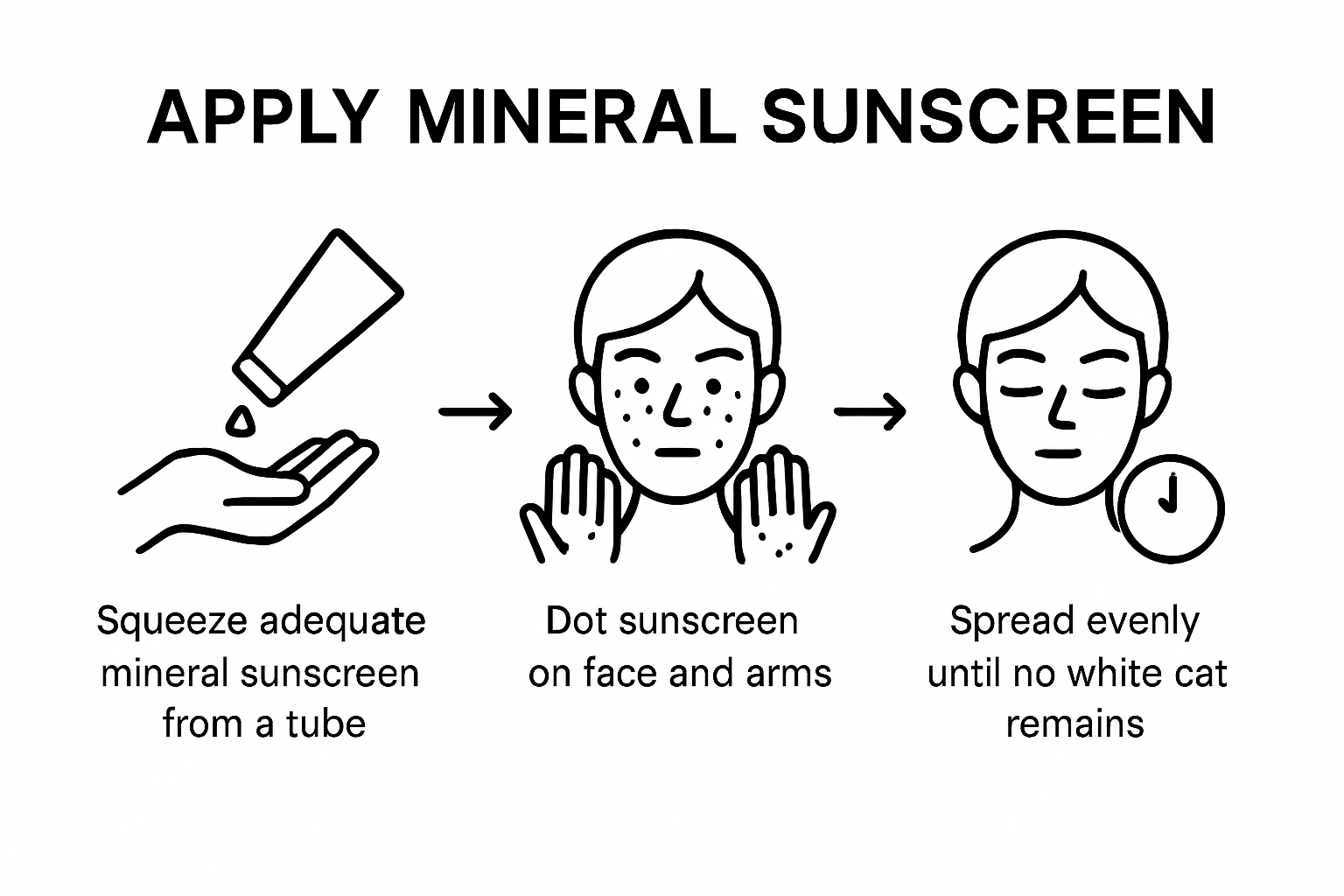
Proper sunscreen application is crucial for ensuring comprehensive skin protection, and users frequently make critical mistakes that compromise their defense against ultraviolet radiation. Common errors include applying insufficient product volume, missing key body areas, and not reapplying sunscreen at appropriate intervals. These mistakes can create significant gaps in sun protection, potentially leaving skin vulnerable to damage.
Key application mistakes and drawbacks to avoid:
-
Insufficient Coverage:
- Not using enough product
- Skipping hard-to-reach areas
- Uneven application
-
Mineral Sunscreen Specific Issues:
- Potential white residue
- Thicker consistency
- May require more thorough blending
-
Reapplication Neglect:
- Forgetting to reapply every 2 hours
- Not reapplying after swimming or sweating
- Assuming initial application provides all-day protection
Understanding these challenges helps consumers develop more effective sun protection strategies. By addressing these common drawbacks and application mistakes, individuals can optimize their mineral sunscreen usage and maintain better skin health and protection.
Discover Safer Sun Protection with Mineral Sunscreens
If you are seeking reliable and gentle sun protection that works immediately without the risks of chemical absorption, mineral sunscreens offer a natural and effective solution. This article unpacks key benefits like broad-spectrum coverage and suitability for sensitive skin, which makes them perfect for everyone from infants to adults. But choosing the right mineral sunscreen and applying it correctly can be challenging, especially if you want to avoid common issues like white residue or skin irritation.

Explore our carefully curated skincare products at Skin-Styles.com where you can find mineral sunscreens formulated to provide gentle, broad-spectrum protection tailored to sensitive and young skin. Now is the time to prioritize your skin’s safety and comfort with scientifically backed options. Visit Skin-Styles.com to browse products designed to help you apply sun protection correctly and confidently. Take control of your skin health today and experience the benefits of safe, effective mineral sunscreen.
Frequently Asked Questions
What is mineral sunscreen and how does it work?
Mineral sunscreen contains active ingredients like zinc oxide and titanium dioxide, which form a physical barrier on the skin to reflect and scatter UV radiation, providing immediate sun protection.
How does mineral sunscreen differ from chemical sunscreen?
Mineral sunscreen reflects UV rays off the skin’s surface, while chemical sunscreen absorbs UV rays and converts them into heat. This key difference affects their application, performance, and potential skin reactions.
Can mineral sunscreen be used on sensitive skin?
Yes, mineral sunscreen is often recommended for sensitive skin because it contains gentle, non-irritating ingredients that create a protective barrier without penetrating deeper skin layers.
What are common application mistakes when using mineral sunscreen?
Common mistakes include applying insufficient product, skipping hard-to-reach areas, not reapplying every two hours, and assuming that the initial application provides all-day protection.