

Every parent knows the struggle of chasing after bowls and plates during toddler mealtimes, especially in tight city kitchens. Cleanliness and safety are top priorities when every spill means more cleanup and potential mess in your urban apartment. A suction mat for toddlers offers a stable feeding surface that stays securely in place, helping reduce food spills and support hygienic, independent eating. Discover how these practical tools add peace of mind and cut down daily chaos in your modern home.
Table of Contents
- Defining Suction Mats For Toddlers
- Types Of Suction Mats And Their Uses
- How Suction Mats Promote Hygiene And Safety
- Key Features And Correct Usage Guidelines
- Comparing Suction Mats To Traditional Placemats
Key Takeaways
| Point | Details |
|---|---|
| Suction Mats Enhance Mealtime Cleanliness | Suction mats provide a stable eating surface, reducing spills and mess during toddler meals. |
| Materials Matter | Different materials like silicone, bamboo, and plastic composites offer various benefits; choose based on durability, hygiene, and environmental impact. |
| Safety and Hygiene Benefits | These mats help prevent food contamination and reduce risks of tipping, enhancing your toddler’s mealtime safety. |
| Create a Complete Feeding System | Pair suction mats with appropriate utensils to promote independence and make mealtimes less stressful for parents. |
Defining Suction Mats for Toddlers
A suction mat for toddlers is a specialized feeding tool designed to transform mealtimes into a cleaner, more manageable experience. These mats feature a flexible silicone base that adheres firmly to dining surfaces like high chair trays or kitchen tables. The strong suction grip prevents bowls, plates, and food from sliding or tipping over, which means fewer messes on your floor and less frustration during feeding time.
What makes suction mats genuinely different from regular placemats is how they work. Made from food-grade silicone, these mats create a seal that keeps eating surfaces stable as your toddler learns to self-feed. The design includes a protective silicone lip that acts as a barrier, helping your little one practice raking and scooping food safely while building early feeding skills. Think of it as giving your toddler a stable platform to explore food independently without sending everything flying across the room.
These mats come in various designs and colors suitable for different age groups, but they all share the same core purpose: making independent eating safer and cleaner. Key features you’ll encounter include:
- Suction-cup bottom that grips firmly to smooth surfaces without damaging tables
- Durable silicone construction that withstands daily use and repeated washing
- Easy cleaning through simple hand washing or dishwasher cycles
- Child-friendly materials free from harmful chemicals or toxins
- Lightweight design that’s portable for meals on the go
Suction mats reduce food spills significantly while encouraging toddlers to develop self-feeding independence without constant parental intervention.
When you’re managing a toddler’s messy eating phase, suction mats represent a practical investment in cleanliness and safety. Unlike traditional placemats or trays, suction-based feeding tools provide that essential stability that prevents the daily chaos of dropped bowls and scattered food. They’re particularly valuable in urban apartments or smaller kitchens where spills directly impact your flooring and cleanup time.
The beauty of understanding what suction mats actually do helps you see them as more than just a novelty product. They’re engineered solutions to a real problem parents face during the messy, wonderful stage of teaching children to eat independently. Whether your toddler is just beginning self-feeding or already passionate about exploring food textures, these mats create the stable foundation they need to develop eating skills with confidence.
For parents setting up a functional feeding station, pairing suction mats with other safe utensil choices creates a complete mealtime system that prioritizes both your child’s development and your sanity during cleanup time.
Pro tip: Test the suction seal on your specific table or tray surface before the first meal—some glossy finishes may require a damp cloth underneath to create the strongest grip.
Types of Suction Mats and Their Uses
Suction mats come in several varieties, each designed to solve different feeding challenges and suit various toddler preferences. Understanding the differences helps you choose the right option for your child’s developmental stage and your household’s needs. The main distinction comes down to material composition, design features, and how each type functions during mealtimes.
Silicone suction mats are the most popular choice among parents, and for good reason. These mats feature a strong, flexible silicone base that creates a reliable grip on high chair trays and table surfaces. Silicone’s durability means it withstands countless meals, dishwasher cycles, and the occasional throw-across-the-room incident without losing its suction strength. The material is food-grade certified, making it completely safe for your toddler to mouth and chew. Silicone mats are easy to clean, naturally antimicrobial, and come in virtually any color your kitchen can handle.
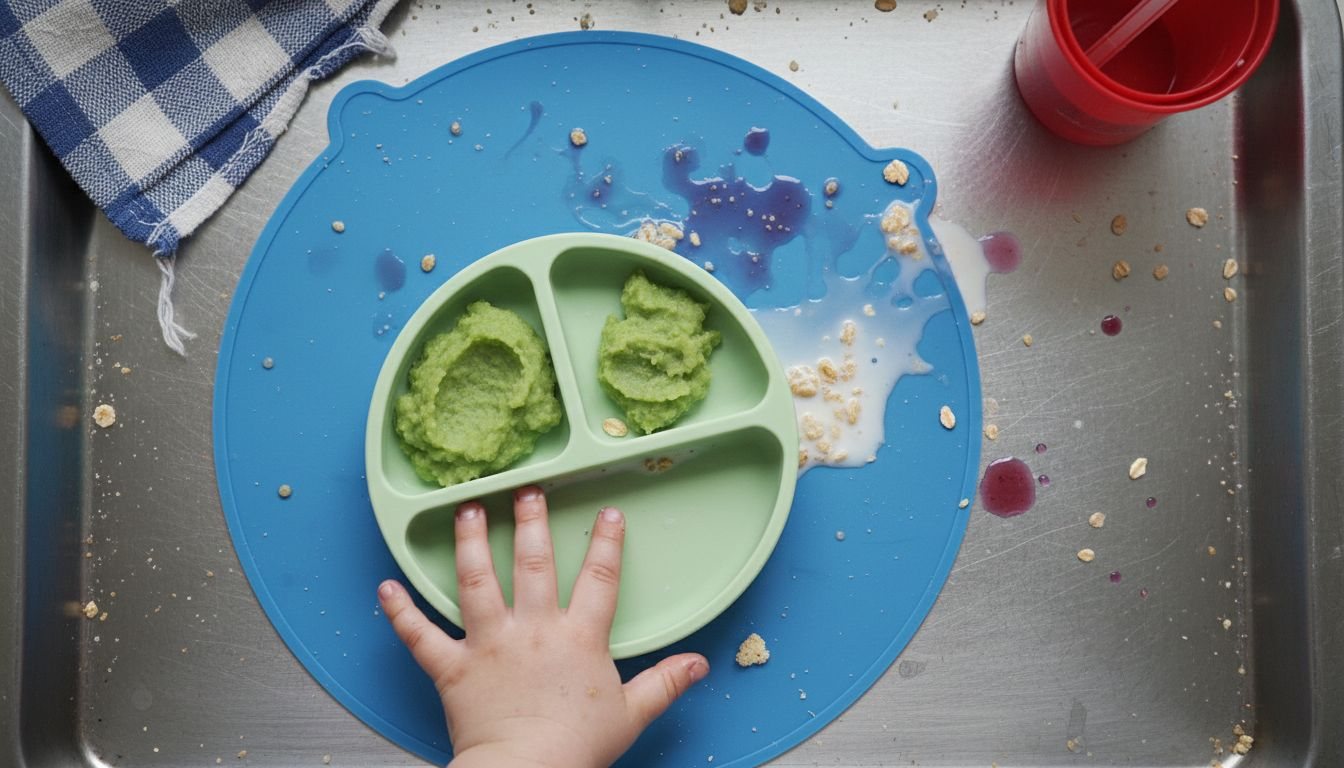
Bamboo suction bowls represent an eco-conscious alternative for environmentally minded parents. These products combine sustainable bamboo material with silicone suction bases, offering the best of both worlds. The bamboo portion provides a naturally beautiful aesthetic and slight grip texture, while the silicone base delivers the stability your toddler needs. If you’re committed to reducing plastic in your home, bamboo options feel like a meaningful step without sacrificing functionality.
Plastic composite suction mats appeal to budget-conscious families seeking affordable feeding solutions. These options typically cost less than silicone or bamboo alternatives while still providing adequate suction and stability. However, plastic composites may not last as long through repeated use and temperature exposure, and some parents prefer avoiding plastic that might degrade over time. They work well as backup mats or for travel situations where durability matters less than portability.
To help you select the most suitable suction mat, here’s a summary of material types and their unique advantages:
| Material Type | Durability | Hygiene Benefits | Environmental Impact |
|---|---|---|---|
| Silicone | Lasts several years | Naturally antimicrobial, easy to sanitize | Moderately eco-friendly |
| Bamboo | Long-lasting with proper care | Less porous than fabric, easy to clean | Highly sustainable and biodegradable |
| Plastic Composite | Short lifespan, may degrade | Basic hygiene, some stain risk | Lower sustainability, recyclable in some cases |
Beyond material type, suction plates designed for toddlers often feature divided sections to help with portion control and meal organization. Some have three compartments for protein, vegetables, and grains. Others offer two larger sections for main courses and sides. These divided designs encourage balanced eating and make cleanup easier by preventing different foods from mixing together.
Here’s how different types typically function:
- Standard flat mats work best for bowl placement and general spill prevention on any surface
- Compartmentalized plates suit toddlers eating varied foods who benefit from organized meal presentation
- Mats with raised edges provide additional barriers for foods that roll or slide easily
- Portable mini mats travel well for restaurant visits and family outings
- Bowl-and-mat combos offer integrated feeding solutions for maximum stability
Different suction mat types serve different purposes—choose based on your toddler’s eating stage, your kitchen setup, and whether you prioritize eco-friendly materials or budget-friendly options.
The choice between these types ultimately depends on your specific situation. Urban apartment dwellers with limited storage might prefer compact, portable silicone mats. Parents committed to sustainable living may invest in bamboo alternatives despite the higher price. Families juggling multiple kids might keep both durable silicone mats for daily use and more affordable plastic backups for emergencies.
Consider your toddler’s current eating stage when selecting a type. Babies just beginning self-feeding benefit from simple, flat mats that stay out of the way. Toddlers navigating multiple food types gain confidence with compartmentalized feeding designs that organize their plate visually. Older toddlers approaching preschool age might appreciate fun designs or characters that make mealtime more engaging.
Here’s a quick reference for matching suction mat types to toddler eating stages:
| Toddler Stage | Recommended Suction Mat | Benefits |
|---|---|---|
| Beginner Self-Feeder | Simple flat silicone mat | Encourages initial independence, minimizes mess |
| Exploring Multiple Foods | Divided silicone plate | Promotes balanced eating, helps portion control |
| Frequent Travel | Portable mini mat | Convenient for outings, easy to pack |
| Eco-Friendly Household | Bamboo bowl with silicone base | Reduces plastic use, maintains stability |
Most suction mats, regardless of type, share common uses: stabilizing bowls and plates during independent eating, reducing spills on your floors and furniture, teaching portion awareness through divided sections, and enabling mess-free travel to restaurants or family gatherings. The material and design you choose simply determines how well each mat accomplishes these goals in your specific household.
Pro tip: Keep one type of mat at home for daily meals and a different, lighter-weight type in your diaper bag for meals outside the house—this prevents the stress of forgetting your mat while dining out.
How Suction Mats Promote Hygiene and Safety
Suction mats do far more than keep your kitchen floor clean—they actively protect your toddler’s health during meals. The stability these mats provide creates a controlled eating environment where contamination risks drop significantly. When bowls and plates stay firmly anchored to the table, they cannot slide into germy corners, fall onto potentially contaminated floors, or spill across surfaces where bacteria can thrive.
The hygiene advantage starts with the materials themselves. Most quality suction mats are made from 100% food-grade silicone that naturally resists bacterial growth and remains non-porous, meaning germs cannot hide in microscopic cracks or crevices. Unlike fabric placemats or wooden serving boards that harbor bacteria, silicone prevents contamination from spreading between meals. These mats are typically BPA-free and non-toxic, making them completely safe for your child to touch and occasionally mouth. When you wash your suction mat in the dishwasher, the heat cycle sanitizes it thoroughly, unlike items that can only handle hand washing.
Beyond material safety, food-grade silicone surfaces keep meals from sliding into questionable spaces. Your toddler’s bowl stays exactly where you placed it, not migrating toward table edges or accumulating dust from contact with various surfaces. This containment dramatically reduces the pathways for contamination. Food stays on the mat, preventing cross-contact with your dining table, your toddler’s hands picking up random particles, or exposure to whatever spill happened during the previous meal.
Safety concerns extend beyond germs to physical hazards. Stable feeding surfaces prevent tipping incidents that could cause burns from hot food or liquids, injuries from shattered dishes, or choking risks when your toddler gets startled by a tumbling bowl. When your child concentrates on eating with a secure mat beneath their meal, they focus better on chewing and swallowing rather than frantically grabbing at a sliding plate. This enhanced focus reduces choking hazards by encouraging slower, more intentional eating patterns.
Here’s how suction mats specifically enhance mealtime safety:
- Prevent bowl tipping that could cause burns from warm foods or soups
- Eliminate sliding plates that distract toddlers during eating
- Resist bacterial colonization through non-porous silicone construction
- Withstand high-temperature dishwasher cycles for thorough sanitization
- Stay firmly attached even when your toddler reaches, grabs, or pulls at their meal
- Create consistent placement so your child knows exactly where their food is located
Suction mats combine hygiene and safety by keeping meals stationary, preventing contamination from environmental contact, and reducing the choking risks that come from unstable feeding surfaces.
Parents in urban environments particularly appreciate this containment benefit. Apartment living means close quarters where germs spread quickly between family members. A contained meal on a secure suction mat limits how far food debris travels, reducing cleanup time and cross-contamination during illness. Your toddler cannot accidentally brush their plate onto the floor where your pet just walked or where crumbs from yesterday’s snack still lurk.
Temperature safety deserves attention too. Soups, warm porridge, and heated baby foods pose burn risks when containers tip unexpectedly. A securely attached bowl with a proper suction attachment prevents tipping that could splash hot liquid on your toddler’s hands, face, or chest. This single safety feature alone justifies the investment for any parent serving warmed foods.
The psychological safety component matters equally. When your toddler realizes their meal stays where they place it, mealtimes feel less chaotic. They develop confidence in independent eating because they’re not constantly chasing a wandering plate. This confidence leads to better eating habits, less frustration, and meals that actually develop feeding skills rather than devolving into frustration-filled chaos.
Pro tip: Pair your suction mat with a matching plate or bowl to maximize the grip and create a unified system—the better contact between surfaces, the stronger the suction seal and the greater the safety benefit.
Key Features and Correct Usage Guidelines
Understanding the specific features of suction mats and how to use them correctly transforms them from novelty items into reliable feeding tools. Quality suction mats share certain characteristics that make them effective, while proper usage ensures they deliver maximum benefit and longevity. Getting both elements right means mealtimes run smoothly and your investment actually solves the problems you bought it to address.
The most important functional feature is the suction base itself. Made from food-grade silicone, this base creates an airtight seal with smooth, flat surfaces when properly applied. The suction strength determines how firmly the mat stays attached when your toddler tugs, pushes, or accidentally kicks at their meal. Beyond the suction mechanism, quality mats feature raised edge designs that contain spills and prevent food from sliding off onto your floor. Some mats include divided compartments that separate different foods, helping with portion control and teaching meal organization. Easy-to-clean surfaces matter tremendously for busy parents—silicone’s non-porous nature means food residue wipes away quickly without stubborn stains or odor absorption.
Many suction mat designs now include eco-friendly material options and enhanced portability features. Some are microwave safe for warming foods directly, dishwasher safe for convenient cleaning, and occasionally even oven safe for more versatile meal preparation. The best mats feel sturdy without being rigid, flexible enough to be rolled up for travel but firm enough to maintain their shape during use.
Correct usage starts with surface selection. Your suction mat must attach to smooth, flat, clean surfaces to create an effective seal. High chair trays work perfectly. Wooden tables, laminated surfaces, and most kitchen tables provide adequate grip. Textured surfaces, outdoor picnic tables, or fabric tablecloths will not generate sufficient suction. Before attaching your mat, wipe the surface with a damp cloth to remove dust or crumbs that prevent a tight seal.
Here’s the proper usage sequence:
- Clean the surface where you’ll place the mat—remove dust, crumbs, or sticky residue
- Position the mat on the clean surface in your desired location
- Press down firmly across the entire suction base, using your palm to apply even pressure
- Test the seal by gently tugging the mat to confirm it’s holding securely
- Place food and utensils on the mat once you’re confident in the attachment
- Supervise your toddler throughout the meal to ensure safe eating
- Remove immediately after the meal and begin cleaning
Cleaning is straightforward but essential for longevity. After each meal, rinse your mat with warm water and mild soap to remove food residue. Most silicone mats handle dishwasher cycles beautifully—the heat actually enhances hygiene by sanitizing thoroughly. For stubborn dried food, let the mat soak briefly before scrubbing. Avoid abrasive scouring pads that can scratch the surface. Dry completely before storing to prevent moisture accumulation.
Proper suction mat usage depends on three factors: smooth surface attachment, thorough cleaning after meals, and consistent supervision during eating—neglecting any of these reduces effectiveness.
Safety guidelines require checking your mat before each use. Look for any tears, thin spots, or degradation in the silicone that might compromise suction or food safety. If your mat has seen heavy use for several years, replacement is worth considering since silicone can gradually lose elasticity. Never force a mat onto an unsuitable surface or ignore signs that the seal is weakening.
Knowing when your toddler has outgrown the mat matters too. As children develop better motor control and eating skills, usually around age three or four, the need for suction stability decreases. At that point, transitioning to regular dishes encourages continued independence. Some parents keep suction mats as backup options for particularly messy meals or transition periods.
For urban apartment living, the portability features become especially valuable. Lightweight mats roll up compactly for restaurant visits or family gatherings. Keeping a travel-sized mat in your diaper bag eliminates the stress of restaurant floors and unknown surface hygiene. The convenience factor shouldn’t be underestimated—families who stick with their suction mats see consistent benefits because they actually use them consistently.
Pro tip: Keep your suction mat attached to your high chair tray between meals rather than storing it separately—this ensures it’s always ready and eliminates the fumbling of reattaching it when your toddler is already hungry and impatient.
Comparing Suction Mats to Traditional Placemats
The difference between suction mats and traditional placemats becomes glaringly obvious during your toddler’s first messy meal. Traditional placemats—whether fabric, plastic, or paper—simply sit on the table surface with no mechanism to keep them anchored. Your child tugs the corner, it slides across the tray, and everything tumbles onto your lap or the floor. Suction mats solve this problem by actually adhering to the surface, creating a stable feeding zone that stays exactly where you place it. This fundamental difference transforms not just your cleanup routine but your entire mealtime experience.
Traditional placemats have been around for decades because they’re cheap and convenient. A basic fabric or plastic mat costs next to nothing, rolls up easily, and requires minimal storage space. However, convenience comes with serious trade-offs. Fabric mats absorb food, spills, and sauces, becoming breeding grounds for bacteria despite regular washing. Plastic placemats can crack or warp under heat exposure. Paper placemats are genuinely disposable but generate waste. Most critically, traditional mats cannot prevent movement—they shift with every reach, grab, or accidental kick, creating the exact chaos you’re trying to avoid during mealtimes.
Suction mats address every limitation of traditional options. Made from food-grade silicone, they create an airtight seal with smooth surfaces that prevents any sliding or shifting. Your toddler can tug, push, or throw their plate at the mat without dislodging it. The secure attachment means suction mats prevent dishes from moving during eating, eliminating the constant vigilance required with traditional mats. Silicone’s non-porous surface resists staining and bacterial colonization far better than fabric. One quick dishwasher cycle sanitizes it completely, unlike fabric mats that need careful hand washing and may harbor odors.
Beyond material differences, design features set suction mats apart. Traditional placemats are flat surfaces—that’s it. Suction mats often include raised edge barriers that contain spills within defined boundaries. Many feature divided compartments that separate foods, teach portion control, and prevent mixed flavors from discouraging adventurous eaters. These design elements actively support your toddler’s eating development in ways traditional mats simply cannot match.
Here’s how the two options compare functionally:
| Feature | Traditional Placemats | Suction Mats |
|---|---|---|
| Movement prevention | Slides easily | Stays firmly attached |
| Hygiene | Absorbs stains and bacteria | Non-porous, easy to sanitize |
| Design features | Flat surface only | Raised edges, compartments |
| Cleanup time | 5-10 minutes per mat | 2-3 minutes per mat |
| Durability | 1-2 years typical | 3-5 years typical |
| Cost | $5-15 per mat | $15-35 per mat |
| Dishwasher safe | Sometimes problematic | Reliably safe |
| Travel friendly | Easy to pack | Lightweight, rolls up |
For busy urban parents, the practical advantages of suction mats become impossible to ignore. Traditional mats require constant repositioning during meals—annoying when you’re trying to eat your own food. Suction mats eliminate this distraction completely. Your setup time drops significantly because you’re not adjusting a sliding mat every thirty seconds.
Suction mats represent a meaningful investment upgrade over traditional placemats, offering superior stability, easier cleaning, and design features that actively support your toddler’s developing independence.
Cost considerations matter, though. A single quality suction mat costs more than several traditional placemats. However, the durability calculation shifts the economics. A suction mat lasting four years outperforms fabric mats requiring replacement every one to two years. When you factor in time savings from easier cleanup and reduced stress from preventing constant spills, the premium price becomes justifiable for most urban families managing tight schedules.
The psychological benefit shouldn’t be underestimated either. When your toddler realizes their meal stays exactly where they placed it, mealtimes become less chaotic. They build confidence in independent eating because they’re not constantly chasing a wandering plate. This confidence compounds over weeks and months, creating genuinely better eating habits and smoother transitions to regular dishes.
Traditional placemats still have a place—they work fine for older kids with better motor control who don’t need stabilization assistance. For babies and younger toddlers, though, suction mats deliver substantially better results across every meaningful dimension: safety, hygiene, convenience, and child development.
Pro tip: Try a single suction mat first to confirm it works with your specific high chair tray surface before investing in multiple mats—some glossy finishes require a slightly damp surface to achieve optimal suction grip.
Keep Your Toddler’s Mealtimes Clean and Safe with Smart Solutions
The challenge of maintaining clean and safe mealtimes for toddlers can be overwhelming. Suction mats offer a practical way to reduce spills, prevent tipping, and promote independent feeding with confidence. Parents who want to create a hygienic, stable eating environment recognize the importance of using food-grade silicone mats that firmly attach to dining surfaces and stay put throughout each meal. These tools support your child’s development while saving you from costly cleanup and mealtime frustration.

Discover convenient toddler feeding products that combine safety and ease of use at Skin-Styles.com. With thoughtfully designed materials that resist bacteria and provide strong suction grip, you can finally enjoy more peaceful family meals without the stress of constant messes. Take the next step to upgrade your child’s feeding routine now and enjoy the confidence that comes with a safer, cleaner eating space. Browse our selection today at Skin-Styles.com and find the perfect suction mat and feeding accessories that meet your needs.
Frequently Asked Questions
What is a suction mat for toddlers?
A suction mat for toddlers is a specialized feeding tool made from flexible silicone that adheres to smooth surfaces such as high chair trays, preventing bowls and plates from sliding or tipping over during mealtimes.
How do suction mats promote hygiene and safety for toddlers?
Suction mats create a stable eating environment, reducing the risk of contamination by keeping food in one place. Made from food-grade silicone, they resist bacterial growth and are easy to sanitize, greatly enhancing mealtime safety.
What types of suction mats are available for toddlers?
There are various types of suction mats, including silicone mats, bamboo suction bowls, and plastic composite options. Silicone mats are popular for their durability and easy cleaning, while bamboo versions offer eco-friendly benefits, and plastic composites are budget-friendly alternatives.
How should I properly use and maintain a suction mat?
To use a suction mat effectively, ensure the surface is clean and smooth before pressing down firmly to create a seal. After each meal, rinse the mat with warm water and mild soap, or place it in the dishwasher for thorough sanitization. Regularly check for wear and tear to ensure safety.