

Over 70 percent of american adults report that skin quality directly affects their confidence every day. With so many options flooding store shelves, it is easy to feel lost about which products genuinely deliver results. Vitamin C serum stands out thanks to its proven ability to support brighter, firmer, and healthier skin. Discover how this powerful treatment can reshape your skincare routine and help you make informed choices for lasting benefits.
Table of Contents
- Vitamin C Serum: Main Benefits And Definition
- Types Of Vitamin C Serums Explained
- How Vitamin C Serum Improves Skin Health
- Application Methods And Visible Results
- Potential Side Effects And Safety Tips
- Comparing Vitamin C Serum To Alternatives
Key Takeaways
| Point | Details |
|---|---|
| Vitamin C Serum Benefits | Provides antioxidant protection, stimulates collagen production, reduces signs of aging, and brightens the complexion. |
| Types of Vitamin C Serums | Includes L-Ascorbic Acid and Sodium Ascorbyl Phosphate, catering to different skin types and concerns. |
| Application Guidelines | Apply after cleansing, use 3-4 drops, and combine with moisturizer and sunscreen for best results. |
| Safety and Side Effects | Monitor for skin irritation and start with lower concentrations, gradually increasing as needed. |
Vitamin C Serum: Main Benefits and Definition
A Vitamin C serum is a potent topical skincare treatment designed to deliver concentrated antioxidant protection directly to your skin. According to Cleveland Clinic, this specialized product offers multiple benefits by providing a direct pathway for vitamin C to interact with and enhance skin health.
The primary benefits of vitamin C serum include powerful antioxidant protection against environmental damage. As Medical News Today explains, these serums protect skin from harmful free radical damage while simultaneously stimulating critical collagen production. This dual-action approach helps prevent premature aging and maintains skin’s structural integrity.
Specifically, vitamin C serums deliver remarkable advantages for skin appearance and health:
- Reduces Signs of Aging: Stimulates collagen production
- Prevents Hyperpigmentation: Helps create a more even skin tone
- Brightens Complexion: Promotes natural radiance
- Provides Antioxidant Protection: Defends against environmental stressors
For those seeking comprehensive skincare, understanding how to choose the right serum can make a significant difference in achieving optimal skin health and appearance.
Types of Vitamin C Serums Explained
Vitamin C serums come in various formulations, each designed to address specific skincare needs and concerns. Understanding the different types can help you select the most appropriate product for your individual skin requirements. Manufacturers typically create these serums using different vitamin C derivatives, each with unique properties and penetration capabilities.
The primary types of vitamin C serums include:
- L-Ascorbic Acid: The purest and most potent form of vitamin C
- Sodium Ascorbyl Phosphate: More stable and gentle, ideal for sensitive skin
For those wanting to explore skincare solutions in more depth, our guide to serums in skincare offers comprehensive insights into how these treatments work and their potential benefits.
When selecting a vitamin C serum, consider factors like skin type, concentration, and additional ingredients. Magnesium Ascorbyl Phosphate works well for dry or sensitive skin, while Tetrahexyldecyl Ascorbate provides excellent penetration for those seeking deep antioxidant protection. Some serums combine multiple vitamin C derivatives to maximize effectiveness and minimize potential irritation.
The concentration of vitamin C is critical in determining a serum’s performance. Most effective formulations range between 10% to 20% vitamin C, striking a balance between potency and skin tolerance. Professional skincare experts recommend starting with lower concentrations and gradually increasing to allow your skin to adapt to this powerful ingredient.
How Vitamin C Serum Improves Skin Health
Vitamin C serum is a powerful skincare solution that dramatically enhances overall skin health through multiple targeted mechanisms. According to Cleveland Clinic, this topical treatment provides comprehensive protection and regeneration for your skin by addressing several critical health concerns simultaneously.
The primary ways vitamin C serum improves skin health include:
- Antioxidant Protection: Neutralizes harmful free radicals
- Collagen Stimulation: Supports skin’s structural integrity
- Hyperpigmentation Reduction: Creates more even skin tone
- UV Damage Prevention: Minimizes environmental skin stress
As Medical News Today explains, topical vitamin C works by creating a protective barrier that shields skin from environmental damage while simultaneously promoting internal healing processes. The serum’s unique molecular structure allows it to penetrate deep into skin layers, triggering cellular repair and regeneration mechanisms that combat premature aging.
To maximize these benefits, skincare professionals recommend selecting a high-quality vitamin C serum and incorporating it consistently into your daily routine. For those interested in understanding how to choose the perfect serum for optimal skin results, additional guidance is available to help you make an informed decision about your skincare regimen.
Application Methods and Visible Results
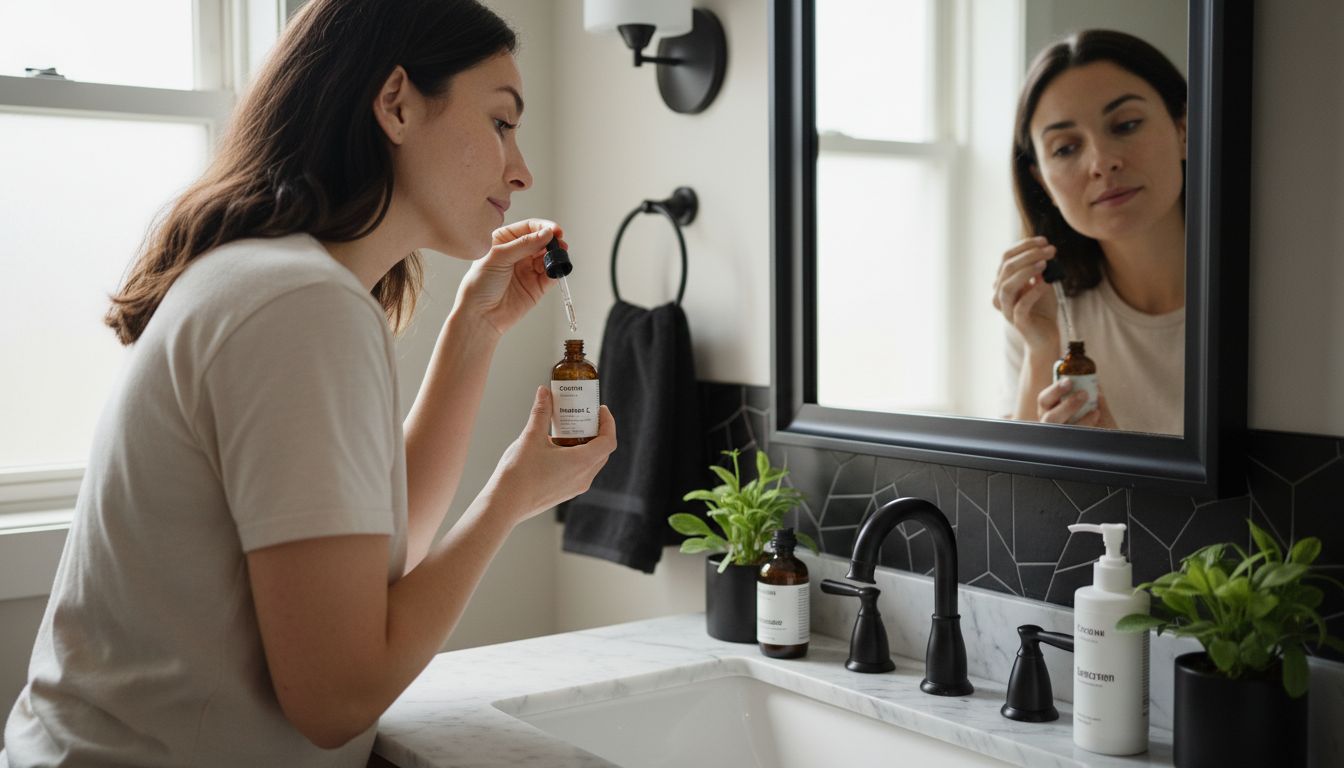
Vitamin C serum application requires precision and consistency to achieve optimal skincare results. According to Cleveland Clinic, the recommended approach involves applying the serum after cleansing, preferably during morning skincare routines to complement existing sun protection strategies.
The step-by-step application process includes:
- Cleanse skin thoroughly
- Pat dry with a clean towel
- Apply 3-4 drops of serum
- Gently massage into skin using upward motions
- Follow with moisturizer and sunscreen
As Medical News Today explains, visible improvements require patience and consistent application. Most individuals start noticing meaningful skin transformations after 3-6 months of regular use. Skin changes typically manifest as:
- Increased radiance
- More even skin tone
- Reduced fine lines
- Improved overall skin texture
For those seeking additional guidance on creating an effective skincare routine, our expert guide to choosing the perfect serum offers comprehensive insights into maximizing your skincare investment.
Potential Side Effects and Safety Tips
Vitamin C serum can produce potential side effects that users should carefully monitor. According to Cleveland Clinic, individuals with sensitive skin should exercise extra caution and start with lower concentration formulations to minimize adverse reactions.
Common side effects and warning signs include:
- Skin Irritation: Redness, itching, or burning sensations
- Dryness: Potential excessive skin dehydration
- Allergic Reactions: Unexpected skin inflammation
- Sensitivity: Increased reactivity to environmental factors
As Medical News Today explains, persistent side effects require immediate discontinuation and professional medical consultation. Safety recommendations for first-time users involve:
- Perform a patch test before full application
- Start with lowest concentration (5-10%)
- Apply small amount to test area
- Wait 24 hours to observe skin reaction
- Gradually increase frequency and concentration
For those seeking additional skincare guidance, our expert guide to choosing the perfect serum provides comprehensive insights into selecting the most suitable vitamin C product for your unique skin needs.
Comparing Vitamin C Serum to Alternatives
Vitamin C serum represents a targeted skincare solution with unique properties that distinguish it from other topical treatments. According to Cleveland Clinic, while vitamin C serum offers exceptional antioxidant protection, it should not be viewed as a complete replacement for other skincare products like sunscreen.
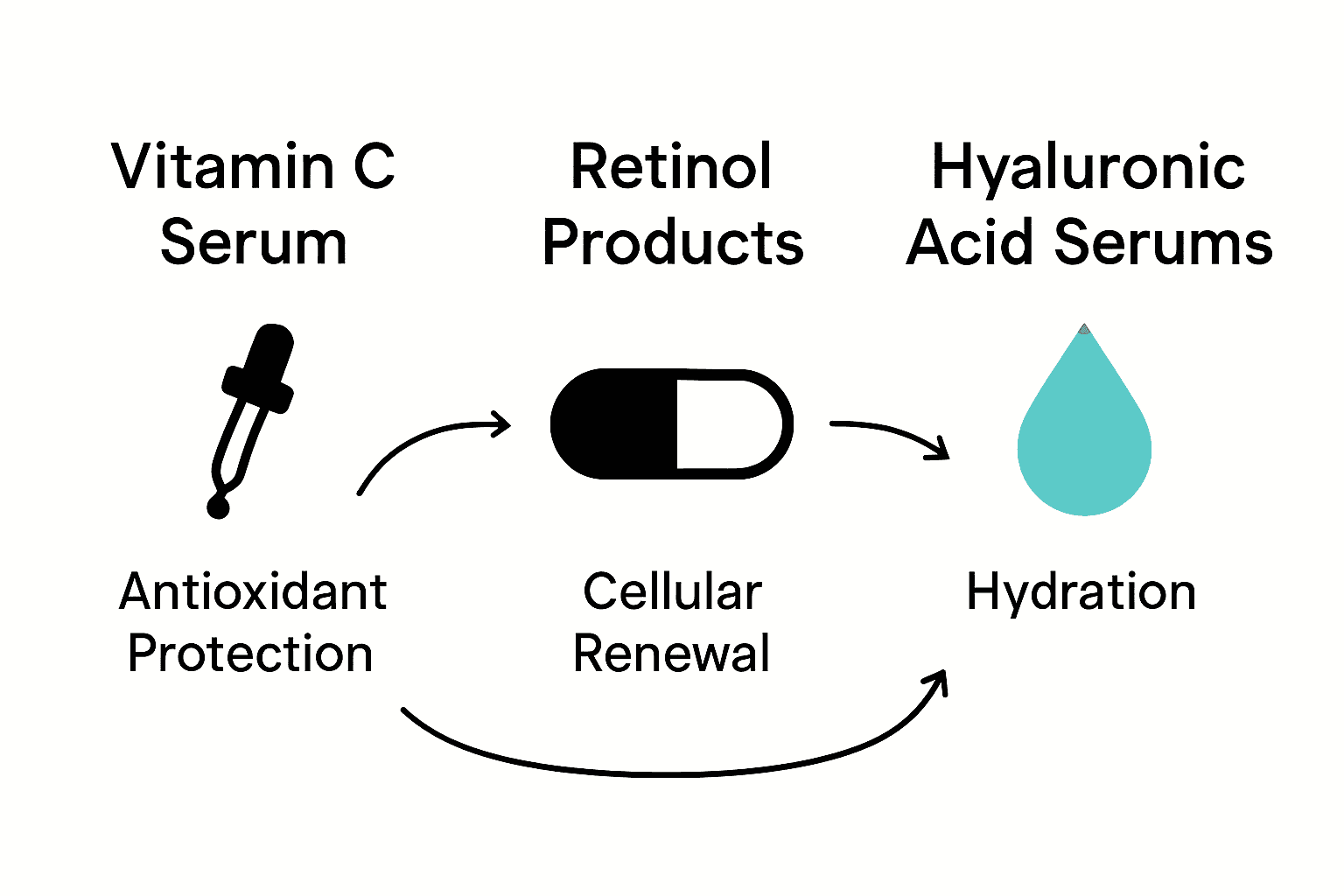
Key comparisons with alternative skincare treatments include:
- Sunscreen: Provides direct UV protection
- Hyaluronic Acid Serums: Focuses on hydration
- Retinol Products: Targets cellular regeneration
- Niacinamide Treatments: Addresses skin texture and tone
As Medical News Today explains, vitamin C serum excels in complementing other skincare approaches rather than competing with them. The most effective skincare strategies involve layering different products to create comprehensive protection and treatment.
For those interested in understanding how different skincare solutions work together, our guide to serums in skincare offers comprehensive insights into creating a holistic skincare approach that maximizes the benefits of each individual treatment.
Unlock the Full Power of Vitamin C Serum for Your Skin
Struggling to find a skincare solution that truly brightens and protects your skin while reducing fine lines and uneven tones Then explore the transformative benefits of vitamin C serum with products crafted for every skin type at Facial Serums – Skin Styles. This guide highlights how powerful antioxidants and collagen stimulation can revitalize your skin and help you maintain a youthful, radiant complexion.

Discover premium vitamin C serums that are gentle yet effective and complement your daily routine. Visit Skin-Styles.com today to browse trusted brands including Beauty of Joseon – Skin Styles for specially formulated serums that target pigmentation and boost skin health. Take action now and start your journey to healthier, glowing skin with expert products that deliver visible results.
Frequently Asked Questions
What are the main benefits of using Vitamin C serum?
Vitamin C serum offers several benefits, including reducing signs of aging, preventing hyperpigmentation, brightening the complexion, and providing antioxidant protection against environmental stressors.
How should I apply Vitamin C serum for best results?
Apply Vitamin C serum after cleansing your skin, preferably in the morning. Use 3-4 drops, gently massaging them into your skin before following up with a moisturizer and sunscreen.
What concentration of Vitamin C is best for my skin?
Most effective formulations range between 10% to 20% concentration of Vitamin C. It’s recommended to start with lower concentrations if you have sensitive skin to allow your skin to adjust.
Are there any side effects associated with using Vitamin C serum?
Yes, common side effects can include skin irritation, dryness, allergic reactions, or increased sensitivity. If you experience persistent side effects, it’s important to discontinue use and consult a medical professional.