

Most american adults spend hundreds on skincare each year, yet many overlook the unique impact of facial masks. From deep hydration to helping clear stubborn pores, masks can transform how your skin looks and feels in just minutes. For anyone wanting brighter, healthier skin, understanding the science and strategy behind facial masks is a smart first step. Learn how these targeted treatments provide results both above and below the surface.
Table of Contents
- What Facial Masks Are And Why Use Them
- Different Types Of Facial Masks Explained
- How Masks Benefit Your Skin (Hydration, Cleansing, Brightening)
- Potential Risks And Safe Use Guidelines
- Choosing The Right Mask For Your Skin
Key Takeaways
| Point | Details |
|---|---|
| Benefits of Facial Masks | Facial masks deliver targeted treatments for skin concerns like hydration, cleansing, and brightening, enhancing overall skin health. |
| Types of Masks | Popular mask types include sheet, clay, cream, gel, and peel-off masks, each designed for specific skin needs. |
| Safety Guidelines | Always perform a patch test before full application to avoid irritation, and adhere to recommended usage times. |
| Choosing the Right Mask | Select masks based on your skin type, concerns, and ingredient sensitivities for optimal results in your skincare routine. |
What Facial Masks Are And Why Use Them
Facial masks are specialized skincare products designed to deliver targeted treatment and improvement for your skin. According to research from Jofa UMP, these products are applied directly to the face and neck to enhance skin health and appearance, offering a range of benefits from hydration to deep cleansing.
The purpose of facial masks extends far beyond simple cosmetic enhancement. Skincare masks provide concentrated treatments that address specific skin concerns like dryness, acne, aging, or uneven texture. As insights from Hilaris Publisher reveal, these treatments deliver more than physical improvements - they contribute to mental relaxation and overall personal confidence.
Typical facial masks come in several formats to suit different preferences and skin needs:
- Sheet masks: Thin, pre-cut fabric masks soaked in concentrated serums
- Cream masks: Rich, moisturizing formulas that penetrate deeply into skin layers
- Clay masks: Mineral-rich treatments that draw out impurities and excess oil
- Gel masks: Lightweight options perfect for hydration and cooling sensation
By integrating facial oils guide into your routine alongside masks, you can create a comprehensive skincare approach that addresses multiple aspects of skin health and appearance. Whether you’re targeting specific concerns or simply maintaining healthy skin, facial masks offer a powerful tool in your personal care arsenal.
Different Types Of Facial Masks Explained
Facial masks represent a diverse range of skincare products, each designed to address unique skin concerns and provide targeted treatment. According to research from Jofa, masks can be categorized into multiple types, including sheet masks, clay masks, and peel-off masks, with each format offering specific benefits for different skin needs.
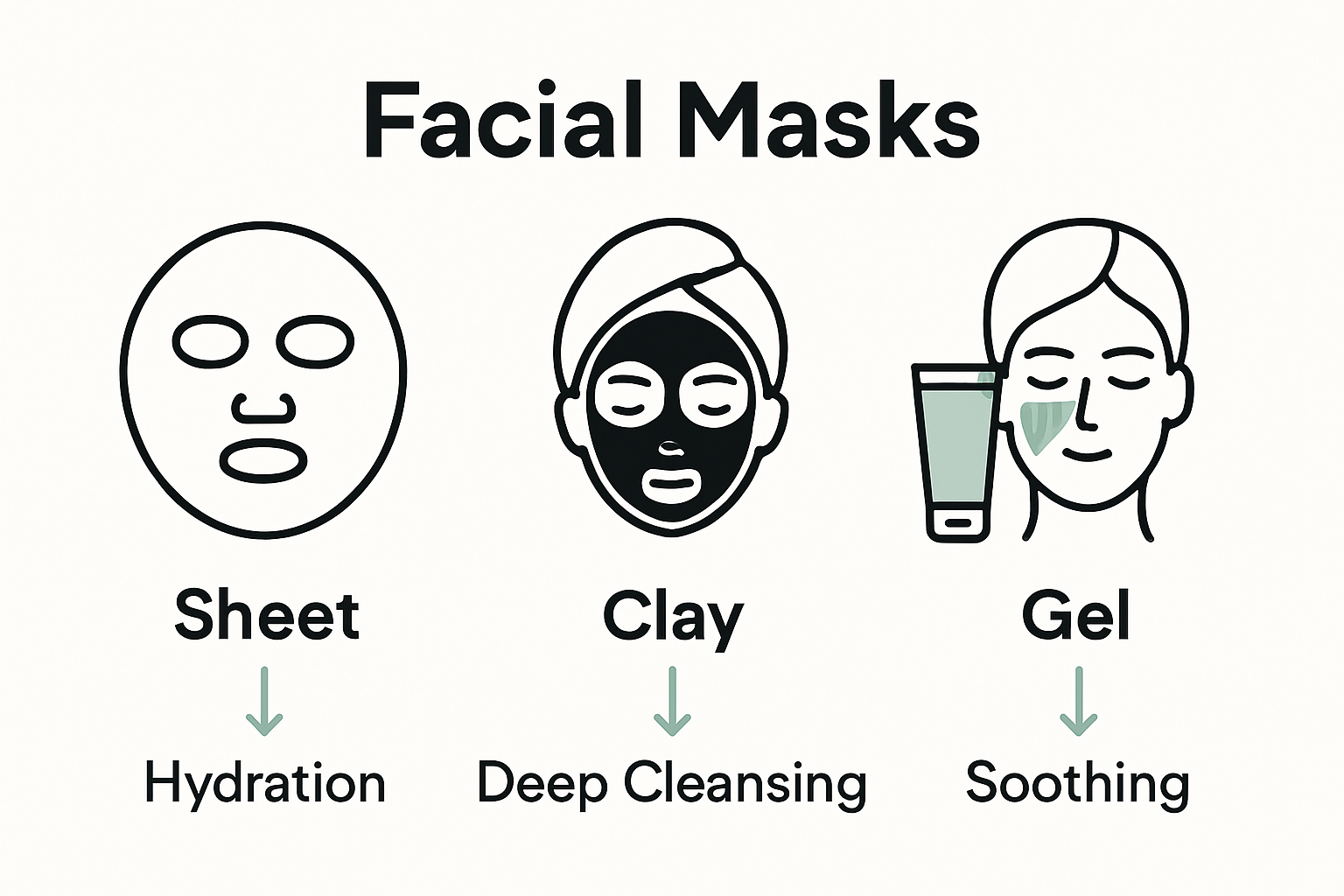
Sheet masks are thin, fabric-based treatments saturated with concentrated serums and essences. These masks create a physical barrier that helps lock in active ingredients, providing intense hydration and delivering nutrients directly to the skin. Clay masks, by contrast, are mineral-rich formulations that excel at drawing out impurities, absorbing excess oil, and deep cleansing pores. They work particularly well for individuals with oily or acne-prone skin types.
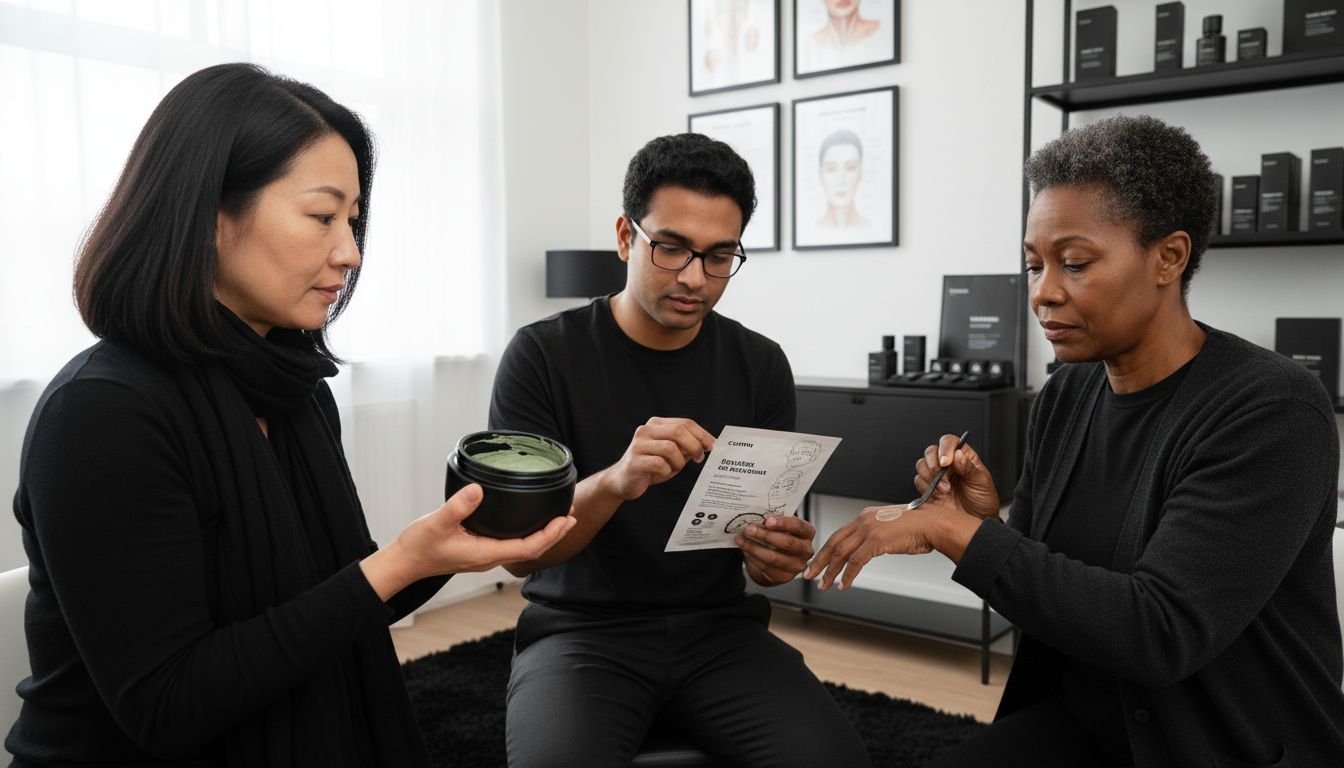
Interestingly, cloth-based masks have broader applications beyond traditional skincare. As noted by Wikipedia, cloth masks can serve multiple purposes, offering potential hydration and cleansing benefits while also providing protective functionality.
Other popular mask varieties include:
- Gel masks: Ultra-lightweight options perfect for sensitive and dehydrated skin
- Cream masks: Rich, deeply moisturizing treatments for dry or aging skin
- Peel-off masks: Designed to remove dead skin cells and provide gentle exfoliation
- Overnight masks: Intensive treatments that work while you sleep
To optimize your skincare routine, exfoliation best practices guide can complement your mask selection, helping you achieve more comprehensive skin health and radiance.
How Masks Benefit Your Skin (Hydration, Cleansing, Brightening)
Facial masks are powerful skincare tools that deliver comprehensive benefits to your skin. According to research from Hilaris Publisher, these treatments offer multiple advantages, including critical improvements in hydration, cleansing, and overall skin appearance.
Hydration is perhaps the most immediate benefit of facial masks. By creating a protective barrier that locks in moisture, masks help combat dryness and prevent water loss from the skin. Cleansing represents another crucial function, with masks designed to remove impurities, excess oil, and dead skin cells more effectively than traditional washing methods. Jofa confirms that masks are exceptionally effective at deep cleansing and enhancing the skin’s natural radiance.
The brightening aspect of facial masks is particularly noteworthy. Many masks contain concentrated ingredients like vitamin C, niacinamide, and botanical extracts that work to:
- Reduce dark spots and hyperpigmentation
- Even out skin tone
- Boost cellular turnover
- Minimize the appearance of fine lines
To maximize these benefits, consider integrating double cleansing techniques into your skincare routine, which can further enhance the effectiveness of your mask treatments and promote healthier, more radiant skin.
Potential Risks And Safe Use Guidelines
Facial masks can offer tremendous skincare benefits, but understanding potential risks is crucial for safe and effective use. According to research from Natural Science, improper application of skincare masks can lead to unexpected complications, including skin irritation and allergic reactions.
Skin sensitivity is the primary concern when using facial masks. Different skin types react uniquely to various ingredients, making patch testing an essential preliminary step. Before applying a new mask across your entire face, test a small area of skin to ensure no adverse reactions occur. Allergic reactions can manifest as redness, itching, burning sensations, or small bumps, which signal that the product may not be suitable for your skin type.
Key safety guidelines for mask application include:
- Perform a patch test 24-48 hours before full application
- Read ingredient lists carefully, especially if you have sensitive skin
- Avoid masks with harsh chemicals or known allergens
- Follow recommended application time precisely
- Never leave masks on longer than instructed
- Discontinue use immediately if any irritation develops
To minimize potential risks, cleansing techniques guide can help you prepare your skin properly before mask application, ensuring a safer and more effective skincare experience.
Choosing The Right Mask For Your Skin
Selecting the perfect facial mask requires a strategic approach tailored to your unique skin characteristics. According to research from Jofa, choosing an appropriate mask involves understanding your specific skin type, concerns, and desired outcomes to ensure optimal skincare results.
Skin type is the foundational consideration when selecting a facial mask. For oily or acne-prone skin, clay and charcoal masks work best at absorbing excess sebum and clearing congested pores. Dry or sensitive skin benefits more from hydrating gel or cream-based masks that provide intense moisture without causing irritation. Hilaris Publisher emphasizes that understanding individual skin needs is crucial for making informed skincare decisions.
Key factors to consider when choosing a mask include:
- Your primary skin concerns (acne, aging, dryness, uneven texture)
- Specific skin type (oily, dry, combination, sensitive)
- Ingredient sensitivities
- Seasonal skin changes
- Frequency of use recommended for each mask type
To further refine your skincare approach, expert guide to choosing serum can complement your mask selection, helping you create a comprehensive skincare routine that addresses all your skin’s unique needs.
Elevate Your Skincare Routine with Targeted Facial Masks
Facial masks offer powerful solutions for skin hydration, deep cleansing, and brightening. If you struggle with dryness, oily skin, or uneven texture, incorporating the right mask can unlock a healthier, glowing complexion. Our range of facial cleansers and nourishing facial creams and gels perfectly complement mask treatments to enhance your routine and address your unique skin needs.

Discover effective skincare solutions at Skin-Styles.com and take control of your skin today. Act now to experience the confidence that comes from well-treated, radiant skin. Explore our collection and find the perfect match for your personalized care regimen.
Frequently Asked Questions
What are facial masks and how do they work?
Facial masks are specialized skincare products applied directly to the face and neck to provide targeted treatments for various skin concerns, such as hydration, deep cleansing, and improving overall skin appearance.
What types of facial masks are available?
There are several types of facial masks, including sheet masks, clay masks, cream masks, gel masks, and peel-off masks, each designed to address specific skin types and concerns.
How often should I use facial masks for optimal results?
The frequency of mask usage varies based on your skin type and the type of mask. Generally, using a mask 1-3 times a week is recommended, but always follow the specific instructions on the product.
Can facial masks cause skin irritation or allergies?
Yes, improper usage of facial masks can lead to skin irritation or allergic reactions. It’s essential to perform a patch test before full application and avoid masks with harsh chemicals if you have sensitive skin.