

Finding gentle yet powerful skincare can be a challenge for anyone struggling with sensitive skin or looking for ways to naturally enhance skin health. With growing interest in probiotics, many are discovering how beneficial microorganisms can strengthen the skin barrier, reduce inflammation, and restore balance. Exploring the world of probiotic skincare formulations provides insight into innovative products that help protect against irritants while supporting a radiant complexion.
Table of Contents
- What Are Probiotics in Skincare?
- Types of Probiotic Skincare Formulations
- How Probiotics Support Skin Barrier Health
- Addressing Skin Sensitivity and Inflammation
- Safety, Side Effects, and Product Selection
Key Takeaways
| Point | Details |
|---|---|
| Probiotics Enhance Skin Health | Probiotics support skin by restoring microbiome balance, improving conditions like acne and eczema. |
| Types of Formulations Matter | Choose between live probiotic strains, fermentation products, or bacterial lysates for targeted skin benefits. |
| Skin Barrier Support | Probiotics strengthen the skin’s barrier and reduce inflammation, promoting overall wellness. |
| Product Selection is Crucial | Prioritize products with well-documented strains and transparent sourcing for safety and effectiveness. |
What Are Probiotics in Skincare?
Probiotics in skincare represent an innovative approach to maintaining healthy skin by leveraging beneficial microorganisms. These live microorganisms, when applied topically, work to support and enhance the skin’s natural defense mechanisms. Unlike traditional skincare ingredients, probiotics interact directly with the skin’s microbiome, the complex ecosystem of microorganisms living on our skin’s surface.
At their core, probiotics function by modulating skin microbiome balance. They introduce helpful bacteria that can protect against harmful microorganisms, reduce inflammation, and strengthen the skin’s protective barrier. Researchers have discovered that these microscopic allies can potentially improve various skin conditions by restoring microbial equilibrium and supporting immune responses.
The science behind probiotics in skincare is fascinating. These microorganisms interact with skin cells and the immune system, helping to regulate inflammatory responses and potentially mitigating issues like acne, eczema, and sensitive skin reactions. By supporting the gut-skin axis, probiotics can help address skin health from both internal and external perspectives, making them a holistic approach to skincare.
Pro tip: When introducing probiotic skincare products, start with patch testing and gradually incorporate them into your routine to allow your skin’s microbiome to adapt and respond positively.
Types of Probiotic Skincare Formulations
Prproducer skincare formulations represent a sophisticated approach to skin health, offering multiple delivery methods and unique therapeutic benefits. Probiotic cosmetic constituents can be classified into three primary categories: live probiotic strains, fermentation products, and bacterial lysates, each providing distinct mechanisms for supporting skin wellness.
Live probiotic strains are the most direct form of microorganism application, where active bacteria are incorporated into skincare products to directly interact with the skin’s microbiome. Fermentation products, alternatively, utilize metabolic byproducts created during bacterial cultivation, which can offer concentrated antioxidant and anti-inflammatory properties. Bacterial lysates represent a more processed approach, involving disrupted bacterial cells that release beneficial compounds without introducing live microorganisms.
The diversity of probiotic formulation techniques allows skincare brands to target specific skin concerns. Topical applications might include creams, serums, masks, and cleansers, each designed to deliver probiotic benefits through different mechanisms. Some formulations focus on strengthening the skin barrier, while others aim to reduce inflammation, control acne, or manage sensitive skin conditions.
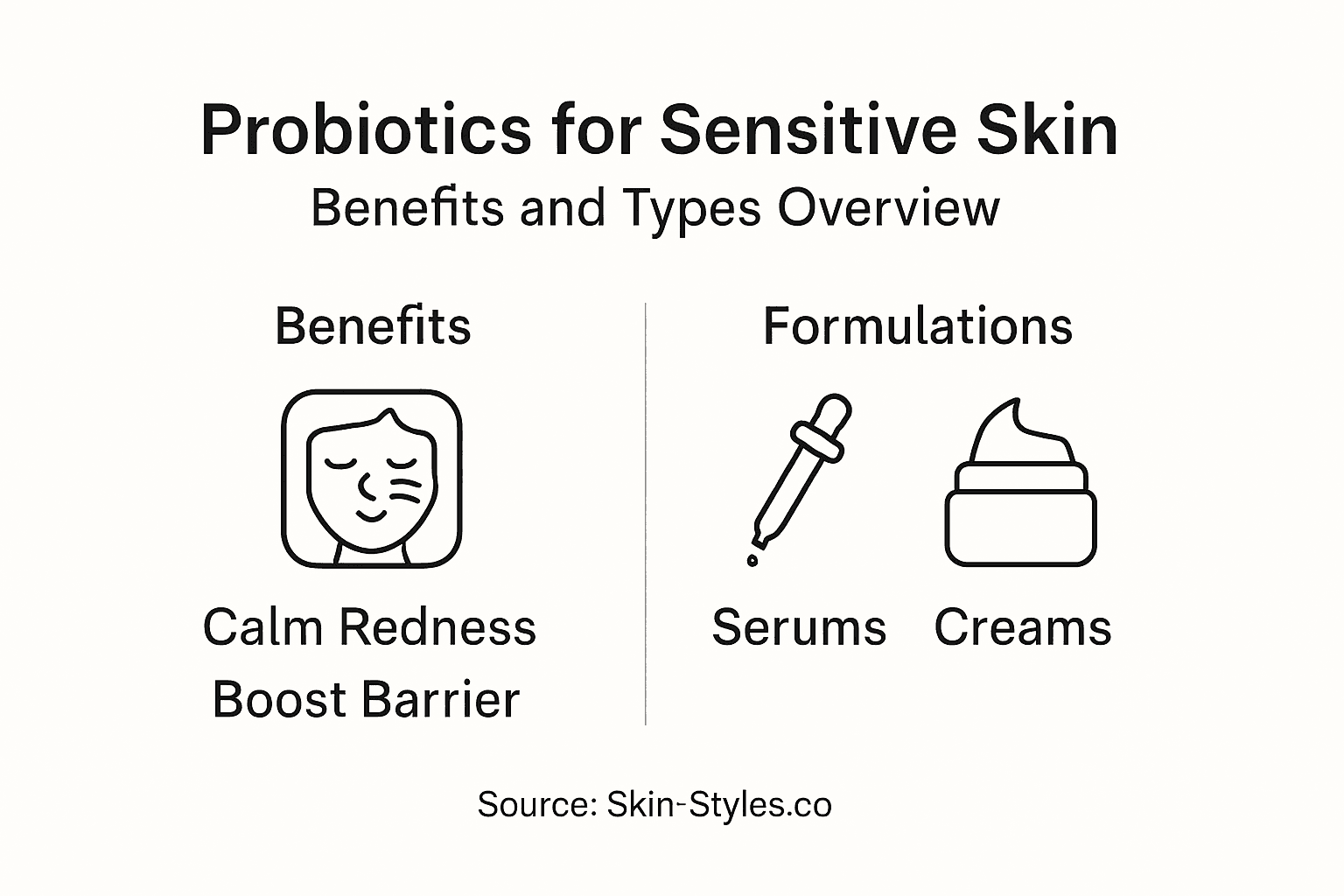
Here’s a summary comparing the main types of probiotic skincare formulations:
| Formulation Type | Key Characteristics | Common Benefits |
|---|---|---|
| Live Probiotic Strains | Contains active beneficial bacteria | Directly improves microbiome |
| Fermentation Products | Uses bacterial byproducts | Potent antioxidants, soothing |
| Bacterial Lysates | Processed bacterial cell fragments | Immune support, mild option |
Pro tip: When selecting probiotic skincare products, look for formulations that specify the exact bacterial strains used and their intended skin benefits to ensure targeted treatment.
How Probiotics Support Skin Barrier Health
Probiotics play a transformative role in maintaining and enhancing skin barrier health through complex biological mechanisms. Skin barrier protection strategies involve multiple intricate processes that help defend the skin against external threats while promoting overall skin wellness.
At the cellular level, probiotics work by stimulating the production of essential barrier components and modulating immune responses. They inhibit harmful pathogens, produce antimicrobial substances, and reduce oxidative stress. By creating a protective microenvironment, probiotics help strengthen the skin’s natural defenses, preventing moisture loss and reducing inflammation that can compromise skin integrity.
The connection between gut health and skin barrier function is particularly fascinating. Probiotic microbiota interactions demonstrate how internal microbial balance influences external skin conditions. These beneficial microorganisms communicate with the immune system, helping to regulate inflammatory responses and support the skin’s ability to protect itself from environmental stressors, pollution, and potential irritants.
Pro tip: Consider incorporating a probiotic supplement alongside topical probiotic skincare to support both internal and external skin barrier health.
Addressing Skin Sensitivity and Inflammation
Skin sensitivity and inflammation represent complex dermatological challenges that can significantly impact an individual’s comfort and confidence. Probiotic immune response management offers a sophisticated approach to addressing these persistent skin concerns by targeting the root causes of inflammatory responses and skin reactivity.
Clinical research demonstrates that probiotics work through intricate mechanisms to calm irritated skin. They interact directly with the immune system, reducing pro-inflammatory markers and helping to regulate both innate and adaptive immune responses. By combating pathogenic bacteria and strengthening the skin’s epithelial barrier, probiotics can effectively mitigate inflammatory conditions such as atopic dermatitis, psoriasis, and persistent acne.
The therapeutic potential of probiotics extends beyond surface-level treatment. Microbiota modulation strategies reveal how these beneficial microorganisms can fundamentally reshape the skin’s defensive capabilities. They help balance the skin’s microbiome, reduce inflammatory signals, and create a more resilient protective environment that can better withstand environmental stressors and potential irritants.
Pro tip: Introduce probiotic skincare products gradually, starting with patch testing and low concentration formulations to allow your skin’s microbiome to adapt and respond positively.
Safety, Side Effects, and Product Selection
Navigating the world of probiotic skincare requires a nuanced understanding of product safety considerations. While these innovative skincare solutions offer promising benefits, consumers must approach their selection with careful discernment, considering factors like strain specificity, formulation quality, and individual skin characteristics.
Safety profiles for probiotic skincare vary significantly depending on individual health conditions. Immunocompromised individuals should exercise additional caution, as certain probiotic strains might interact differently with their immune system. The effectiveness and potential side effects are intrinsically linked to the specific probiotic strain, its concentration, and the individual’s unique skin microbiome composition.
When selecting probiotic skincare products, several critical criteria emerge. Consumers should prioritize formulations with well-documented probiotic strains, clear clinical evidence, and transparent manufacturing processes. Validated probiotic strain research indicates that not all probiotics are created equal, and careful product selection can significantly impact skincare outcomes. Look for products that specify exact bacterial strains, provide detailed information about their origin, and demonstrate proven skin health benefits.
Use this quick reference when evaluating probiotic skincare product safety:
| Consideration | What to Check | Why It Matters |
|---|---|---|
| Strain Specificity | Labeled, clinically proven strains | Impacts effectiveness |
| Formulation Transparency | Clear ingredients, sourcing info | Ensures product reliability |
| Individual Suitability | Skin type, health conditions | Reduces risk of adverse effects |
Pro tip: Consult with a dermatologist before introducing new probiotic skincare products, especially if you have sensitive skin, existing skin conditions, or compromised immune function.
Restore Your Skin’s Balance with Probiotic Skincare Solutions
Sensitive skin and inflammation can make daily skincare feel like a challenge. This article spotlights how probiotics help calm irritation and strengthen your skin’s natural defenses by supporting the skin microbiome. If you want to nourish and protect your sensitive skin while reducing redness and discomfort, probiotic-enriched products are a gentle yet effective choice.
Discover our curated selection of Facial Creams & Gels and Facial Serums specially formulated to support skin barrier health and soothe inflammation. These products harness the power of beneficial bacteria to bring balance and resilience back to your skin.

Start your journey to balanced, calm skin today by exploring the innovative probiotic skincare options at Skin-Styles.com. Act now to give your sensitive skin the care it deserves and enjoy a healthier, more comfortable complexion.
Frequently Asked Questions
What are the benefits of using probiotics in skincare for sensitive skin?
Probiotics can help reduce inflammation, calm irritation, and strengthen the skin’s barrier. This can lead to improved skin health for those with sensitive skin conditions such as eczema and acne.
How do I introduce probiotic skincare products into my routine?
It is advisable to start with patch testing and gradually incorporate probiotic products to allow your skin’s microbiome to adapt. Begin with lower concentration formulations to see how your skin reacts.
Are there any side effects of using probiotic skincare?
While probiotics are generally safe, some individuals, especially those with sensitive skin or compromised immune systems, may experience reactions. Choosing well-documented strains and consulting a dermatologist is recommended.
What types of probiotic formulations are available for sensitive skin?
Probiotic skincare products can include live probiotic strains, fermentation products, and bacterial lysates. Each type offers different benefits, such as direct microbiome interaction or soothing properties from byproducts.