

Finding the right plan for oily skin can feel confusing when shine shows up before lunch and breakouts seem impossible to control. Struggling with an unpredictable complexion is common, especially when triggers like stress, hormone changes, and weather make oiliness worse. Building a routine based on understanding your skin type and personal triggers gives you control and helps you choose effective products for real results. This guide shows how small steps lead to clearer, balanced skin.
Table of Contents
- Step 1: Assess Your Skin Type And Triggers
- Step 2: Select Suitable Cleansers And Products
- Step 3: Apply A Daily Oil-Control Routine
- Step 4: Incorporate Targeted Treatments Consistently
- Step 5: Evaluate Results And Adjust As Needed
Quick Summary
| Key Point | Explanation |
|---|---|
| 1. Identify Your Skin Type | Understand how your oiliness varies across your face and recognize personal triggers. |
| 2. Choose Suitable Products | Use gentle, oil-free, noncomedogenic cleansers and lightweight moisturizers to avoid exacerbating oiliness. |
| 3. Maintain a Consistent Routine | Follow a daily cleansing and moisturizing routine to regulate oil production sustainably. |
| 4. Incorporate Targeted Treatments | Use actives like salicylic acid or benzoyl peroxide regularly for effective oil control and acne prevention. |
| 5. Regularly Evaluate Your Results | Track skin changes over time to make informed adjustments to your skincare routine as needed. |
Step 1: Assess your skin type and triggers
Your first move is understanding what you’re actually dealing with. Oily skin isn’t one size fits all. Some people produce excess oil across their entire face, while others deal with an oily T-zone paired with normal or dry cheeks. The key is identifying where your skin gets greasy, how quickly it happens, and what specific factors make it worse. This foundation matters because everything you do next depends on knowing your baseline.
Start by observing your face without any products for a full day or two. Notice where shine appears first, how your skin feels by mid-afternoon, and whether you’re breaking out in certain areas. Pay attention to what happens after you cleanse versus later in the day. Some people naturally have oily skin that varies by facial region, with the forehead and nose producing more sebum than the cheeks. Write down these patterns. Next, identify your personal triggers. Your triggers are the specific things that make your oiliness worse. These aren’t universal. Your friend might struggle when they eat greasy food, while your skin responds more to hormonal changes or stress. Environmental factors matter too. Heat, humidity, and seasonal changes can shift how much oil your skin produces. Hormonal changes and external environmental factors are major influences on oiliness, especially for people dealing with fluctuations throughout their cycle or during stressful periods. Start keeping a simple log for two weeks. Note when your skin feels oilier, what you ate that day, your stress level, the weather, and where you are in your cycle if applicable. You’ll start spotting patterns. Maybe your skin gets greasier after late nights, or when you skip your regular routine, or during humid seasons.
Here’s a quick comparison of common oily skin triggers and their typical effects:
| Trigger Type | Common Examples | Effect on Oily Skin |
|---|---|---|
| Environmental | Heat, humidity | Increased oil production |
| Lifestyle | Stress, late nights | Flare-ups and more breakouts |
| Dietary Habits | Greasy foods, sugar | Noticeable increase in shine |
| Hormonal Changes | Menstrual cycle, puberty | Unpredictable oil fluctuations |
Pro tip: Take a phone photo of your face in natural light every few days in the same location and time of day. Your camera captures oil shine more objectively than the mirror, and you’ll easily spot patterns in when your skin gets worst.
Step 2: Select suitable cleansers and products
Now that you understand your skin’s behavior, it’s time to choose products that actually work with your skin instead of against it. Your cleanser is the foundation of your routine, and picking the wrong one can make oiliness worse. The goal is removing excess oil and impurities without stripping your skin or triggering more sebum production as a rebound effect.
Look for [gentle, foaming cleansers] that are oil-free and noncomedogenic, meaning they won’t clog your pores. Water-based cleansers are your friend here because they effectively remove oil without leaving a heavy residue. You want something that feels clean but not tight or dried out after rinsing. Avoid harsh soaps and products loaded with heavy oils or high alcohol content, as these can damage your skin barrier and paradoxically make you produce even more oil. When shopping, check ingredient lists for actives like salicylic acid or glycolic acid, which help dissolve sebum buildup and prevent breakouts without being overly irritating. These chemical exfoliants work better for oily skin than physical scrubs because they’re gentler while still being effective.
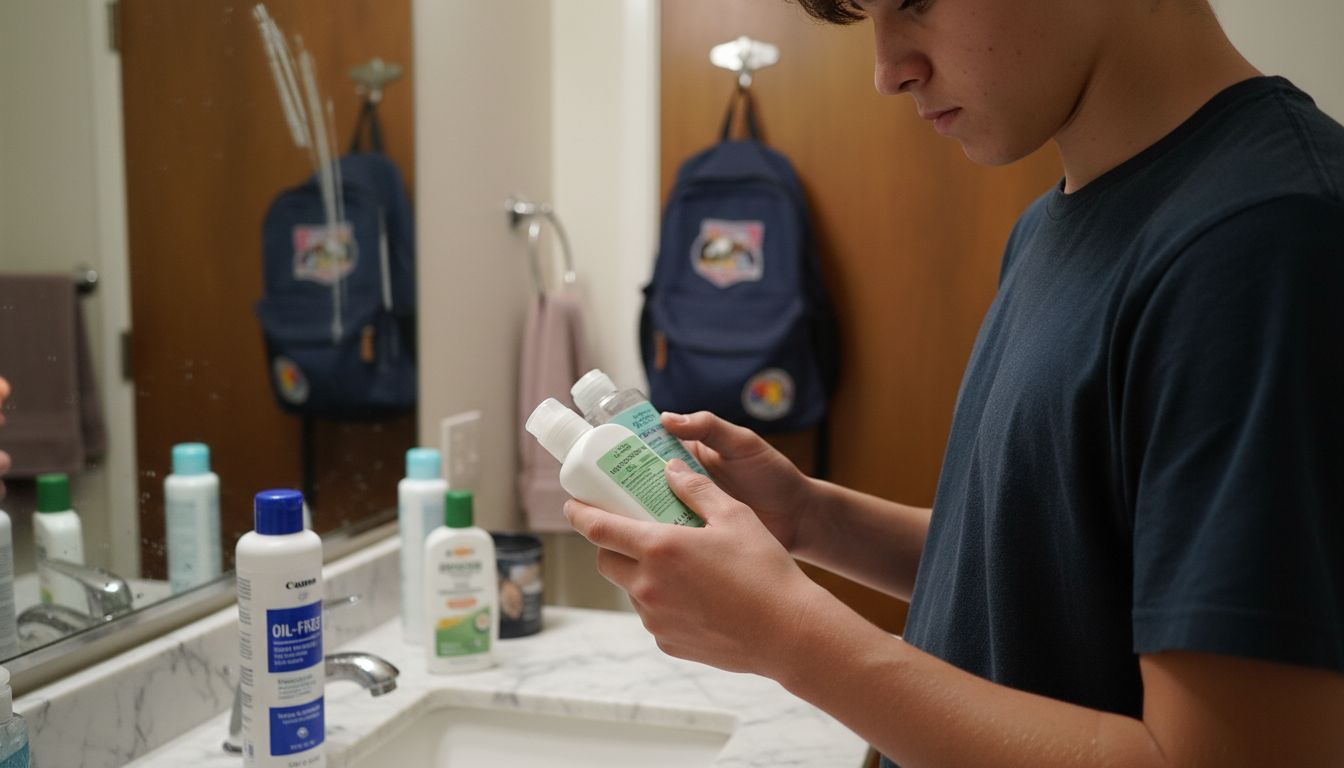
Consider your daily routine frequency too. Wash your face twice daily with a mild, soapless cleanser to remove excess oil without over-stripping your skin. Some people benefit from a third cleanse if they work out or get particularly sweaty, but more than three times daily can backfire and make your skin produce excess oil to compensate. Beyond your cleanser, every other product should follow the same logic: lightweight, oil-free, and designed not to clog pores. Your moisturizer, sunscreen, and any treatments you use should all be formulated for oily or combination skin. Skip heavy creams and look for gel or lightweight lotion textures instead.
Pro tip: Test one new product at a time for at least two weeks before adding another, so you can actually see what’s helping and what’s making things worse instead of creating a product cocktail mystery.
Step 3: Apply a daily oil-control routine
You’ve got the right products. Now it’s about consistency and technique. A solid daily routine controls oil production without overdoing it or creating dependency where your skin produces even more oil to compensate. The key is balance, not aggression. Your routine should feel sustainable enough to stick with for weeks and months, not something you abandon after a few days because it feels tedious.
Start your morning with a gentle cleanse to remove the oil your skin produced overnight. Use lukewarm water, not hot, since heat opens pores and can stimulate more sebum production. After cleansing, apply a lightweight, non-comedogenic moisturizer while your skin is still slightly damp to help it absorb better. This matters because skipping moisturizer actually backfires for oily skin. Your skin produces excess oil partly to compensate for dehydration, so hydrating properly can actually reduce overall oiliness. Next, apply an oil-free, broad-spectrum sunscreen with at least SPF 30 before heading out. Sun damage can irritate skin and trigger more oil production, plus you need protection anyway. During the day, keep oil-blotting papers or blotting sheets in your bag or desk. When you notice shine, press a blotting sheet gently against your face to absorb surface oil without adding more product or disrupting your makeup. Avoid touching your face throughout the day, as this transfers oils and bacteria that make breakouts worse.
At night, repeat your cleanse and moisturize routine. Some people benefit from using a slightly richer night moisturizer since your skin isn’t exposed to sun and environmental stressors while you sleep. Consistency is everything here. Establishing a daily skincare routine with gentle cleansing, targeted products, and deliberate technique helps maintain balanced, controlled oil production over weeks rather than just addressing today’s shine. Stick with your routine for at least four to six weeks before deciding whether it’s working, as your skin needs time to regulate its natural oil production cycle.
Pro tip: Skip the second cleanse on days you don’t exercise or get visibly sweaty, since over-washing can trigger your skin to produce excess sebum as a protective response.
Step 4: Incorporate targeted treatments consistently
Your basic routine handles the fundamentals, but targeted treatments are where you actually address the root causes of excess oil and prevent breakouts from happening. These are the products that do the heavier lifting. Think of them as the specialized tools in your arsenal that go beyond everyday cleansing and moisturizing. The trick is choosing the right ones for your skin and actually using them consistently, because sporadic application won’t give you the results you’re after.
Start with products containing salicylic acid or benzoyl peroxide, which unclog pores and help prevent acne while controlling oil buildup. Salicylic acid is a beta-hydroxy acid that dissolves sebum inside pores, making it particularly effective for oily skin prone to breakouts. Benzoyl peroxide works differently by killing acne-causing bacteria and reducing inflammation. You don’t necessarily need both, so pick one to start and see how your skin responds. If you’re using salicylic acid, begin with a low concentration like two or three percent and use it three to four times weekly, then gradually increase frequency as your skin builds tolerance. Apply it to clean, dry skin before your moisturizer. Benzoyl peroxide is best used once or twice daily, typically at night since it can cause slight drying and irritation. If your oiliness is moderate to severe or accompanied by significant breakouts and redness, you might benefit from stronger prescription treatments. Dermatologists sometimes prescribe topical retinoids or antiandrogens to regulate sebaceous gland activity at a deeper level and reduce inflammation. These require more careful use since they can initially cause dryness and sensitivity, but they’re powerful for controlling oil when over-the-counter options aren’t cutting it.
Here is a summary of popular oily skin actives and their benefits:
| Ingredient | Main Benefit | Common Use Frequency |
|---|---|---|
| Salicylic Acid | Unclogs pores, dissolves sebum | 3-4 times per week |
| Benzoyl Peroxide | Fights bacteria, reduces acne | 1-2 times per day |
| Glycolic Acid | Exfoliates, smooths skin texture | 2-3 times per week |
| Topical Retinoids | Regulates oil long-term | Nightly, if tolerated |
Consistency matters more than perfection here. Use your chosen treatment every single day or on your prescribed schedule without skipping. Your skin needs sustained exposure to these ingredients to actually regulate sebum production and prevent breakouts. Many people see real improvement after four to eight weeks of consistent use, so give it time before deciding something isn’t working. If you’re using multiple treatments, introduce them one at a time, spacing them out by a week or two so you can identify what’s actually helping versus what might be causing irritation.
Pro tip: Start with the lowest concentration and least frequent application of any new treatment, then gradually increase strength and frequency only if your skin tolerates it well, since jumping in too aggressively can damage your skin barrier and make oiliness worse.
Step 5: Evaluate results and adjust as needed
You’ve been following your routine for weeks now, but how do you actually know if it’s working? Evaluation isn’t a one-time thing. Your skin changes constantly due to age, hormones, seasons, and lifestyle shifts, so what works perfectly today might need tweaking three months from now. The goal is creating a sustainable system where you regularly check in with your skin and make intentional adjustments rather than randomly switching products or abandoning your routine out of frustration.
Start tracking specific observations about your skin every two weeks. Notice the amount of midday shine, how many breakouts you’re getting, whether your pores look smaller or more refined, and how your skin feels texture-wise. Compare photos you took at the beginning to current ones in the same lighting. Your camera doesn’t lie the way your mirror sometimes does, especially when you’re emotionally invested in whether something is working. Pay attention to areas where you’ve seen the most change. Maybe your T-zone is significantly less greasy but your cheeks feel tight, or perhaps breakouts have cleared but you’re experiencing slight redness or sensitivity. These observations tell you whether your current routine is balanced or if something needs adjusting. Regular evaluation of skin characteristics over time helps you monitor treatment effectiveness and determine when modifications are necessary. Your skin isn’t static, and neither should your skincare approach.
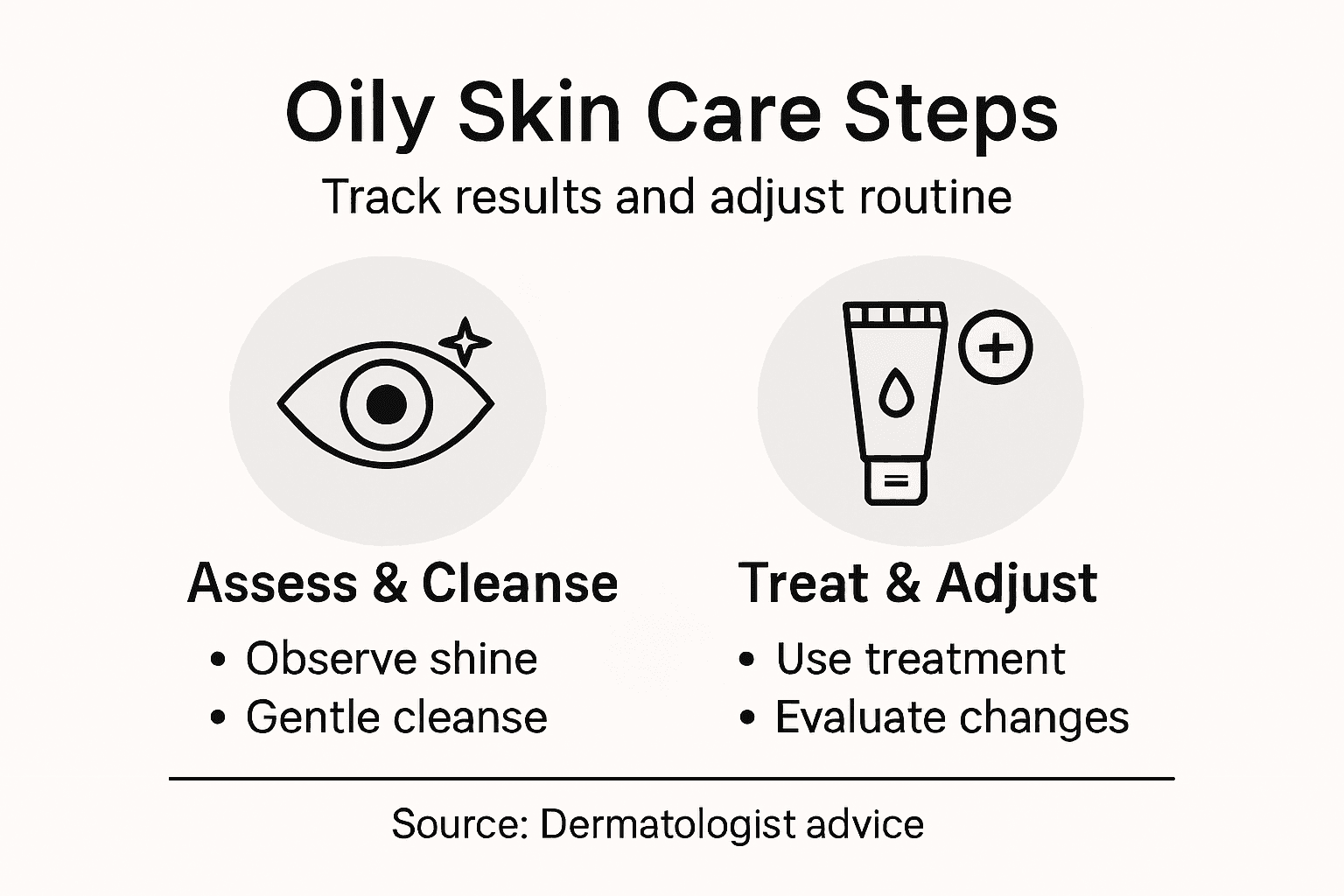
If you’re seeing positive results, great, but don’t assume you’re done. You might be able to reduce the frequency of certain treatments or simplify your routine while maintaining the benefits. Conversely, if your oiliness is increasing, breakouts are worsening, or you’re experiencing irritation, it’s time to adjust. Reducing frequency of product use or switching formulations can help if irritation or increased oiliness occurs. Maybe your skin barrier needs recovery, or perhaps a particular ingredient isn’t compatible with your skin anymore. Change only one thing at a time so you know what’s actually responsible for any shifts. If you switch cleansers, keep everything else the same for two weeks before adding another change. This methodical approach prevents you from accidentally creating problems while trying to fix them. Also consider seasonal adjustments. Your skin might tolerate a stronger treatment during humid summer months but need something gentler in winter. By staying attentive and flexible, you’re building a routine that actually works for your real life, not some theoretical perfect skin scenario.
Pro tip: Create a simple spreadsheet or note on your phone tracking your oil level, breakout count, and skin texture weekly, then review it monthly to spot patterns and decide confidently whether to adjust or stay the course.
Take Control of Your Oily Skin with Expert-Approved Skincare Solutions
Managing oily skin naturally takes thoughtful steps like choosing the right cleansers and targeted treatments to balance oil without irritation. If you are struggling with persistent shine, clogged pores, and unpredictable flare-ups the key is building a gentle but consistent routine using products that work for your unique skin type. Our selection of Facial Cleansers – Skin Styles features gentle, oil-free formulas designed to cleanse effectively without stripping your skin and triggering excess oil production.

Ready to say goodbye to oily skin frustrations? Explore trusted brands like SKIN 1004 – Skin Styles and Mixsoon – Skin Styles that specialize in lightweight, non-comedogenic products including moisturizers and treatments perfect for oily skin. Start your personalized skincare journey today at Skin-Styles.com and experience clearer, balanced skin with ease. Don’t wait – your skin deserves a fresh start now.
Frequently Asked Questions
How can I assess my skin type and triggers?
Start by observing your skin without any products for a day or two. Pay attention to where oiliness appears first and what factors, like stress or diet, seem to worsen your oily skin. Keeping a log of your observations for at least two weeks helps you identify patterns.
What type of cleansers should I use for oily skin?
Choose gentle, foaming cleansers that are oil-free and noncomedogenic. Look for water-based options that effectively remove excess oil without stripping your skin, and avoid harsh soaps.
How often should I wash my face if I have oily skin?
Wash your face twice daily using a mild, soapless cleanser to manage oil without over-stripping your skin. If you work out or sweat, consider an additional cleanse to keep your skin balanced.
What targeted treatments are effective for managing excess oil?
Incorporate products that contain salicylic acid or benzoyl peroxide to help control oil and prevent breakouts. Start with lower concentrations and use them consistently for best results, typically noticing improvements in four to eight weeks.
When should I evaluate the results of my skin care routine?
Aim to evaluate the effectiveness of your skincare routine every two weeks. Track specific observations, like oil levels and breakouts, and adjust your products based on these insights to create a more personalized approach.
Can moisturizing help reduce oily skin?
Yes, using a lightweight, non-comedogenic moisturizer can actually help reduce oiliness. Apply it while your skin is still slightly damp after cleansing to ensure adequate hydration and prevent excess oil production.