

You’ve tried serums, creams, and masks, yet stubborn patches and discoloration remain. Uneven skin tone frustrates countless people searching for real solutions. This expert guide dives into the science behind pigmentation, proven topical regimens, essential sun protection, professional treatments, and realistic timelines to help you achieve balanced, radiant skin through consistent, informed care.
Table of Contents
- Understanding Uneven Skin Tone: Causes And Diagnosis
- Prerequisites: What You Need Before Starting Treatment
- Step-By-Step Topical Treatment Regimen
- Sun Protection And Lifestyle Adjustments
- Professional And In-Clinic Treatment Options
- Common Mistakes And Troubleshooting Tips
- Expected Results And Success Metrics
- Explore Targeted Skincare Products At Skin Styles
- Frequently Asked Questions
Key takeaways
| Point | Details |
|---|---|
| Diagnosis drives treatment | Understanding your specific pigmentation type and causes ensures targeted, effective therapy. |
| Topical actives deliver results | Niacinamide, vitamin C, and AHAs show 20-40% lightening in 8-12 weeks with consistent use. |
| Sun protection is non-negotiable | Daily SPF 50+ with visible light blockers prevents worsening and protects treatment gains. |
| Professional options accelerate outcomes | Fractional lasers and medical skincare improve tone by 30-50% after 3-6 sessions for moderate to severe cases. |
| Avoid common pitfalls | Inconsistent application and overusing hydroquinone beyond 4-6 months lead to setbacks and adverse effects. |
Understanding uneven skin tone: causes and diagnosis
Uneven skin tone appears as patches of darker or lighter areas across the face, neck, or body. Common presentations include age spots, melasma, and post-inflammatory marks left by acne or injury. These variations disrupt the smooth, uniform complexion many people desire.
Several factors trigger pigmentation irregularities. UV exposure remains the primary culprit, stimulating melanocytes to produce excess pigment. Hormonal fluctuations during pregnancy or from birth control can cause melasma. Inflammation from acne, eczema, or trauma leads to post-inflammatory hyperpigmentation. Genetic predisposition also plays a role in how your skin responds to these triggers.
Skin tone assessment helps guide treatment selection. Dermatologists often use the Fitzpatrick scale, which classifies skin from Type I (very fair) to Type VI (deeply pigmented). Darker skin types face higher risk for visible pigmentation changes.
Differentiating pigmentation types ensures appropriate therapy:
- Hyperpigmentation: Darkened patches from excess melanin, including sunspots and melasma
- Post-inflammatory hyperpigmentation (PIH): Dark marks following skin injury or inflammation
- Hypopigmentation: Lighter areas from reduced melanin production, such as vitiligo patches
- Melasma: Symmetrical brown patches on the face, often linked to hormones
Post-inflammatory hyperpigmentation is more frequent and persistent in darker skin tones, requiring tailored treatment and higher sun protection. Understanding your specific condition empowers you to choose effective interventions and set realistic goals.
Prerequisites: what you need before starting treatment
Successful treatment starts with proper preparation. Jumping into potent actives without the right foundation can lead to irritation, wasted effort, and disappointing results. Take time to establish these essentials before beginning your regimen.
Know your skin type and sensitivities. Oily skin tolerates stronger exfoliants, while dry or sensitive skin needs gentler formulations. Test new products on a small area for 48 hours to identify reactions. This simple step prevents full-face irritation.
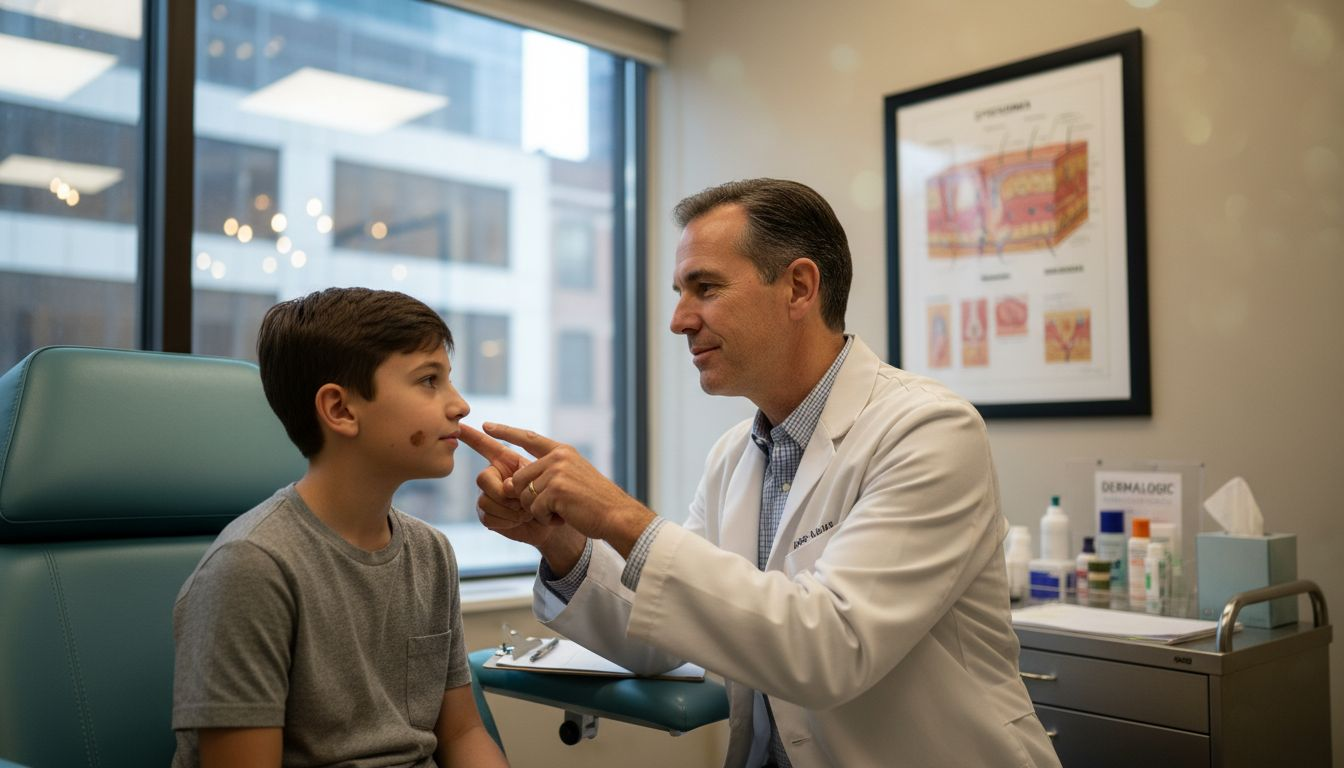
Access to a dermatologist matters. Professional diagnosis distinguishes melasma from PIH or other conditions requiring different approaches. A dermatologist can also prescribe prescription-strength treatments when over-the-counter options prove insufficient.
Essential tools and products include:
- Broad-spectrum SPF 50+ sunscreen with iron oxides or tinted formulas
- Gentle, non-foaming cleanser that won’t strip your skin
- Basic moisturizer to maintain barrier function
- Targeted actives like niacinamide, vitamin C, or AHAs
- Notebook or app to track products, application times, and progress
Commitment and patience separate successful treatments from failed attempts. Skin cell turnover takes weeks, and pigment correction requires months of consistent application. Missing doses or switching products too quickly sabotages progress.
Pro Tip: Set phone reminders for morning and evening skincare routines. Building this habit early prevents the inconsistency that derails most treatment plans.
Familiarize yourself with proper exfoliation techniques before introducing acids. Learning correct methods protects your skin barrier while maximizing active ingredient absorption. Similarly, understanding a structured anti-aging routine provides framework for organizing multiple actives safely.
Step-by-step topical treatment regimen
A science-backed topical routine forms the foundation of pigment correction. The right ingredients, applied in proper sequence, gradually inhibit melanin production and accelerate removal of existing pigmentation. Follow this proven protocol for optimal results.
Morning routine:
- Cleanse with a gentle, pH-balanced cleanser
- Apply vitamin C serum to inhibit tyrosinase enzyme
- Layer niacinamide serum to reduce melanin transfer
- Moisturize to support barrier function
- Finish with broad-spectrum SPF 50+ sunscreen
Evening routine:
- Double cleanse to remove sunscreen and impurities
- Apply kojic acid or azelaic acid to target dark spots
- Use AHA exfoliant (glycolic or lactic acid) 2-3 times weekly
- Apply retinoid if tolerated (start once weekly)
- Seal with richer moisturizer
Key active ingredients work through different mechanisms. Vitamin C, niacinamide, and kojic acid inhibit the tyrosinase enzyme that triggers melanin production. Consistent use leads to 20-40% lightening in most users after 8 to 12 weeks.
Gentle exfoliation with AHAs promotes cell turnover and reduces pigmentation within 4 to 6 weeks. Start with lower concentrations (5-8% glycolic acid) and increase gradually as your skin builds tolerance.
| Product Type | Primary Purpose | Application Tips |
|---|---|---|
| Vitamin C serum | Inhibits melanin synthesis | Apply to clean, dry skin; wait 1 minute before next step |
| Niacinamide serum | Blocks melanin transfer | Can layer with most actives; avoid mixing with pure vitamin C in same step |
| AHA exfoliant | Removes pigmented cells | Start 2x weekly; never use before sun exposure |
| Kojic acid | Tyrosinase inhibitor | Use at night; may cause slight tingling |
| Retinoid | Accelerates turnover | Introduce slowly; use pea-sized amount for entire face |
Pro Tip: Never combine retinoids and AHAs in the same application. Alternate nights or use AHAs in the morning (with diligent SPF) and retinoids at night to prevent excessive irritation.
Avoid mixing incompatible products. Pure L-ascorbic acid (vitamin C) and niacinamide can be used together despite old myths, but separate them by a few minutes for best absorption. Never layer multiple exfoliants in one session.
Master proper exfoliation methods before introducing acids to prevent over-exfoliation. Understanding how to structure an effective anti-aging routine helps you organize multiple actives without overwhelming your skin.
Sun protection and lifestyle adjustments
Even the most potent topical regimen fails without rigorous sun protection. UV and visible light trigger melanin production, undoing months of treatment progress in days. Think of sun protection as the foundation that all other interventions build upon.
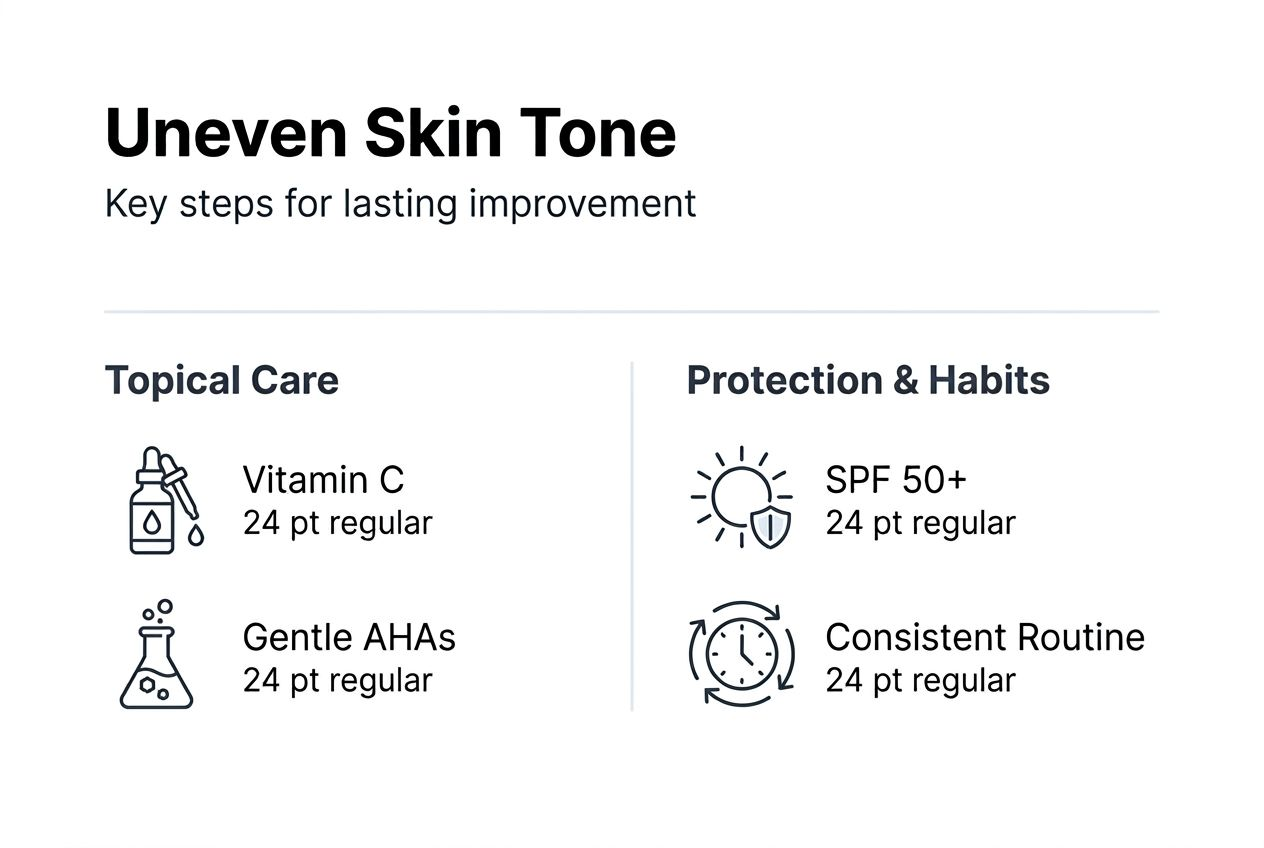
Broad-spectrum SPF 50+ sunscreen is mandatory every single day, regardless of weather or indoor activities. Sunscreens with visible light blockers prevent melanin overproduction triggered by both UV and visible light, reducing hyperpigmentation risk by up to 90%. Choose formulas containing iron oxides or tinted mineral filters for maximum protection.
Application technique matters as much as SPF number. Use a full teaspoon (approximately 1/4 teaspoon per area: face, neck, ears) and reapply every two hours during sun exposure. Most people apply only 25-50% of the recommended amount, cutting protection significantly.
Beyond sunscreen, implement these protective measures:
- Avoid peak UV hours between 10 AM and 4 PM when possible
- Wear wide-brimmed hats and UV-protective clothing outdoors
- Seek shade during extended outdoor activities
- Use UV-blocking window films in cars and offices
- Apply sunscreen 15 minutes before sun exposure for proper binding
Lifestyle factors influence pigmentation beyond direct sun damage. Smoking generates oxidative stress that worsens pigmentation and accelerates aging. Environmental pollution deposits particles that trigger inflammatory responses, leading to post-inflammatory hyperpigmentation.
Antioxidants in skincare help combat environmental damage. Vitamin C, vitamin E, and ferulic acid neutralize free radicals before they damage melanocytes. Layer antioxidant serums under sunscreen for synergistic protection.
Maintain gentle cleansing habits. Harsh scrubbing or aggressive cleansers strip protective oils and trigger inflammation, potentially worsening pigmentation. Use lukewarm water and soft washcloths or cleansing devices on low settings.
Explore comprehensive guidance on daily sunscreen benefits to understand how consistent protection transforms long-term skin health. Review practical everyday sun protection strategies for building sustainable habits that last beyond your treatment phase.
Professional and in-clinic treatment options
When topical treatments reach their limits, professional interventions provide deeper correction for moderate to severe uneven skin tone. These clinical procedures work synergistically with home care to accelerate visible improvements and address stubborn pigmentation.
Fractional CO₂ laser therapy targets pigmentation at multiple skin depths. The laser creates microscopic treatment zones that remove pigmented tissue while stimulating collagen production. Fractional CO₂ laser combined with medical skincare improves skin tone and texture by 30-50% after 3 to 6 sessions spaced 4 to 6 weeks apart.
Other professional options include:
- Chemical peels: Medium to deep peels with TCA or phenol remove pigmented layers
- Intense pulsed light (IPL): Targets melanin with specific light wavelengths
- Microneedling with serums: Creates channels for deeper active ingredient penetration
- Prescription hydroquinone: Stronger concentrations (4-12%) under dermatologist supervision
Professional treatment suits specific situations. Consider clinical options when topical regimens show minimal improvement after 12 weeks, pigmentation covers large facial areas, or melasma proves resistant to over-the-counter products. Dermatologists assess your Fitzpatrick type and pigmentation depth to recommend appropriate procedures.
Combining medical skincare with clinical procedures maximizes outcomes. Continue your topical regimen before and after treatments to enhance results and prevent recurrence. Most dermatologists provide detailed pre- and post-procedure protocols.
| Treatment Type | Pros | Cons |
|---|---|---|
| Topical regimen | Low cost, minimal downtime, done at home | Slower results (8-12 weeks), requires consistency |
| Professional procedures | Faster improvement, treats deeper pigment | Higher cost, potential downtime, needs expert |
Safety considerations vary by procedure. Laser treatments require 4-7 days of healing with potential redness and peeling. Avoid sun exposure completely during recovery. Chemical peels demand similar precautions with strict sun avoidance for 2-4 weeks post-treatment.
Pro Tip: Schedule professional treatments during fall or winter months when UV exposure naturally decreases, reducing complication risk and protecting your investment.
Common mistakes and troubleshooting tips
Even well-intentioned treatment plans fail when common errors sabotage progress. Understanding these pitfalls helps you navigate challenges and maintain steady improvement toward your skin tone goals.
Inconsistent sun protection remains the leading cause of treatment failure. Missing even a few days of sunscreen application allows UV damage to reverse weeks of progress. Every unprotected sun exposure triggers melanocytes, creating new pigmentation that compounds existing issues.
Irregular product application significantly reduces effectiveness. Active ingredients work through cumulative effects over time. Skipping applications or using products sporadically prevents the sustained inhibition of melanin production needed for visible correction.
Mixing incompatible actives causes unnecessary irritation. Combining retinoids and vitamin C in the same application, or layering multiple exfoliants, compromises your skin barrier. Irritated skin produces inflammatory pigmentation, defeating your treatment purpose.
Overusing hydroquinone causes irritation, ochronosis, and rebound hyperpigmentation. Use this ingredient under professional guidance for a maximum of 4 to 6 months, followed by maintenance with gentler alternatives like kojic acid or niacinamide.
Additional mistakes to avoid:
- Picking at dark spots, which worsens inflammation and scarring
- Expecting overnight results and switching products too quickly
- Using expired products with degraded active ingredients
- Neglecting neck and hands while treating facial pigmentation
- Skipping moisturizer, which compromises barrier function
Patience and consistency separate successful pigment correction from frustrating cycles of trial and error. Commit to your regimen for at least 8 weeks before evaluating effectiveness.
Troubleshooting strategies help you course correct. If you experience persistent irritation, reduce active frequency to every other day and increase moisturizer application. When progress stalls after initial improvement, consult a dermatologist about prescription options or professional treatments.
Pro Tip: Use a habit tracking app or physical calendar to check off daily skincare applications. Visual tracking builds accountability and helps identify patterns when you miss doses, allowing you to adjust your routine proactively.
Expected results and success metrics
Realistic expectations prevent discouragement and help you stay committed through the gradual correction process. Understanding typical timelines and measurable improvements guides your journey toward balanced skin tone.
Visible changes typically emerge between 4 and 12 weeks after starting a consistent topical regimen. Early signs include slight lightening of darker patches and improved overall radiance. Full correction varies dramatically based on pigmentation depth, skin type, and adherence to your protocol.
Most people achieve 20-40% reduction in dark spot intensity within 2 to 3 months of diligent treatment. Superficial pigmentation responds faster than deeper melasma, which may require 6 to 12 months of combined topical and professional therapy.
Monitor these success indicators:
- Progressive lightening of hyperpigmented areas without new spots forming
- More uniform skin tone across treated areas
- Improved skin texture and reduced appearance of fine lines
- Absence of irritation or adverse reactions
- Sustained results between dermatology follow-ups
Photographic documentation proves invaluable for tracking subtle changes. Take consistent photos in identical lighting every 4 weeks. Use the same camera, distance, and angle to enable accurate comparison over time.
Adjust your routine when results plateau. If improvement stalls after 8 weeks, consider increasing active concentration, adding complementary ingredients, or consulting a dermatologist about prescription options. Persistent worsening or new pigmentation signals the need for professional evaluation.
Certain situations warrant immediate professional consultation:
- No visible improvement after 12 weeks of consistent treatment
- Development of severe irritation, burning, or peeling
- Appearance of new dark patches despite preventive measures
- Sudden changes in existing pigmentation patterns
- Concerns about potential underlying medical conditions
Long-term maintenance requires ongoing commitment. Even after achieving desired results, continue daily sun protection and periodic use of preventive actives to preserve your gains. Most dermatologists recommend maintenance protocols using gentler concentrations 2 to 3 times weekly.
Explore targeted skincare products at Skin Styles
Putting knowledge into action requires quality products formulated with proven ingredients. Skin Styles offers dermatologist-approved solutions to support every stage of your pigment correction journey.

Browse an extensive selection of facial serums featuring potent concentrations of niacinamide, vitamin C, and other active ingredients discussed in this guide. These targeted formulations deliver concentrated correction for stubborn pigmentation.
Complement your treatment with facial creams and gels designed to even skin tone while maintaining optimal hydration. The right moisturizer supports barrier function and enhances active ingredient absorption.
Gentle facial cleansers provide the foundation for effective treatment. Choose formulations suited to your skin type, ensuring thorough cleansing without stripping protective oils or triggering inflammation.
Skin Styles curates products tailored to diverse skin types and pigmentation concerns, making it simple to build a personalized regimen backed by dermatological science.
Frequently asked questions
How long does it typically take to see improvements in uneven skin tone?
Visible improvements usually emerge between 4 and 12 weeks with consistent treatment application. Superficial pigmentation lightens faster than deep melasma, which may require 6 to 12 months. Complete correction depends on pigmentation severity, skin type, and strict adherence to your regimen including daily sun protection. Consult with a dermatologist if you see no progress after 12 weeks of diligent treatment.
Can I use multiple skin lightening ingredients together safely?
Yes, but strategic layering matters for safety and effectiveness. Vitamin C and niacinamide can be combined despite outdated myths, though waiting a minute between applications optimizes absorption. Avoid mixing strong actives like retinoids and vitamin C or AHAs in the same application, which causes excessive irritation. Alternate nights or separate morning and evening routines to incorporate multiple actives without compromising your skin barrier.
Are professional treatments necessary for all uneven skin tone cases?
No, mild cases often respond well to consistent topical treatments combined with rigorous sun protection. Many people achieve satisfying results using over-the-counter serums with niacinamide, vitamin C, and AHAs. Moderate to severe pigmentation, resistant melasma, or cases showing minimal improvement after 12 weeks of topical therapy may benefit from professional procedures like fractional lasers or chemical peels. Consult a dermatologist to determine the most appropriate and cost-effective approach for your specific pigmentation type and goals.