

Searching for skincare that feels clean without harsh chemicals can be overwhelming. Many health-conscious women are rediscovering the benefits of clay masks, a ritual with deep roots in ancient Egypt and Mesopotamia. These natural treatments combine mineral-rich ingredients and deep cleansing power, making them a favorite for thoughtful routines. If you want a gentle yet effective way to detox, balance, and refresh your skin, learning about the distinctive benefits of different clay mask types unlocks transformative potential for your daily self-care.
Table of Contents
- Defining Clay Masks And Core Benefits
- Types Of Clay Masks And Their Targets
- How Clay Masks Work On Skin
- Comparing Clay Masks With Other Treatments
- Avoiding Common Mistakes And Risks
Key Takeaways
| Point | Details |
|---|---|
| Clay Masks Offer Multiple Benefits | They provide deep cleansing, detoxification, oil control, and skin healing support for various skin types. |
| Select the Right Clay Mask | Choose a formulation that suits your skin type for the best results and to minimize irritation. |
| Use Proper Application Techniques | Follow recommended practices like patch testing and limit use to prevent skin irritation and maximize benefits. |
| Avoid Common Mistakes | Be aware of risks such as overuse and unverified products to maintain skin health and safety. |
Defining Clay Masks and Core Benefits
Clay masks represent a powerful skincare treatment with roots tracing back to ancient civilizations. Medicinal clay has been used therapeutically since prehistoric times for addressing various skin concerns and promoting overall dermatological wellness.
Clay masks are specialized skincare products composed of natural mineral-rich clay substances that provide targeted treatment for different skin types. These masks typically incorporate specific clay varieties like kaolin, bentonite, and montmorillonite, each offering unique properties for skin health. Clay particles can effectively adsorb and help eliminate toxins while supporting skin restoration.
Key benefits of clay masks include:
- Deep pore cleansing and detoxification
- Reducing excess oil and sebum production
- Minimizing appearance of skin blemishes
- Balancing skin’s natural mineral content
- Supporting natural skin healing processes
Pro tip: Select a clay mask formulation matching your specific skin type for optimal results and minimal irritation.
Types of Clay Masks and Their Targets
Clay masks encompass a diverse range of formulations designed to address specific skin concerns. Medicinal clays offer unique therapeutic properties tailored to different skin types and challenges, making them a versatile skincare solution.
Skin-specific clay mask varieties include several targeted formulations:
- Kaolin Clay Masks: Ideal for sensitive and dry skin
- Bentonite Clay Masks: Perfect for oily and acne-prone skin
- Montmorillonite Clay Masks: Best for deep cleansing and detoxification
- Fuller’s Earth Clay Masks: Excellent for controlling excess sebum
Clay typologies provide distinct therapeutic and cosmetic functions with specific absorption and mineral delivery capabilities. Some clays are engineered to target specific skin issues like inflammation, oil control, and toxin removal. The chemical and physical properties of each clay type determine its effectiveness in addressing unique dermatological needs.
Pro tip: Conduct a patch test before applying a new clay mask to ensure compatibility with your specific skin type and prevent potential adverse reactions.
Here’s a quick reference to popular clay types and their ideal uses:
| Clay Type | Best For | Key Mineral Component |
|---|---|---|
| Kaolin | Sensitive, dry skin | Silica |
| Bentonite | Oily, acne-prone skin | Montmorillonite |
| Montmorillonite | Deep cleansing, detoxifying | Aluminum, magnesium silicate |
| Fuller’s Earth | Oil control, brightening | Calcium bentonite |
How Clay Masks Work on Skin
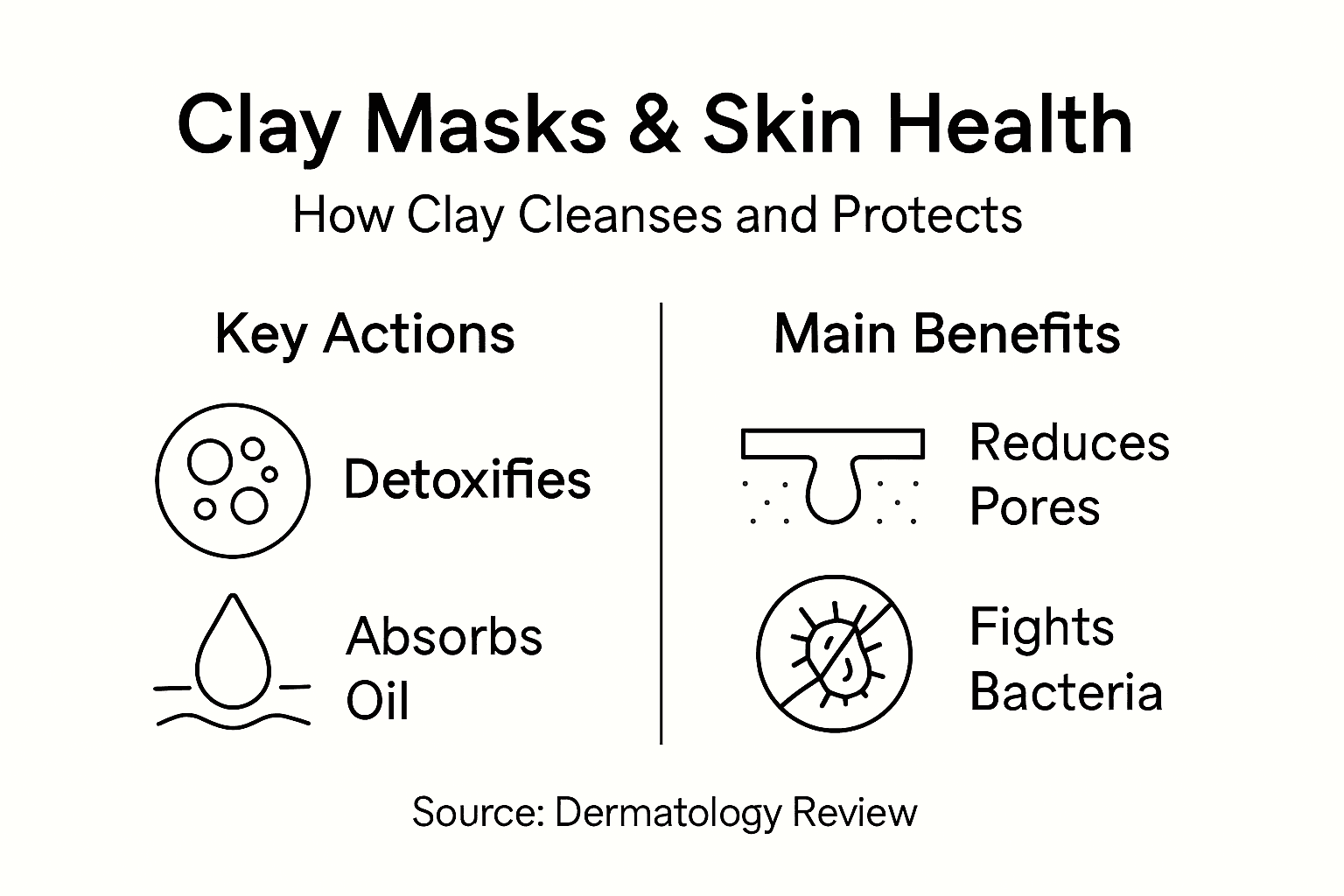
Clay masks operate through complex mechanisms that go far beyond simple surface cleansing. Clay particles adsorb impurities and toxins from the skin, creating a powerful detoxification process that helps restore skin’s natural balance.
Skin interaction mechanisms of clay masks include:
- Absorption of excess sebum and environmental pollutants
- Extraction of impurities from deep within pores
- Mineral ion exchange with skin cells
- pH balancing of skin surface
- Mild exfoliation of dead skin cells
Antibacterial properties of certain clays provide an additional layer of skin protection by chemically attacking harmful microorganisms. The unique layered structure of clay minerals allows them to absorb water and ions, creating an environment that suppresses bacterial growth and promotes healthier skin microbiome.
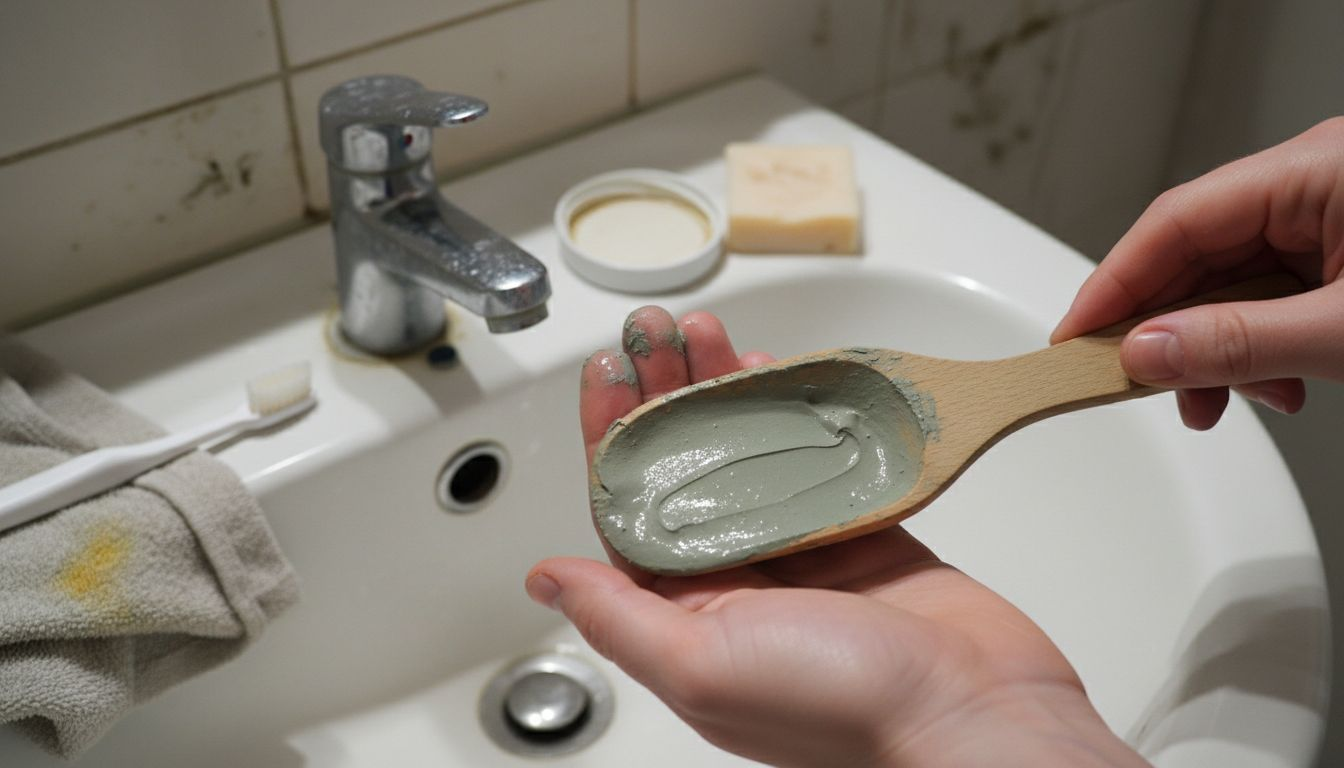
The chemical composition of clay enables it to act like a magnet, drawing out toxins while simultaneously delivering beneficial minerals to the skin. This dual-action mechanism makes clay masks a sophisticated skincare treatment that supports skin’s natural healing and regeneration processes.
Pro tip: Apply clay masks to clean, slightly damp skin to enhance absorption and maximize the mask’s detoxifying potential.
Comparing Clay Masks With Other Treatments
Clay masks stand out from traditional skincare treatments through their unique interaction with skin. Unlike pharmaceutical agents, clays physically adsorb toxins while offering gentler, more holistic skin restoration.
Key differences between clay masks and alternative treatments include:
- Chemical Peels: Aggressive exfoliation vs. clay’s gentle mineral exchange
- Serums: Targeted molecular delivery vs. clay’s broad detoxification
- Sheet Masks: Temporary hydration vs. clay’s deep cleansing mechanism
- Chemical Spot Treatments: Targeted acne intervention vs. clay’s comprehensive skin balancing
Medicinal clays operate through unique physical and chemical interactions that set them apart from conventional dermatological approaches. While modern evidence-based medicines have replaced many traditional treatments, clay masks continue to offer natural, multi-dimensional skin benefits that synthetic products often cannot replicate.
The fundamental distinction lies in clay’s ability to not just treat surface symptoms, but to actively engage with skin’s microenvironment, drawing out impurities, delivering minerals, and supporting the skin’s natural healing processes. This makes clay masks a sophisticated alternative to more invasive or chemically complex skincare interventions.
Pro tip: Rotate different clay mask types to prevent skin adaptation and maximize diverse mineral and detoxification benefits.
Avoiding Common Mistakes and Risks
Clay masks require careful and informed application to prevent potential skincare complications. Improper use can introduce significant health risks that range from mild skin irritation to more serious dermatological concerns.
Key risks and mistakes to avoid include:
- Leaving masks on too long
- Using low-quality or unverified clay sources
- Applying clay masks too frequently
- Ignoring individual skin sensitivity
- Skipping patch tests before full application
Clay mineral exposure carries potential adverse effects that consumers must carefully consider. Some risks include microbiological contamination, allergenic reactions, and potential heavy metal absorption. Professional-grade clay masks from reputable sources significantly mitigate these potential health hazards.
Understanding your skin type, conducting thorough research, and following manufacturer instructions are critical steps in safely incorporating clay masks into your skincare routine. Consumers should prioritize standardized, well-tested products and remain attentive to their skin’s individual responses.
Pro tip: Always perform a small patch test on your inner forearm and wait 24 hours to check for potential allergic reactions before applying a new clay mask to your face.
This table highlights usage tips and safety cautions for clay mask application:
| Practice | Why It’s Important | Potential Issue Prevented |
|---|---|---|
| Patch test | Checks for adverse reactions | Allergic response |
| Limit to 1-2 times/week | Prevents over-drying of skin | Irritation, sensitivity |
| Use reputable brands | Reduces contaminants or impurities | Heavy metals, bacteria |
| Remove mask before drying | Maintains skin moisture | Excessive dryness |
Unlock Radiant Skin with Expert Clay Mask Care
Are you ready to transform your skincare routine by harnessing the powerful detoxifying and balancing effects of clay masks? This article highlights the importance of choosing the right clay formulation tailored to your skin type along with safe application practices to avoid irritation or over-drying. At Skin-Styles.com, we understand the challenge of keeping skin healthy while addressing issues like excess oil, impurities, and sensitivity by delivering premium products that complement your clay mask regimen.

Explore our thoughtfully curated selection of effective Facial Cleansers that prepare your skin for optimal clay mask absorption and finish with nourishing hydration from our Facial Creams & Gels. For cutting-edge skincare innovations, check out the exclusive TIRTIR line designed to enhance skin detoxification and healing processes. Visit Skin-Styles.com today to discover trusted solutions that support your skin’s natural balance and help you glow confidently. Take action now to experience the revitalizing benefits clay masks can bring to your everyday skincare.
Frequently Asked Questions
What are the main benefits of using clay masks for skin health?
Clay masks offer several benefits, including deep pore cleansing, detoxification, excess oil reduction, minimization of blemishes, and enhanced skin healing processes. They support the skin’s natural balance by delivering essential minerals and absorbing impurities.
How do I choose the right clay mask for my skin type?
Select a clay mask formulation that targets your specific skin type. For example, kaolin clay is great for sensitive and dry skin, while bentonite clay is more suitable for oily and acne-prone skin. Conducting a patch test is also recommended to ensure compatibility with your skin.
How often should I use a clay mask for optimal results?
It is recommended to use clay masks 1-2 times a week to achieve optimal results without over-drying or irritating the skin. This frequency allows the skin to benefit from the mask’s detoxifying properties while maintaining its natural moisture balance.
What precautions should I take when using clay masks?
Key precautions include performing a patch test prior to full application, avoiding prolonged use, using high-quality clay products, and paying attention to your skin’s reactions. These steps help prevent irritation, allergic reactions, and other potential skin issues.