

Over 60 percent of american parents say they worry most about safely introducing solids to their babies. The world of feeding devices offers more choices every year, and selecting the right one can make all the difference for a child’s health and confidence. In this quick guide, you’ll learn how modern baby food feeders support safe, comfortable transitions so both infants and parents enjoy mealtime with less stress.
Table of Contents
- What Is A Baby Food Feeder? Explained
- Different Types Of Baby Food Feeders
- Key Benefits And How Feeders Work
- Proper Cleaning And Safe Usage Tips
- Comparing Baby Food Feeder Alternatives
Key Takeaways
| Point | Details |
|---|---|
| Importance of Baby Food Feeders | Baby food feeders assist infants in transitioning to solid foods while minimizing choking risks and promoting self-feeding skills. |
| Types of Feeders | Various feeders, including mesh pouches and specialized medical options, cater to different infant needs and developmental stages. |
| Cleaning and Safety | Proper cleaning and maintenance of baby food feeders are crucial to ensure hygiene and safety, preventing potential health risks. |
| Comparison with Traditional Methods | Baby food feeders offer innovative alternatives to traditional feeding methods, supporting diverse nutritional needs and enhancing infant exploration. |
What Is a Baby Food Feeder? Explained
A baby food feeder is a specialized feeding tool designed to help infants transition from liquid to solid foods safely and comfortably. These innovative devices allow babies to explore different textures and tastes while reducing choking risks during early feeding stages. Baby-led weaning techniques have popularized these tools as an alternative to traditional spoon-feeding methods.
Baby food feeders typically consist of a mesh or silicone pouch attached to a handle, allowing parents to place soft foods like fruits, vegetables, or cooked meats inside for babies to gnaw and explore. The design prevents large food chunks from breaking off, making it a safer option for infants learning to self-feed. Parents can introduce various nutritious ingredients, helping babies develop motor skills and taste preferences simultaneously.
Some specialized feeders, like the Haberman Feeder, are engineered for infants with specific feeding challenges. These advanced designs help babies who struggle with traditional bottle-feeding techniques, offering alternative ways to receive nutrition. Modern baby food feeders support crucial developmental milestones by encouraging independence, improving oral motor skills, and making mealtime an engaging sensory experience for growing infants.
Key features of baby food feeders often include:
- BPA-free materials
- Dishwasher-safe construction
- Age-appropriate designs
- Easy-to-clean components
- Soft, safe textures for infant use
Different Types of Baby Food Feeders
Baby food feeders come in several distinct varieties, each designed to support different stages of infant feeding and development. Baby bottles represent the most traditional feeding tool, constructed from materials like plastic, glass, stainless steel, and silicone, each offering unique advantages for parents and infants. Modern feeding technologies have expanded beyond traditional bottle designs to create more specialized solutions.
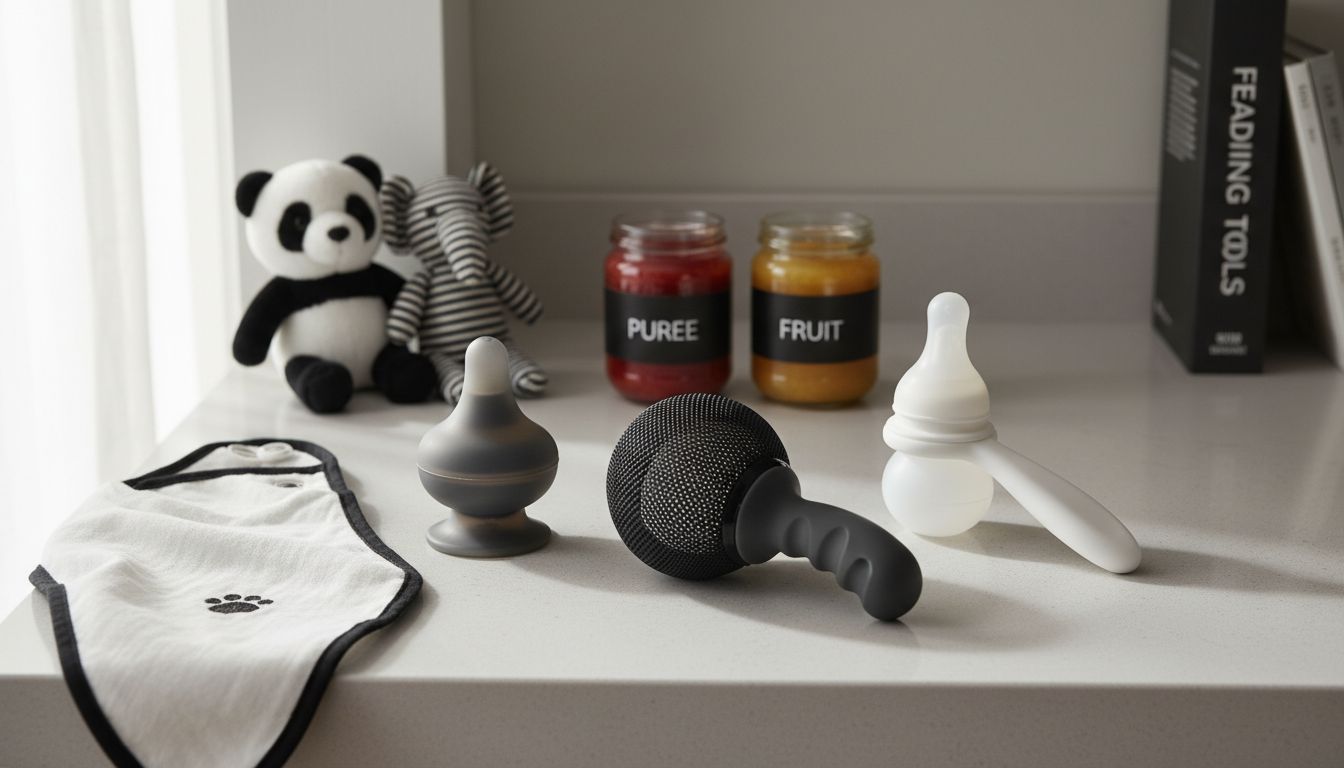
Mesh food feeders represent one popular category, featuring a soft mesh pouch that allows babies to safely explore and consume soft foods like fruits and vegetables. These feeders prevent large chunks from breaking off, reducing choking hazards while enabling infants to experience new textures. Silicone food feeders offer a similar approach, with more durable and flexible materials that can withstand vigorous chewing and provide additional sensory stimulation.
Specialized feeders like the Haberman Feeder cater to infants with specific feeding challenges, providing innovative solutions for babies who struggle with conventional bottle-feeding techniques. These advanced designs help infants receive nutrition more effectively by eliminating the need for strong sucking pressure. Multi-purpose feeding sets further expand the range of feeding options, offering versatile tools that adapt to different developmental stages.
Key types of baby food feeders include:
- Mesh food feeders
- Silicone food feeders
- Specialized medical feeders
- Soft-tipped spoon feeders
- Squeeze pouches with integrated spouts
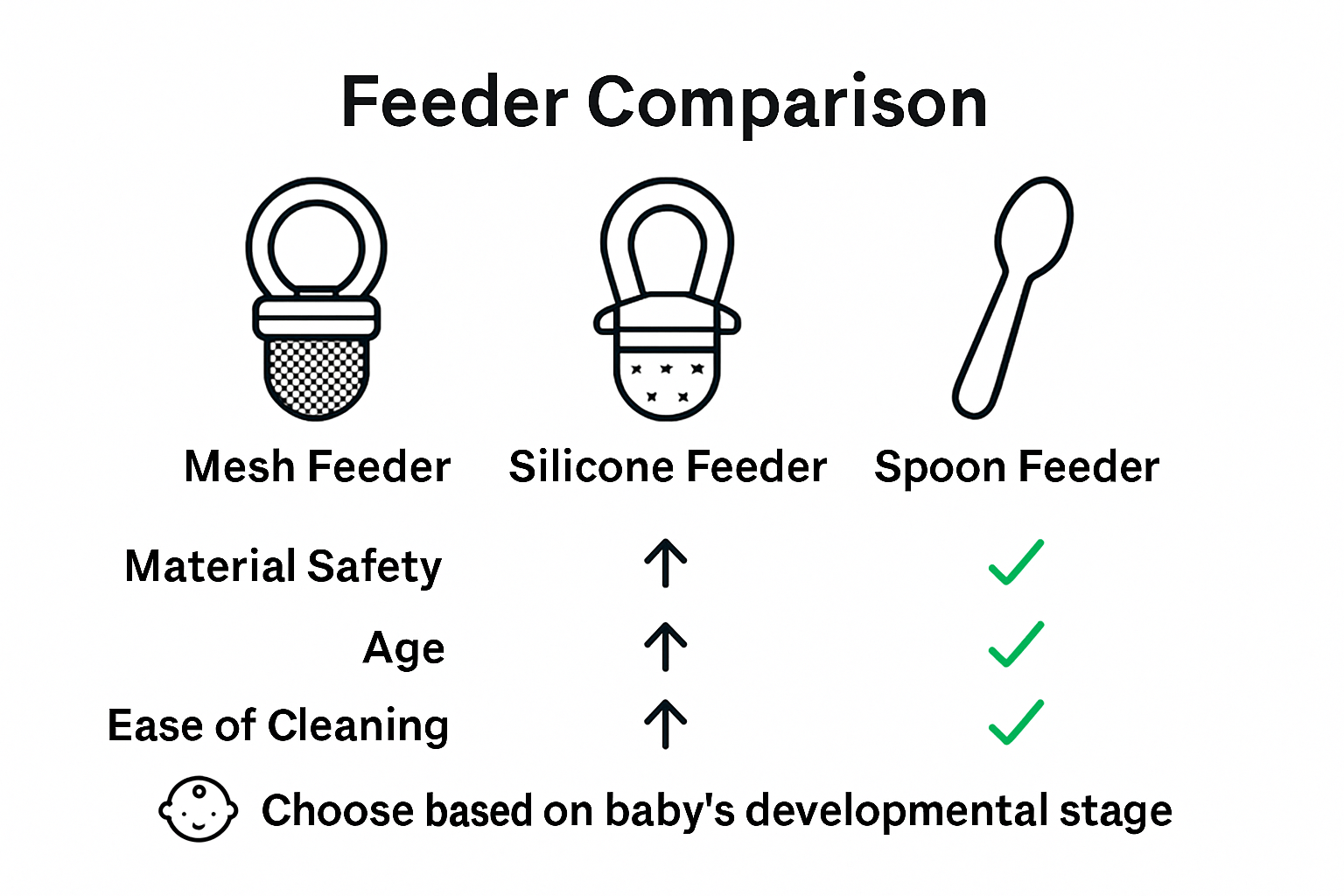
When selecting a baby food feeder, parents should consider factors like age appropriateness, material safety, ease of cleaning, and individual infant needs. Each feeder type offers unique benefits, supporting healthy feeding practices and infant development.
Key Benefits and How Feeders Work
Baby food feeders are innovative tools designed to support infant nutrition and development through carefully engineered mechanisms. Baby-led weaning techniques demonstrate that these devices play a crucial role in promoting self-feeding skills, encouraging independence, and supporting critical oral motor development during early childhood stages.
The primary mechanism of most baby food feeders involves a specialized design that allows controlled food exploration. Mesh and silicone pouches feature small perforations that permit tiny food particles to pass through, enabling babies to taste and experience new textures safely. This controlled exposure helps infants learn about different flavors and consistencies while minimizing choking risks. Specialized feeders like the Haberman Feeder take this concept further by mimicking natural breastfeeding mechanics, allowing infants with sucking difficulties to receive nutrition through gentle tongue and gum pressure.
Key benefits of baby food feeders extend beyond simple nutrition delivery. These tools support critical developmental milestones by enhancing sensory exploration, fine motor skill development, and introducing babies to diverse food experiences. Multi-purpose feeding sets provide versatile solutions that adapt to different stages of infant growth, making them invaluable tools for parents navigating the complex world of early childhood nutrition.
Primary benefits include:
- Enhanced sensory learning
- Reduced choking hazards
- Promotes self-feeding independence
- Supports oral motor skill development
- Allows safe food texture exploration
Parents should select baby food feeders that match their infant’s developmental stage, ensuring safe and engaging nutritional experiences that support healthy growth and learning.
Proper Cleaning and Safe Usage Tips
Baby food feeders require meticulous cleaning and maintenance to ensure infant safety and prevent potential health risks. Infant food safety guidelines emphasize the critical importance of thorough sterilization, recommending comprehensive cleaning procedures that eliminate bacterial contamination and protect vulnerable infants from potential foodborne illnesses.
The cleaning process involves several essential steps. Baby bottle maintenance techniques suggest disassembling the feeder completely before washing, using hot water and mild, unscented soap. Parents should scrub all components carefully, paying special attention to crevices and mesh areas where food particles can accumulate. Silicone and mesh portions require extra care, with gentle but thorough cleaning to prevent bacterial growth and maintain the feeder’s integrity.
Safe usage extends beyond cleaning. Parents should inspect feeders regularly for signs of wear, replacing damaged components immediately to prevent potential choking hazards. Recommended practices include using room-temperature or slightly warm foods, avoiding extremely hot substances that could burn an infant’s sensitive mouth. Multi-purpose feeding sets often come with specific care instructions that can help parents maintain optimal feeding tool hygiene.
Key cleaning and safety guidelines include:
- Wash hands thoroughly before handling feeders
- Sterilize feeders before first use
- Clean after every feeding session
- Air dry on a clean, dedicated rack
- Replace worn or damaged components promptly
- Store in a clean, dry environment
- Check for manufacturer-specific cleaning instructions
Consistent, careful maintenance ensures that baby food feeders remain safe, hygienic tools that support healthy infant nutrition and development.
Comparing Baby Food Feeder Alternatives
Traditional feeding methods continue to evolve as parents seek innovative solutions for infant nutrition. Baby bottles represent the most conventional alternative, offering diverse materials and designs that cater to different infant feeding needs. These traditional tools range from standard plastic bottles to specialized medical-grade options, providing parents with multiple choices for infant nutrition.
Specialized feeding alternatives offer unique solutions for infants with specific requirements. The Haberman Feeder stands out as an exceptional option for babies experiencing sucking difficulties, designed to enable feeding without requiring strong vacuum pressure. This innovative approach allows infants with oral motor challenges to receive nutrition more comfortably, demonstrating how advanced feeding technologies can address complex infant nutritional needs.
Comparing feeding alternatives requires careful consideration of individual infant requirements. Spoon feeding, traditional bottles, specialized medical feeders, and mesh food pouches each present distinct advantages. Multi-purpose feeding sets provide versatile solutions that can adapt to changing infant developmental stages, offering parents flexible feeding options that support nutritional diversity and infant exploration.
Key comparison points for feeding alternatives include:
- Ease of use
- Cleaning complexity
- Material safety
- Age appropriateness
- Nutritional delivery efficiency
- Infant comfort
- Developmental support
Ultimately, selecting the right feeding method depends on understanding individual infant needs, developmental stage, and specific nutritional requirements.
Discover Safe and Easy Feeding Solutions for Your Baby
Introducing solid foods to your infant can be challenging as you want to ensure safety and promote independence. Baby food feeders help reduce choking risks while encouraging your little one to explore new textures and tastes with confidence. By choosing the right feeder made from BPA-free materials and easy-to-clean components, you support your baby’s oral motor skills and sensory development.

Explore our carefully selected range of infant feeding tools within our Other Products – Skin Styles collection to find durable and safe baby food feeders tailored to your child’s needs. Don’t wait until mealtime anxiety sets in. Visit Skin-Styles.com now and give your baby a healthy start with feeding solutions designed for comfort and growth.
Frequently Asked Questions
What is a baby food feeder and how does it work?
A baby food feeder is a specialized tool designed to help infants explore solid foods safely. It typically consists of a mesh or silicone pouch attached to a handle, allowing parents to place soft foods inside for babies to gnaw on. The design prevents large chunks from breaking off, reducing choking risks during self-feeding.
What are the different types of baby food feeders available?
There are several types of baby food feeders including mesh food feeders, silicone food feeders, specialized medical feeders like the Haberman Feeder, soft-tipped spoon feeders, and squeeze pouches with integrated spouts. Each type is designed to cater to different developmental stages and feeding needs.
How do I clean and maintain a baby food feeder?
To clean a baby food feeder, disassemble it completely and wash all components with hot, soapy water. Pay special attention to mesh areas and crevices. Sterilize the feeder before first use and after every feeding session. Inspect for wear regularly and replace any damaged parts to ensure safety.
What are the benefits of using a baby food feeder?
Baby food feeders promote self-feeding, enhance sensory exploration, and support oral motor skill development. They allow infants to safely experience different textures and flavors while minimizing the risk of choking, ultimately encouraging independence during meals.