
You spot ‘cruelty-free’ on a skincare label and assume it’s vegan, sustainable, and ethically perfect. Wrong. This common mistake costs consumers their ethical goals and brands their reputation. The term ‘cruelty-free’ has no legal definition, creating a marketing minefield where misleading claims thrive. Understanding what cruelty-free actually means, which certifications matter, and how to spot authentic products protects both your values and your skin.
Table of Contents
- What Does Cruelty-Free Skincare Really Mean?
- Understanding Cruelty-Free Certifications And Symbols
- Global Animal Testing Laws And Their Impact On Cruelty-Free Claims
- How To Choose Truly Cruelty-Free Skincare Products: Practical Consumer Tips
- Cruelty-Free Skincare Options At Skin Styles
- FAQ
Key takeaways
| Point | Details |
|---|---|
| Definition clarity | Cruelty-free products are not tested on animals at any development stage, but this differs from vegan or sustainable claims. |
| Certification standards | Leaping Bunny offers the strictest verification with independent audits, while PETA provides two certification levels with varying guarantees. |
| Global regulatory gaps | Over 80% of countries lack animal testing bans, and brands selling in mainland China typically lose cruelty-free status due to mandatory testing laws. |
| Consumer verification | Check for official certification logos, consult cruelty-free databases, and research brand policies before purchasing to avoid greenwashing. |
| Ethical impact | Consumer choices drive industry change as cruelty-free certified products score 81/100 on eco-effectiveness despite ongoing challenges. |
What does cruelty-free skincare really mean?
The core meaning is straightforward: cruelty-free products are not tested on animals during any stage of ingredient or product development. This includes raw materials, formulation testing, and final product safety evaluations. However, the absence of a legal definition for ‘cruelty-free’ creates significant marketing ambiguity that confuses even informed consumers.
Many people incorrectly assume cruelty-free automatically means vegan or sustainable. This misunderstanding leads to poor purchasing decisions. A product can be cruelty-free yet contain animal-derived ingredients like beeswax or lanolin. Conversely, vegan skincare products contain no animal ingredients but might still involve animal testing at some point in their development.
The confusion extends to sustainability claims as well. A brand can avoid animal testing while using environmentally harmful packaging or unsustainable sourcing practices. These are separate ethical considerations that require independent verification.
Consumers often trust packaging claims without verification, assuming regulatory bodies enforce cruelty-free standards. They don’t. Without legal requirements, any brand can slap ‘cruelty-free’ on their label regardless of actual practices. This makes third-party certifications essential for validating ethical claims.
Pro Tip: Always check for trusted certification logos like Leaping Bunny or Cruelty Free International rather than relying on brand claims alone. These organizations conduct independent audits and maintain strict standards that protect your ethical choices.
Understanding cruelty-free certifications and symbols
Three major certification programs dominate the cruelty-free landscape: Leaping Bunny, Cruelty Free International, and PETA’s Beauty Without Bunnies. Each sets different standards and verification processes that impact their reliability for consumers seeking genuine ethical products.
Leaping Bunny certification confirms no new animal testing for finished products or ingredients throughout the entire supply chain. The program requires brands to commit to fixed cut-off dates and undergo independent audits to verify compliance. This makes it the gold standard for cruelty-free verification, offering consumers the highest level of assurance.
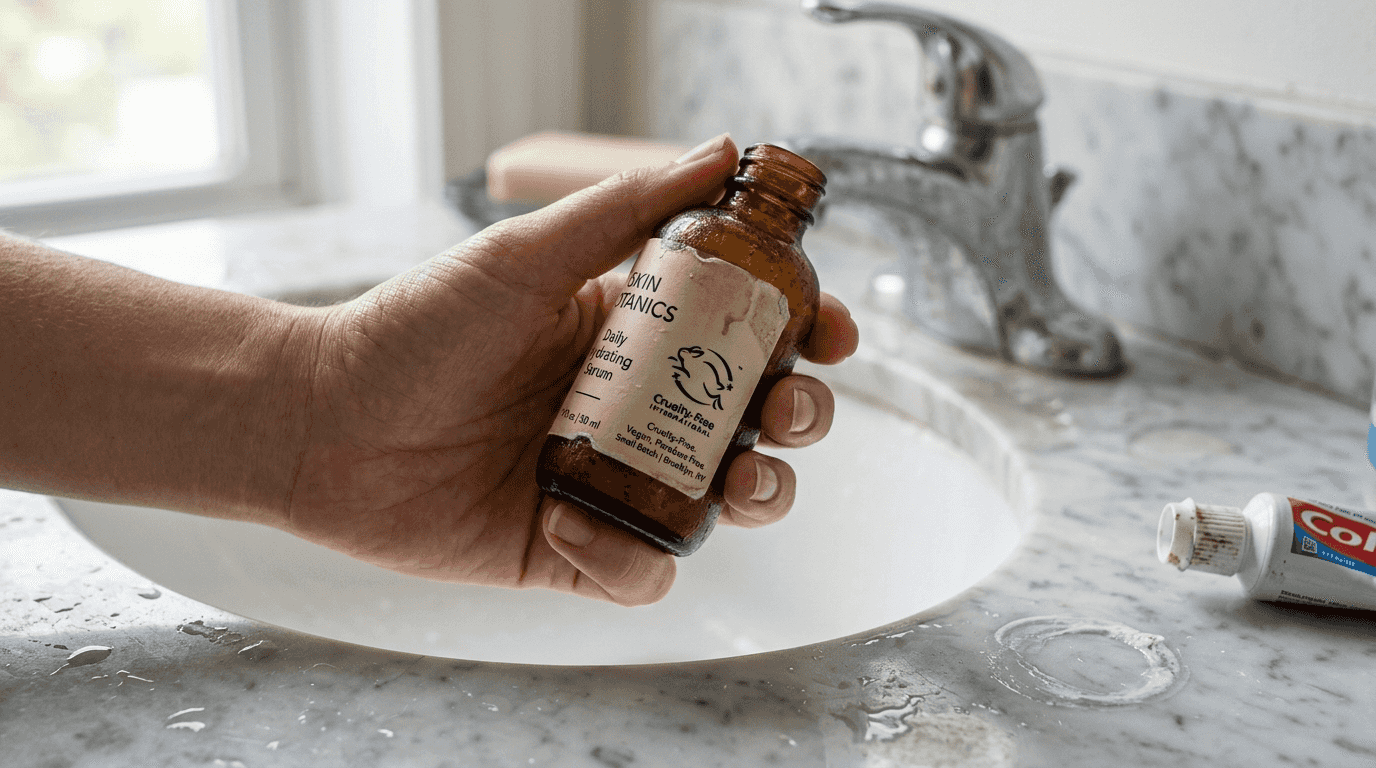
Cruelty Free International operates the Leaping Bunny program globally, setting international standards with rigorous monitoring systems. Their approval process includes supplier declarations, fixed cut-off dates for animal testing, and ongoing independent audits that verify continued compliance. Brands must renew certification annually, maintaining accountability over time.
PETA offers two certification levels with different animal testing restrictions. Their ‘cruelty-free’ certification verifies brands don’t conduct, commission, or pay for animal tests on ingredients or products. The stricter ‘animal test-free’ certification extends these guarantees further but allows more flexibility in supply chain verification compared to Leaping Bunny standards.
| Certification | Testing Coverage | Supply Chain Audits | Strictness Level |
|---|---|---|---|
| Leaping Bunny | Ingredients + Products | Independent yearly audits | Highest |
| Cruelty Free International | Full supply chain | Independent verification | High |
| PETA Cruelty-Free | Products + Ingredients | Brand declaration | Moderate |
| PETA Animal Test-Free | Extended coverage | Brand declaration | Moderate-High |
These certifications cover entire supply chains including cosmetics, personal care products, and household items. Certification scope matters because some brands may be cruelty-free for skincare but not for other product categories. Always verify certification applies to the specific product you’re purchasing.
Pro Tip: Prefer brands with Leaping Bunny certification for the strictest cruelty-free assurance, especially when purchasing from unfamiliar brands or international retailers.
Global animal testing laws and their impact on cruelty-free claims
Animal testing regulations vary dramatically across countries, creating significant challenges for consumers trying to support ethical brands. Only 44 countries have bans or limits on cosmetic animal testing, meaning over 80% of nations allow or require the practice. This global inconsistency directly impacts which brands can legitimately claim cruelty-free status.
Brands selling in mainland China generally lose their cruelty-free status due to mandatory animal testing regulations for imported cosmetics. Chinese authorities require animal testing for certain product categories, forcing brands to choose between market access and ethical certification. Many cruelty-free certified brands refuse to sell in China specifically to maintain their certification integrity.
The ethical impact remains significant despite progress in some regions. Hundreds of thousands to millions of animals suffer from cosmetic testing yearly worldwide. Even in countries with bans, enforcement challenges and loopholes allow continued testing under specific circumstances.
| Region/Country | Annual Animals Tested | Testing Ban Status | Notes |
|---|---|---|---|
| European Union | 0 (banned since 2013) | Complete ban on testing and sales | Strictest regulations globally |
| United Kingdom | 0 (banned since 1998) | Complete ban with strong enforcement | Post-Brexit maintenance of EU standards |
| China (Mainland) | Estimated 300,000+ | Required for imported cosmetics | Recent reforms for domestically produced products only |
| United States | No comprehensive data | No federal ban | State-level bans emerging (California, Nevada, others) |
Regulatory context creates serious difficulties for consumers trusting labels. A brand might be cruelty-free in Europe but test on animals for Asian markets. Others may claim cruelty-free status while their parent company conducts animal testing. These nuances require careful research beyond surface-level marketing claims.
International skincare shopping adds another layer of complexity, as products certified cruelty-free in one country may not meet standards elsewhere. Consumers must verify certifications apply across all markets where products are sold, not just their home country.
How to choose truly cruelty-free skincare products: practical consumer tips
Verifying cruelty-free claims requires more than reading packaging. Start by looking for trustworthy certification logos like Leaping Bunny directly on product labels or brand websites. These symbols indicate independent verification rather than self-declared claims that lack accountability.
Beware of products claiming cruelty-free status while being sold in markets requiring animal testing. This contradiction invalidates their ethical claims regardless of what their marketing suggests. Check where brands distribute products, especially regarding mainland China sales.
Follow these steps to ensure authentic cruelty-free purchases:
- Check product packaging and brand websites for recognized certification logos (Leaping Bunny, Cruelty Free International, PETA).
- Research brand policies on official cruelty-free databases like Logical Harmony, Cruelty-Free Kitty, or PETA’s searchable directory.
- Verify brands don’t sell in markets requiring animal testing, particularly mainland China for imported cosmetics.
- Confirm certifications cover the entire supply chain, not just finished products, to ensure comprehensive ethical standards.
- Look beyond vegan and sustainability claims to specifically verify no animal testing occurred at any development stage.
- Review parent company policies if purchasing from subsidiary brands, as corporate practices may contradict individual brand claims.
Use official brand websites and cruelty-free databases for confirmation rather than relying on retailer descriptions. Retailers may incorrectly categorize products or lack updated information about certification changes. Going directly to authoritative sources provides accurate, current verification.
Cruelty-free certifications score 81/100 on eco-effectiveness, indicating good progress but also limitations like greenwashing risks. Some brands exploit certification ambiguity or make misleading claims that technically avoid lying while deceiving consumers. Critical evaluation protects against these tactics.
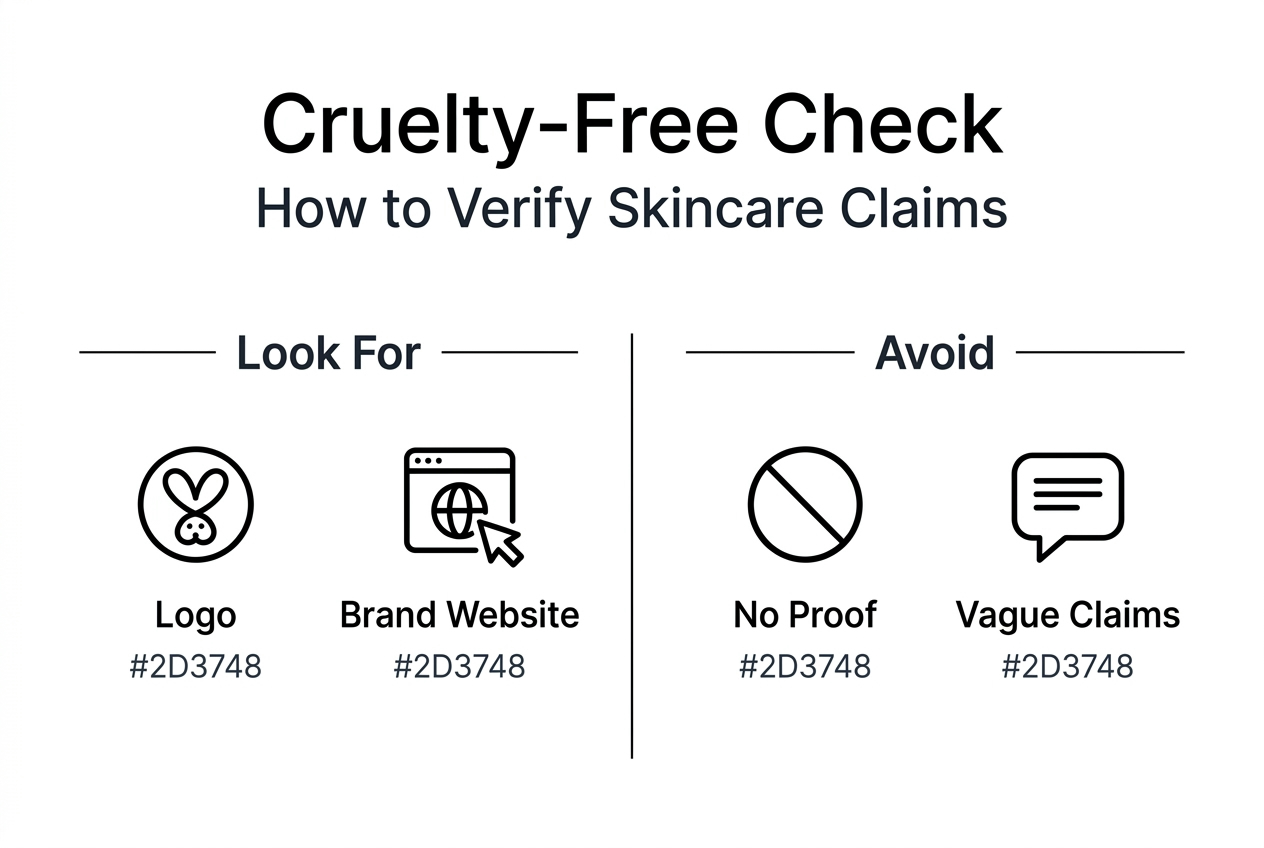
Look beyond vegan and sustainability claims specifically for animal testing verification. A product might be vegan and sustainable yet still involve animal testing somewhere in its development. These are distinct ethical considerations requiring separate verification through appropriate certifications.
Pro Tip: Prioritize brands with independent audits and transparent supply chain disclosure. Companies willing to share detailed information about their testing policies and ingredient sourcing demonstrate genuine commitment to ethical practices rather than marketing exploitation.
Consider choosing non-toxic skincare alongside cruelty-free options to address both ethical and health concerns. Many brands now offer products meeting multiple ethical standards simultaneously, simplifying conscious consumer choices.
Cruelty-free skincare options at Skin Styles
Finding verified cruelty-free skincare becomes simpler when shopping curated collections from ethical retailers. Skin Styles offers carefully selected products that align with cruelty-free values, making it easier to match your skincare needs with your ethical commitments.

Explore facial creams and gels formulated without animal testing, providing hydration and treatment options for various skin types and concerns. The collection includes moisturizers, serums, and specialty treatments from brands committed to ethical development practices.
The facial cleansers collection features gentle yet effective options that respect both your skin and your values. From oil cleansers to foaming formulas, these products deliver thorough cleansing without compromising ethical standards.
Discover Cosrx skincare products, a brand known for innovative formulations and ethical practices. Their targeted treatments address specific skin concerns while maintaining cruelty-free commitments throughout product development.
FAQ
Is cruelty-free skincare the same as vegan skincare?
No, they represent different ethical considerations. Cruelty-free means no animal testing occurred during product or ingredient development at any stage. Vegan skincare avoids animal-derived ingredients like beeswax, lanolin, or collagen but may still involve animal testing somewhere in the supply chain. Products can be cruelty-free without being vegan, and vice versa, requiring separate verification for each claim.
How can I verify if a brand is truly cruelty-free?
Check for recognized certification logos like Leaping Bunny or Cruelty Free International on packaging or brand websites. Consult official cruelty-free databases such as Logical Harmony, Cruelty-Free Kitty, or PETA’s searchable directory for verified brand lists. Contact brands directly to ask about their animal testing policies, parent company practices, and whether they sell in markets requiring animal testing like mainland China.
Why do some cruelty-free brands not sell in certain countries?
Countries like mainland China require animal testing by law for imported cosmetics, which conflicts directly with cruelty-free certification standards. Many ethical brands choose not to sell in these markets to maintain their certification integrity and avoid participating in animal testing. This market restriction demonstrates genuine commitment to cruelty-free principles rather than exploiting loopholes that would invalidate their ethical claims.
Does cruelty-free certification guarantee all ingredients are ethically sourced?
No, cruelty-free certification specifically verifies no animal testing occurred but doesn’t guarantee other ethical sourcing practices. Brands may still use environmentally harmful ingredients, exploit workers, or engage in unsustainable practices while maintaining cruelty-free status. Consumers concerned about comprehensive ethical standards should verify multiple certifications covering different aspects like fair trade, organic, or environmental sustainability alongside cruelty-free verification.