

TL;DR:
- Thermal feeding sets are designed to keep baby food at consistent temperatures throughout meals.
- They improve nutrient retention, reduce mealtime stress, and promote independent eating in children.
- Choosing the right set involves considering materials, insulation type, safety, and compatibility with daily routines.
Most parents have tried everything to keep baby food at the right temperature: reheating purees mid-meal, wrapping bowls in dish towels, even holding the container under warm tap water while a toddler loses patience. These makeshift fixes rarely work, and the result is a frustrated child and a stressed caregiver. Thermal feeding sets solve this problem by design, not by improvisation. This guide breaks down exactly what they are, how they work, why they matter for infants and toddlers, and how to pick the right one for your family’s routine.
Table of Contents
- What is a thermal feeding set?
- How thermal feeding sets work
- Why thermal feeding sets matter for infants and toddlers
- How to choose the right thermal feeding set
- The overlooked value of thermal feeding sets in modern parenting
- Ready to upgrade your feeding essentials?
- Frequently asked questions
Key Takeaways
| Point | Details |
|---|---|
| Consistent temperature | Thermal feeding sets keep food at safe temperatures for longer, preventing cooling or overheating. |
| Better child nutrition | Maintaining optimal temperature helps preserve nutrients and encourages healthy eating habits. |
| Convenient and stress-free | They reduce the need for reheating and make mealtimes easier for both parents and children. |
| Smart buying tips | Choosing BPA-free, easy-to-clean sets with secure lids ensures safety and usability. |
What is a thermal feeding set?
A thermal feeding set is a collection of feeding tools built specifically to maintain food temperature throughout an entire meal. Unlike a standard plastic bowl and spoon combo, these sets use advanced materials and construction methods to hold heat or cold for an extended period. The result is food that stays at a consistent, comfortable temperature from the first bite to the last.
Most sets include three or four core components:
- Insulated bowl: The main vessel, typically featuring double-walled construction to trap heat or cold
- Leak-proof lid: Keeps steam in and spills out, preserving temperature and preventing mess
- Utensils: Spoons or forks made from silicone or food-safe plastic, sized for small hands and mouths
- Optional extras: Some sets add suction bases, water jacket rings, or gel packs for extended temperature retention
The technology behind these sets varies by product. Double-walled stainless steel works through a vacuum or air gap between two layers, slowing down heat transfer dramatically. Water jacket designs use a ring of warm water poured by the caregiver to surround the food chamber. Gel pack inserts can be heated or chilled before use. Each approach achieves the same goal: keeping mashed sweet potato warm while a toddler decides whether to cooperate.
Thermal feeding sets are designed to keep food at optimal temperatures longer, using double-walled construction, water jackets, or gel packs, making them fundamentally different from any standard feeding product on the market.
Here is a quick look at the main types side by side:
| Type | Insulation method | Best for |
|---|---|---|
| Double-walled stainless steel | Air/vacuum gap | Everyday hot meals |
| Water jacket bowl | Warm water ring | Purees and soft foods |
| Gel pack insert | Pre-heated/chilled gel | Travel and on-the-go feeding |
| Insulated plastic | Foam or air pocket | Light use, budget-friendly |
Common situations where these sets make a real difference include morning oatmeal that would otherwise cool before a slow eater finishes, yogurt or fruit that needs to stay chilled at a playground, or purees served at daycare pickup when time is tight. The benefits of quality feeding sets stretch across nearly every feeding scenario a parent faces.
How thermal feeding sets work
Understanding the mechanics helps you get the most out of your investment. At its core, a thermal feeding set slows down the natural process of heat exchange between the food inside and the air outside. Insulation materials create a barrier that makes this transfer as slow as possible.
Stainless steel is the gold standard here. It is durable, non-reactive, and holds temperature exceptionally well in double-walled form. Food-safe plastics provide a lightweight alternative that works well for toddlers learning to self-feed, since they are less intimidating to hold. Silicone is used heavily for lids and utensils because it is flexible, heat-resistant, and gentle on gums and developing teeth.
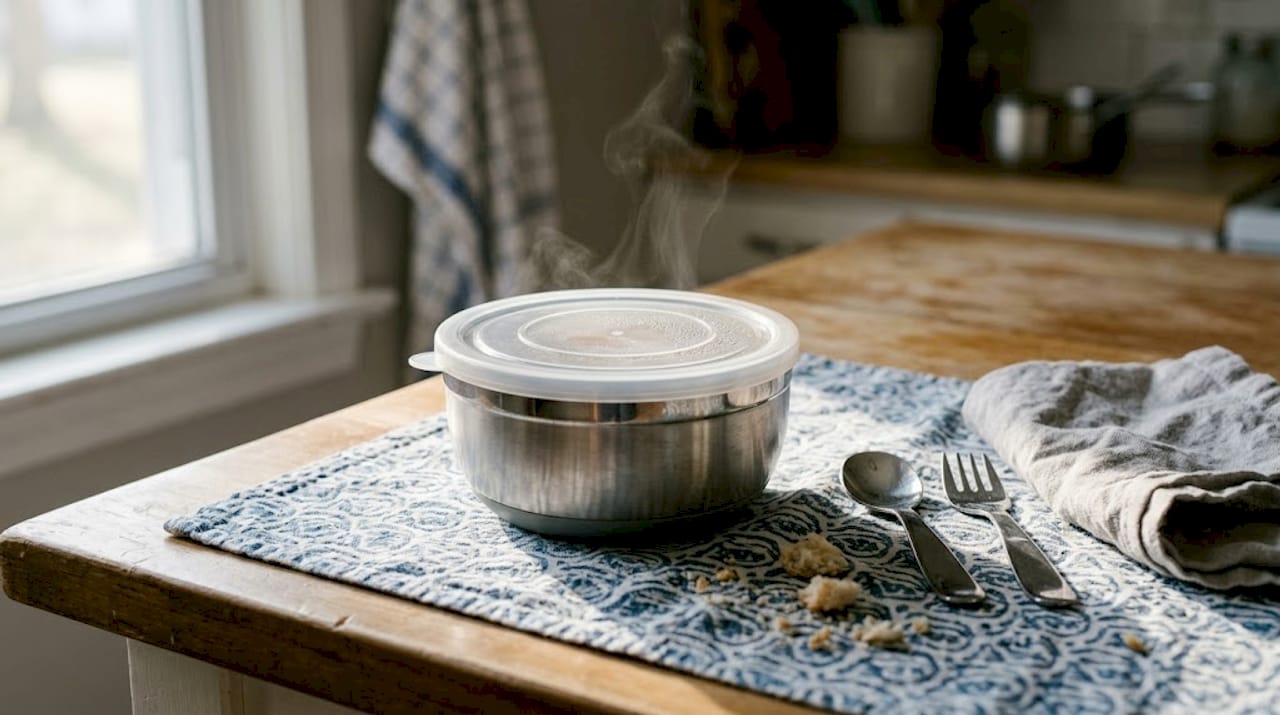
Here is a simple comparison of thermal vs. regular feeding sets in practice:
| Feature | Thermal feeding set | Regular feeding set |
|---|---|---|
| Temperature retention | Up to 1-2 hours | 10-15 minutes |
| Reheating needed | Rarely | Frequently |
| Material quality | Food-grade, BPA-free | Varies widely |
| Spill control | Leak-proof lids standard | Often minimal |
| Travel suitability | Excellent | Limited |
To use a thermal set for hot foods, follow these steps:
- Pre-warm the bowl by filling it with hot water for one minute, then emptying it before adding food
- Fill the bowl with your prepared food and secure the lid immediately
- If your set uses a water jacket, fill the outer ring with warm (not boiling) water before inserting the food bowl
- Serve within the manufacturer’s recommended window for best temperature results
- After the meal, disassemble all parts and wash each piece separately according to instructions
For cold foods like chilled fruit or yogurt, the same logic applies in reverse: pre-chill the bowl with cold water before filling it.
Thermal feeding sets keep food warmer for longer periods, reducing the need for reheating and improving mealtime safety by minimizing bacteria growth that can occur when food fluctuates between warm and cool temperatures repeatedly.
On the hygiene side, most quality thermal sets are dishwasher-safe on the top rack. Always check that the double-walled chamber seal stays intact, since a broken seal compromises insulation.
Pro Tip: Pre-warming or pre-chilling the bowl before adding food can extend temperature retention by up to 20 minutes beyond the manufacturer’s estimate. It takes 60 seconds and makes a noticeable difference. You might also check out how hydrating effects during feeding play a role in overall infant wellness.
Why thermal feeding sets matter for infants and toddlers
Temperature is not just a comfort issue. It directly affects food quality, nutrition, and how willing a young child is to eat.
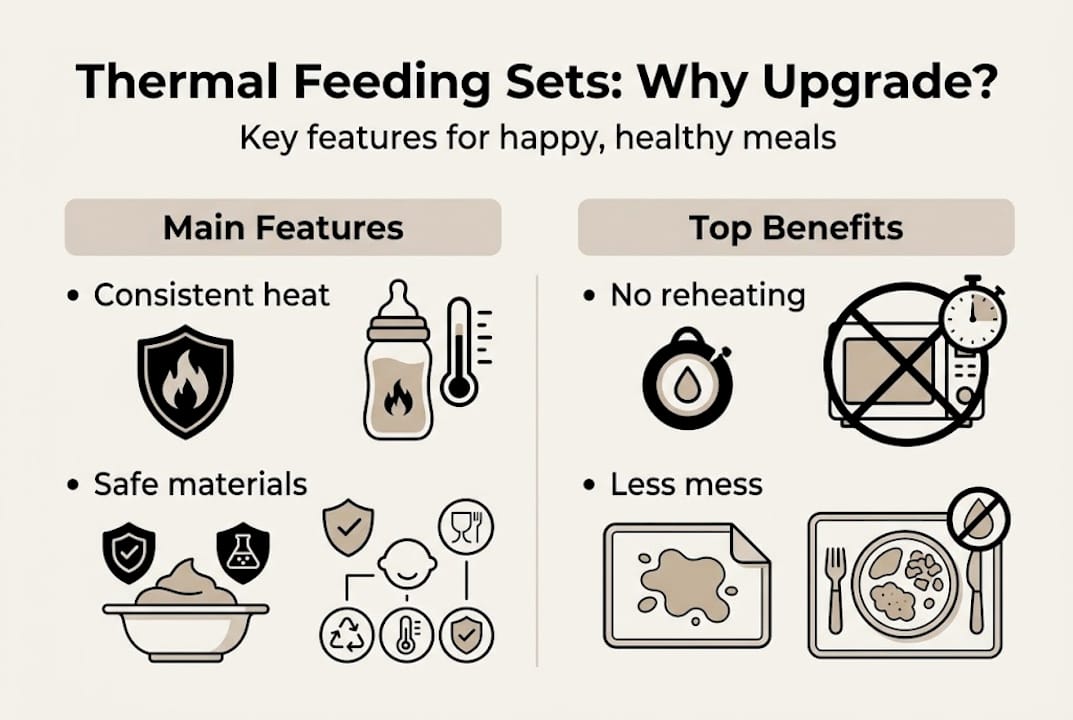
When food sits in a regular bowl and cools quickly, several things happen. Texture changes: oatmeal turns gluey, pureed vegetables get thick and less palatable, and mashed fruits lose their fresh consistency. Flavor also shifts as food cools. For a picky eater who is already skeptical about trying new things, these changes can mean a flat-out refusal to eat. Proper food temperature helps preserve nutrients and can encourage better appetite and feeding habits in young children, which matters far more than most parents initially realize.
Here are the specific ways thermal feeding sets benefit young children and their caregivers:
- Better nutrient retention: Some heat-sensitive vitamins degrade more slowly when food is kept consistently warm rather than reheated multiple times
- Improved appetite: Consistent temperature means consistent texture and taste, which keeps food appealing to toddlers with developing preferences
- Fewer mealtime battles: A bowl of food that looks and smells right from start to finish is much easier to sell to a reluctant eater
- Caregiver stress reduction: Not scrambling to reheat mid-meal lets you focus on the actual feeding interaction
- Support for self-feeding: Children learning to use a spoon independently take longer. A thermal bowl keeps food inviting through the whole process
- Travel and daycare readiness: Food stays safe and appealing even when mealtime is delayed by commutes or schedules
“The difference between a successful mealtime and a stressful one often comes down to whether the food still looks and feels good when your child finally decides to eat it.”
Research consistently points to mealtime environment and food presentation as key factors in developing healthy eating habits early in life. When temperature is controlled, you remove one major variable that can derail an otherwise well-planned meal. You can also think about maintaining moisture during mealtime as part of a broader approach to your child’s comfort.
How to choose the right thermal feeding set
With so many options on the market, narrowing down your choice feels overwhelming. Focus on the factors that actually matter for daily use.
Follow these steps to make a confident purchase:
- Check materials first. Not all thermal sets are equal; look for BPA-free materials and easy-to-clean designs before anything else
- Evaluate insulation type. Double-walled stainless steel offers the longest retention. Water jacket and gel options work well but require an extra preparation step
- Look for safety certifications. Phrases like “food-grade,” “BPA-free,” and “phthalate-free” should appear clearly on the product listing or packaging
- Assess cleaning ease. Wide openings, dishwasher-safe parts, and minimal small crevices will save you significant time over weeks and months of daily use
- Consider your lifestyle. If you travel often, prioritize a compact set with a secure lid. For home use, a larger bowl with a suction base works better
- Read real parent reviews. Look for feedback specifically about temperature retention after 30 or 60 minutes, since that reflects real-world performance
When you think about how to fit a thermal set into daily routines, the adjustment is minor. Prep your bowl while food cooks, and you add maybe two minutes to your morning. On travel days, gel pack sets can be prepared the night before. Think about how layering feeding routines into your existing schedule makes adoption easy rather than burdensome.
Pro Tip: Invest in a set that includes a suction base and a spill-proof lid. These two features alone reduce cleanup time and mealtime chaos dramatically, especially for toddlers in the self-feeding stage who have not yet mastered bowl stability.
The overlooked value of thermal feeding sets in modern parenting
Here is an honest observation: most parenting product lists classify thermal feeding sets as optional extras, somewhere below the high chair and the baby monitor. That classification undersells what these sets actually do for a family over months and years.
Temperature-related mealtime frustration is one of the most common triggers for caregiver stress at the table. When food gets cold and a child refuses it, parents face a choice between reheating (which takes time and disrupts rhythm) or pushing forward with food the child has already rejected. Neither option ends well. A thermal set quietly removes that choice from the equation entirely.
Beyond convenience, there is a developmental argument worth making. Thermal feeding sets can play a pivotal role in smoother transitions from purees to solids and in encouraging independent eating. When a toddler can take their time with a spoon and the food still tastes good 20 minutes in, self-feeding becomes a positive experience rather than a race against a cooling bowl. That confidence carries forward. Positive associations with mealtime built in toddlerhood shape eating behavior well into childhood. This is the kind of return on investment that rarely appears in product descriptions but matters enormously to real families. You can find more expert thoughts on feeding sets that support this view.
Ready to upgrade your feeding essentials?
Now that you understand what thermal feeding sets offer, the next step is finding one that fits your family’s daily reality.

At Skin Styles, we carry thoughtfully designed options built for real parenting life. Our 8-piece silicone baby feeding set includes BPA-free suction plates, insulated bowls, and toddler-friendly utensils that make self-feeding easier and cleaner. It covers everything from early purees to finger foods, all in one purchase. Browse our full range of more feeding accessories to find the combination that works best for your child’s current stage and your day-to-day schedule. Better mealtimes start with better tools.
Frequently asked questions
What does a thermal feeding set include?
A thermal feeding set typically includes an insulated bowl, a leak-proof lid, and utensils designed to keep food warm or cool for extended periods. Quality sets feature bowls, lids, and utensils engineered specifically for optimal temperature retention throughout a full meal.
Are thermal feeding sets safe for babies?
Yes, high-quality thermal feeding sets use BPA-free, food-grade materials and ensure safe temperature control for infants and toddlers. Always check that the product is BPA-free and certified before purchasing for use with infants.
How long do thermal feeding sets keep food warm?
Depending on the design and insulation method, thermal sets can maintain food temperature for up to 1 to 2 hours, which minimizes reheating. Sets that keep food warmer longer promote safer mealtimes by reducing repeated temperature fluctuations.
Can thermal feeding sets be used for cold foods and snacks?
Yes, thermal feeding sets work for both warm meals and cool snacks, making them versatile for different feeding needs throughout the day. The same insulation that maintains warm and cool temperatures makes them ideal for chilled yogurt, fruit, and snacks on outings.