

Mealtime with toddlers can feel like a battlefield. Bowls fly across the room, food ends up on the floor, and cleanup takes longer than the meal itself. Many parents struggle with the constant mess and frustration of keeping dishes in place while their little ones learn to eat independently. Suction bowls offer a practical solution by securing firmly to surfaces, reducing spills and allowing toddlers to focus on developing their feeding skills. This article explains what suction bowls are, how they benefit both toddlers and caregivers, and provides actionable tips for choosing and using them effectively to transform your mealtime experience.
Table of Contents
- Key takeaways
- What is a suction bowl?
- Benefits of suction bowls for toddlers and caregivers
- How to choose and use suction bowls effectively
- Common misconceptions and troubleshooting suction bowls
- Explore quality baby feeding accessories at Skin Styles
- Frequently asked questions
Key Takeaways
| Point | Details |
|---|---|
| Secure to surfaces | Suction bowls create a vacuum seal that grips flat surfaces to prevent spills and keep meals in place during messy toddler meals. |
| Safe materials | They use BPA free silicone or food grade plastics and are designed to be non toxic and hypoallergenic for toddlers. |
| Independent eating | A stable eating surface helps toddlers practice self feeding, building confidence and promoting independent eating habits. |
| Easy cleanup | Many models are dishwasher safe, making cleanup quick and easy after meals. |
| Usage tips | To get the best seal press the bowl firmly on a clean smooth surface and avoid using on rough or damaged surfaces. |
What is a suction bowl?
A suction bowl is a specialized feeding dish designed with a flexible base that creates a secure seal against flat surfaces. Unlike traditional bowls that slide and tip easily, suction bowls secure to surfaces through a vacuum mechanism that keeps them firmly in place during toddler mealtimes. The suction base uses soft, pliable material that conforms to the surface beneath it, creating an airtight seal when pressed down. This innovative design addresses one of the most common challenges parents face: keeping dishes stationary while toddlers learn to coordinate their movements and develop fine motor skills.
The primary purpose of suction bowls extends beyond simple spill prevention. They create a stable eating environment that allows toddlers to practice self-feeding without the frustration of chasing a moving bowl around their high chair tray. This stability builds confidence and encourages independent eating habits from an early age. The psychological benefit for both child and caregiver cannot be overstated, as reduced mess translates directly to less stress and more positive mealtime interactions.
Most suction bowls are manufactured from materials specifically chosen for infant and toddler safety:
- BPA-free silicone that remains flexible and durable through repeated use
- Food-grade plastic tested for chemical safety and temperature resistance
- Non-toxic materials that meet strict safety standards for children’s products
- Hypoallergenic compositions suitable for sensitive toddlers
Typical design features make these bowls practical for everyday use. They often include easy-grip edges that help small hands hold the bowl when needed, though the suction prevents accidental tipping. The lightweight construction ensures toddlers can manage them without strain, yet they remain sturdy enough to withstand enthusiastic eating. Many models are dishwasher safe, making cleanup effortless after meals. The suction mechanism itself works through a soft, flexible base that spreads across the surface when pressure is applied, pushing out air to create the vacuum seal that holds the bowl in place.
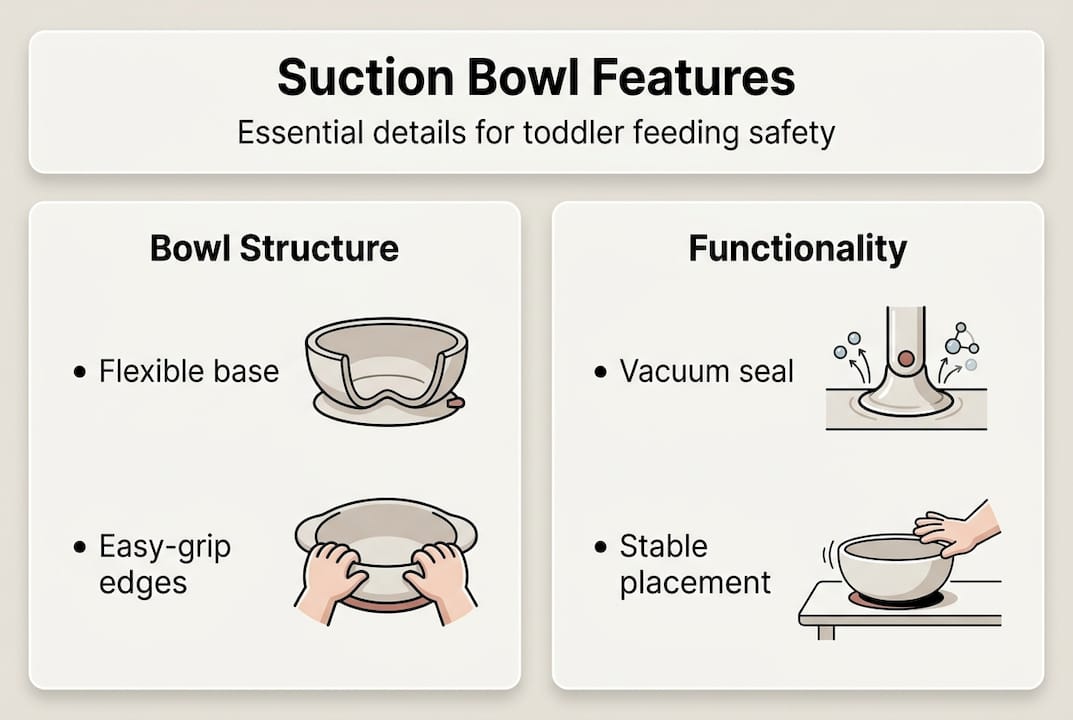
The effectiveness of this vacuum seal depends on surface contact. When you press the bowl down firmly onto a clean, smooth surface, the flexible base material expands outward, forcing air from beneath it. As the air escapes, atmospheric pressure above the bowl pushes down more forcefully than any remaining air pressure below can push up, creating the suction effect. This same principle keeps the bowl secure even when toddlers push, pull, or bang on it during meals. Understanding this mechanism helps parents optimize placement and maintenance for best results.
Benefits of suction bowls for toddlers and caregivers
The practical advantages of suction bowls extend far beyond their basic function. Parents consistently report dramatic improvements in mealtime quality once they introduce these innovative feeding tools. The primary benefit lies in mess minimization, as the bowl remains firmly anchored to high chair trays or table surfaces regardless of how enthusiastically toddlers eat. This stability means food stays in the bowl rather than ending up on floors, walls, or clothing. Using suction bowls drastically reduces spills and the associated cleanup time that often discourages parents from allowing independent feeding.
Safety enhancement represents another critical advantage. Traditional bowls pose tipping hazards that can result in hot food spilling onto toddlers or creating slipping hazards on floors. Suction bowls eliminate these risks by maintaining their position throughout the meal. This security allows caregivers to step back slightly, giving toddlers the space they need to develop autonomy while still maintaining a safe eating environment. The reduced anxiety about potential accidents transforms mealtime from a stressful monitoring session into a more relaxed family experience.
Key benefits for toddler development include:
- Enhanced focus on eating skills rather than bowl stabilization
- Improved hand-eye coordination through consistent target positioning
- Greater confidence in self-feeding abilities
- Reduced frustration that can lead to mealtime resistance
For caregivers, the advantages multiply. Easy cleanup from spill prevention dramatically lowers the stress associated with toddler meals. Instead of spending 15 minutes wiping down surfaces and mopping floors after every meal, parents can simply remove the bowl and wipe the immediate eating area. This time savings accumulates significantly across multiple daily meals and snacks. The materials used in quality suction bowls are typically non-toxic and hypoallergenic, addressing safety concerns that conscientious parents prioritize when selecting feeding products.
Pro Tip: Choose suction bowls with strong seals but also easy-release tabs or edges. This balance ensures the bowl stays put during meals but doesn’t require excessive force to remove afterward, preventing frustration and potential surface damage.
“Families using suction bowls report up to 80% reduction in mealtime spills compared to traditional bowls, with corresponding decreases in cleanup time and caregiver stress levels.”
The psychological benefits deserve equal attention. When toddlers successfully feed themselves without constant bowl mishaps, they develop positive associations with mealtimes. This early success builds eating confidence that carries forward as they grow. Parents also experience reduced anxiety, knowing they can briefly turn their attention to other tasks without risking a catastrophic spill. This mutual benefit creates a more harmonious feeding dynamic that supports healthy eating habits and family relationships.
How to choose and use suction bowls effectively
Selecting the right suction bowl requires evaluating several critical factors that impact both safety and functionality. Material safety stands at the top of the priority list. Always verify that bowls are made from BPA-free materials and meet food safety standards for your region. Selecting bowls with easy-to-clean materials and strong suction enhances both safety and daily convenience. Look for certifications from recognized safety organizations that test children’s products for chemical content and durability.
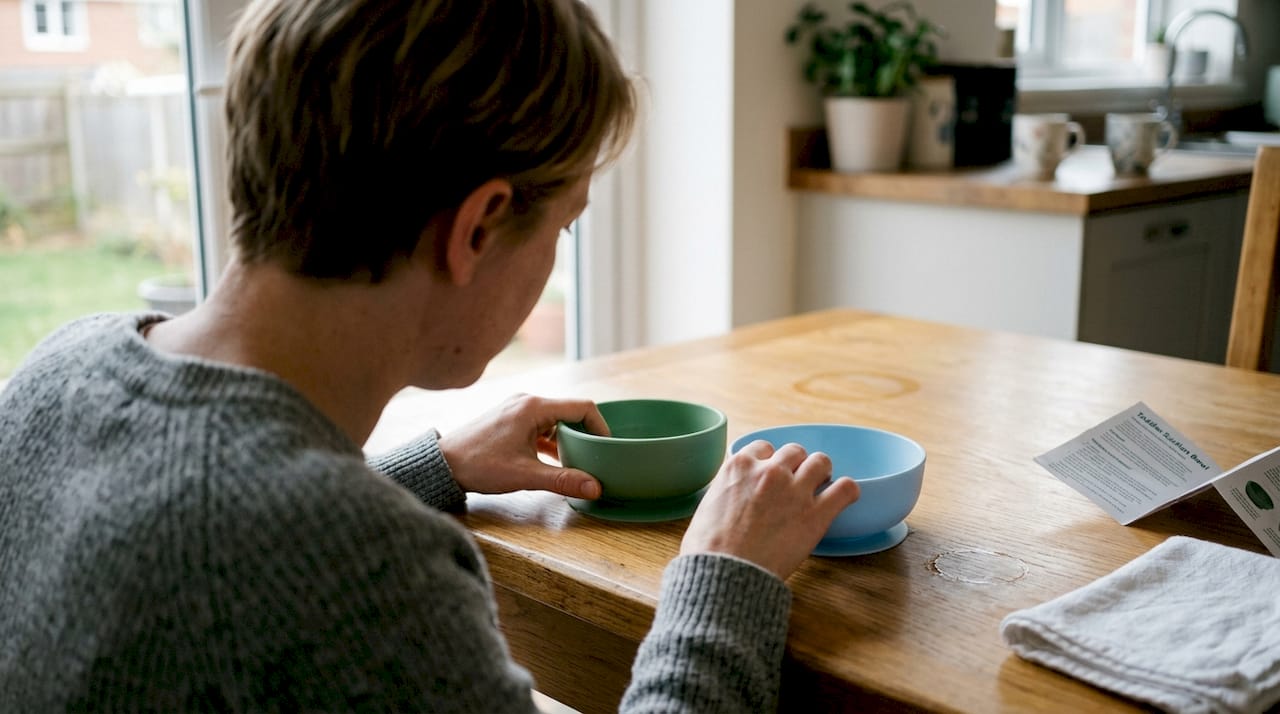
Suction strength varies significantly between products. The best bowls create a seal strong enough to withstand determined toddler tugging but release cleanly when you need to remove them. Test reviews often mention suction quality, so research before purchasing. Bowl size and shape should match your toddler’s developmental stage. Smaller bowls work well for younger toddlers still mastering utensil use, while larger options suit older children with bigger appetites. Divided bowls offer compartments for different foods, which some toddlers prefer for sensory or preference reasons.
Ease of cleaning cannot be overlooked when you’re washing dishes multiple times daily. Dishwasher-safe bowls save enormous time and effort. Avoid bowls with intricate crevices where food particles can hide and bacteria can grow. Smooth, simple designs clean most thoroughly and maintain hygiene standards essential for toddler health.
Follow these steps for proper suction bowl application:
- Clean the surface thoroughly, removing any food residue, moisture, or debris that could interfere with the seal
- Dry the surface completely, as even small amounts of water can prevent proper suction
- Clean the suction base of the bowl itself, ensuring no food particles or dust remain on the rim
- Center the bowl on the desired spot, typically in front of the toddler’s seating position
- Press down firmly in the center of the bowl, then work outward toward the edges to expel all air
- Test the seal by gently tugging the bowl from different angles before adding food
Maintenance extends the life of your suction bowls significantly. After each use, wash the bowl promptly to prevent food from drying on the suction base. Pay special attention to the rim where the seal forms. Inspect regularly for cracks, tears, or degradation in the suction material. Even small damage can compromise the seal’s effectiveness. Store bowls in a way that prevents the suction base from becoming deformed or collecting dust.
| Feature | Silicone Bowls | Plastic Bowls |
|---|---|---|
| Suction strength | Excellent, flexible seal | Good, depends on quality |
| Durability | High, resists cracking | Moderate, can crack with drops |
| Temperature safety | Microwave and freezer safe | Often microwave safe, check labels |
| Cleaning ease | Dishwasher safe, stain resistant | Dishwasher safe, may stain |
| Price range | Higher initial cost | More budget-friendly |
| Longevity | Lasts years with proper care | May need replacement sooner |
Pro Tip: Test suction on different surfaces around your eating area before committing to a spot. High chair trays, table surfaces, and placemats all perform differently. Finding the optimal surface for your specific bowl maximizes effectiveness and reduces mealtime frustration.
Encouraging your toddler to use the bowl confidently involves demonstrating its stability. Show them how the bowl stays put when they touch it, building trust in the new feeding tool. Start with favorite foods to create positive associations. Praise their independent eating efforts rather than focusing on mess, which reinforces the behaviors you want to encourage. Gradually increase the challenge by introducing foods requiring more complex utensil skills as their confidence grows.
Common misconceptions and troubleshooting suction bowls
Several myths about suction bowls persist despite their proven effectiveness. The most common misconception is that these bowls stick reliably to any surface. In reality, suction bowls require specific conditions to function properly. Clean, flat, and dry surfaces are essential for secure attachment. Textured surfaces, porous materials like unsealed wood, or surfaces with residual oils or food particles will prevent proper seal formation. Understanding this limitation helps parents set realistic expectations and choose appropriate placement locations.
Another widespread myth suggests suction bowls are only suitable for babies. In fact, these bowls remain useful well into the toddler years and even beyond for children who need extra stability during meals. The age range extends from around six months when babies begin eating solid foods through age three or four when most children have developed sufficient coordination to manage traditional bowls. Some children with developmental delays or motor skill challenges benefit from suction bowls even longer.
When suction fails, systematic troubleshooting usually identifies the problem. Proper surface preparation is crucial for the suction mechanism to work effectively. Start by examining the surface itself. Wipe it down with a clean, dry cloth to remove any invisible residue. Check the suction base of the bowl for damage, food particles, or wear. Even microscopic debris along the sealing edge can break the vacuum. Test on a known good surface like a glass table or smooth countertop to determine whether the issue lies with the bowl or the original surface.
Textured surfaces pose particular challenges. High chairs with textured trays, placemats with patterns or raised surfaces, and tables with wood grain or finishes all interfere with seal formation. If you must use these surfaces, consider placing a smooth cutting board or laminated placemat underneath the suction bowl to create the flat surface it requires. This simple adaptation often solves persistent suction problems.
Common mistakes when removing suction bowls can damage the base over time:
- Pulling straight up without breaking the seal first
- Yanking forcefully when the bowl resists
- Twisting the bowl while it remains suctioned
- Using sharp objects to pry the edge up
The correct removal technique involves lifting one edge slightly to allow air underneath, breaking the vacuum seal. Once air enters, the bowl releases easily without stress on the material. This gentle approach preserves the suction base integrity for hundreds of uses. Teaching older toddlers this technique as they grow also prevents them from damaging their bowls through improper removal.
Maintaining suction strength over time requires consistent care. Avoid exposing bowls to extreme temperatures beyond their rated range, as heat can degrade silicone and plastic. Don’t use abrasive scrubbers on the suction base, as scratches create tiny channels where air can leak. Replace bowls when you notice the suction weakening despite proper cleaning and surface preparation, as material fatigue eventually affects all suction products.
Troubleshooting checklist for suction issues:
- Verify the surface is completely clean and dry
- Inspect the bowl’s suction rim for damage or debris
- Confirm the surface is smooth, flat, and non-porous
- Apply firm, even pressure across the entire base
- Test immediately after application by tugging gently
- Try an alternative surface if problems persist
- Consider replacing the bowl if suction has permanently weakened
Some parents report suction works initially but fails as the meal progresses. This typically occurs when toddlers introduce moisture or food particles under the rim through their manipulation of the bowl. Wiping the area and reapplying suction usually solves this mid-meal issue. Choosing bowls with wider suction bases can also help, as they’re less likely to have their seal compromised by small amounts of liquid or crumbs.
Explore quality baby feeding accessories at Skin Styles
Now that you understand how suction bowls transform toddler mealtimes, finding the right products becomes your next step. Skin Styles offers carefully curated baby feeding accessories designed with both safety and innovation in mind. Our selection includes suction bowls that meet rigorous safety standards while incorporating the practical features busy parents need. Each product undergoes thorough evaluation to ensure it delivers on promises of quality and functionality.

Beyond feeding solutions, Skin Styles provides comprehensive care products for the whole family. Our facial cleansers collection features gentle formulations suitable for sensitive skin, while the COSRX range delivers innovative skincare backed by research. Parents juggling toddler care and personal wellness appreciate our anti wrinkles products that fit seamlessly into busy routines. Browse our full catalog to discover how quality products simplify daily care for every family member, from mealtime solutions for your toddler to skincare essentials for yourself.
Frequently asked questions
Are suction bowls safe for all toddlers?
Suction bowls made from BPA-free silicone or food-grade plastic are generally safe for toddlers across all age ranges. These materials undergo rigorous testing to ensure they contain no harmful chemicals that could leach into food. Always check the manufacturer’s age recommendations, as some bowls are designed specifically for certain developmental stages. Verify that any bowl you purchase meets safety standards in your region and carries appropriate certifications from recognized testing organizations.
How do I clean and maintain a suction bowl?
Most suction bowls are dishwasher safe, making cleanup simple after meals. Place them on the top rack to avoid exposure to intense heat that might warp the material. For hand washing, use warm water and mild dish soap, avoiding abrasive scrubbers that could scratch the suction base. Pay special attention to cleaning the rim where the seal forms, as food residue or oils in this area will prevent proper suction. Allow bowls to air dry completely before storage to prevent moisture buildup.
Can suction bowls be used on all table surfaces?
Suction bowls work best on clean, smooth, flat surfaces like high chair trays, glass tables, or laminated countertops. They perform poorly on textured surfaces, unsealed wood, or porous materials that prevent proper seal formation. Avoid using them on surfaces with visible grain, patterns, or any irregularities. If your preferred eating surface doesn’t support suction, place a smooth cutting board or laminated placemat underneath to create the flat surface the bowl requires for secure attachment.
What materials are suction bowls made from?
Most quality suction bowls use BPA-free silicone or food-grade plastic specifically formulated for children’s products. Silicone offers excellent flexibility, durability, and temperature resistance, making it safe for microwave and freezer use. Food-grade plastic provides a more budget-friendly option while still meeting safety standards. Both materials are chosen for their ease of cleaning and resistance to staining or odor absorption. Always verify that any bowl you purchase clearly states its material composition and safety certifications to ensure it meets standards for toddler use.