

Face masks promise radiant skin, but many people buy the wrong type or apply incorrectly, wasting money without visible results. Selecting the right mask for your skin type and using it properly unlocks deep hydration, clearer pores, and a brighter complexion. This guide walks you through choosing, applying, and troubleshooting face masks to maximize active ingredient absorption and skin barrier benefits, helping you achieve measurable improvements in weeks.
Table of Contents
- Introduction To Face Masks: Why They Matter
- Prerequisites: What You Need Before Starting
- Selecting The Right Face Mask For Your Skin Type And Concerns
- Step-By-Step Application: How To Use A Face Mask Correctly
- Common Mistakes And Troubleshooting
- Expected Results And Measuring Success
- Enhance Your Skincare Routine With Expert-Picked Products
- Frequently Asked Questions
Key takeaways
| Point | Details |
|---|---|
| Targeted delivery | Face masks deliver concentrated active ingredients directly to skin with prolonged contact for deeper absorption. |
| Match skin needs | Choosing masks by skin type and concern (hydration, oil control, brightening) maximizes visible benefits. |
| Proper timing matters | Following recommended application times boosts effectiveness and prevents irritation or barrier damage. |
| Avoid overuse | Using masks too frequently or leaving them on too long causes dryness, sensitivity, and reduced results. |
| Consistency drives results | Regular, correct use shows measurable improvements in hydration, tone, and texture within weeks. |
Introduction to face masks: why they matter
Face masks are skincare powerhouses because they deliver concentrated active ingredients while sitting on your skin, unlike rinse-off cleansers. Prolonged skin coverage allows active ingredients to absorb deeply, enhancing your skin barrier and targeting specific concerns like dehydration, excess oil, or dullness. Think of masks as a turbo boost for your regular routine. They complement daily products by providing intensive, targeted treatment your cleanser and moisturizer can’t match alone.
Different mask formulas address unique skin goals. Hydrating masks plump dry skin with moisture-binding ingredients. Clay and charcoal masks draw out impurities and control shine for oily complexions. Brightening masks fade dark spots and even tone. Anti-aging masks firm and smooth fine lines. Soothing masks calm redness and sensitivity. Choosing the right type transforms your complexion by addressing your exact needs.
Masks fit seamlessly into your skincare workflow when used correctly. They enhance your skin’s ability to absorb subsequent products, making your serums and creams work harder. Dermatologists confirm that consistent mask use improves skin texture, hydration levels, and overall appearance. You’ll see benefits beyond what daily cleansing and moisturizing achieve alone.
Key benefits include:
- Deep hydration that lasts longer than topical creams
- Pore refinement and oil control for smoother texture
- Brighter, more even skin tone with reduced pigmentation
- Strengthened skin barrier that resists environmental damage
- Visible reduction in fine lines and improved elasticity
Prerequisites: what you need before starting
Preparation determines whether your mask delivers results or wastes product. Start with a clean, makeup-free face. Dirt, oil, and cosmetics block active ingredients from reaching your skin, reducing effectiveness. Wash your face with a gentle cleanser suited to your skin type, pat dry with a clean towel, and you’re ready to prep further.
Knowing your skin type and primary concerns guides mask selection. Dry skin needs hydration. Oily skin requires oil control. Combination skin benefits from multi-masking (different masks on different zones). Sensitive skin demands gentle, fragrance-free formulas. Identify whether you’re tackling dryness, acne, uneven tone, aging signs, or redness before choosing a product.
Gather basic tools to make application smooth and effective. You’ll need your cleanser, a toner to balance pH and prep skin, a clean towel, and a timer. A spatula or clean fingers work for application. Having everything ready prevents interruptions and ensures you follow proper timing. Understanding how to layer skincare products helps you integrate masks seamlessly into your routine.
Essential prep steps:
- Remove all makeup and cleanse thoroughly
- Apply toner to balance skin pH and enhance absorption
- Have a timer ready to track application duration
- Keep moisturizer nearby for post-mask hydration
- Read product instructions before opening the mask
Pro Tip: Set a timer immediately after applying your mask to avoid leaving it on too long, which causes irritation and dryness instead of benefits. Most masks work best within 10 to 20 minutes, and exceeding this window damages your skin barrier rather than improving it.
Selecting the right face mask for your skin type and concerns
Choosing the right mask transforms your results. Ingredients like hyaluronic acid, ceramides, and glycerin lock in moisture, making hydrating masks ideal for dry or sensitive skin. These formulas restore your skin barrier and prevent moisture loss, leaving your face plump and comfortable. Look for gel or cream textures that feel cooling and soothing on application.
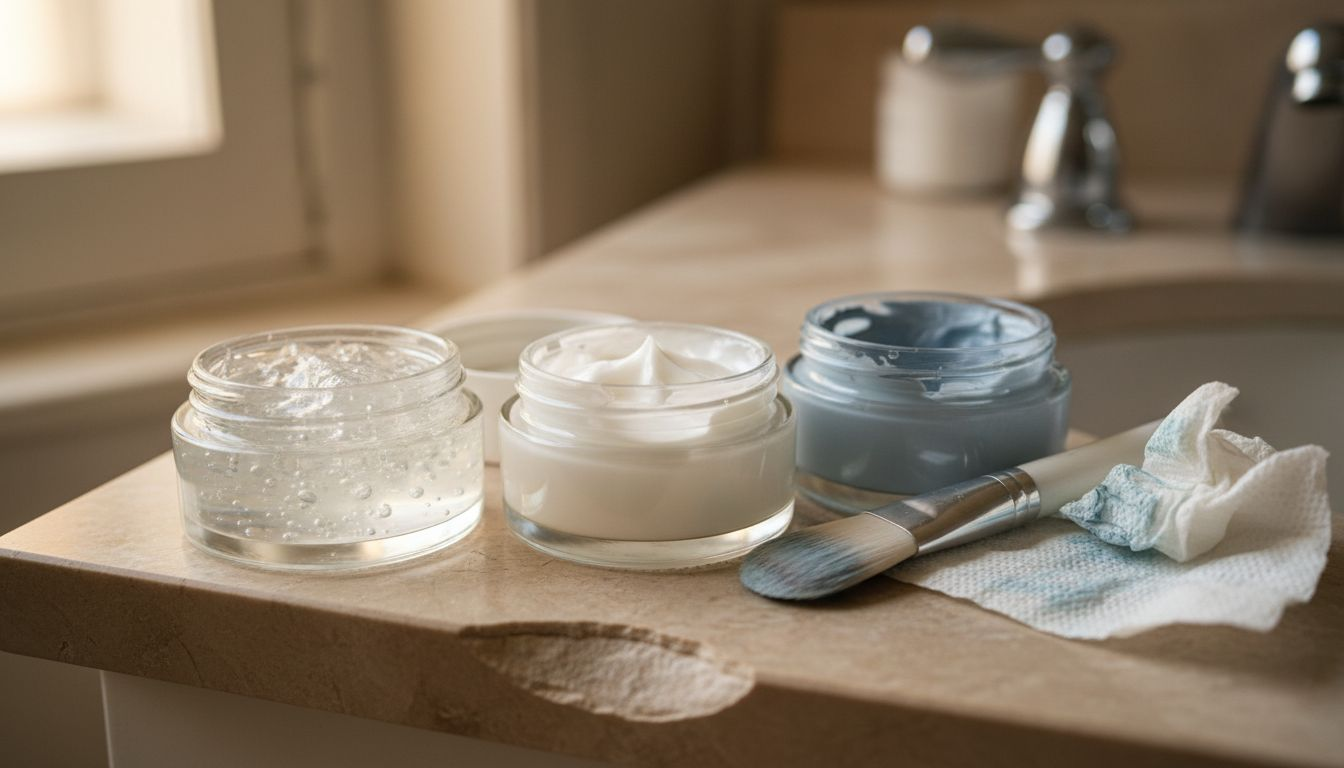
Oily and acne-prone skin thrives with clay or charcoal masks that absorb excess sebum and draw out impurities lodged in pores. Clay masks regulate oil production and refine texture without stripping skin completely. Use these once or twice weekly to maintain balance without overdrying. Kaolin and bentonite clay are gentle yet effective options.
Brightening masks containing vitamin C, niacinamide, or alpha arbutin target hyperpigmentation and dull tone. These ingredients inhibit melanin production and promote cell turnover, revealing fresher, more radiant skin. Consistent use fades dark spots and evens complexion over several weeks. Pair with sunscreen daily to protect brightening results.
Anti-aging masks feature peptides, collagen, retinol, or antioxidants that boost elasticity and reduce fine lines. Mature skin benefits from masks that stimulate collagen synthesis and repair environmental damage. These formulas firm, smooth, and restore youthful bounce. Apply them in the evening to maximize overnight repair.
Dermatologists recommend matching mask ingredients to your specific skin goals for best outcomes. The comparison below helps you choose wisely.
| Mask Type | Key Ingredients | Primary Benefits | Best For |
|---|---|---|---|
| Hydrating | Hyaluronic acid, ceramides, glycerin | Deep moisture, plump skin, soothe irritation | Dry, sensitive skin |
| Clay/Charcoal | Kaolin, bentonite, activated charcoal | Oil control, pore cleansing, refine texture | Oily, acne-prone skin |
| Brightening | Vitamin C, niacinamide, alpha arbutin | Fade dark spots, even tone, radiance | Dull, uneven skin tone |
| Anti-Aging | Peptides, collagen, retinol, antioxidants | Firm skin, reduce wrinkles, boost elasticity | Mature, aging skin |
| Soothing | Aloe vera, chamomile, centella asiatica | Calm redness, reduce inflammation, repair | Sensitive, reactive skin |
Step-by-step application: how to use a face mask correctly
Proper application maximizes every mask’s potential. Start by cleansing your face thoroughly to remove all traces of makeup, oil, and dirt. This ensures active ingredients penetrate skin rather than sitting on surface residue. Use lukewarm water and a gentle cleanser suited to your skin type, then pat your face dry with a clean towel.
Apply toner next to balance your skin’s pH and prep it for better absorption. Toner removes any remaining impurities and creates an optimal environment for mask ingredients to work. This step is often skipped but makes a noticeable difference in results. Understanding proper layering in your skincare routine ensures you’re building on a solid foundation.
Now apply your mask evenly across your face, following product-specific instructions. Sheet masks should be unfolded carefully and smoothed onto skin without air bubbles. Cream or gel masks need a thin, even layer using clean fingers or a spatula. Clay masks require slightly thicker application to dry properly. Avoid the delicate eye and lip areas unless the product specifically permits it.
Timing varies by mask type. Sheet masks and hydrating gel masks typically need 10 to 20 minutes. Clay masks should be removed when still slightly damp, not completely dry, to prevent over-drying your skin. Overnight sleeping masks stay on while you sleep, providing hours of deep treatment. Never exceed recommended times, as prolonged contact can irritate or damage your skin barrier.
Remove wash-off masks carefully with lukewarm water using gentle circular motions. Avoid harsh scrubbing. Pat skin dry and immediately follow with moisturizer to lock in the benefits and seal hydration. This final step is crucial for maintaining the improved skin state your mask created. Review the basic skincare workflow for full routine context.
Application steps in order:
- Cleanse face thoroughly and pat dry
- Apply toner to prep and balance skin
- Apply mask evenly according to type instructions
- Set timer for recommended duration (10 to 20 minutes for most)
- Remove carefully with lukewarm water and gentle motions
- Pat dry and apply moisturizer immediately
- Use masks 1 to 3 times weekly based on type and skin needs
Pro Tip: Use your phone timer the moment you finish applying the mask and avoid the temptation to leave it on longer. Overexposure damages your skin barrier and causes irritation, reversing any benefits.
Common mistakes and troubleshooting
Many people sabotage their mask results with simple errors. Applying masks on unclean skin is the most common mistake. Dirt, oil, and makeup create a barrier that prevents active ingredients from reaching your skin, wasting the product. Always cleanse thoroughly first, no matter how tired you are.
Leaving masks on longer than recommended damages rather than helps. Clay masks that dry completely draw moisture from your skin instead of just excess oil. Sheet masks that sit too long can actually pull hydration back out. Respect timing instructions to protect your skin barrier.
Overusing exfoliating or clay masks strips your skin, causing dryness, sensitivity, and even increased oil production as your skin compensates. More is not better with active treatments. Stick to recommended frequencies: once or twice weekly for clay and exfoliating masks, up to three times for hydrating masks.
Skipping moisturizer after removing a mask misses a critical step. Your skin is primed and ready to absorb hydration, but without sealing it in, you lose the benefits quickly. Always apply moisturizer while your skin is still slightly damp from rinsing.
Patch testing protects sensitive skin from reactions. Apply a small amount of any new mask to your inner wrist or jawline 24 hours before full face application. This reveals potential allergies or irritation before you cover your entire face.
“Follow product instructions carefully and stick to recommended frequency. Overuse or extended wear time can irritate skin, damage the protective barrier, and worsen the concerns you’re trying to address. When in doubt, less is more.”
Common errors to avoid:
- Applying masks on dirty, makeup-covered skin
- Leaving masks on longer than directed
- Using exfoliating or clay masks more than twice weekly
- Forgetting to moisturize after mask removal
- Skipping patch tests for new products
- Using expired or improperly stored masks
Expected results and measuring success
Realistic expectations keep you motivated and help you track real improvements. Hydrating masks deliver the fastest visible results. You’ll notice plumper, softer skin after just one or two uses. This immediate boost makes them perfect before events when you want quick radiance.
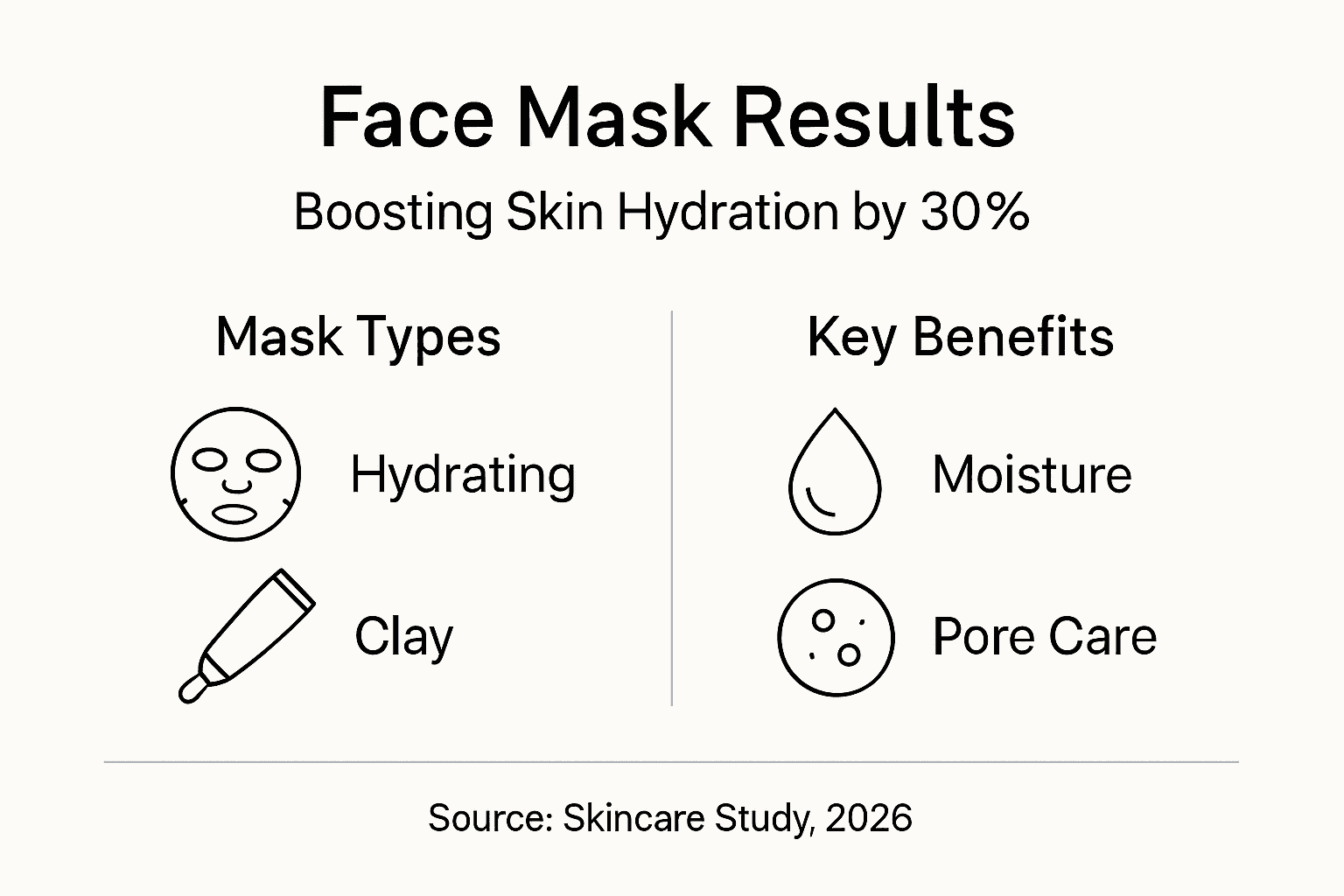
Brightening masks require patience and consistency. Visible improvements in dark spots and overall tone typically emerge after four to six weeks of regular use. The gradual fade is worth the wait, especially when paired with daily sunscreen to protect your progress.
Clay masks reduce oiliness and refine pores with weekly use, though results build gradually. After three to four weeks, you’ll see consistently smaller-looking pores and better oil control throughout the day. Texture smooths as pore-clogging debris is removed regularly.
Anti-aging masks work on a similar timeline to brightening treatments. Fine lines soften and skin firmness improves over four to eight weeks of consistent use. Collagen-boosting ingredients need time to stimulate production and create structural changes.
Consistency matters more than intensity. Using your chosen mask at recommended intervals produces better results than sporadic intensive treatments. Track your progress with photos taken in the same lighting every two weeks. You’ll notice changes your daily mirror check might miss.
| Mask Type | Expected Timeline | Measurable Benefits |
|---|---|---|
| Hydrating | 1 to 2 uses | Increased moisture levels, plump texture, reduced tightness |
| Brightening | 4 to 6 weeks | Faded dark spots, more even tone, visible radiance |
| Clay/Charcoal | 3 to 4 weeks | Reduced oiliness, refined pores, smoother texture |
| Anti-Aging | 4 to 8 weeks | Softer fine lines, improved firmness, enhanced elasticity |
| Soothing | 1 to 3 uses | Reduced redness, calmer skin, less reactivity |
Enhance your skincare routine with expert-picked products
You’ve learned how to choose and use face masks effectively. Now elevate your entire routine with products designed to work together for optimal skin health. Skin Styles curates gentle cleansers, hydrating toners, and nourishing moisturizers that complement your mask treatments perfectly.

Explore our collection of must-have skincare products selected for their quality and effectiveness. From the facial cleansers that prep your skin for mask application to the moisturizers that seal in benefits afterward, we’ve simplified the selection process. Our expert guides on how to layer skincare products ensure you’re maximizing every product’s potential. Build a routine that delivers real, measurable results by pairing the right products in the right order.
Frequently asked questions
How often should I use different types of face masks?
Hydrating masks can be used two to three times weekly without overloading your skin. Clay and purifying masks should be limited to once or twice weekly to prevent over-drying. Exfoliating masks work best just once per week. Always follow specific product instructions, as formulations vary in strength and recommended frequency.
Can I use multiple face masks in one week or same day?
Yes, but space out intensive treatments strategically. Avoid using clay and exfoliating masks on the same day or consecutive days, as this strips your skin. Hydrating masks can be used more frequently as needed between active treatments. Multi-masking (different masks on different facial zones simultaneously) works well for combination skin when done thoughtfully.
What should I do if my skin reacts badly to a face mask?
Remove the mask immediately and rinse your face thoroughly with cool water. Apply a gentle, fragrance-free moisturizer to calm your skin. Avoid using that specific product again and check the ingredient list to identify potential irritants. If you experience severe reactions like swelling, persistent burning, or blistering, consult a dermatologist promptly.
Are face masks effective without other skincare products?
Masks provide targeted benefits but cannot replace your complete skincare routine. They supplement but don’t substitute for daily cleansing, moisturizing, and sun protection. Think of masks as a power-up for an already solid foundation. Consistent use of cleanser, moisturizer, and sunscreen enhances and prolongs mask benefits, creating comprehensive skin health.