

Finding the right skincare routine can feel overwhelming when online shelves overflow with choices from Asian, European, and American brands. Your skin deserves a tailored approach that considers its unique profile, from pigmentation and sensitivity to oiliness. Choosing products with natural and ethical formulations not only benefits your skin but also supports global sustainability. This guide helps you confidently build simple, effective routines for any skin type, combining science-backed steps with eco-friendly, convenient recommendations.
Table of Contents
- Step 1: Assess Your Skin Type And Concerns
- Step 2: Select Suitable Global Skincare Products
- Step 3: Establish A Morning And Evening Routine
- Step 4: Apply Products In The Correct Order
- Step 5: Check Skin Progress And Adjust Routine
Quick Summary
| Key Point | Explanation |
|---|---|
| 1. Determine Your Skin Type | Assess characteristics like oiliness and sensitivity to identify if your skin is normal, dry, oily, combination, or sensitive. |
| 2. Select Suitable Products | Choose skincare products that match your skin type and address specific concerns while prioritizing natural ingredients. |
| 3. Establish Consistent Routines | Create distinct morning and evening routines that focus on protection and recovery for optimal skin health. |
| 4. Follow Proper Application Order | Apply products from lightest to heaviest consistency to maximize absorption and effectiveness of all treatments. |
| 5. Track Skin Progress Regularly | Document changes in your skin to adapt your skincare routine based on observed progress and challenges over time. |
Step 1: Assess your skin type and concerns
Understanding your unique skin profile is the foundational first step in creating an effective global skincare routine. Skin type classifications involve analyzing multiple characteristics like pigmentation, sensitivity, and oiliness to help you select the most appropriate products and protocols.
To accurately determine your skin type, start by examining your skin in natural light without makeup. Gently cleanse your face and wait one hour to observe its natural state. Look for key indicators such as excessive shine, dry patches, redness, or sensitivity. Most skin types fall into five primary categories: normal, dry, oily, combination, and sensitive. Pay attention to how your skin feels and appears throughout the day your skin produces oil, reacts to products, and responds to environmental changes.
Careful observation helps you understand your skin’s unique needs. Some people have multiple skin characteristics, requiring a personalized approach. Take notes about your skin’s behavior after cleansing, during different seasons, and under various environmental conditions. This self-awareness will guide you in selecting targeted skincare products that address your specific concerns.
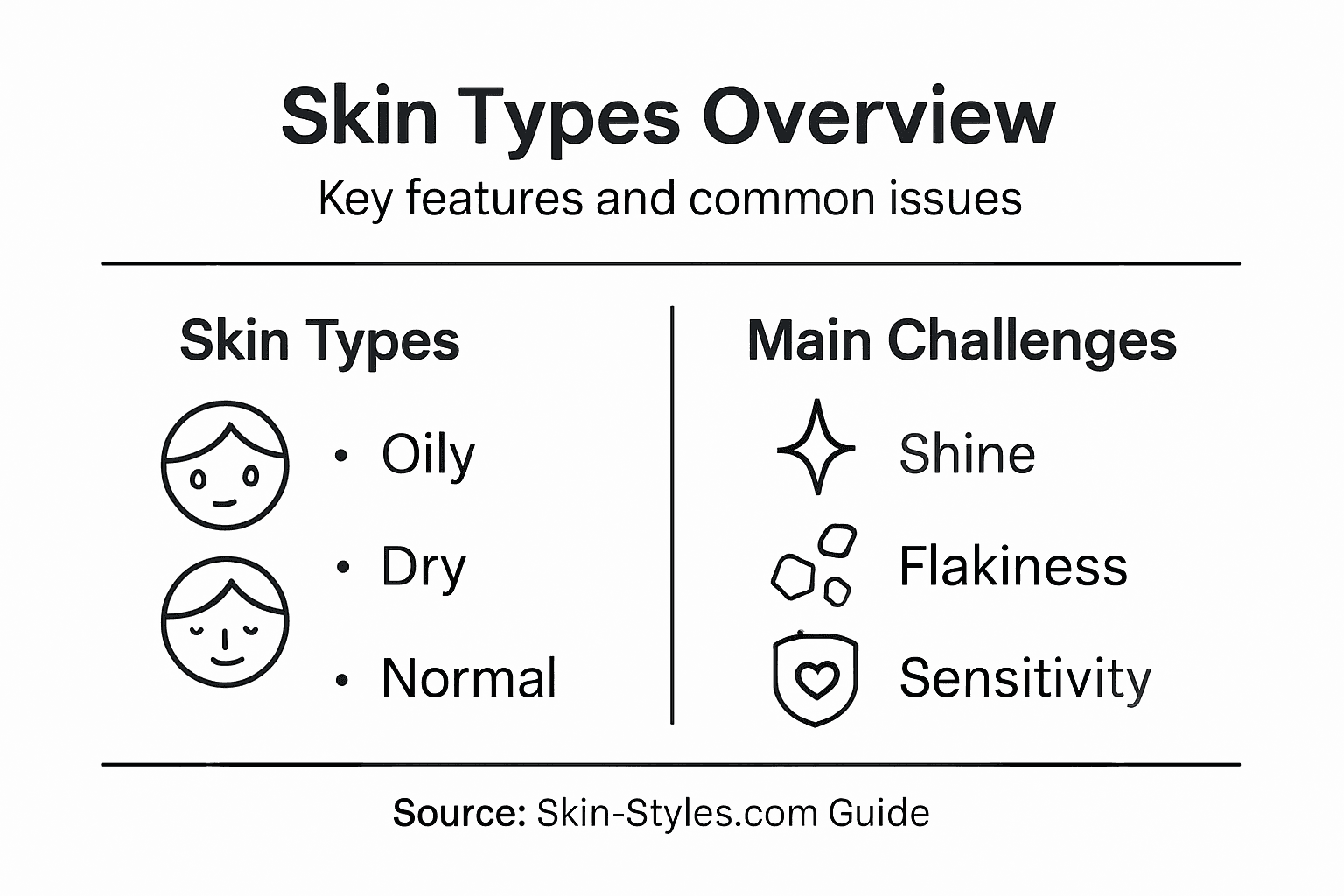
Here’s a summary of the five main skin types and their common traits:
| Skin Type | Key Characteristics | Common Challenges |
|---|---|---|
| Normal | Balanced oil and moisture | Occasional minor blemishes |
| Dry | Rough, flaky, tight | Dullness, premature wrinkles |
| Oily | Shiny, enlarged pores | Frequent breakouts, blackheads |
| Combination | Oily T-zone, dry cheeks | Mixed concerns, uneven tone |
| Sensitive | Redness, easily irritated | Reacts to products quickly |
Pro tip: Consider taking photos of your skin in consistent lighting to track changes and help you identify patterns in your skin’s behavior over time.
Step 2: Select suitable global skincare products
Selecting the right skincare products requires a strategic approach that considers your unique skin type and global beauty trends. Global skincare market dynamics demonstrate an increasing focus on personalized, multifunctional products that address specific skin concerns while meeting ethical and sustainability standards.
When choosing skincare products, consider several key factors. Look for formulations that match your skin type and address specific concerns like hydration, aging, or sensitivity. Pay attention to ingredient lists, avoiding harsh chemicals and prioritizing natural compounds. Research product origins and manufacturing standards worldwide research suggests that consumers increasingly prefer brands offering transparent sourcing, ethical production, and environmentally friendly packaging.
Expand your product selection by exploring international skincare lines that leverage region-specific ingredients and advanced formulation technologies. Different global markets offer unique solutions tailored to various skin challenges. For instance, Asian skincare often emphasizes hydration and gentle ingredients, while European brands might focus on clinical precision. Consider international skincare recommendations that provide insights into cross-cultural beauty approaches and innovative product developments.
Pro tip: Always patch test new international skincare products on a small area of skin to check for potential allergic reactions or sensitivities before full application.
Step 3: Establish a morning and evening routine
Skincare routines represent a critical foundation for maintaining healthy skin. Your daily regimen should differ between morning and evening to address specific skin needs and environmental challenges, creating a comprehensive approach to skincare that protects and rejuvenates.
In your morning routine, focus on protection and preparation. Start by gently cleansing your face with a mild cleanser suitable for your skin type. Follow with a lightweight serum targeting your specific concerns like hydration or brightening. Apply a moisturizer that offers broad spectrum sun protection to shield your skin from UV damage. The key is creating a barrier that defends against pollution, environmental stressors, and premature aging while keeping your skin balanced and hydrated.
Your evening routine shifts toward repair and recovery. Begin by thoroughly removing makeup and cleansing away daily impurities. This is the ideal time to use more intensive treatments like retinol or exfoliating products that work best during your skin’s natural regeneration cycle. Apply a richer moisturizer that supports overnight skin recovery, focusing on deep hydration and cellular repair. Evening skincare strategies emphasize supporting your skin’s natural healing processes while you rest.
The table below compares typical steps in morning and evening skincare routines:
| Step | Morning Focus | Evening Focus |
|---|---|---|
| Cleanser | Gentle preparation | Deep cleanse/removal |
| Serum/Treatment | Hydration or brightening | Repair, retinol, exfoliation |
| Moisturizer | Lightweight with SPF | Rich, nourishing formula |
| Final Layer | Sunscreen | Overnight recovery |
Pro tip: Keep your morning and evening skincare products in separate, easily accessible locations to maintain consistency and make your routine feel effortless.
Step 4: Apply products in the correct order
Proper skincare product layering is a critical strategy that determines the effectiveness of your entire skincare routine. The sequence of application impacts how well your skin absorbs and benefits from each product, making the order just as important as the products themselves.
Start with the lightest consistency products and progress to the heaviest. Begin your routine with a gentle cleanser to remove impurities, followed by toner or essence if you use them. Next, apply water based serums that target specific skin concerns like hyperpigmentation or fine lines. These lightweight treatments absorb quickly and deliver concentrated active ingredients directly into your skin. Follow with a moisturizer that matches your skin type creating a protective barrier that locks in the previous treatments. Finish with sunscreen during morning routines to shield your skin from harmful UV radiation.
Evening routines follow a similar principle but allow for more intensive treatments. After cleansing, you can incorporate stronger active ingredients like retinol or chemical exfoliants that work best during your skin’s natural overnight repair cycle. Dermatologist recommended layering emphasizes moving from thinnest to thickest textures to maximize product absorption and effectiveness.
Pro tip: Wait 30 to 60 seconds between applying different products to allow each layer to absorb completely and prevent potential interactions.
Step 5: Check skin progress and adjust routine
Tracking your skincare journey requires consistent observation and a willingness to adapt your routine based on your skin’s changing needs. Exfoliation techniques and careful monitoring can help you understand how your skin responds to different products and treatments.
Establish a systematic approach to assessing your skin progress. Take clear photos of your skin under consistent lighting every two to four weeks to document changes. Pay close attention to key indicators such as hydration levels, texture, evenness of skin tone, presence of breakouts, and overall radiance. Note any improvements or persistent concerns. This visual and tactile documentation helps you identify which products are working effectively and which might need replacement.
Be prepared to make informed adjustments to your skincare routine. Some products might require 6 to 12 weeks to show significant results, so patience is crucial. If you notice persistent issues like increased sensitivity, unexpected breakouts, or lack of improvement, consider consulting a dermatologist. Seasonal changes, stress levels, diet, and hormonal shifts can all impact your skin, making flexibility in your routine essential.
Pro tip: Create a skincare journal to track product usage, skin reactions, and monthly progress to help you make data driven decisions about your routine.
Elevate Your Global Skincare Routine with Targeted Solutions from Skin-Styles.com
Finding the right products to match your skin type and concerns can feel overwhelming. This guide highlights the importance of understanding your unique skin profile and applying products in the correct order for maximum effectiveness. If you want to master your skincare routine with expert care, explore our range of Facial Serums – Skin Styles designed to target specific issues like hydration, brightening, and anti-aging.

Take control of your skincare journey today by choosing personalized products that complement global beauty trends and ethical standards. Start your transformation now with trusted brands like SKIN 1004 – Skin Styles and Beauty of Joseon – Skin Styles. Visit Skin-Styles.com to find everything you need and build a routine that truly works for your skin.
Frequently Asked Questions
How can I determine my skin type for a global skincare routine?
To determine your skin type, cleanse your face and observe it without makeup in natural light after one hour. Look for signs like shine, dry patches, or redness to identify whether you have normal, dry, oily, combination, or sensitive skin.
What should I consider when selecting global skincare products?
When selecting skincare products, evaluate formulas that cater to your specific skin type and concerns while prioritizing natural ingredients. Research the brand’s transparency regarding sourcing and their commitment to ethical and sustainable practices.
How should I structure my morning and evening skincare routines for effective results?
Your morning routine should focus on protection with a gentle cleanser, lightweight serum, and a moisturizer with SPF. In the evening, prioritize repair by including a thorough cleanse and more intensive treatments like retinol before applying a rich moisturizer.
What is the correct order to apply skincare products for optimal absorption?
Start with the lightest products and layer up to the heaviest, beginning with a gentle cleanser followed by serums, and finishing with a moisturizer. Wait 30 to 60 seconds between each application to allow each product to absorb properly and maximize effectiveness.
How can I track my skin progress effectively?
Take clear, consistent photos of your skin every two to four weeks to observe changes and improvements. Document key indicators such as hydration, texture, and breakouts to help you identify which products are working best for your skin.
When should I consider adjusting my skincare routine?
Be prepared to adjust your routine if you notice persistent issues such as increased sensitivity or ineffective products. Monitor your skin regularly and allow products 6 to 12 weeks to show results before making changes.