

Many parents assume cold baby food is perfectly fine, yet research reveals that warming food to body temperature increases nutrient absorption by up to 20%. Temperature profoundly impacts infant digestion, feeding behavior, and nutritional outcomes. This article explores the science behind warming baby food, debunks common myths, and provides practical guidance for safe warming methods that enhance your baby’s mealtime success and overall health.
Table of Contents
- Physiological Effects Of Warm Food On Infant Digestion
- How Warmth Affects Baby Food Palatability And Feeding Acceptance
- Safe Warming Methods And Nutrient Retention
- Common Misconceptions About Warming Baby Food
- Practical Tips For Parents: Integrating Warm Feeding Into Your Routine
- Summary And Next Steps
- Enhance Your Baby’s Feeding Journey With Skin Styles
- Frequently Asked Questions
Key Takeaways
| Point | Details |
|---|---|
| Digestive Optimization | Warming baby food to 37°C enhances enzyme activity, improving nutrient absorption by up to 20%. |
| Feeding Acceptance | Warm food mimics breast milk temperature, increasing infant acceptance rates by up to 25%. |
| Safe Warming Methods | Water baths and controlled warmers preserve nutrients; avoid overheating above 40°C and microwave hotspots. |
| Myth Busting | Warming doesn’t sterilize food or destroy nutrients when done properly below 40°C. |
| Practical Integration | Use thermometers, feed promptly, and incorporate warming into daily routines for healthier feeding. |
Physiological Effects of Warm Food on Infant Digestion
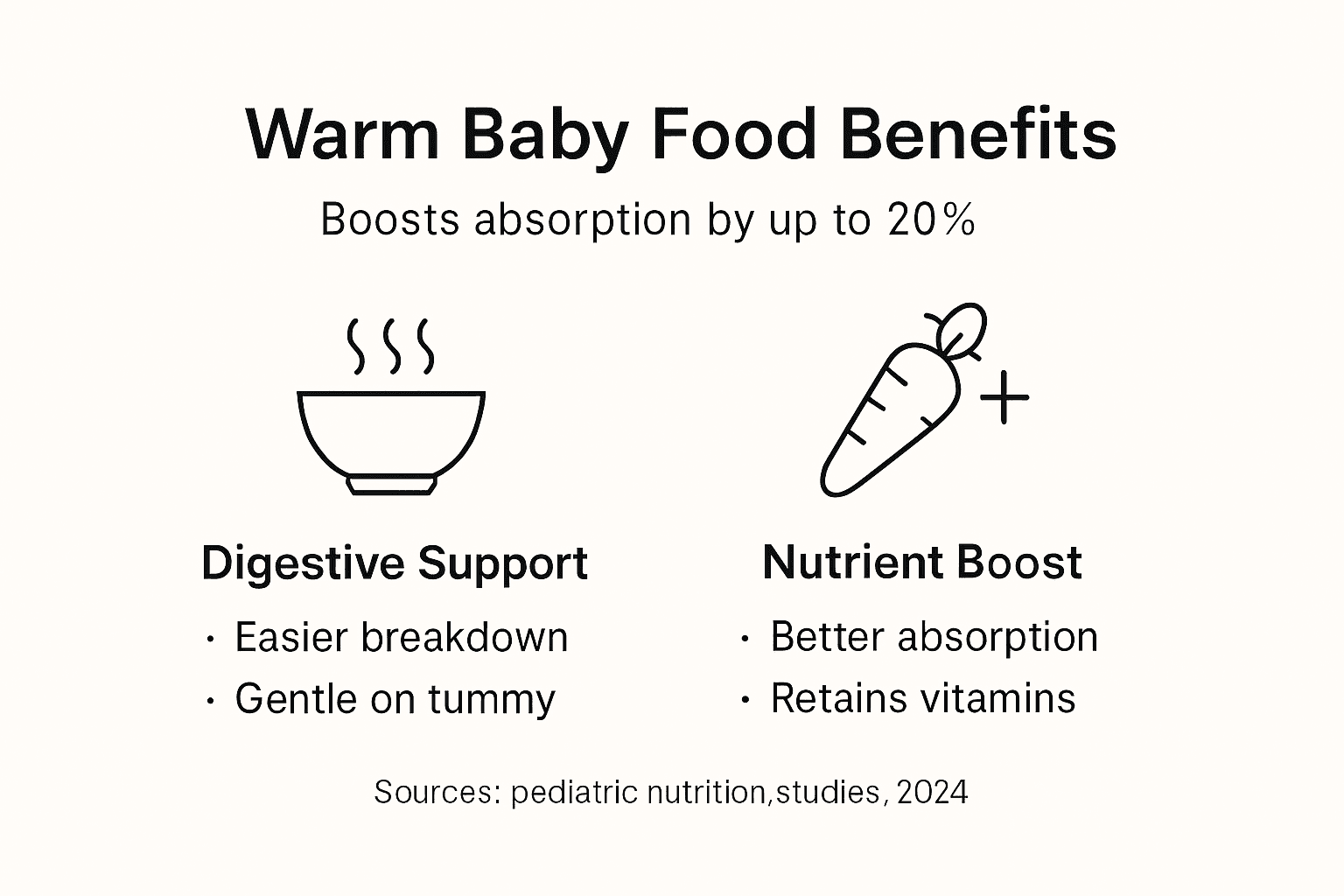
Your baby’s digestive system works best at body temperature. When you serve food at approximately 37°C, you create ideal conditions for digestive enzymes to break down nutrients efficiently. Heating baby food to 37°C preserves enzymatic activity in digestive fluids, facilitating up to 20% better nutrient absorption compared to cold alternatives.
Cold food slows gastric emptying, the process by which food moves from the stomach to the intestines. This delay can cause discomfort, bloating, and feeding resistance in infants whose digestive systems are still developing. Warm food accelerates this process naturally, reducing the likelihood of digestive upset and making mealtimes more pleasant for both you and your baby.
The temperature at which you serve food directly impacts how efficiently your baby’s body extracts vitamins, minerals, and macronutrients. Enzymes like amylase, lipase, and protease function optimally at body temperature, breaking down carbohydrates, fats, and proteins more completely. When food enters the stomach at a temperature close to your baby’s internal temperature, the digestive process begins immediately without the energy expenditure required to warm cold food internally.
Key digestive benefits of warm food:
- Enhanced enzyme efficiency for faster nutrient breakdown
- Improved gastric emptying reducing feeding discomfort
- Better absorption of essential vitamins and minerals
- Reduced risk of feeding resistance due to digestive upset
- Natural alignment with infant physiological needs
Integrating warm food into your baby feeding routines supports healthy digestion and sets the foundation for positive long-term eating habits. Understanding these physiological mechanisms helps you make informed decisions about food preparation that directly benefit your baby’s nutritional status and comfort.
How Warmth Affects Baby Food Palatability and Feeding Acceptance
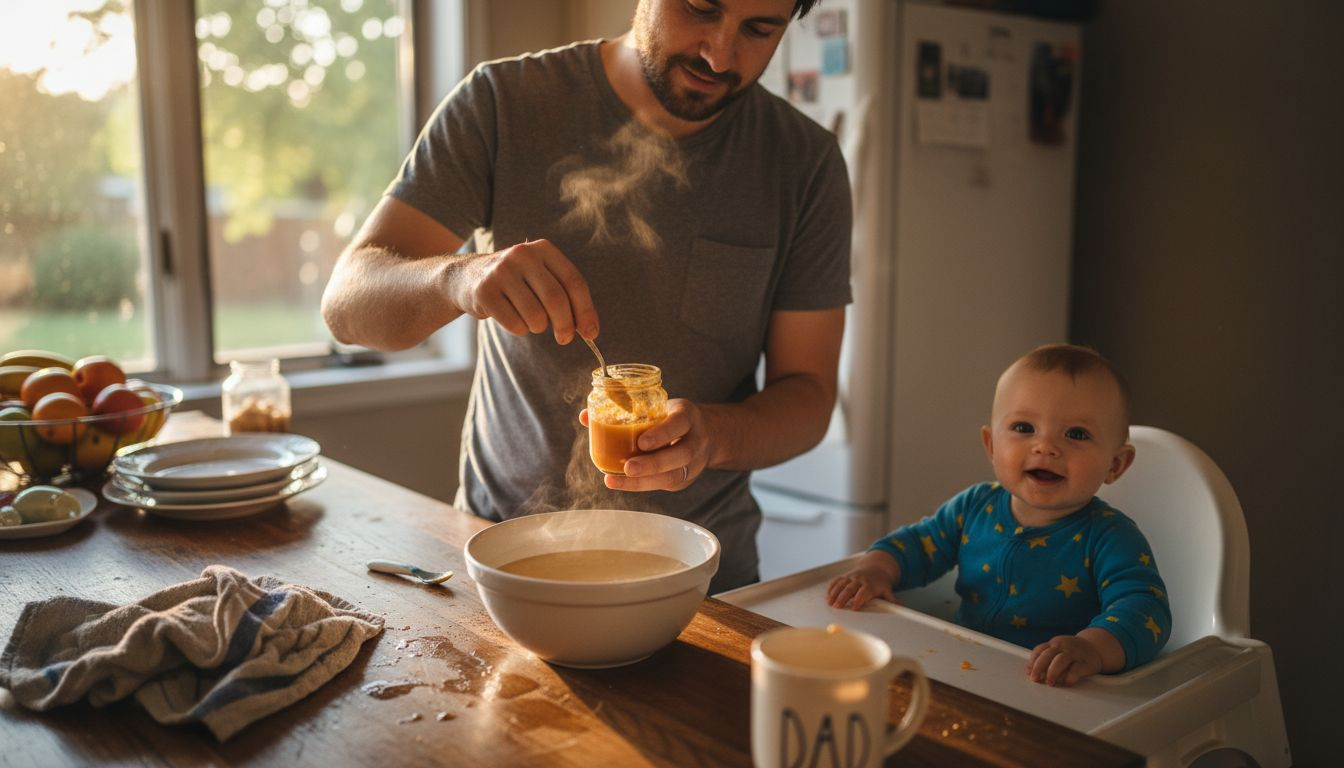
Beyond digestion, temperature plays a crucial role in whether your baby will actually eat the food you offer. Breast milk naturally maintains a temperature around 37°C, creating a sensory baseline that infants recognize and prefer. When you warm solid foods to this familiar temperature, you increase the likelihood that your baby will accept new flavors and textures without resistance.
Warm food releases volatile aroma compounds more readily than cold food. These aromatic molecules stimulate your baby’s olfactory receptors, triggering interest and appetite before the first bite. Infants rely heavily on smell to evaluate food safety and desirability, making aroma a powerful tool in encouraging adventurous eating. Studies demonstrate that warm food can increase feeding acceptance by up to 25% compared to cold alternatives, particularly during the transition to solid foods.
The sensory experience of eating warm food also affects feeding duration and satisfaction. Babies tend to eat more slowly and thoroughly when food is served at a comfortable temperature, allowing proper chewing and swallowing. Cold food may cause temporary oral discomfort, leading to rushed eating or outright rejection. By maintaining optimal temperature, you create a positive sensory environment that supports healthy eating behaviors.
“Temperature consistency between breast milk and solid foods reduces feeding anxiety in infants, promoting smoother transitions and better nutritional outcomes during critical developmental periods.”
Factors enhancing feeding acceptance through warmth:
- Mimics familiar breast milk temperature for comfort
- Releases appealing aromas that stimulate appetite
- Reduces oral temperature shock and discomfort
- Encourages thorough chewing and proper swallowing
- Creates positive mealtime associations and memories
Understanding the impact of food sensory properties on feeding helps you optimize every aspect of your baby’s eating experience. Temperature is just one element, but it significantly influences whether your baby approaches meals with enthusiasm or reluctance.
Safe Warming Methods and Nutrient Retention
Warming baby food safely requires attention to both temperature control and heating method. The ideal warming temperature sits below 40°C, warm enough to provide digestive and sensory benefits without risking nutrient degradation or burns. Different warming techniques offer varying levels of precision and safety, making method selection an important consideration.
Water baths provide the most uniform heat distribution with minimal nutrient loss. Place sealed containers of baby food in warm water, allowing gradual, even heating without hotspots. This gentle method preserves heat-sensitive vitamins like vitamin C and folate while ensuring safe serving temperature. Electric food warmers with built-in thermostats offer similar benefits with added convenience, automatically maintaining optimal temperature without constant monitoring.
Microwave heating presents specific challenges. 35% of microwaved baby food samples exhibited temperature variations greater than 15°C within the same container, risking burns and creating nutrient hotspots where vitamins degrade rapidly. If you use a microwave, heat in short intervals, stir thoroughly between each cycle, and always test temperature before serving. Never rely on container temperature alone, as food inside may be significantly hotter.
Leaving warm food at room temperature creates bacterial growth opportunities. Feed your baby promptly after warming, and refrigerate any uneaten portions immediately. Bacteria multiply rapidly in the temperature danger zone between 5°C and 60°C, making time management crucial for food safety alongside proper sterilization and warming safety practices.
| Warming Method | Temperature Control | Nutrient Retention | Safety Level | Convenience |
|---|---|---|---|---|
| Water Bath | Excellent | Excellent | High | Moderate |
| Electric Warmer | Excellent | Excellent | High | High |
| Microwave | Poor | Moderate | Low | High |
| Stovetop | Moderate | Good | Moderate | Low |
Pro Tip: Use a food thermometer to verify serving temperature reaches 37°C without exceeding 40°C, preventing both inadequate warming and nutrient loss from overheating.
Best practices for safe warming:
- Heat gradually to preserve vitamins and minerals
- Stir thoroughly to eliminate temperature variations
- Test temperature with thermometer before serving
- Feed within 30 minutes of warming
- Discard uneaten warmed food after 2 hours
- Never reheat previously warmed food
Mastering safe warming techniques protects both your baby’s health and the nutritional value of carefully prepared meals.
Common Misconceptions About Warming Baby Food
Many parents hold inaccurate beliefs about warming baby food that can lead to unsafe practices or unnecessary worry. Addressing these misconceptions helps you approach food preparation with confidence and scientific understanding.
Myth: Warming kills bacteria and sterilizes food. In reality, proper warming temperatures around 37°C do not eliminate bacteria. Sterilization requires sustained temperatures above 100°C. Warming can actually promote bacterial growth if food sits at room temperature too long after heating. Proper hygiene during food preparation and prompt feeding matter far more than warming for bacterial safety.
Myth: Hotter food is always better. Overheating food above 40°C degrades heat-sensitive nutrients, particularly vitamin C, thiamine, and folate. Extremely hot food also risks burning your baby’s mouth and esophagus, potentially creating feeding aversions. Moderate warmth provides all the benefits without the risks associated with excessive heat.
Myth: Heating destroys all nutrients. While prolonged high-heat cooking does reduce some vitamins, brief warming to body temperature preserves most nutritional content. Studies show that heating below 40°C retains over 95% of vitamins including vitamin C, making moderate warming nutritionally sound. The digestive and acceptance benefits of warming typically outweigh minimal nutrient changes.
Myth: Cold food is just as good as warm food. While cold food provides the same basic nutrition on paper, temperature affects how efficiently your baby’s body extracts and uses those nutrients. Cold food slows digestion, reduces enzyme activity, and often faces rejection due to sensory discomfort. Temperature matters for practical feeding success.
Common misconceptions debunked:
- Warming alone doesn’t sterilize food
- Moderate warmth beats extreme heat
- Proper warming preserves most nutrients
- Temperature affects nutrient bioavailability
- Hygiene and timing matter more than warming for safety
Pro Tip: Discard leftover warmed food if not consumed within 2 hours to reduce contamination risks, regardless of whether it was refrigerated after warming.
Understanding the truth behind these myths allows you to make evidence-based decisions that truly benefit your baby’s nutrition and feeding experience.
Practical Tips for Parents: Integrating Warm Feeding into Your Routine
Implementing warm feeding practices doesn’t require complex equipment or significant time investment. Simple strategies help you incorporate optimal warming into your existing consistent baby feeding routines seamlessly.
Step-by-step warming process:
- Remove refrigerated baby food 10 minutes before mealtime
- Place sealed container in warm water bath or electric warmer
- Heat for 3 to 5 minutes depending on portion size
- Stir thoroughly to distribute heat evenly
- Test temperature with thermometer or inner wrist
- Serve immediately once temperature reaches 37°C
- Discard any uneaten food within 2 hours
Invest in reliable warming tools that simplify the process. Water baths require only a bowl and warm tap water, making them accessible anywhere. Electric warmers with temperature controls eliminate guesswork, ensuring consistent results every time. Digital food thermometers cost under ten dollars and provide precise temperature readings that protect your baby from burns while optimizing nutrient availability.
Timing your warming process prevents rushed feeding or cold food disappointment. If your baby eats every three hours, begin warming five minutes before anticipated mealtime. This buffer allows proper heating without making your hungry baby wait. Building warming time into your routine creates predictability that reduces mealtime stress for everyone.
When using microwaves, adopt extra precautions. Heat in 15-second intervals, stirring between each cycle. Allow 30 seconds of standing time for heat distribution before final temperature check. Check multiple spots within the food, as microwaves create uneven heating patterns that standard stirring may not fully eliminate. Consider microwaving as your backup method rather than primary approach given the safety concerns.
Additional integration strategies:
- Prepare and portion meals in advance for quick warming
- Label containers with preparation dates
- Keep a dedicated food thermometer near feeding area
- Set phone reminders for warming start times
- Establish consistent warming routine your baby recognizes
- Combine warming with other meal prep tasks
Exploring top baby feeding tips for parents and baby-led weaning essentials provides additional context for creating comprehensive feeding strategies that support your baby’s developmental needs and your family’s lifestyle.
Summary and Next Steps
Warming baby food to approximately 37°C offers measurable benefits for infant digestion, nutrient absorption, and feeding acceptance. By optimizing enzyme activity and creating familiar sensory experiences, warm food supports healthier eating patterns and better nutritional outcomes. Safe warming methods like water baths and controlled electric warmers preserve nutrients while preventing bacterial growth risks associated with improper temperature management.
Debunking common myths empowers you to follow evidence-based practices with confidence. Warming doesn’t sterilize food, moderate temperatures preserve nutrients better than extreme heat, and proper hygiene matters more than temperature for bacterial safety. These insights help you avoid both unnecessary risks and unfounded worries.
Integrating practical warming techniques into your daily routine enhances your baby’s feeding experience without adding complexity to your schedule. Simple tools, consistent timing, and temperature verification create a feeding environment that promotes healthy growth and positive mealtime associations. Your attention to these details demonstrates care that benefits your baby’s immediate comfort and long-term relationship with food.
Explore additional feeding resources and quality tools that support your parenting journey. Understanding the science behind feeding practices helps you make informed decisions that truly serve your baby’s developmental needs.
Enhance Your Baby’s Feeding Journey with Skin Styles
Ready to put these warming insights into practice? Skin Styles offers comprehensive resources that transform feeding knowledge into daily success. Our feeding routine guide helps you build consistent schedules that accommodate proper warming times while meeting your baby’s nutritional needs.

Discover our premium baby feeding set featuring BPA-free silicone designs that maintain ideal serving temperatures longer than standard alternatives. These thoughtfully crafted feeding essentials support safe warming practices while making mealtimes easier and more enjoyable for your entire family. Explore 7 smart ways multi-purpose baby feeding sets simplify your daily routine while supporting your baby’s developmental milestones.
Pro Tip: Quality feeding accessories help maintain ideal food temperature and hygiene standards, making warm feeding practices effortless and consistent.
Frequently Asked Questions
How warm should baby food be?
Aim for approximately 37°C, matching your baby’s body temperature. This optimizes digestive enzyme activity and mimics breast milk warmth for better acceptance. Use a food thermometer to verify temperature before serving.
Is microwave heating safe for baby food?
Microwaves can be safe if used carefully, but they create uneven heating with dangerous hotspots. Stir thoroughly, heat in short intervals, and always verify temperature before feeding. Water baths provide safer, more uniform heating.
Can I warm baby food in advance?
Warm food immediately before serving rather than in advance. Keeping food warm creates bacterial growth conditions, while reheating previously warmed food degrades nutrients. Fresh warming ensures both safety and optimal nutrition.
Does warming food kill bacteria?
No, warming to 37°C doesn’t sterilize food or eliminate bacteria. Proper hygiene during preparation, prompt feeding after warming, and refrigerating leftovers immediately matter more for bacterial safety than warming temperature.
Will warming degrade vitamins?
Heating below 40°C preserves over 95% of vitamins including heat-sensitive vitamin C. Brief, moderate warming provides digestive benefits without significant nutrient loss. Overheating above 40°C causes more substantial vitamin degradation.
How long can warmed baby food sit out?
Feed your baby within 30 minutes of warming for best results. Discard any uneaten warmed food after 2 hours maximum, as bacteria multiply rapidly at room temperature. Never save and reheat previously warmed portions.