

More than 60 percent of American adults say they want smoother, more radiant skin but do not know which ingredients actually make a difference. Understanding what glycolic acid does can transform the way you care for your skin and help you avoid common mistakes that lead to irritation. Discover how this trusted ingredient works, why it is popular with American dermatologists, and what to expect when adding glycolic acid to your daily routine.
Table of Contents
- What Is Glycolic Acid And How It Works
- Types Of Glycolic Acid Products Explained
- Key Benefits For Skin Health And Beauty
- Potential Risks And How To Avoid Them
- Comparing Glycolic Acid To Other Acids
Key Takeaways
| Point | Details |
|---|---|
| Glycolic Acid Benefits | This ingredient effectively promotes skin renewal, addressing issues like acne, signs of aging, and dark spots. |
| Product Forms | Glycolic acid is available in various formats, including cleansers, toners, serums, and professional peels for tailored skincare. |
| Caution with Use | Always start with lower concentrations and consult a professional if you have sensitive skin to avoid irritation. |
| Comparison with Other Acids | Glycolic acid penetrates deeper than other AHAs, making it more effective but also more likely to cause skin sensitivity. |
What Is Glycolic Acid and How It Works
Glycolic acid represents a powerful skincare ingredient derived from sugarcane, classified as an alpha-hydroxy acid (AHA) with remarkable exfoliating capabilities. Penetrating deeply into skin layers, this remarkable compound works by dissolving the bonds between dead skin cells, enabling smooth and efficient removal of surface debris.
The molecular structure of glycolic acid makes it uniquely effective. With an incredibly small molecular size, it can penetrate skin more effectively than many other exfoliating agents. Addressing multiple skin concerns, glycolic acid helps combat common issues like:
- Acne breakouts
- Signs of aging
- Uneven skin texture
- Sun damage
- Dark skin patches
How does glycolic acid actually work? By breaking down the connections between dead skin cells, it triggers cellular turnover and encourages new cell generation. This process not only removes surface-level imperfections but also stimulates collagen production, which helps improve skin elasticity and overall appearance. Professional dermatologists often recommend glycolic acid treatments for individuals seeking smoother, more radiant skin without invasive procedures.
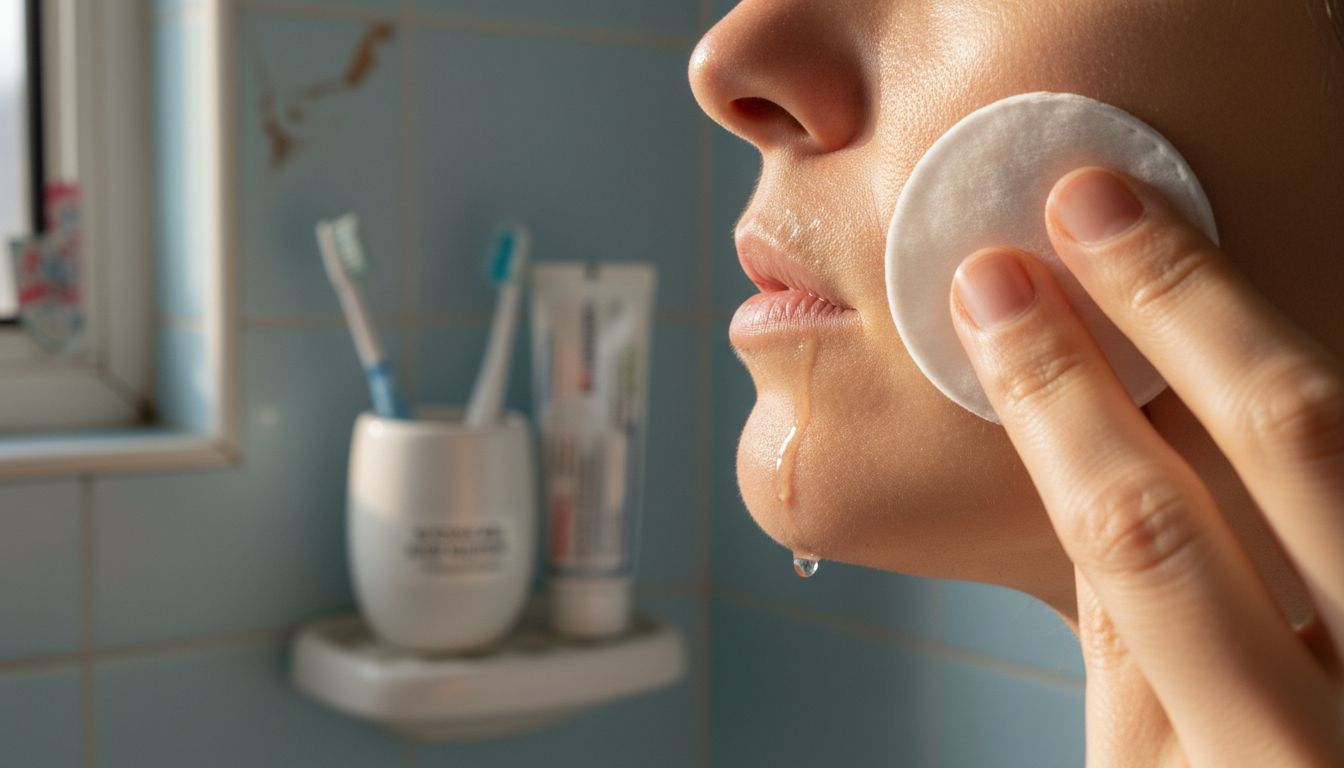
Understanding the concentration matters when incorporating glycolic acid into your skincare routine. Low concentrations (around 5-10%) work well for sensitive skin and beginners, while higher concentrations (up to 50-70%) are typically used in professional chemical peels. Always start with lower percentages and gradually increase to allow your skin to adapt and minimize potential irritation.
Types of Glycolic Acid Products Explained
Skincare enthusiasts have multiple options when incorporating glycolic acid into their beauty regimen. Glycolic acid products range from over-the-counter treatments to professional-grade solutions, offering versatile approaches to skin renewal and maintenance.
Consumers can choose from several primary glycolic acid product categories:
- Cleansers: Gentle daily formulations with low acid concentrations
- Toners: Liquid treatments designed to balance skin and promote cell turnover
- Serums: Concentrated products targeting specific skin concerns
- Chemical Peels: Professional treatments with higher acid percentages
- Creams and Moisturizers: Hydrating products with integrated glycolic acid
Professional skincare treatments utilize higher concentration formulations that provide more intensive results compared to standard retail products. Over-the-counter options typically contain between 5-10% glycolic acid, making them suitable for regular home use. These products offer gradual skin improvement with minimal risk of irritation.
When selecting glycolic acid products, understanding your skin type and sensitivity is crucial. Individuals with sensitive skin should start with lower concentrations and less frequent application, while those with more resilient skin can experiment with higher percentage formulations. Professional chemical peels, which can contain up to 70% glycolic acid, should only be administered by trained skincare professionals to ensure safety and optimal results.
Key Benefits for Skin Health and Beauty
Glycolic acid represents a transformative skincare ingredient with multiple powerful benefits for skin health and appearance. Dramatically improving skin tone and texture, this remarkable compound addresses several common skincare concerns through its unique exfoliating properties.
The key benefits of glycolic acid include:
- Wrinkle Reduction: Stimulates collagen production
- Sun Damage Repair: Helps reverse ultraviolet-induced skin damage
- Acne Treatment: Unclogs pores and reduces breakout frequency
- Hyperpigmentation Control: Lightens dark spots and evens skin tone
- Enhanced Product Absorption: Removes dead skin cell barriers
Addressing multiple signs of aging and skin damage, glycolic acid works by accelerating cellular turnover and promoting fresh, healthy skin growth. Regular use can significantly improve skin’s overall appearance, making it look more radiant, smooth, and youthful. Professional dermatologists often recommend glycolic acid treatments for individuals seeking non-invasive skin rejuvenation.
Understanding individual skin sensitivity remains crucial when incorporating glycolic acid into your skincare routine. While the benefits are extensive, users should start with lower concentrations and gradually increase application frequency. Individuals with sensitive skin might experience mild irritation, so patch testing and consulting a skincare professional can help ensure safe and effective usage.
Potential Risks and How to Avoid Them
Glycolic acid is a powerful skincare ingredient that requires careful and informed application. Potential skin irritation remains the primary concern for users, especially for individuals with sensitive skin conditions like rosacea or eczema.
Key potential risks associated with glycolic acid include:
- Skin Sensitivity: Increased reactivity and redness
- Sun Vulnerability: Higher susceptibility to ultraviolet damage
- Overexfoliation: Potential for disrupting skin barrier function
- Allergic Reactions: Possible inflammatory responses
- Hyperpigmentation: Risk of uneven skin tone if misused
Managing glycolic acid application requires strategic approach and precautionary measures, particularly for first-time users. Dermatologists recommend starting with lower concentration products (5-10%) and gradually increasing frequency. Critical safety strategies include performing patch tests, limiting initial application to once or twice weekly, and always using broad-spectrum sunscreen during daytime to counteract increased photosensitivity.
Individuals with pre-existing skin conditions should consult healthcare professionals before incorporating glycolic acid into their skincare routine. Monitoring skin response, avoiding simultaneous use with other aggressive exfoliants, and maintaining proper hydration can significantly reduce potential adverse reactions. Discontinue use immediately if persistent irritation, excessive redness, or unusual skin changes occur.
Comparing Glycolic Acid to Other Acids
Alpha-hydroxy acids (AHAs) represent a powerful class of skincare ingredients, with glycolic acid standing out as a particularly potent member. Distinguishing itself through unique molecular characteristics, glycolic acid offers exceptional skin penetration and effectiveness compared to other acids.
Key comparisons between glycolic acid and alternative AHAs include:
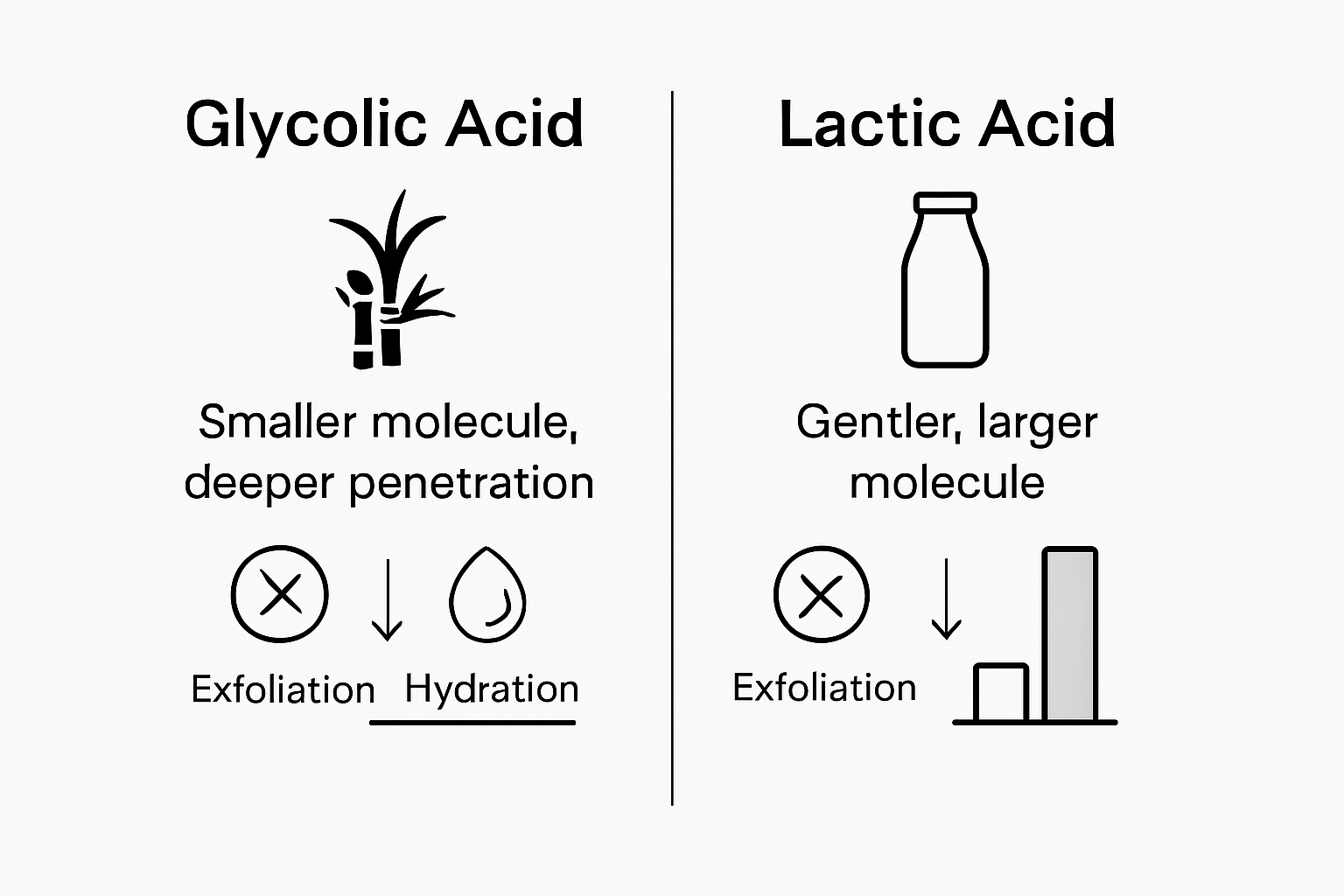
- Molecular Size: Glycolic acid has the smallest molecular structure
- Penetration Depth: Deepest skin penetration among AHAs
- Exfoliation Intensity: Most aggressive chemical exfoliant
- Skin Sensitivity: Higher potential for irritation
- Targeted Concerns: Most effective for aging and textural issues
Contrasting glycolic acid with other popular skincare acids reveals its unique advantages. Lactic acid, another common AHA, provides gentler exfoliation and better hydration, making it ideal for sensitive skin. Citric acid offers antioxidant benefits but lacks glycolic acid’s deep exfoliating capabilities. Mandelic acid provides more gradual skin renewal with reduced irritation potential.
Choosing the right acid depends on individual skin concerns and sensitivity levels. While glycolic acid delivers powerful results, it requires careful application and may not suit all skin types. Consulting a skincare professional can help determine the most appropriate acid-based treatment for specific skin goals and conditions.
Unlock Radiant Skin with Glycolic Acid Solutions
If you are struggling with dull skin, uneven texture, or persistent acne, glycolic acid can be your skincare game changer. As the article explains, glycolic acid effectively exfoliates dead skin cells and boosts collagen production, helping you achieve a smoother and more youthful complexion. However, selecting the right product and concentration for your skin type is crucial to avoid irritation and maximize results.
Discover our curated selection of potent yet gentle formulas in the Facial Serums – Skin Styles collection. These serums harness the exfoliating power of glycolic acid with carefully balanced concentrations that fit both beginners and experienced users. For those seeking trusted Korean skincare innovations, explore the Beauty of Joseon – Skin Styles collection, which blends traditional ingredients with modern exfoliating technology.

Transform your daily routine with expert-recommended glycolic acid treatments from Skin-Styles.com. Start now to renew your skin safely and enjoy the visible glow that comes with consistent use. Visit our site to choose products tailored to your skin’s needs and take the first step toward radiant skin today.
Frequently Asked Questions
What is glycolic acid and how does it work?
Glycolic acid is an alpha-hydroxy acid (AHA) derived from sugarcane. It works by dissolving the bonds between dead skin cells, facilitating their removal and promoting cellular turnover, ultimately leading to smoother and more radiant skin.
What types of glycolic acid products are available for skincare?
Glycolic acid products include cleansers, toners, serums, chemical peels, and creams or moisturizers. Each product type has different concentrations and application methods, catering to various skin concerns and sensitivities.
How should I incorporate glycolic acid into my skincare routine?
Start with lower concentrations (5-10%) if you have sensitive skin or are new to glycolic acid. Gradually increase usage and concentration as your skin builds tolerance. Always perform a patch test and use sunscreen, as glycolic acid can increase sun sensitivity.
What are the potential risks of using glycolic acid?
The potential risks of using glycolic acid include skin irritation, increased sun sensitivity, over-exfoliation, and allergic reactions. It’s important to monitor your skin’s response and consult a professional if irritation occurs.