

Over 60 percent of American adults are unsure about the best way to care for their skin each day. With so many skincare products and routines available, it is no surprise that finding a starting point feels confusing. Learning the essentials of effective cleansing can help you avoid common mistakes and discover what truly works for your unique skin. This step by step guide will show you how to assess, prepare, cleanse, and hydrate like an expert, setting the stage for healthier and more balanced results.
Table of Contents
- Step 1: Assess Your Skin Type And Needs
- Step 2: Prepare Your Skin With Gentle Rinsing
- Step 3: Apply Cleanser Using Proper Technique
- Step 4: Rinse Thoroughly And Pat Dry
- Step 5: Verify Cleanliness And Hydrate Skin
Quick Summary
| Key Point | Explanation |
|---|---|
| 1. Identify Your Skin Type | Analyze how your skin feels and reacts to determine its type for tailored skincare. |
| 2. Use Gentle Techniques | When rinsing and cleansing, employ gentle methods to avoid skin irritation and preserve its barrier. |
| 3. Thoroughly Rinse Off Products | Ensure complete removal of cleansers and impurities to maintain skin health and readiness for hydration. |
| 4. Hydrate Immediately After Cleansing | Apply a moisturizer right after cleansing for optimal absorption and to lock in moisture effectively. |
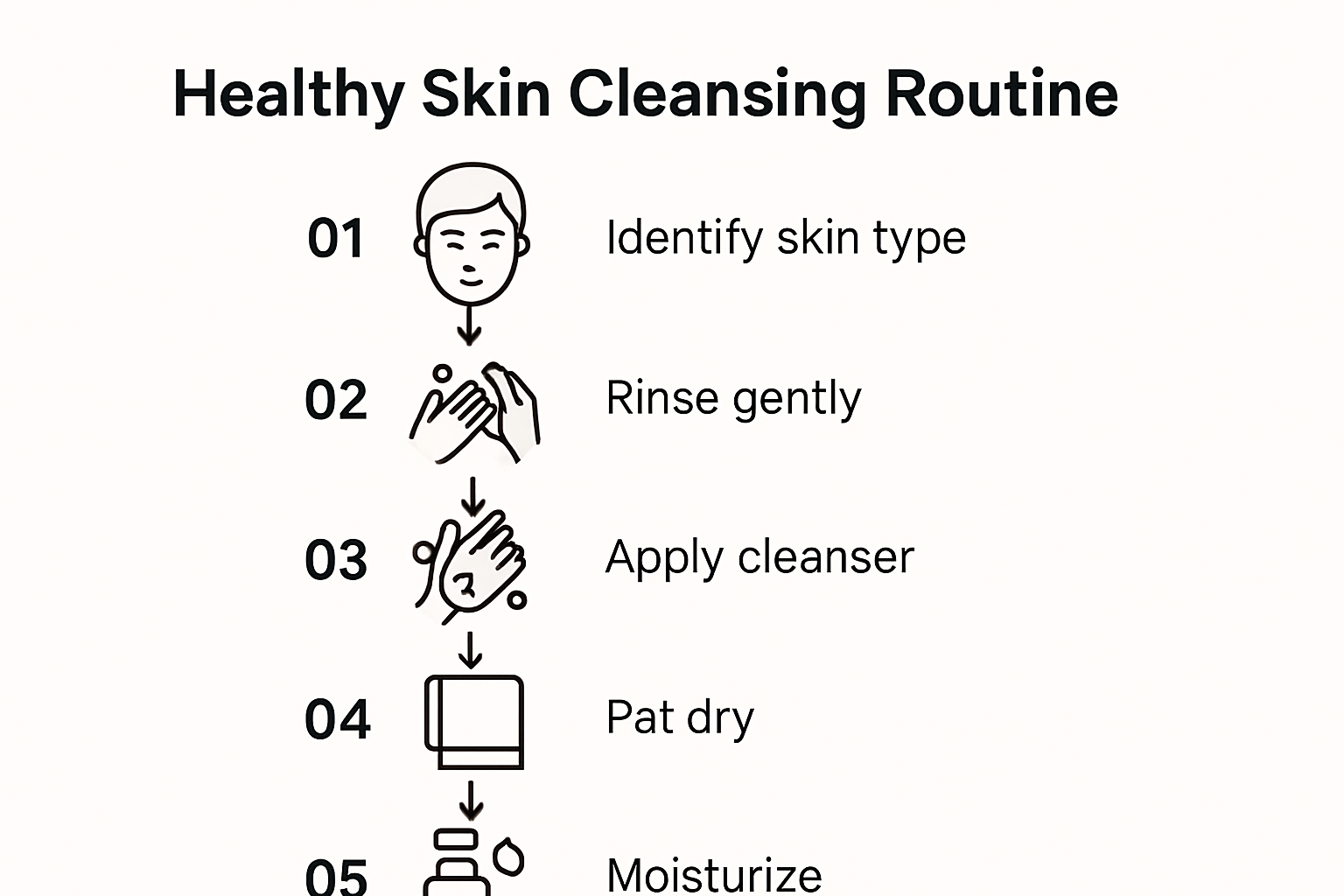
Step 1: Assess Your Skin Type and Needs
Understanding your unique skin type is the foundational first step in creating an effective skincare routine. By carefully analyzing how your skin responds to different conditions, you can select products and techniques specifically tailored to your individual needs, helping you achieve healthier, more balanced skin.
To determine your skin type, experts recommend a simple observation method that involves carefully monitoring your skin’s behavior throughout the day. Start by washing your face with a gentle cleanser and patting it dry. Wait approximately one hour without applying any products, then examine how your skin feels. Oily skin will appear shiny and feel slick, particularly around the forehead, nose, and chin. Dry skin might feel tight, rough, or show visible flaking. Combination skin will display different characteristics in different areas, with an oily T zone and drier cheeks. Sensitive skin might react with redness, irritation, or a burning sensation when exposed to new products.
One critical warning: never make assumptions about your skin type based on a single observation. Skin can change with factors like age, hormones, climate, and stress levels. Perform this assessment multiple times across different seasons and conditions to gain a comprehensive understanding. By taking a systematic approach to identifying your skin’s unique characteristics, you’ll be well prepared to select the most appropriate cleansing and skincare strategies.
Step 2: Prepare Your Skin with Gentle Rinsing
Preparing your skin for cleansing is a critical first step that sets the foundation for an effective skincare routine. The goal is to create an optimal environment for removing dirt, oil, and impurities without disrupting your skin’s natural protective barrier.
Begin by selecting lukewarm water, which helps open your pores without causing unnecessary stress to your skin. Gentle cleansing techniques can significantly improve your skincare results, so approach this step with care. Use clean hands or a soft washcloth to apply water to your face, using light circular motions that avoid pulling or stretching the skin. Avoid using hot water, which can strip your skin of essential natural oils and potentially cause irritation.
One key warning: never scrub your skin aggressively. Harsh movements can cause microtears, inflammation, and long term damage. Instead, treat your skin with respect, using soft patting or gentle sweeping motions. Pat your face dry with a clean, soft towel, leaving your skin slightly damp to prepare for the next steps in your cleansing routine. This approach ensures your skin remains balanced, clean, and ready for subsequent skincare treatments.
Step 3: Apply Cleanser Using Proper Technique
Applying your cleanser correctly is crucial for maintaining healthy skin and achieving optimal cleansing results. This step requires careful attention to technique, product selection, and gentle application to ensure you effectively remove impurities without causing unnecessary stress to your skin.
Different cleansing methods can dramatically impact your skincare routine, so start by dispensing a small amount of cleanser onto clean fingertips. Use gentle circular motions to massage the product into your skin, focusing on areas prone to oil buildup like the forehead, nose, and chin. Move your fingers in soft upward and outward strokes, which helps prevent pulling or stretching the skin. Pay special attention to areas with makeup or higher environmental exposure, but avoid excessive rubbing that might cause irritation.
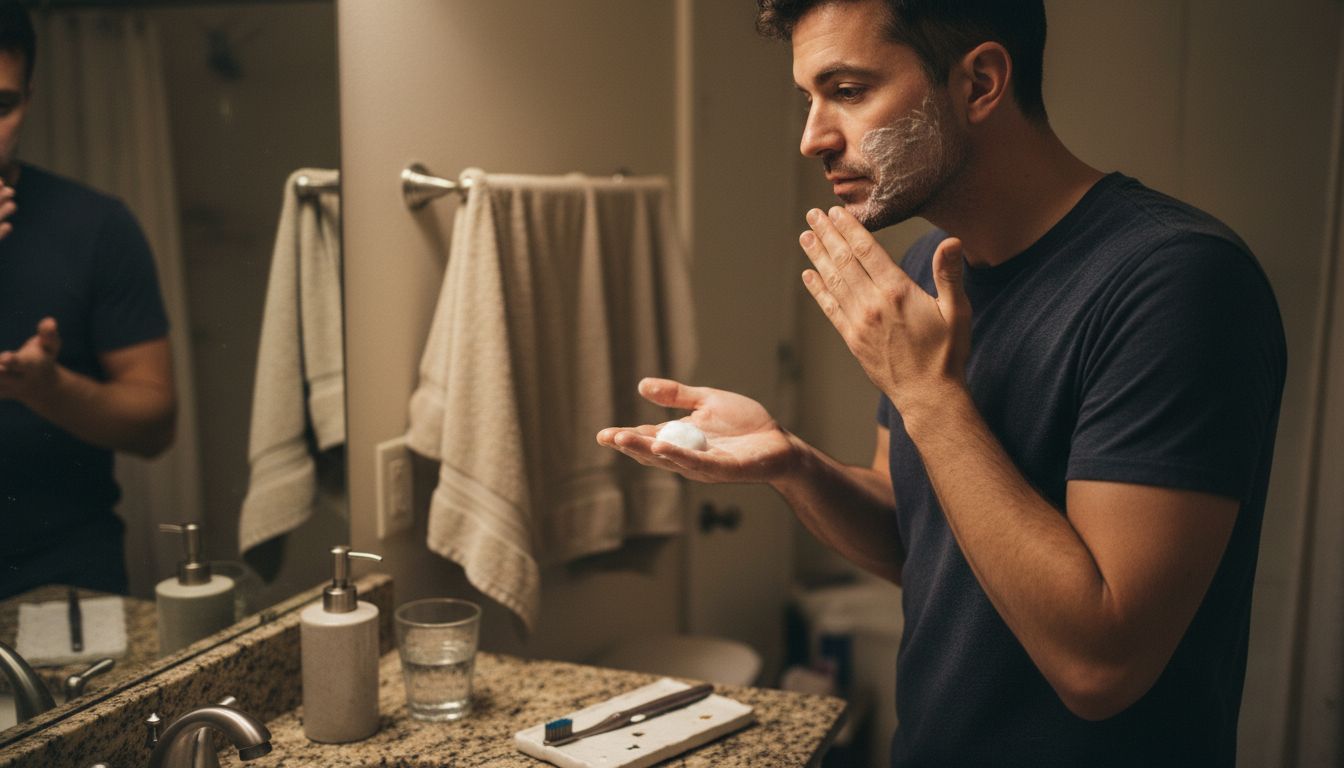
One critical warning: always match your cleansing technique to your specific skin type. Sensitive skin requires extra delicate handling, while oily skin might need slightly more thorough but still gentle cleansing. Rinse thoroughly with lukewarm water, ensuring no product residue remains. Pat your skin dry with a clean towel, leaving it slightly damp to prepare for the next steps in your skincare routine. This methodical approach ensures your skin receives thorough yet gentle cleansing, setting the stage for healthy, radiant skin.
Step 4: Rinse Thoroughly and Pat Dry
The final stage of cleansing is crucial for removing all product residue and preparing your skin for subsequent skincare treatments. Proper rinsing and drying techniques can make a significant difference in maintaining your skin’s health and preventing potential irritation.
Effective rinsing methods protect your skin’s delicate moisture balance, so approach this step with care and precision. Use lukewarm water and gently splash it across your face, ensuring you remove all traces of cleanser from every contour of your skin. Cup your hands and bring the water to your face, using soft sweeping motions to rinse thoroughly. Avoid using water that is too hot or too cold, as extreme temperatures can shock your skin and disrupt its natural protective barrier.
One critical warning: never rub your face with a towel, as this can cause unnecessary friction and potential damage. Instead, use a clean, soft towel and gently pat your skin dry, leaving it slightly damp. This slight moisture helps your next skincare products absorb more effectively. If you have sensitive skin, consider using a separate soft towel specifically for your face to prevent potential bacterial transfer. Your skin is now perfectly prepped and ready for the next steps in your skincare routine.
Step 5: Verify Cleanliness and Hydrate Skin
The final stage of your cleansing routine involves carefully assessing your skin’s condition and immediately replenishing its moisture to maintain a healthy balanced complexion. This critical step ensures that your skin remains hydrated, protected, and prepared for subsequent skincare treatments.
Proper skin hydration is essential for maintaining your skin’s natural protective barrier, so begin by examining your skin in good lighting. Check for any remaining traces of cleanser or makeup, running your fingertips gently across different areas of your face to confirm complete cleanliness. Look for a soft, smooth texture without any residual product or greasy feeling. If you detect any remaining impurities, use a gentle toner or micellar water to complete the cleansing process.
One critical warning: do not skip moisturizing after cleansing. Your skin is most receptive to hydration immediately after cleansing, with its pores open and ready to absorb nutrients. Apply a moisturizer that matches your specific skin type, using gentle upward strokes to help the product penetrate effectively. Pay special attention to areas prone to dryness, such as around the eyes and mouth. This final step locks in moisture, helps maintain your skin’s natural balance, and provides a protective barrier against environmental stressors.
Elevate Your Cleansing Routine with Targeted Skincare Solutions
Mastering the cleansing process is the key to achieving healthy skin free from irritation and dryness. This guide highlights common challenges like selecting the right cleanser for your skin type and ensuring gentle yet effective application. If you want to avoid harsh scrubbing and maintain your skin’s natural protective barrier, choosing products tailored to your unique needs is essential.
Explore our curated range of Facial Cleansers – Skin Styles designed to complement every skin type and support your complete cleansing routine.

Don’t let impurities or dryness hold your skin back any longer. Visit Skin-Styles.com today and discover expert-approved products from our Beauty of Joseon – Skin Styles collection that hydrate and restore balance after cleansing. Take the first step now for radiant, refreshed skin that truly feels clean and cared for.
Frequently Asked Questions
How can I determine my skin type?
To determine your skin type, wash your face with a gentle cleanser, then wait one hour without applying products. Examine how your skin feels—oily, dry, combination, or sensitive—to tailor your skincare routine effectively.
What should I consider when preparing my skin for cleansing?
When preparing your skin for cleansing, use lukewarm water to gently open your pores without causing irritation. Apply water to your face using soft circular motions, avoiding hot water to preserve natural oils.
What is the best technique for applying cleanser?
Apply your cleanser using clean fingertips and gentle circular motions, focusing on areas that tend to accumulate oil. Avoid scrubbing aggressively; instead, use soft upward and outward strokes to keep your skin healthy and irritation-free.
How can I ensure I’ve rinsed my skin thoroughly?
Rinse your skin thoroughly by splash lukewarm water across your face and use soft sweeping motions to remove all traces of cleanser. Pat your skin dry with a clean towel instead of rubbing, to minimize friction and potential damage.
Why is moisturizing important after cleansing?
Moisturizing after cleansing is crucial because your skin is most receptive to hydration at this time. Apply a moisturizer that suits your skin type immediately to lock in moisture and help maintain your skin’s natural balance.