

Finding the right moisturizer rarely feels simple when over 85 percent of American adults struggle with skin dryness at some point each year. As concerns about hydration and sensitive skin gain traction from New York to Tokyo, understanding occlusive ingredients becomes vital for anyone seeking truly effective skincare routines. This guide unpacks how occlusives protect, hydrate, and transform skin health so you can navigate your options with confidence and clarity.
Table of Contents
- Occlusive Defined: Purpose In Skincare
- Types Of Occlusive Ingredients Explained
- How Occlusives Prevent Moisture Loss
- Benefits And Drawbacks For Dry Skin
- Comparing Occlusives And Other Moisturizers
Key Takeaways
| Point | Details |
|---|---|
| Purpose of Occlusives | Occlusives create a protective barrier on the skin, preventing moisture loss and enhancing hydration. |
| Types of Occlusive Ingredients | Common occlusives include Petroleum Jelly, Dimethicone, and Lanolin, each suitable for different skin types. |
| Benefits for Dry Skin | They provide intense hydration, enhance barrier protection, and support skin healing processes for dry or sensitive skin. |
| Application Strategy | Apply occlusives last in your skincare routine to maximize moisture retention and protection against evaporation. |
Occlusive Defined: Purpose In Skincare
Occlusives are specialized skincare ingredients designed to create a protective barrier on the skin’s surface, preventing moisture loss and defending against external irritants. Forming a physical barrier, these ingredients work by sealing in hydration and supporting the skin’s natural protective mechanisms.
In dermatological practice, occlusives serve multiple critical functions. They reduce transepidermal water loss (TEWL), which means preventing water from evaporating through the skin’s outer layer. This process is crucial for maintaining optimal skin hydration and supporting the skin’s barrier function. By creating a semi-impermeable layer, occlusives help lock in moisture and prevent environmental stressors from penetrating the skin’s delicate surface.
The primary purpose of occlusive agents is to provide a protective shield while enhancing the skin’s natural healing processes. Dermatological research demonstrates that these ingredients are particularly beneficial for individuals with dry, sensitive, or compromised skin barriers. They work by forming a protective coating that not only prevents water loss but also helps active skincare ingredients penetrate more effectively, maximizing the overall efficacy of a skincare routine.
Pro Tip: When applying occlusive products, always layer them as the final step in your skincare routine to maximize their moisture-locking and protective benefits.
Types Of Occlusive Ingredients Explained
Occlusives are a diverse group of skincare ingredients that create protective barriers on the skin. These ingredients range from natural substances to synthetic compounds, each offering unique moisture-locking properties. Facial oils with occlusive properties play a crucial role in preventing water loss and protecting the skin’s delicate surface.
The primary types of occlusive ingredients include:
- Petroleum Jelly: A classic occlusive that creates an impenetrable barrier, ideal for extremely dry or damaged skin
- Silicone-based Ingredients: Such as dimethicone, which provides a smooth, lightweight protective layer
- Mineral Oils: Natural oils that form a protective seal over the skin’s surface
- Lanolin: A waxy substance derived from sheep’s wool, excellent for extreme moisture retention
- Beeswax: A natural occlusive that offers both protective and emollient benefits
Each occlusive ingredient has unique characteristics that make it suitable for different skin types and conditions. Synthetic occlusives like silicones tend to feel lighter and work well for oily or acne-prone skin, while natural options like petroleum jelly provide more intensive protection for extremely dry or compromised skin barriers.
Here’s a quick reference for common occlusive ingredients and their ideal skin types:
| Occlusive Ingredient | Best For Skin Type | Notable Properties |
|---|---|---|
| Petroleum Jelly | Severely dry, damaged | Maximum water retention |
| Dimethicone (Silicone) | Oily, acne-prone | Lightweight, non-greasy feel |
| Mineral Oil | Dry, normal | Forms a flexible seal |
| Lanolin | Extremely dry, sensitive | Deep moisture, soothing effect |
| Beeswax | Dry, sensitive | Natural emollient, protective |
Pro Tip: Match your occlusive ingredient to your specific skin type and concern for optimal hydration and protection.
How Occlusives Prevent Moisture Loss
Skin occlusion mechanisms work by creating a protective barrier that dramatically reduces transepidermal water loss (TEWL). This microscopic shield prevents water molecules from escaping the skin’s surface, effectively trapping moisture within the stratum corneum and maintaining optimal hydration levels.
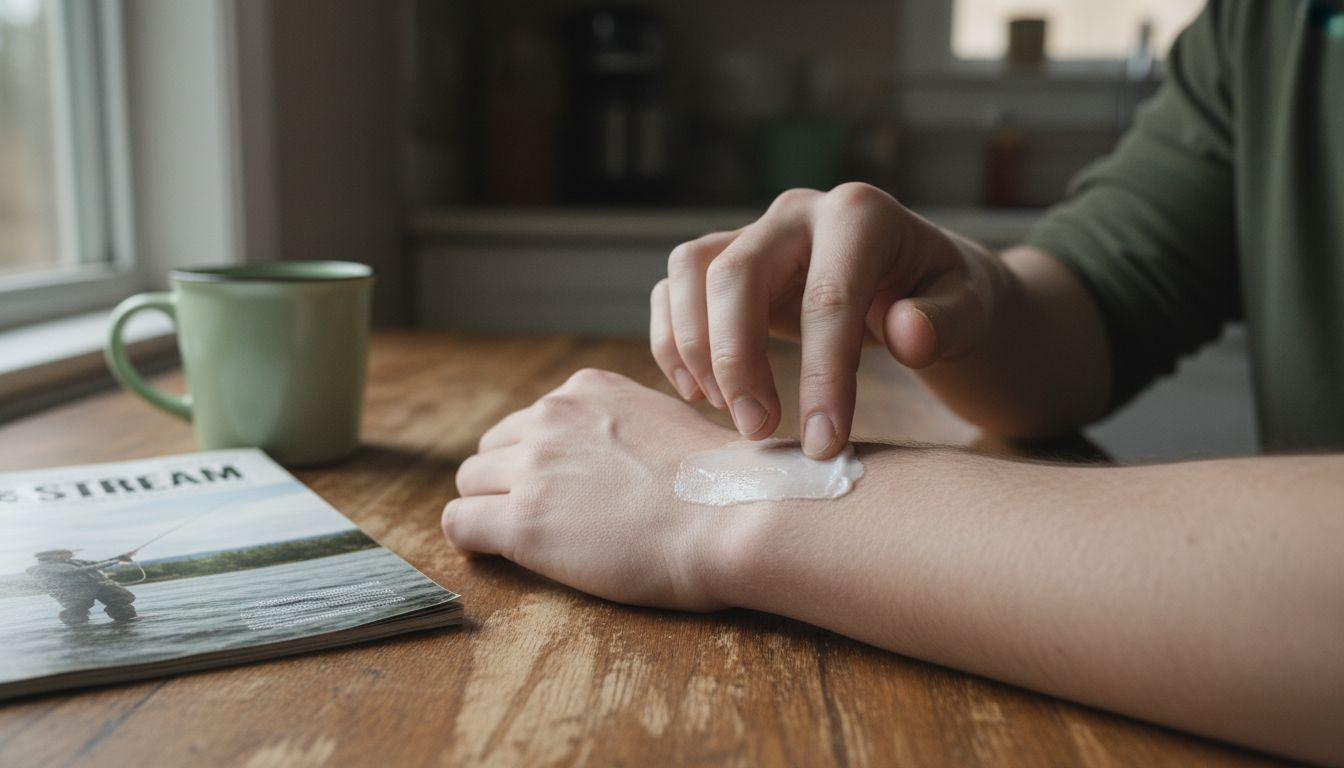
The process of moisture prevention involves several key mechanisms. Occlusive ingredients form a thin, impermeable film that physically blocks water evaporation, creating a sealed environment that keeps the skin’s natural moisture locked in. These ingredients work by filling the microscopic spaces between skin cells, creating a smooth, continuous barrier that prevents water from escaping through the skin’s outer layer.
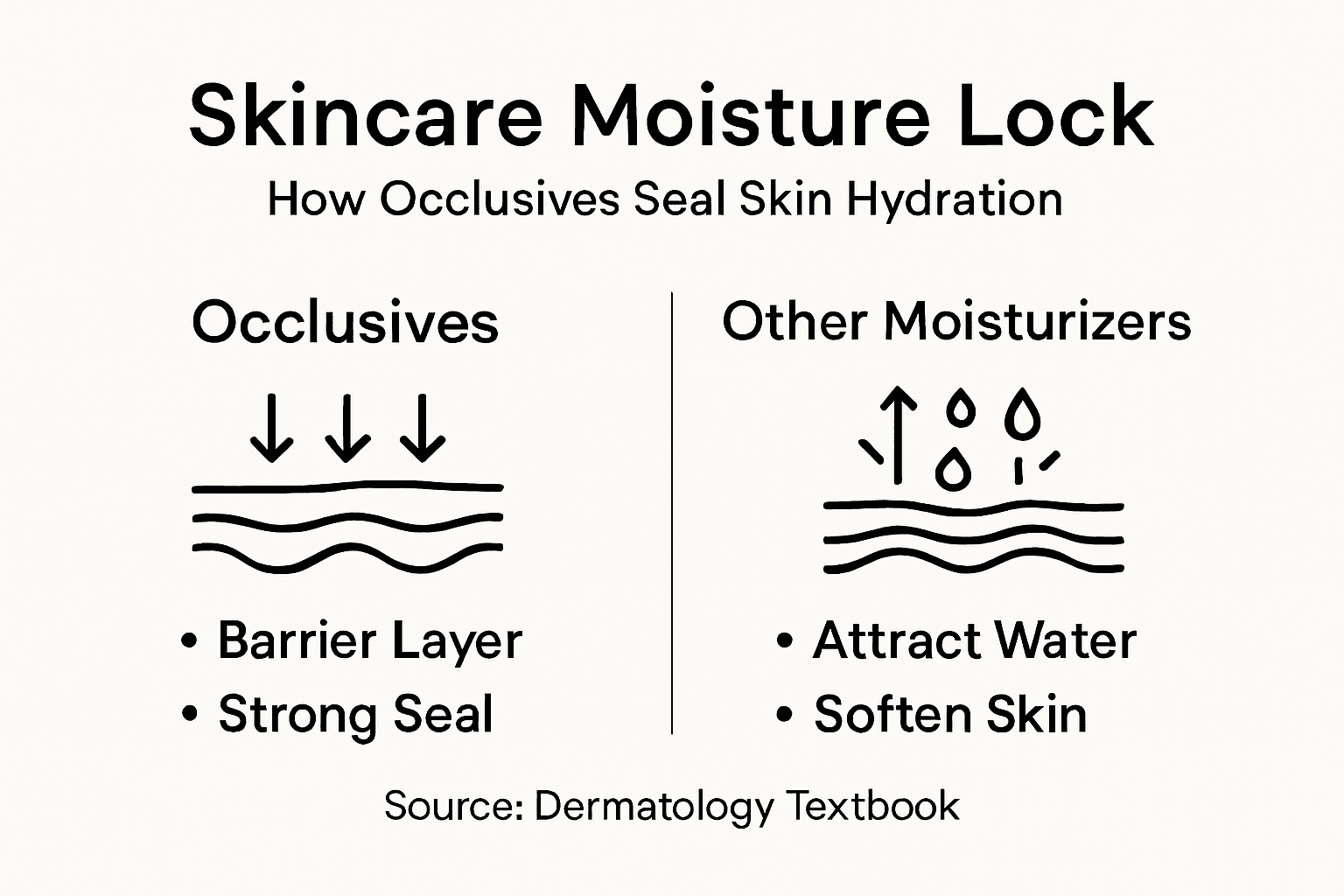
Different types of occlusives have varying levels of effectiveness in preventing moisture loss. Petroleum-based occlusives create the most comprehensive barrier, while lighter silicone-based ingredients provide a more breathable protective layer. The effectiveness depends on the molecular structure of the occlusive ingredient, with some creating a more complete seal than others. Topical treatment penetration is also enhanced by this moisture-locking process, as the hydrated environment helps active ingredients penetrate more deeply into the skin.
Pro Tip: Apply occlusive products to slightly damp skin to maximize moisture trapping and enhance hydration absorption.
Benefits And Drawbacks For Dry Skin
Skin occlusion mechanisms offer significant advantages for individuals struggling with dry skin. By creating a protective barrier, occlusives help lock in moisture, providing intense hydration and supporting the skin’s natural healing processes. These ingredients are particularly beneficial for people with chronically dry, flaky, or compromised skin barriers.
The primary benefits for dry skin include:
- Immediate moisture retention
- Enhanced skin barrier protection
- Reduced skin irritation and roughness
- Prevention of moisture evaporation
- Support for skin’s natural repair mechanisms
However, occlusives are not without potential drawbacks. Overuse or selecting the wrong type of occlusive can lead to several complications. Some individuals may experience clogged pores, especially those with combination or acne-prone skin. The thick, impermeable nature of certain occlusive ingredients can trap heat and potentially disrupt the skin’s natural microbiome, leading to potential irritation or breakouts.
Pro Tip: Choose lightweight, non-comedogenic occlusive ingredients and apply sparingly to avoid potential skin congestion.
Comparing Occlusives And Other Moisturizers
Moisturizer ingredient differences reveal a complex landscape of hydration strategies. While humectants, emollients, and occlusives all contribute to skin moisture, each operates through distinctly different mechanisms. Understanding these differences is crucial for developing an effective skincare routine tailored to individual skin needs.
Here’s a comprehensive breakdown of moisturizer types:
- Humectants: Draw moisture into the skin from external environment
- Emollients: Soften and smooth skin texture
- Occlusives: Create a physical barrier to prevent moisture loss
Occlusives stand out as the most robust moisture-retention ingredient. Unlike humectants that attract water or emollients that improve skin texture, occlusives form a protective seal that locks in existing moisture. This makes them particularly effective for extremely dry, damaged, or sensitive skin types. The thick, impermeable nature of occlusive ingredients means they provide the most intensive hydration protection, creating a literal barrier against water evaporation.
This table compares how moisturizer types operate and their recommended application order:
| Moisturizer Type | Primary Action | Barrier Strength | Layer Order |
|---|---|---|---|
| Humectant | Attracts water to skin | Low | Apply first |
| Emollient | Softens skin texture | Moderate | Apply second |
| Occlusive | Blocks water loss | High | Apply last |
Pro Tip: Layer moisturizer types strategically: apply humectants first, then emollients, and finish with occlusives for maximum hydration effectiveness.
Unlock Lasting Hydration with the Power of Occlusives
Struggling to keep your skin hydrated and protected throughout the day The article highlights the importance of occlusive ingredients in locking in moisture and forming a protective barrier against dryness and environmental stressors If your skin feels dry sensitive or compromised discovering the right occlusive products can transform your skincare routine and restore your skin’s natural barrier
Explore our carefully curated selection of Facial Creams & Gels enriched with effective occlusive agents to seal in moisture and deliver deep hydration.

Take control of your skin’s moisture retention today and experience the difference of scientifically backed occlusive skincare at Skin-Styles.com. Start by browsing our collection of Facial Serums for layered hydration and complete your routine with nourishing cleansers from Facial Cleansers. Don’t wait to protect your skin from moisture loss. Shop now and give your skin the barrier it deserves.
Frequently Asked Questions
What are occlusives in skincare?
Occlusives are specialized skincare ingredients that create a protective barrier on the skin’s surface, preventing moisture loss and protecting against external irritants.
How do occlusives prevent moisture loss?
Occlusives work by forming a thin, impermeable film that blocks water evaporation from the skin, creating a sealed environment that helps maintain optimal hydration levels.
What are the benefits of using occlusive ingredients on dry skin?
Occlusives provide significant benefits for dry skin, including immediate moisture retention, enhanced skin barrier protection, reduced irritation, and support for the skin’s natural repair processes.
How do occlusives compare to other moisturizer types?
Occlusives differ from humectants, which attract moisture, and emollients, which soften skin texture. Occlusives offer the most robust protection by forming a seal that locks in existing moisture, making them ideal for extremely dry or compromised skin.