

Feeling frustrated by more dryness and fine lines every year? For women living in busy cities from Paris to Sydney, the struggle with aging skin is often linked to hydration—not just the creams on the shelf, but the science behind it. Research shows that hydration is essential for maintaining skin’s resilience and youthful appearance as we age. Discover how understanding the body’s changing moisture needs unlocks smarter strategies for real, visible results.
Table of Contents
- Hydration’s Essential Function in Aging Skin
- Types of Skin Dehydration and Causes
- How Aging Changes Skin Hydration
- Topical Versus Internal Hydration Strategies
- Common Hydration Mistakes and Risks
Key Takeaways
| Point | Details |
|---|---|
| Importance of Hydration | Hydration is critical for aging skin to maintain moisture, elasticity, and resilience against environmental stressors. |
| Types of Dehydration | Understanding hypertonic and isotonic dehydration can help develop targeted skincare strategies for optimal moisture retention. |
| Holistic Hydration Approaches | Combining topical moisturizers with adequate internal hydration through diet and water intake enhances skin health and resilience. |
| Common Hydration Mistakes | Ignoring thirst cues and relying on caffeinated beverages can exacerbate dehydration, affecting skin health and overall well-being. |
Hydration’s Essential Function in Aging Skin
As we age, our skin undergoes profound transformations that dramatically impact its ability to retain moisture. Hydration becomes increasingly critical in maintaining skin health and preventing premature aging. Aging skin’s complex biological processes reveal how essential water retention is for maintaining youthful appearance and functionality.
The science behind skin hydration is intricate and multifaceted. Aging skin experiences several key changes that compromise its natural moisture balance:
- Reduced lipid synthesis leading to increased water loss
- Diminished natural moisturizing factors
- Slower cell turnover rate
- Decreased collagen and elastin production
- Impaired barrier function
These physiological shifts mean that external hydration becomes increasingly important. Proper hydration strategies can significantly mitigate the visible signs of aging, helping to maintain skin’s resilience and appearance.
Consistent moisture replenishment works by supporting the skin’s fundamental protective mechanisms. When skin remains adequately hydrated, it can more effectively:
- Protect against environmental stressors
- Maintain elasticity and flexibility
- Support natural cellular repair processes
- Reduce inflammation
- Prevent premature wrinkle formation
Pro tip: Drink at least 8 glasses of water daily and use a hydrating moisturizer with hyaluronic acid to support your skin’s moisture retention capabilities.
Types of Skin Dehydration and Causes
Skin dehydration is a complex condition that extends far beyond simple dryness, involving intricate physiological mechanisms that compromise skin health. Two primary types of dehydration impact our skin’s ability to maintain optimal moisture levels: hypertonic and isotonic dehydration, each presenting unique challenges for skin wellness.
The primary types of skin dehydration include:
- Hypertonic Dehydration: Characterized by significant water deficit
- Isotonic Dehydration: Involving combined water and salt loss
- Surface Dehydration: Affecting only the outermost skin layers
- Deep Tissue Dehydration: Impacting underlying skin structures
Multiple factors contribute to skin dehydration, creating a complex interplay of internal and external influences:
- Aging-related decline in natural oil production
- Environmental exposure (wind, sun, low humidity)
- Inadequate water intake
- Excessive caffeine or alcohol consumption
- Certain medications
- Chronic medical conditions
- Hormonal changes
Understanding these dehydration mechanisms allows for more targeted and effective skincare strategies. By recognizing the specific type of dehydration affecting your skin, you can develop a more precise approach to moisture restoration and protection.
For fast reference, here are major contributors to skin dehydration linked with aging:
| Contributor | Typical Effect on Skin | Suggested Mitigation |
|---|---|---|
| Environmental Exposure | Increased water loss | Wear SPF, hydrate regularly |
| Medication Side Effects | Reduced oil production | Consult dermatologist |
| Hormonal Changes | Decreased moisture | Adjust skincare products |
| Low Water Intake | Dull, fragile skin | Set daily water goals |
Pro tip: Conduct a simple skin pinch test to assess your hydration levels: gently pinch your skin and observe how quickly it returns to its original position, with slower recovery indicating potential dehydration.
How Aging Changes Skin Hydration
Aging fundamentally transforms our skin’s hydration mechanisms, creating a cascade of physiological changes that compromise moisture retention. Structural skin transformations dramatically impact our skin’s ability to maintain optimal hydration levels, leading to visible and cellular-level modifications.
The key changes in skin hydration during aging include:
- Epidermal Thinning: Reduced protective layer thickness
- Decreased Lipid Production: Less natural oil generation
- Reduced Collagen: Diminished structural protein support
- Increased Transepidermal Water Loss: Compromised moisture barrier
- Slower Cell Turnover: Reduced natural regeneration capacity
These age-related transformations create a complex interplay of hydration challenges. Metabolic changes in skin components progressively undermine the skin’s natural moisture-retention capabilities, resulting in:
- Increased skin fragility
- Reduced elasticity
- Pronounced dryness
- More visible wrinkles
- Slower healing processes
- Decreased overall skin resilience
Understanding these intricate mechanisms allows for more targeted hydration strategies that can mitigate the aging process and maintain skin health. By recognizing how our skin changes, we can develop more effective approaches to moisture preservation and skin wellness.
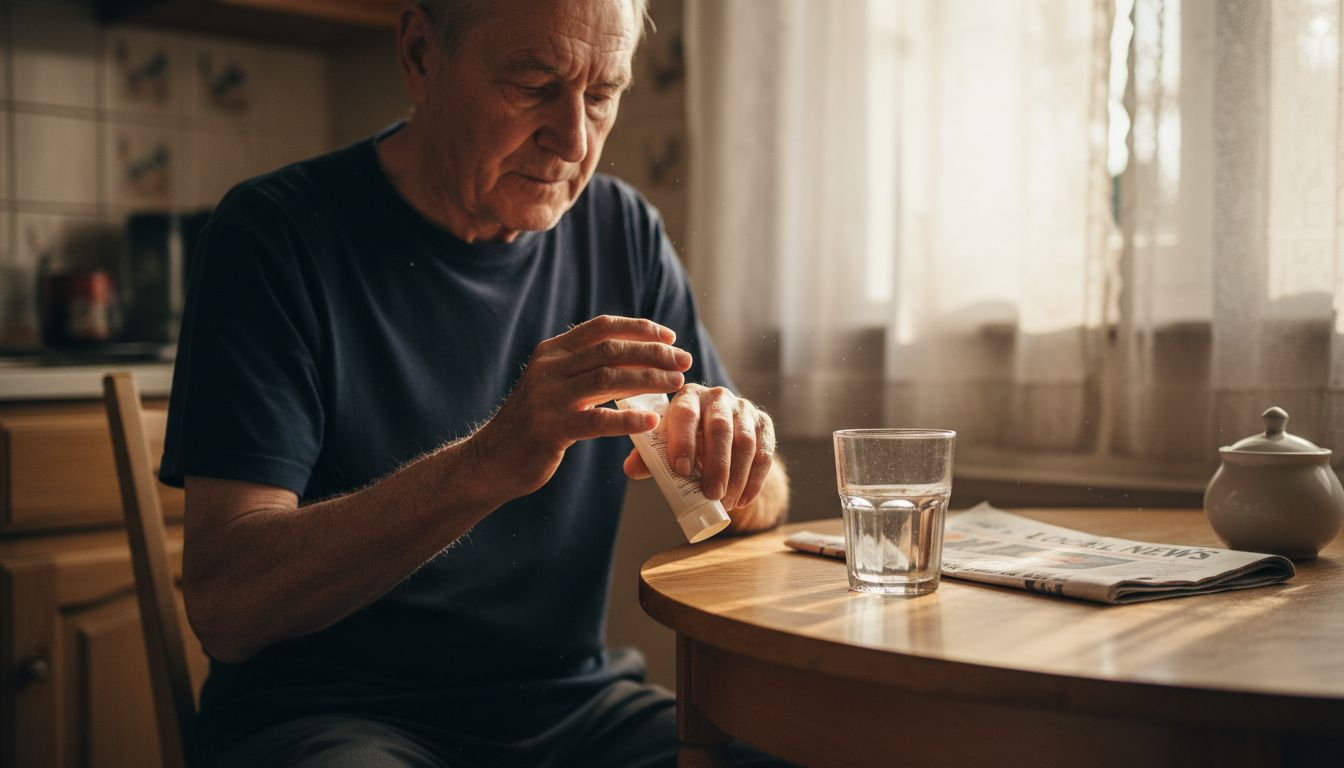
Pro tip: Incorporate hyaluronic acid and ceramide-based products into your skincare routine to help counteract age-related moisture loss and support your skin’s natural hydration mechanisms.
Topical Versus Internal Hydration Strategies
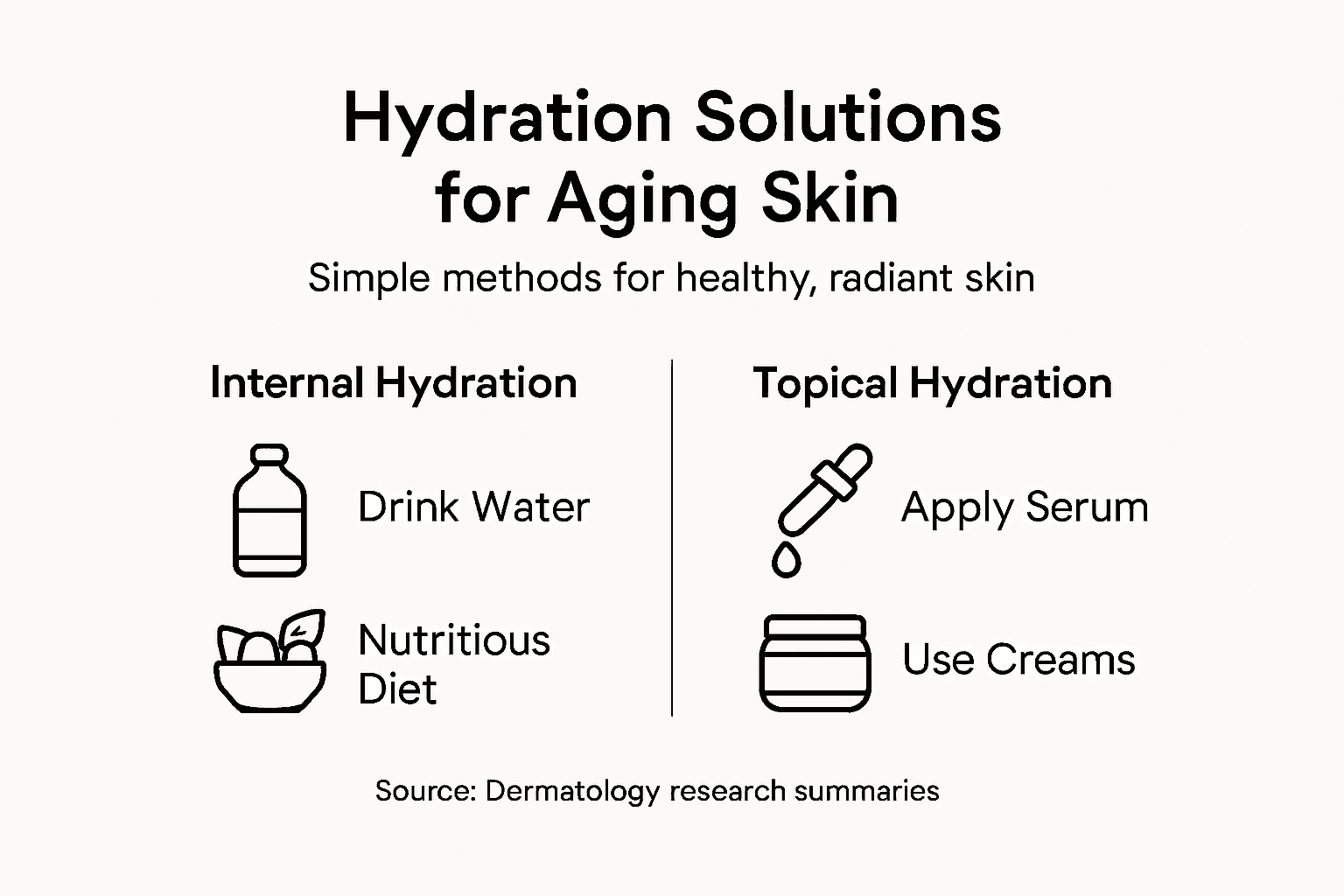
Addressing skin hydration requires a sophisticated approach that combines both external and internal strategies. Comprehensive skin rejuvenation techniques reveal that effective moisture management goes far beyond simple surface treatments, demanding a holistic understanding of skin health.
Topical hydration strategies include:
- Moisturizers: Containing humectants and emollients
- Serums: Concentrated hydration formulations
- Facial Oils: Natural lipid replenishment
- Hydrating Masks: Intensive moisture treatments
- Barrier Repair Creams: Protecting skin’s moisture infrastructure
Internal hydration approaches complement topical treatments through:
- Adequate daily water intake
- Nutrient-rich diet with antioxidants
- Collagen peptide supplementation
- Essential fatty acid consumption
- Targeted vitamin supplementation
Dermatological research demonstrates that combining these strategies creates a synergistic effect, addressing skin hydration from multiple physiological angles. The most effective approach integrates both external application and internal nutritional support, ensuring comprehensive moisture retention and skin health.
Here’s a quick comparison of different hydration strategies and their impact on aging skin:
| Hydration Strategy | Target Mechanism | Primary Benefit | Best For |
|---|---|---|---|
| Topical Moisturizers | Skin surface barrier | Immediate softness | Dry, flaky skin |
| Hydrating Serums | Deep skin absorption | Enhanced elasticity | Mature skin |
| Water Intake | Cellular hydration | Overall skin resilience | All skin types |
| Nutrient-Rich Diet | Antioxidant protection | Reduces inflammation | Sensitive, aging skin |
Pro tip: Create a personalized hydration strategy by alternating between topical treatments and internal nutritional support, tracking your skin’s response and adjusting accordingly.
Common Hydration Mistakes and Risks
Aging populations face complex hydration challenges that extend far beyond simple water consumption. Understanding these nuanced risks is critical for maintaining optimal skin and overall health, as dehydration can dramatically accelerate aging processes and compromise physiological function.
Common hydration mistakes include:
- Ignoring thirst signals
- Relying on caffeinated beverages
- Consuming diuretic drinks
- Overlooking electrolyte balance
- Inconsistent water intake
- Misinterpreting hydration needs
Specific risks associated with chronic dehydration involve:
- Reduced cognitive performance
- Impaired skin barrier function
- Accelerated cellular aging
- Compromised kidney function
- Decreased metabolic efficiency
- Higher inflammation markers
Diagnostic challenges in hydration assessment underscore the complexity of maintaining proper moisture balance. Older adults particularly face increased risks due to diminished thirst perception, medication interactions, and physiological changes that mask traditional hydration indicators.
Pro tip: Create a personalized hydration tracking system using a smart water bottle or smartphone app to monitor daily fluid intake and ensure consistent, balanced hydration.
Unlock Youthful Radiance Through Advanced Hydration Solutions
Aging skin struggles with moisture loss due to reduced lipid production and increased transepidermal water loss. If you aspire to restore elasticity and combat dryness effectively, addressing both internal and topical hydration is key. This article highlights critical factors like slowed cell turnover and diminished collagen that cause dehydration and premature wrinkles. Now is the time to adopt a personalized hydration strategy using clinically proven ingredients such as hyaluronic acid and ceramides.

Discover targeted skincare options at Skin-Styles.com specially formulated to support moisture retention and skin barrier repair. Don’t wait for visible signs of aging to worsen. Shop our selection of moisturizing serums and creams designed to replenish and protect aging skin from environmental stressors. Visit the landing page for a comprehensive range of solutions that combine both topical hydration and internal skin health support. Experience the confidence of revitalized skin by making hydration a daily priority today.
Frequently Asked Questions
What is the importance of hydration for aging skin?
Hydration is crucial for aging skin as it helps maintain moisture balance, supports elasticity, reduces the appearance of wrinkles, and enhances overall skin resilience and functionality.
What are the types of skin dehydration and their causes?
There are several types of skin dehydration, including hypertonic, isotonic, surface, and deep tissue dehydration. Common causes include aging, environmental exposure, inadequate water intake, and hormonal changes.
How do aging processes affect skin hydration?
As we age, our skin experiences changes such as decreased lipid production, slower cell turnover, reduced collagen levels, and increased transepidermal water loss, all of which compromise its ability to retain moisture.
What hydration strategies are most effective for mature skin?
Effective hydration strategies for mature skin include using topical moisturizers with humectants like hyaluronic acid, maintaining adequate daily water intake, consuming a nutrient-rich diet, and using barrier repair creams that enhance moisture retention.