

Most skincare enthusiasts in Europe might be surprised that over 40 percent of American adults report skin texture concerns, inspiring a growing demand for evidence-based exfoliation. Finding the right method is crucial because exfoliation techniques shape how your skin feels, looks, and reacts to treatment. This guide corrects popular misconceptions, outlines modern and historical exfoliation strategies, and uncovers how customized approaches elevate both professional and at-home routines.
Table of Contents
- Exfoliation Explained: Purpose and Misconceptions
- Chemical Exfoliation: Types and How It Works
- Physical Exfoliation: Methods and Key Features
- Choosing the Right Exfoliation for Skin Type
- Risks, Mistakes, and Safety Tips
Key Takeaways
| Point | Details |
|---|---|
| Exfoliation Purpose | Exfoliation removes dead skin cells, unclogs pores, and improves skin texture, but it won’t reverse aging or eliminate deep wrinkles. |
| Exfoliation Methods | There are two main types: mechanical (physical) and chemical, each with distinct benefits and risks depending on skin type. |
| Skin Type Considerations | Tailor exfoliation methods to your skin type: oily, dry, normal, or sensitive, and always perform a patch test when trying something new. |
| Avoiding Common Mistakes | Over-exfoliation can lead to skin damage; choose products suited to your skin’s needs and frequency to prevent irritation. |
Exfoliation Explained: Purpose and Misconceptions
Exfoliation is a fundamental skincare technique designed to remove dead skin cells and improve overall skin texture and appearance. By understanding this process, you can transform your skincare routine and achieve healthier, more radiant skin. Skin renewal methods have deep historical roots, tracing back to ancient civilizations in Egypt, Asia, and China, where natural materials were used to enhance skin quality.
At its core, exfoliation serves multiple critical functions beyond simple surface cleaning. It helps unclog pores, stimulate cell turnover, and create a smoother complexion. However, contrary to popular belief, exfoliation will not dramatically reverse aging or eliminate deep wrinkles. Dermatological research suggests that while exfoliation can brighten skin and improve texture, it cannot fundamentally change the aging process.
Two primary exfoliation methods exist: mechanical (physical) and chemical. Mechanical exfoliation involves using abrasive materials like scrubs with small particles to physically remove dead skin cells. Chemical exfoliation, on the other hand, uses specialized acids such as alpha and beta hydroxy acids to dissolve and remove dead skin cells more gently. Each method offers unique benefits and potential risks, making it essential to understand your skin type and choose the appropriate technique.
Here’s a quick comparison between mechanical and chemical exfoliation approaches:
| Method | Main Mechanism | Typical Benefits | Key Risks |
|---|---|---|---|
| Mechanical Exfoliation | Physical particle abrasion | Smooths texture, quick result | Micro-tears, over-scrubbing |
| Chemical Exfoliation | Acid dissolves cell bonds | Brightens, refines pores | Irritation, sensitivity |
Pro tip: Always patch test a new exfoliation method and start with gentle, less frequent applications to minimize potential skin irritation.
Chemical Exfoliation: Types and How It Works
Chemical exfoliation represents a sophisticated skincare approach that uses specialized acids to dissolve and remove dead skin cells. Unlike mechanical methods, this technique works by breaking down cellular bonds, creating a smoother and more refined skin surface. Chemical peel technologies reveal a nuanced process that targets different skin layers through varying acid concentrations and molecular structures.
The primary chemical exfoliants include alpha hydroxy acids (AHAs), beta hydroxy acids (BHAs), and poly hydroxy acids (PHAs). Glycolic acid, the smallest molecular AHA, penetrates deeply and works effectively on fine lines and uneven texture. Lactic acid offers gentler exfoliation, making it ideal for sensitive skin types. Salicylic acid, a BHA, specializes in penetrating oil-filled pores, making it exceptional for acne-prone and congested skin.
Professional chemical peels range from superficial to deep treatments, each designed to address specific skin concerns. Superficial peels use mild concentrations that gently remove the topmost skin layer, while medium and deep peels target more significant skin damage. These treatments stimulate collagen production and cellular renewal by creating controlled microtraumas that trigger the skin’s natural healing response.
Pro tip: Start with lower acid concentrations and gradually increase strength, always performing a patch test to assess your skin’s individual tolerance and reaction.
Physical Exfoliation: Methods and Key Features
Physical exfoliation represents a direct approach to skin renewal, utilizing mechanical methods to remove dead skin cells through physical abrasion. Mechanical skin removal techniques involve using various tools and materials designed to manually scrub away the top layer of dead skin, revealing a smoother and more radiant complexion underneath.
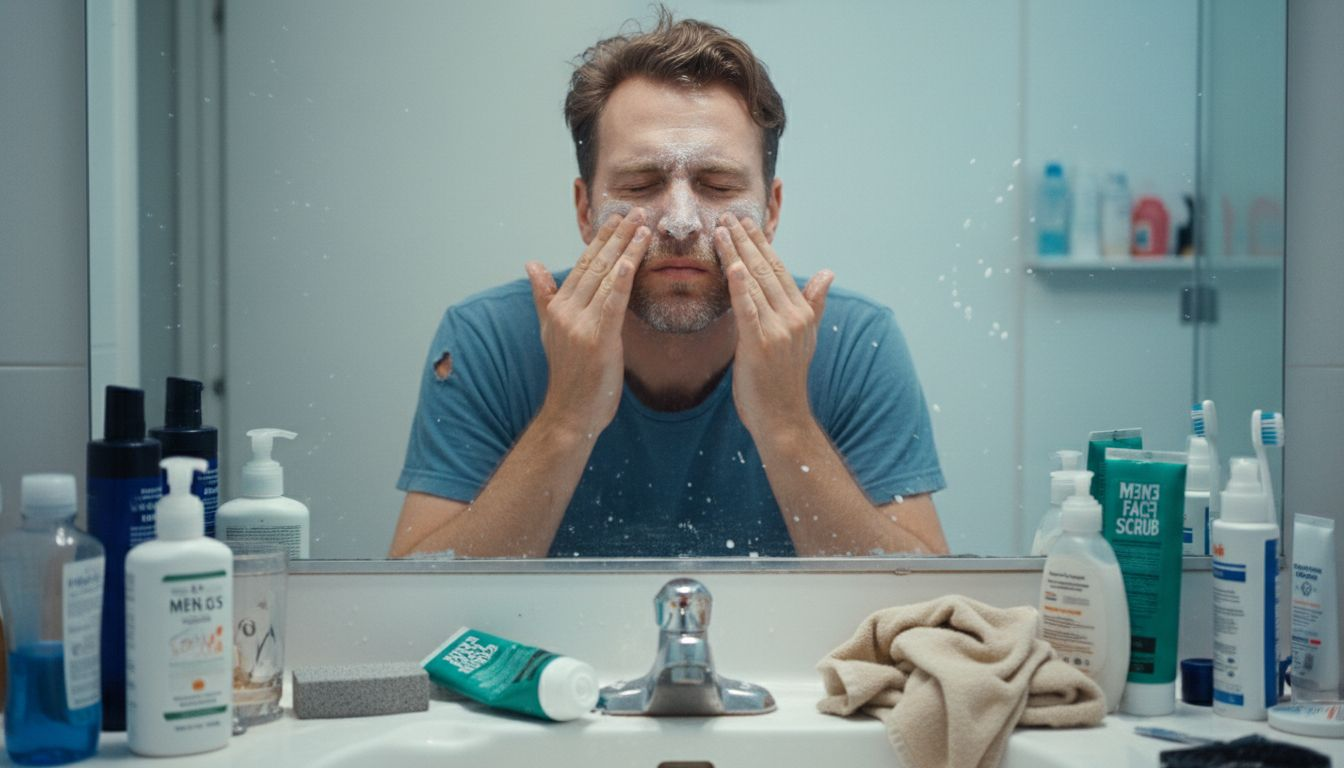
The range of physical exfoliation tools is diverse, including scrubs, brushes, sponges, and exfoliation gloves. Natural ingredients like pumice, ground apricot kernels, and jojoba beads are commonly used as abrasive particles. Synthetic alternatives also exist, offering controlled and consistent exfoliation. Each tool and ingredient offers unique characteristics: some provide gentle buffing, while others deliver more intense skin resurfacing. The key is selecting a method that matches your specific skin type and sensitivity level.
However, physical exfoliation requires careful consideration. Scientific research on mechanical exfoliation highlights potential risks associated with overly aggressive techniques. Large or sharp abrasive particles can cause microscopic tears in the skin, potentially damaging the protective barrier and leading to increased sensitivity or inflammation. The technique demands a delicate balance between effective skin renewal and preventing unnecessary skin trauma.
Pro tip: Choose physical exfoliation tools with fine, uniform particles and apply gentle, circular motions to minimize skin irritation and maximize effectiveness.
Choosing the Right Exfoliation for Skin Type
Selecting the appropriate exfoliation method requires a nuanced understanding of your unique skin characteristics. Personalized exfoliation strategies are critical for maintaining healthy, balanced skin while avoiding potential irritation or damage. Each skin type demands a tailored approach that addresses its specific needs and sensitivities.
For normal skin, most exfoliation techniques work effectively, allowing flexibility in choosing between gentle scrubs and mild chemical exfoliants. Oily skin benefits significantly from salicylic acid (BHA), which penetrates deep into pores to clear excess oil and prevent acne breakouts. Dry skin requires a more delicate approach, favoring enzymatic exfoliants that remove dead skin cells without stripping away essential moisture. Combination skin demands a balanced strategy, often utilizing mild physical exfoliants that target different areas with varying intensities.
Sensitive skin types must exercise extreme caution when selecting exfoliation methods. Harsh scrubs can cause micro-tears and inflammation, potentially compromising the skin’s protective barrier. Instead, individuals with sensitive skin should opt for gentle exfoliants containing soothing ingredients, using minimal pressure and selecting products specifically formulated to minimize irritation. The goal is to achieve skin renewal without triggering adverse reactions or increased sensitivity.
For reference, here are recommended exfoliation strategies by skin type:
| Skin Type | Best Approach | Cautions to Consider |
|---|---|---|
| Normal | Mild chemical or physical | Monitor for irritation |
| Oily | BHA acids (e.g., salicylic) | Avoid harsh scrubs if acne |
| Dry | Gentle enzymatic or lactic | Prevent moisture loss |
| Sensitive | Soft, hypoallergenic enzyme | Use minimal pressure, patch test |

Pro tip: Perform a patch test with any new exfoliation product and start with the gentlest method possible, gradually increasing intensity based on your skin’s response.
Risks, Mistakes, and Safety Tips
Exfoliation, while beneficial, requires careful navigation to prevent potential skin damage. Cosmetological safety guidelines underscore the importance of understanding your skin’s unique requirements and limitations before initiating any exfoliation routine. Practitioners and individuals must approach this skincare technique with informed caution and comprehensive knowledge of potential risks.
Common exfoliation mistakes can lead to significant skin complications. Over-exfoliation remains the most frequent error, causing micro-tears, increased sensitivity, and compromised skin barriers. Individuals often mistakenly believe that more aggressive techniques yield better results, when in fact, they trigger inflammation and accelerate skin aging. Specific risk factors include using inappropriate tools, applying excessive pressure, exfoliating too frequently, and selecting products incompatible with individual skin types.
Certain medical and physiological conditions demand extra vigilance during exfoliation. Individuals with active skin conditions, recent sunburns, open wounds, or those taking photosensitizing medications should postpone exfoliation. People with chronic skin disorders like rosacea, eczema, or severe acne must consult dermatologists before implementing any exfoliation strategy. Pregnant women and individuals with autoimmune disorders require specialized guidance to prevent potential adverse reactions.
Pro tip: Maintain a detailed skin journal tracking your exfoliation methods, frequency, and skin responses to help identify the most effective and safest approach for your unique skin needs.
Find Your Perfect Exfoliation Match for Healthy Glowing Skin
Choosing between chemical and physical exfoliation can be confusing especially when your goal is safer, more effective skin renewal without irritation or damage. This article highlights common challenges like avoiding over-exfoliation, selecting the right acids such as AHAs or BHAs, and preventing skin sensitivity so you can confidently rejuvenate your complexion.

At Skin-Styles.com, you can explore a curated selection of gentle chemical exfoliants and finely crafted physical exfoliation tools designed to suit your unique skin type. Whether you want the brightening power of salicylic acid or prefer the smoothing touch of natural scrubs, our products offer trusted solutions to help you exfoliate safely. Don’t wait to protect your skin barrier while revealing a radiant glow. Start your personalized skincare journey now by visiting Skin-Styles.com and discover expert-loved exfoliation essentials tailored just for you.
Frequently Asked Questions
What is the difference between chemical and physical exfoliation?
Chemical exfoliation uses acids to dissolve dead skin cells, while physical exfoliation employs abrasive materials or tools to manually scrub away dead skin. Each method has its unique benefits and risks depending on skin type.
How often should I exfoliate my skin?
The frequency of exfoliation depends on your skin type and the method used. Generally, sensitive skin should exfoliate once a week, while normal or oily skin may tolerate exfoliating 2-3 times a week. Always monitor your skin’s response to avoid irritation.
Can over-exfoliation harm my skin?
Yes, over-exfoliation can lead to micro-tears, increased sensitivity, and a compromised skin barrier. It’s important to use suitable methods tailored to your skin type and to avoid excessive pressure or frequency.
Which exfoliation method is better for acne-prone skin?
For acne-prone skin, chemical exfoliation using beta hydroxy acids (BHAs) like salicylic acid is often more effective. BHAs penetrate oil-filled pores and help clear acne-causing impurities without the risk of harsh scrubbing associated with physical exfoliation.