

Over half of American adults report using exfoliation products in their skincare routines, yet many misunderstand their real impact on skin health. Finding the right balance between scrubbing away dead skin cells and preserving your skin’s natural barrier can be tricky, but it’s crucial for lasting radiance. By uncovering the science and strategy behind exfoliation, you can achieve smoother, healthier skin and avoid the risks associated with doing too much or too little.
Table of Contents
- Defining Exfoliation And Its Core Role
- Types Of Exfoliation: Physical Vs Chemical
- How Exfoliation Impacts Skin Health
- Risks Of Over-Exfoliation And Prevention
- Choosing The Right Exfoliation Method
Key Takeaways
| Point | Details |
|---|---|
| Exfoliation is Essential for Skin Health | Regular exfoliation removes dead skin cells, preventing clogged pores and enhancing the effectiveness of skincare products. |
| Two Main Methods: Mechanical and Chemical | Mechanical exfoliation involves physical scrubbing, while chemical exfoliation uses acids or enzymes for a gentler approach. |
| Balance is Key | Over-exfoliation can harm the skin barrier, leading to sensitivity and irritation; finding a suitable routine is crucial for skin health. |
| Tailor Your Approach | Consider your skin type and specific concerns when selecting an exfoliation method to achieve optimal results. |
Defining Exfoliation and Its Core Role
Exfoliation is a fundamental skincare process that plays a transformative role in maintaining healthy, radiant skin. At its core, exfoliation involves removing dead skin cells from the outermost layer of your skin, revealing a fresher, more luminous complexion underneath.
The primary goal of exfoliation is multifaceted. By systematically eliminating accumulated dead skin cells, this technique helps prevent clogged pores, improves overall skin texture, and enhances the absorption and effectiveness of subsequent skincare products. When performed correctly, exfoliation can stimulate cell turnover, promoting a more youthful and vibrant appearance.
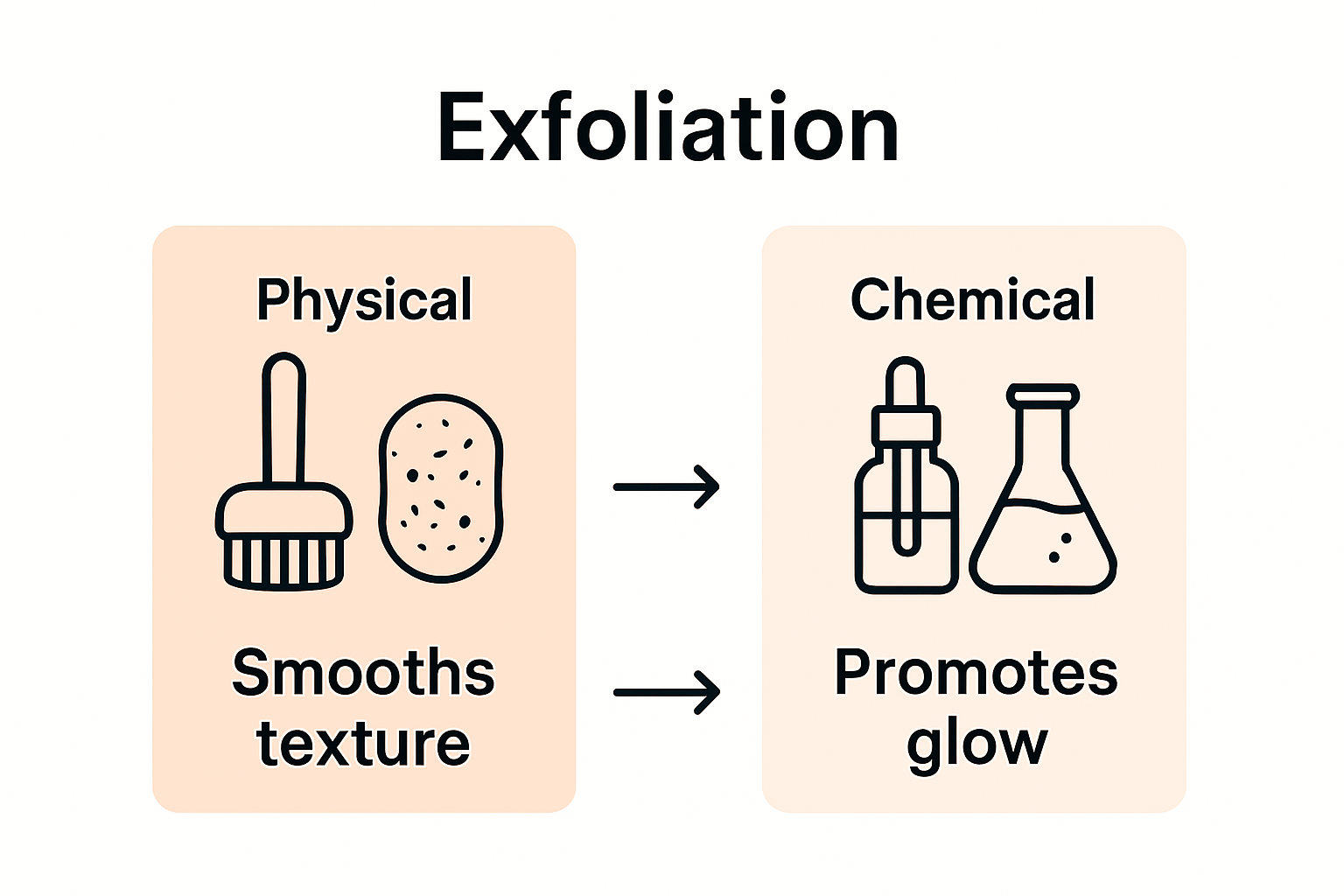
Understanding exfoliation requires recognizing its two primary methods: mechanical and chemical. Mechanical exfoliation involves physically scrubbing away dead skin cells using tools or granular substances, while chemical exfoliation utilizes specialized acids or enzymes to dissolve and remove skin cell buildup. Each approach offers unique benefits and suits different skin types, making it essential to choose a method that aligns with your individual skincare needs and sensitivity levels.
Regardless of the technique, successful exfoliation hinges on balance. Over-exfoliating can damage your skin’s protective barrier, while under-exfoliating might leave you with a dull, congested complexion. By understanding the fundamental principles of this skincare practice, you can unlock the path to smoother, more radiant skin.
Types of Exfoliation: Physical vs Chemical
Physical and chemical exfoliation represent two distinct approaches to removing dead skin cells, each with unique characteristics and benefits for different skin types and concerns. Understanding these methods allows individuals to select the most appropriate technique for their specific skincare needs.
Physical Exfoliation involves direct mechanical action to manually remove dead skin cells. This method typically includes tools and substances like facial scrubs, brushes, loofahs, and microdermabrasion devices that physically sweep away surface debris. Mechanical techniques can range from gentle facial brushes to more intensive granular scrubs), providing varying levels of skin cell removal depending on the chosen implement.
In contrast, Chemical Exfoliation utilizes specialized acids or enzymes to dissolve the bonds between dead skin cells, enabling their gentle removal without physical friction. Common chemical exfoliants include alpha-hydroxy acids (AHAs), beta-hydroxy acids (BHAs), and enzymatic solutions derived from fruits like papaya and pineapple. These substances work at a cellular level, offering a more controlled and often less abrasive approach to skin renewal.
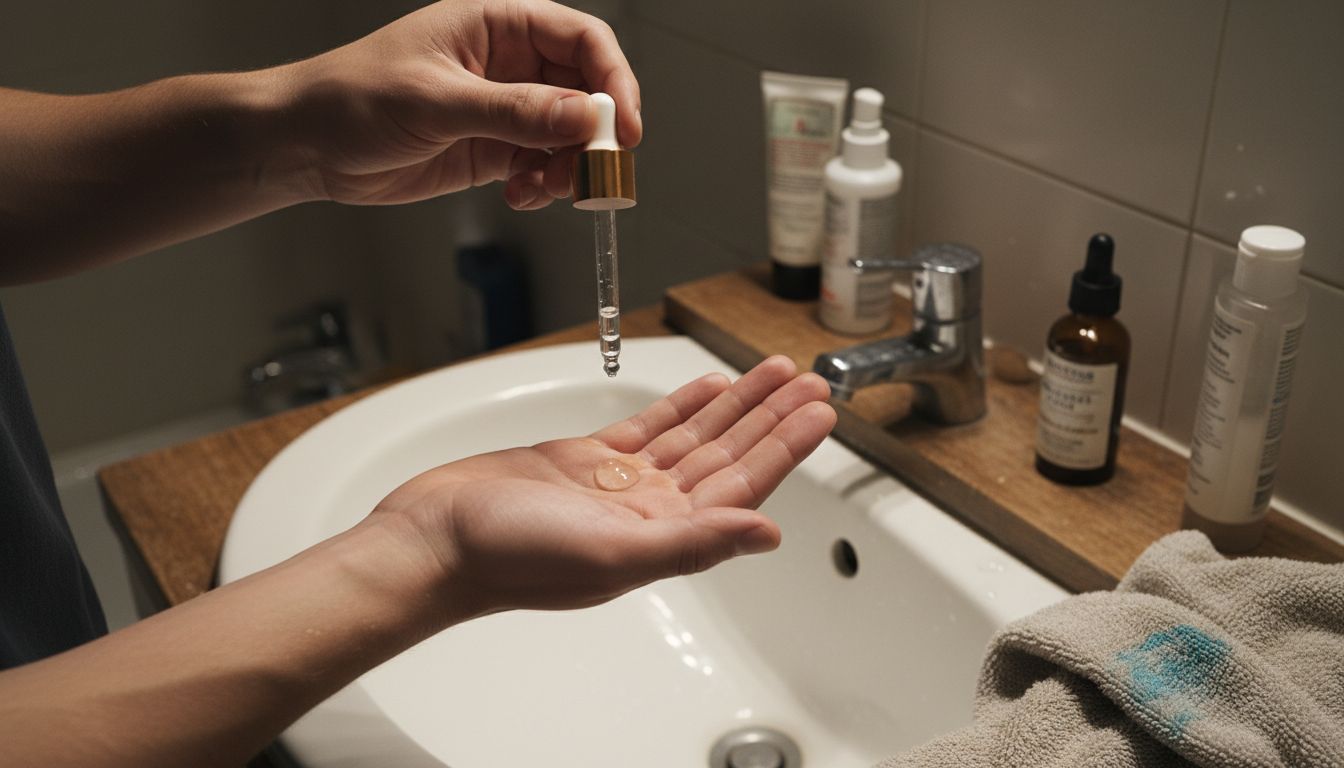
Choosing between physical and chemical exfoliation depends on multiple factors, including skin sensitivity, texture, and specific skincare goals. Individuals with sensitive or acne-prone skin might find chemical exfoliation gentler, while those with resilient skin could benefit from occasional physical scrubbing. The key is understanding your skin’s unique characteristics and selecting an exfoliation method that promotes healthy, radiant skin without causing irritation.
How Exfoliation Impacts Skin Health
Regular exfoliation plays a critical role in maintaining overall skin health by addressing multiple aspects of skin function and appearance. This transformative skincare practice goes far beyond simple surface-level cleaning, offering comprehensive benefits that impact skin regeneration, texture, and long-term wellness.
Skin Cell Renewal is a fundamental process enhanced by exfoliation. By removing dead skin cells, the body is prompted to accelerate natural regeneration, leading to a smoother, more vibrant complexion. This cellular turnover helps reduce the appearance of fine lines, uneven texture, and dull skin, essentially encouraging your skin to produce newer, healthier cells more rapidly.
Beyond cosmetic improvements, exfoliation provides significant functional benefits for skin health. The process helps prevent clogged pores, which can lead to acne and inflammation, while simultaneously improving the absorption of subsequent skincare products. By creating a clean, receptive surface, exfoliation allows moisturizers, serums, and treatment products to penetrate more deeply and work more effectively.
However, balance remains crucial. Over-exfoliation can damage the skin’s protective barrier, leading to increased sensitivity, dryness, and potential irritation. The key is understanding your unique skin type and developing a personalized exfoliation strategy that supports skin health without causing undue stress or damage. Gentle, consistent approach trumps aggressive treatments every time.
Risks of Over-Exfoliation and Prevention
Over-exfoliation can significantly compromise skin health, creating a cascade of potential complications that extend far beyond temporary skin discomfort. Understanding the delicate balance between effective exfoliation and potential damage is crucial for maintaining a healthy, resilient complexion.
Skin Barrier Disruption represents the most serious consequence of excessive exfoliation. Repeated aggressive removal of skin cells can lead to increased sensitivity and inflammation, effectively breaking down the protective barrier that shields your skin from environmental stressors, bacteria, and moisture loss. This damage manifests through symptoms like redness, burning sensations, heightened reactivity to skincare products, and an increased likelihood of breakouts.
Preventing over-exfoliation requires a nuanced, personalized approach. Start by identifying your skin type and selecting appropriate exfoliation methods and frequencies. Sensitive skin might tolerate gentle chemical exfoliation once weekly, while more resilient skin types could manage more frequent treatments. Pay close attention to your skin’s response, watching for signs of irritation such as persistent redness, dry patches, or increased sensitivity.
Additionally, consider rotating exfoliation methods and reducing frequency during periods of stress, hormonal changes, or when using other potentially irritating skincare treatments. A gentle, mindful approach that prioritizes skin barrier health will always yield better long-term results than aggressive, frequent exfoliation. Remember: your skin’s health is a marathon, not a sprint.
Choosing the Right Exfoliation Method
Selecting the most appropriate exfoliation method requires a nuanced understanding of your unique skin characteristics, concerns, and sensitivity levels. The journey to finding your ideal exfoliation technique is deeply personal and demands careful consideration of multiple factors.
Skin Type Assessment forms the critical foundation for choosing an effective exfoliation approach. Professional dermatological guidance can help individuals navigate the complex landscape of skincare options, ensuring a tailored strategy that addresses specific skin needs. Oily skin might benefit from more frequent chemical exfoliation using salicylic acid, while sensitive skin requires gentler, less aggressive methods that minimize potential irritation.
Different skin concerns demand specialized exfoliation techniques. Acne-prone individuals might find chemical exfoliants with beta-hydroxy acids particularly effective, whereas those combating signs of aging could prefer alpha-hydroxy acid treatments that promote cell turnover and collagen production. Dry skin types typically require more hydrating exfoliation methods that simultaneously remove dead skin cells and provide moisture.
Beyond skin type, consider external factors like seasonal changes, stress levels, and hormonal fluctuations that can impact skin sensitivity. A flexible, adaptive approach that allows you to modify your exfoliation routine based on your skin’s changing needs will yield the most consistent and positive results. The ultimate goal is achieving a balanced, healthy complexion through mindful, personalized skincare practices.
Discover Your Ideal Exfoliation Routine with Skin-Styles.com
Exfoliation is key to unlocking radiant and healthy skin by removing dead cells and boosting your natural glow. Yet, choosing the right method can be challenging. You may worry about over-exfoliation damaging your skin barrier or struggle to find a gentle product that fits your sensitive skin needs. Whether you prefer physical scrubs or chemical exfoliants like AHAs and BHAs, finding balanced, effective options is essential for your skincare success.

Explore a curated selection of expertly formulated exfoliating products at Skin-Styles.com. Our wide range of cleansers and moisturizers are designed to complement your exfoliation routine and enhance skin health without irritation. Don’t wait to transform your skincare routine. Visit Skin-Styles.com today and take the first step toward vibrant, youthful skin with personalized exfoliation solutions that truly work for you.
Frequently Asked Questions
What is exfoliation and why is it important for my skin?
Exfoliation is the process of removing dead skin cells from the outer layer of your skin, promoting a healthier, more radiant complexion. It helps prevent clogged pores, improves skin texture, and enhances the absorption of skincare products.
What are the main types of exfoliation?
The two main types of exfoliation are physical and chemical. Physical exfoliation involves using tools or scrubs to manually remove dead skin cells, while chemical exfoliation uses acids or enzymes to dissolve dead skin cells for a gentler approach.
How often should I exfoliate my skin?
The frequency of exfoliation depends on your skin type. Generally, sensitive skin may require exfoliation once a week, while normal to oily skin can handle it multiple times per week. It’s essential to monitor your skin’s response and adjust accordingly to avoid irritation.
What are the risks of over-exfoliation?
Over-exfoliation can damage your skin’s protective barrier, leading to increased sensitivity, redness, and dryness. It may also cause irritation and breakouts. Therefore, it’s crucial to find a balance and choose an exfoliation method that suits your skin’s needs.