

Choosing skincare products that are safe and effective for the entire family can feel overwhelming. Adult formulas often contain ingredients too harsh for delicate young skin, while children’s products may not address teenage acne or aging concerns. This guide walks you through essential family skincare must-haves, from gentle cleansers to broad-spectrum sunscreens, helping you build routines that protect and nourish everyone from toddlers to parents.
Table of Contents
- Criteria For Choosing Family Skincare Must-Haves
- Essential Skincare Products For Kids And Tweens
- Effective Skincare Products And Ingredients For Adults In The Family
- Comparison Of Family Skincare Products: Balancing Safety, Effectiveness, And Cost
- Explore Family-Friendly Skincare Products At Skin Styles
- Frequently Asked Questions
Key takeaways
| Point | Details |
|---|---|
| Simple routines work best | Gentle, consistent care prevents irritation in children and supports healthy habits for life. |
| Sunscreen is non-negotiable | Broad-spectrum SPF 30+ protects all skin tones daily, even on cloudy days. |
| Adult products can harm kids | Many adult skincare products irritate young skin with fragrances and harsh actives. |
| Ingredient safety matters most | Hazardous compounds appear in some infant products, making label reading essential. |
| Consistency beats complexity | A short routine used daily outperforms elaborate regimens attempted sporadically. |
Criteria for choosing family skincare must-haves
Selecting products that work for everyone starts with understanding what separates family-friendly formulas from adult-only treatments. The primary rule is avoiding ingredients that irritate sensitive skin. Many adult skincare products can irritate young, sensitive skin, making dedicated family products or gentle formulations necessary.
Look for fragrance-free cleansers and moisturizers labeled hypoallergenic. These minimize reactions in children while working perfectly for adults with sensitive skin. Broad-spectrum sunscreens with SPF 30 or higher should be non-comedogenic and suitable for all skin tones to ensure daily compliance across the family.
Safety concerns extend beyond irritation. Research reveals hazardous compounds like genotoxic mineral oils in infant products, highlighting the importance of scrutinizing ingredient lists. Avoid products with parabens, phthalates, or synthetic fragrances when shopping for babies and toddlers.
Key criteria for family skincare selection:
- Fragrance-free formulas to reduce allergic reactions
- Broad-spectrum sun protection suitable for all ages
- Minimal ingredient lists with recognizable components
- Pediatrician or dermatologist-tested certifications
- Non-comedogenic properties to prevent clogged pores
Simplicity enhances consistency. A three-step routine of cleanse, moisturize, and protect with sunscreen works for most family members. Complex regimens increase the likelihood of skipped steps and wasted products. Start with family skincare basics for parents to build a foundation.
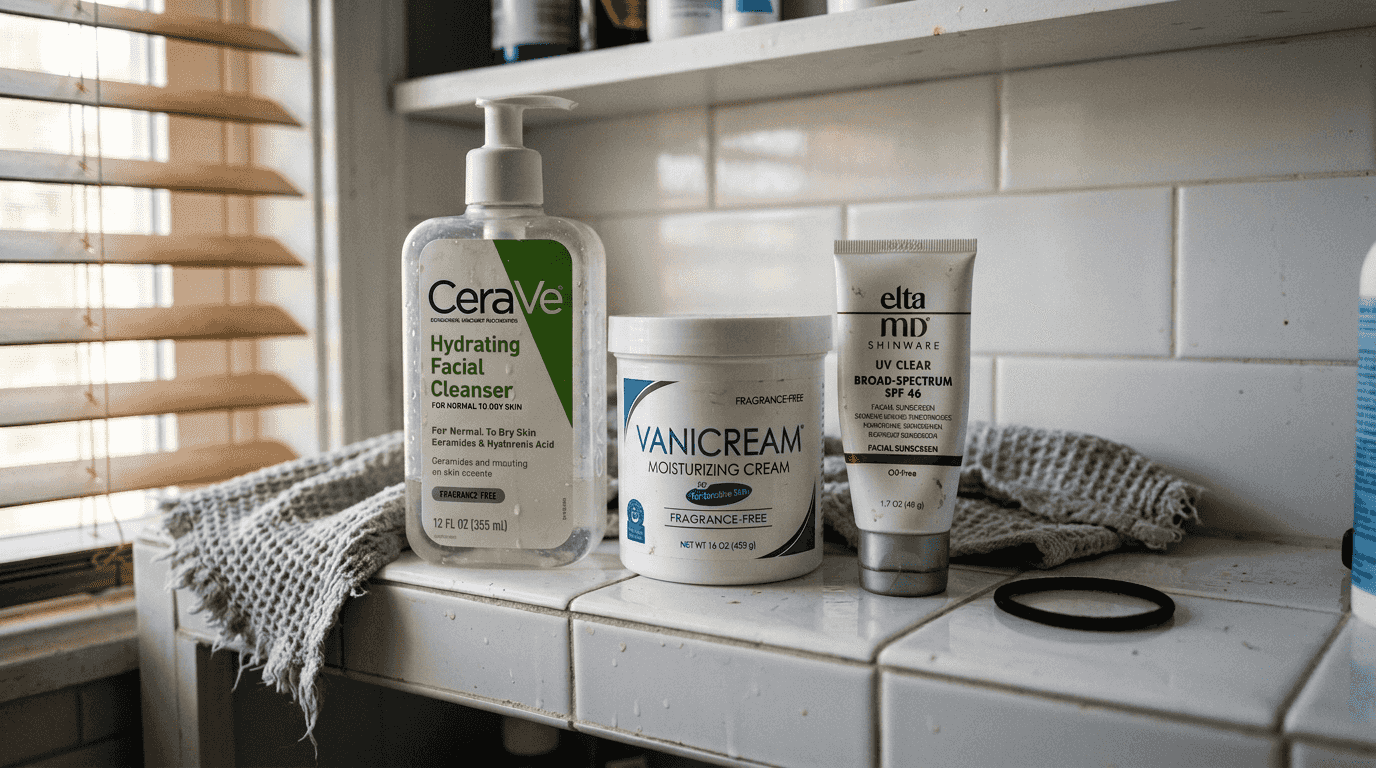
Pro Tip: Test new products on a small patch of skin for three days before full application. This simple step catches potential reactions before they affect larger areas.
Consider individual skin types within your family. A child with eczema needs different moisturizers than a teen battling acne. Stock expert moisturizer selection tips for sensitive skin to address varying needs without cluttering your bathroom.
Essential skincare products for kids and tweens
Children and tweens require a streamlined approach focused on protection and gentle maintenance. Simple skincare routines prevent irritation while building habits, recommending fragrance-free lotions, acne cleansers for older kids, and broad-spectrum sunscreen for everyone.
Start with a gentle cleanser used morning and night. Look for formulas specifically labeled for children that remove dirt and oil without stripping natural moisture. Cream or gel cleansers work better than foaming varieties for young skin, which tends to be drier than adult skin.
Moisturizers maintain the skin barrier and prevent dryness. Choose fragrance-free options with ceramides or hyaluronic acid to lock in hydration. Apply immediately after bathing when skin is still damp to maximize absorption.
Sunscreen forms the cornerstone of childhood skincare. Daily sunscreen application is crucial for children and adolescents, even on cloudy days when UV rays penetrate through overcast skies. Select water-resistant formulas with SPF 30 or higher for outdoor activities.
Tweens experiencing hormonal changes may need targeted acne products. Opt for gentle cleansers with salicylic acid or benzoyl peroxide in low concentrations. Start with 2.5% benzoyl peroxide to assess tolerance before moving to stronger formulations.
Essential products for children and tweens:
- Fragrance-free gentle cleanser for daily washing
- Lightweight, non-comedogenic moisturizer
- Broad-spectrum SPF 30+ sunscreen (water-resistant)
- Mild acne cleanser for tweens with breakouts
- Lip balm with SPF for year-round protection
Avoid adult anti-aging products containing retinoids, alpha hydroxy acids, or high-percentage vitamin C serums. These ingredients are too aggressive for developing skin and can cause redness or peeling. Stick to basic skincare workflow for healthy skin appropriate for young users.
Teach application techniques early. Show children how to apply sunscreen using the two-finger method: squeeze product along two fingers and spread evenly across the face and neck. Reapply every two hours during outdoor activities.
Effective skincare products and ingredients for adults in the family
Adult family members can incorporate targeted treatments while maintaining the gentle approach that makes products shareable. Hormonal changes increase oil production in teens, requiring acne-fighting ingredients that also benefit adults experiencing breakouts.
Gentle cleansers remain essential for adults. Choose formulas with added benefits like niacinamide to address hyperpigmentation or glycerin for extra hydration. Double cleansing at night removes makeup and sunscreen effectively without harsh scrubbing.
Serums deliver concentrated active ingredients. Niacinamide reduces inflammation and fades dark spots. Sclareolide addresses post-inflammatory hyperpigmentation common in adults with acne-prone skin. Hyaluronic acid serums provide deep hydration suitable for all ages.
Moisturizers for adults can be richer than children’s versions. Look for formulas with peptides or antioxidants that support collagen production. Separate day and night moisturizers allow for lighter SPF-infused formulas during the day and more nourishing treatments at bedtime.
Acne treatments for adults include salicylic acid, benzoyl peroxide, or tea tree oil. Essential oils such as tea tree show acne benefits, while lavender and rosemary offer anti-inflammatory properties. Start with lower concentrations and increase gradually.
Beneficial ingredients for adult skincare:
- Niacinamide for brightness and barrier support
- Retinol for cell turnover and anti-aging (use at night)
- Vitamin C for antioxidant protection and radiance
- Peptides to stimulate collagen synthesis
- Ceramides to reinforce skin barrier function
Consistency matters more than product complexity. A morning routine of cleanser, vitamin C serum, moisturizer, and sunscreen protects skin throughout the day. Evening routines can add retinol or treatment serums after cleansing.
Pro Tip: Introduce retinol slowly by using it twice weekly for the first month. This approach minimizes irritation while allowing skin to build tolerance.
Essential oils require caution despite their benefits. Always dilute them in carrier oils and perform patch tests. Avoid using pure essential oils on children under two years old. Adults can explore step by step anti-aging routines incorporating these ingredients safely.
| Ingredient | Primary Benefit | Suitable Age | Application Time |
|---|---|---|---|
| Niacinamide | Brightening, barrier support | 12+ | Morning & night |
| Retinol | Anti-aging, cell turnover | 25+ | Night only |
| Salicylic Acid | Acne treatment, exfoliation | 10+ | Morning or night |
| Hyaluronic Acid | Deep hydration | All ages | Morning & night |
| Vitamin C | Antioxidant protection | 18+ | Morning |
Comparison of family skincare products: balancing safety, effectiveness, and cost
Navigating the skincare market requires balancing safety, results, and budget. Many effective tween-safe products start at $5 and include trusted brands like Aquaphor, CeraVe, and Drunk Elephant, making quality accessible.
Fragrance-free lotions vary widely in price but share core ingredients. Budget options from CeraVe or Cetaphil contain ceramides and hyaluronic acid at a fraction of luxury brand costs. Higher-priced alternatives may add botanical extracts like chamomile or Ocimum with soothing properties.
Acne cleansers for tweens and adults range from drugstore staples to dermatologist favorites. Neutrogena and Clean & Clear offer salicylic acid formulas under $10. Premium brands like La Roche-Posay provide gentler alternatives with added benefits for sensitive skin.
Sunscreen represents the most crucial investment. Physical blockers using zinc oxide or titanium dioxide suit sensitive skin better than chemical filters. Mineral sunscreens cost more but provide immediate protection and less irritation risk.
| Product Type | Budget Option | Mid-Range | Premium | Key Consideration |
|---|---|---|---|---|
| Cleanser | Cetaphil Gentle ($8) | CeraVe Hydrating ($12) | La Roche-Posay ($18) | Fragrance-free formula |
| Moisturizer | Aquaphor ($6) | CeraVe Daily ($15) | Drunk Elephant ($20) | Ceramide content |
| Sunscreen | Coppertone Pure ($10) | Blue Lizard ($16) | EltaMD UV Clear ($38) | Mineral vs chemical |
| Acne Treatment | Neutrogena ($7) | Paula’s Choice ($30) | Murad ($42) | Ingredient concentration |
Frequency and application order matter as much as product choice. Cleanse first, followed by treatment serums, moisturizer, and sunscreen during the day. Night routines skip SPF and may add retinol or heavier creams.
Combining family routines saves time and money. Purchase larger sizes of shared products like cleansers and sunscreens. Keep individual treatments like acne products or anti-aging serums separate to avoid confusion.
Factors to consider when comparing products:
- Ingredient safety for youngest family member
- Price per ounce for frequently used items
- Packaging size suitable for family consumption
- Texture preferences across age groups
- Specific concerns like eczema or acne
Pro Tip: Buy travel sizes of new products to test before committing to full sizes. This strategy prevents wasted money on formulas that irritate or feel uncomfortable.
Natural extracts offer additional benefits without significant cost increases. Look for products featuring chamomile for calming, green tea for antioxidants, or aloe for soothing. These ingredients enhance safety profiles while addressing multiple skin concerns. Explore natural skincare safe family choices for more guidance.
Explore family-friendly skincare products at Skin Styles
Building an effective family skincare routine becomes simpler with access to curated, trusted products. Skin Styles offers gentle facial cleansers suitable for sensitive skin across all ages, removing impurities without stripping natural moisture.

Discover facial creams and gels formulated to hydrate and protect family members from toddlers to adults. These moisturizers feature safe, effective ingredients that support healthy skin barriers year-round.
The Cosrx collection provides Korean skincare solutions known for gentle yet powerful formulations. From snail mucin essences to low-pH cleansers, these products address various concerns while maintaining family-safe standards.
Frequently asked questions
What are family skincare must-haves?
Family skincare must-haves include gentle cleansers, fragrance-free moisturizers, and broad-spectrum sunscreens safe for all ages. These products form the foundation of healthy skin habits without causing irritation or reactions in sensitive young skin.
Why can’t kids use adult skincare products?
Adult products contain higher concentrations of active ingredients like retinoids, alpha hydroxy acids, and fragrances that irritate developing skin. Children’s skin is thinner and more permeable, allowing these compounds to penetrate deeper and cause redness or damage.
How do I introduce skincare to teenagers?
Start with the basics: gentle cleanser, lightweight moisturizer, and daily sunscreen. Add targeted acne treatments only if needed, beginning with low concentrations. Keep routines simple to encourage consistency rather than overwhelming teens with multiple steps.
Should kids wear sunscreen on cloudy days?
Yes, UV rays penetrate clouds and cause skin damage even without visible sunshine. Daily sunscreen application protects against cumulative sun exposure that leads to premature aging and increases skin cancer risk later in life.
How can I keep family skincare routines simple?
Limit products to essentials: one cleanser, one moisturizer, and sunscreen for daytime. Add specific treatments only when necessary for individual concerns. Consistency with a short routine delivers better results than sporadic use of many products.