

Most American adults believe sensitive skin is simply about redness or easy irritation, yet clinical research reveals that more than 60 percent of American women report unexpected sensations like burning and tingling even without visible symptoms. Misconceptions around sensitive skin lead many to ignore real distress and overlook vital holistic care. Gaining clear insight into its true causes and warning signs can help you make smarter choices to protect your skin and avoid unnecessary discomfort.
Table of Contents
- Defining Sensitive Skin And Common Misconceptions
- Major Types And Triggers Of Sensitive Skin
- Recognizing Symptoms And Irritation Signs
- Choosing Skincare Products For Sensitive Skin
- Risks, Common Mistakes, And Protective Strategies
Key Takeaways
| Point | Details |
|---|---|
| Understanding Sensitive Skin | Sensitive skin is a complex condition characterized by unexpected reactions and does not rely solely on visible irritation or genetics. |
| Types of Sensitive Skin | Sensitive skin can be categorized into objective and subjective types, with different triggers and symptoms requiring distinct management strategies. |
| Choosing Skincare Wisely | Selecting the right skincare products is crucial; focus on hypoallergenic, fragrance-free options to minimize irritation and support skin health. |
| Risks and Management | Individuals should recognize the risks associated with sensitive skin, adopting protective strategies like a minimalist skincare regimen and avoiding aggressive treatments. |
Defining Sensitive Skin and Common Misconceptions
Sensitive skin is far more complex than most people realize. According to clinical research, sensitive skin represents a nuanced syndrome characterized by unexpected skin reactions that extend beyond traditional dermatological understanding. Unlike common misconceptions, sensitive skin isn’t simply about having reactive or easily irritated skin—it’s a sophisticated physiological response involving nerve endings, skin barrier function, and environmental interactions.
At its core, sensitive skin manifests through a range of uncomfortable sensations: stinging, burning, tingling, and unexpected pain. These symptoms can emerge in individuals with seemingly normal skin structures, creating a unique dermatological challenge. The international medical community recognizes sensitive skin as a distinct condition that doesn’t always present with visible inflammation or traditional markers of skin distress.
Several key misconceptions surround sensitive skin that deserve careful deconstruction. Many people incorrectly assume that sensitive skin is purely genetic or that it only affects those with visibly reddened or irritated complexions. In reality, sensitive skin can impact individuals across diverse skin types and ages. The International Forum for the Study of Itch highlights that these sensations can occur without apparent lesions, making diagnosis and management particularly nuanced.
To truly understand sensitive skin, one must recognize its multifaceted nature. It’s not just about reactions to products or environmental triggers—it’s a complex interplay between neurological responses, skin barrier integrity, and individual physiological characteristics. Identifying and managing sensitive skin requires a holistic approach that goes beyond surface-level treatments and addresses the underlying mechanisms triggering these unique dermatological responses.
Major Types and Triggers of Sensitive Skin
Sensitive skin manifests in complex ways, with medical research identifying distinct categories that impact individuals differently. Objective sensitive skin presents visible physical signs like skin discoloration, inflammation, and distinctive texture changes. These manifestations are typically associated with underlying dermatological conditions such as atopic dermatitis, rosacea, or chronic acne.
Conversely, subjective sensitive skin involves intricate sensory experiences without apparent external indicators. Individuals with this type may experience persistent sensations of burning, stinging, and unexpected skin reactions to environmental stimuli. These reactions can be triggered by an extensive range of factors including temperature fluctuations, chemical exposures, hormonal changes, and emotional stress.
The triggers for sensitive skin are remarkably diverse. Common environmental culprits include extreme temperatures, wind, pollution, harsh chemical products, and ultraviolet radiation. Personal factors like nutrition, medication, age, and stress levels also play significant roles in skin reactivity. Some individuals might experience heightened sensitivity due to genetic predispositions, while others develop these responses through cumulative environmental exposures.
Understanding sensitive skin requires recognizing its multifaceted nature. It’s not a one-dimensional condition but a complex interplay of physiological, environmental, and personal factors. Identifying individual triggers and developing personalized skincare strategies becomes crucial for managing and mitigating uncomfortable skin responses. This approach demands careful observation, potential lifestyle modifications, and potentially consulting dermatological professionals to develop targeted skin management techniques.
Recognizing Symptoms and Irritation Signs
Sensitive skin symptoms manifest through a complex array of physical and sensory experiences, ranging from subtle discomfort to more pronounced dermatological reactions. Visual indicators include raised patches, unexpected rashes, small blisters, irregular bumps, and areas of skin discoloration. These physical signs often serve as the first warning that your skin is experiencing heightened reactivity and potential underlying sensitivity.
Beyond visual cues, sensitive skin presents a spectrum of sensory experiences that can significantly impact daily comfort. Individuals might encounter sensations like persistent burning, intermittent stinging, unexpected tingling, localized pain, and intense itching. These symptoms can emerge spontaneously or in response to specific triggers such as temperature changes, skincare products, environmental pollutants, or emotional stress.
The location and intensity of sensitive skin symptoms vary widely among individuals. While the face remains the most common site of sensitivity, these reactions can appear on any body area, including hands, arms, legs, and torso. Some people experience mild, transient discomfort, while others encounter more severe, prolonged skin responses. Notably, these symptoms can occur across diverse skin types and are not exclusively linked to visibly compromised skin barriers.

Recognizing sensitive skin requires keen self-observation and understanding of your body’s unique responses. Tracking potential triggers, documenting symptom patterns, and consulting dermatological professionals can provide invaluable insights. By developing a nuanced awareness of your skin’s behavior, you can create targeted strategies to minimize irritation, protect your skin’s protective barrier, and improve overall dermatological health.
Choosing Skincare Products for Sensitive Skin
Selecting appropriate skincare products for sensitive skin demands a strategic and informed approach, with careful consideration of ingredient composition and potential reactive properties. Ingredient selection becomes paramount, focusing on formulations that minimize potential irritation while supporting skin health. Key active ingredients like niacinamide, Avena sativa, allantoin, and glycyrrhetinic acid derivatives have demonstrated remarkable potential in addressing sensitive skin concerns.
Cosmetic product management for sensitive skin requires understanding the skin’s unique tolerance thresholds. Individuals with sensitive skin must approach product selection with heightened caution, prioritizing hypoallergenic and fragrance-free formulations. Critical evaluation involves examining product labels for potential irritants, understanding personal skin triggers, and conducting patch tests before full application.
The selection process involves multiple strategic considerations. Look for products with minimal ingredient lists, avoiding known sensitizers like alcohol, synthetic fragrances, and harsh chemical exfoliants. Preferred ingredients include soothing botanical extracts, ceramides, hyaluronic acid, and probiotics that support skin barrier function. Natural, non-comedogenic formulations that provide hydration without overwhelming the skin’s delicate balance become essential for managing sensitivity.
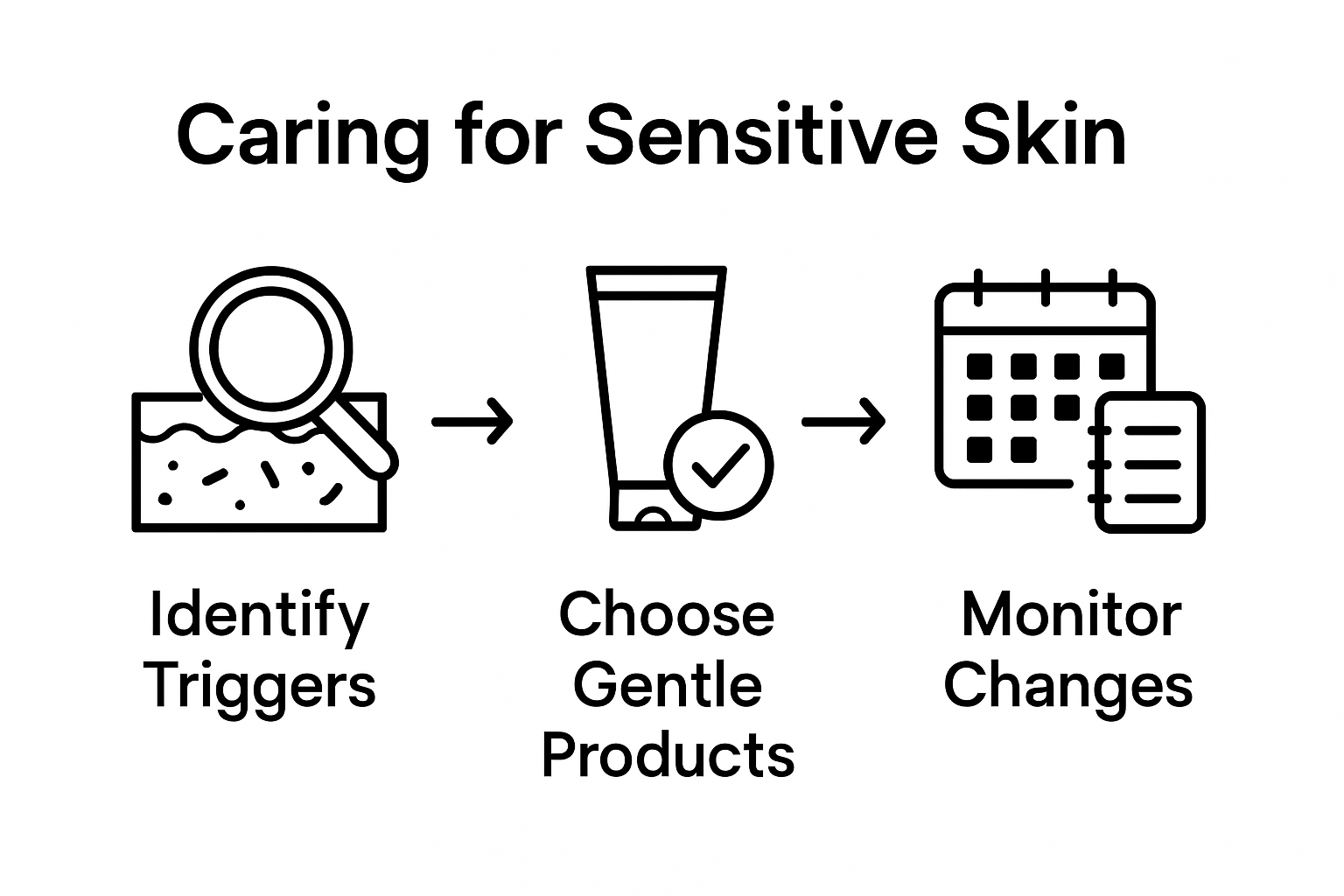
Ultimately, choosing skincare products for sensitive skin is a personalized journey of trial, observation, and adaptation. What works for one individual might trigger reactions in another. Consulting with dermatological professionals, maintaining a detailed product journal, and listening to your skin’s responses can help develop a tailored skincare approach that minimizes irritation and promotes long-term skin health.
Risks, Common Mistakes, and Protective Strategies
Sensitive skin represents a complex dermatological condition with multiple potential risks and vulnerabilities, extending far beyond simple cosmetic concerns. Environmental interaction plays a critical role in exacerbating skin sensitivity, with external factors potentially triggering significant physiological responses. Individuals with sensitive skin must navigate a delicate balance between protection and exposure, understanding that seemingly minor environmental interactions can provoke substantial skin reactions.
Characteristic sensory perceptions like tightness, burning, and unexpected pain can dramatically impact an individual’s quality of life. Common mistakes include aggressive skincare routines, using multiple products simultaneously, and ignoring individual skin signals. Protective strategies demand a nuanced approach: identifying personal triggers, minimizing environmental stressors, and developing a targeted, minimalist skincare regimen that prioritizes skin barrier restoration and protection.
Risks associated with sensitive skin extend beyond immediate discomfort. Chronic skin sensitivity can lead to long-term dermatological challenges, including increased vulnerability to inflammation, accelerated aging, and potential barrier function disruption. Key protective strategies involve careful product selection, consistent hydration, stress management, diet modification, and creating a comprehensive skin defense protocol that addresses both internal and external factors.
Ultimately, managing sensitive skin requires ongoing education, self-observation, and a personalized approach. Professional dermatological consultations, maintaining a detailed symptom journal, and adopting a holistic view of skin health can transform sensitive skin management from a reactive process to a proactive, empowering journey of understanding and care.
Find Relief for Your Sensitive Skin With Targeted Skincare Solutions
Sensitive skin challenges can feel overwhelming due to unpredictable reactions like burning, stinging, and irritation triggered by environmental and personal factors. This discomfort affects your daily comfort and confidence. The key is to choose products that soothe and strengthen your skin’s natural barrier without causing further irritation. Understanding your unique skin needs and avoiding harsh ingredients is crucial for long-term relief.
Experience the benefits of gentle yet effective care with our selection of SKIN 1004 products designed to hydrate and calm sensitive skin. Complement your routine with specially formulated facial cleansers and facial serums that focus on reducing inflammation and restoring balance.

Take control of your sensitive skin today by exploring premium, hypoallergenic options available at Skin-Styles.com. Act now to protect your skin from discomfort and start feeling confident in your own skin again.
Frequently Asked Questions
What is sensitive skin, and how is it defined?
Sensitive skin is a complex condition characterized by unexpected skin reactions, such as burning, stinging, or tingling, often without visible inflammation. It can affect anyone regardless of their skin type or age and involves a combination of nerve responses, skin barrier function, and environmental factors.
What are the common triggers for sensitive skin?
Sensitive skin can be triggered by various environmental factors including temperature changes, pollution, skincare products, and harsh chemicals. Personal factors such as stress, hormonal changes, and diet can also play significant roles in skin reactivity.
How can I identify symptoms of sensitive skin?
Symptoms of sensitive skin include visual signs like raised patches, redness, and rashes, as well as sensory experiences like burning, stinging, itching, or unpredictable pain. These signs can appear on any area of the body, but are most commonly found on the face.
What ingredients should I look for in skincare products for sensitive skin?
When selecting skincare products for sensitive skin, prioritize formulations with minimal and soothing ingredients. Look for hypoallergenic, fragrance-free options with beneficial ingredients such as niacinamide, allantoin, and ceramides that support skin barrier health while minimizing irritation.