

Over 60 percent of American households with infants now prioritize sustainable choices when shopping for baby supplies. For eco-conscious parents, every feeding decision shapes not only your child’s safety but the planet’s future. The search for eco-friendly baby utensils can feel complex, with new materials and claims about environmental impact surfacing constantly. This guide clears up confusion by comparing the safest, most sustainable feeding tools and explaining what truly matters for both family wellness and environmental responsibility.
Table of Contents
- Defining Eco-Friendly Baby Utensils And Concepts
- Types Of Eco-Friendly Baby Utensils Compared
- Material Safety And Environmental Impact Explained
- Health Benefits And Developmental Advantages
- Common Risks And What To Avoid
- Alternatives To Eco-Friendly Baby Utensils
Key Takeaways
| Point | Details |
|---|---|
| Sustainable Materials Matter | Choose eco-friendly baby utensils made from materials like bamboo, silicone, or bioplastics that prioritize both safety and environmental benefits. |
| Safety is Paramount | Always verify that baby utensils meet food safety standards and are free from harmful chemicals like BPA and phthalates. |
| Lifecycle Assessment | Assess the entire lifecycle of utensils, considering production methods and potential environmental impacts before making purchasing decisions. |
| Versatile Options | Explore various materials to find the most suitable for your child’s needs, while also facilitating their motor skill development through ergonomics. |
Defining Eco-Friendly Baby Utensils and Concepts
Eco-friendly baby utensils represent a thoughtful approach to reducing environmental impact while ensuring child safety during feeding. These specialized products are carefully designed to minimize waste, avoid harmful chemical interactions, and support sustainable manufacturing practices. Unlike traditional baby feeding implements, eco-friendly options prioritize both planetary health and infant nutrition.
The core characteristics of eco-friendly baby utensils involve strategic material selection and manufacturing processes. Sustainable materials research reveals innovative alternatives like starch-based composites, cellulose derivatives, and poly(lactic acid) that provide durability without environmental compromise. These materials undergo rigorous testing to ensure they meet strict food safety standards while maintaining biodegradability and reduced carbon footprint.
Key attributes that define eco-friendly baby utensils include:
- Biodegradable or compostable material composition
- Zero or minimal chemical leaching potential
- Renewable resource origins
- Low energy consumption during production
- Potential for recycling or natural decomposition
Pro tip: Always verify the complete lifecycle assessment of baby utensils, not just their immediate environmental impact, to make truly sustainable purchasing decisions.
Types of Eco-Friendly Baby Utensils Compared
Parents navigating the world of sustainable baby feeding have multiple material options, each with distinct environmental and safety characteristics. Comparative material research reveals several promising eco-friendly utensil materials that balance durability, safety, and environmental responsibility.
Bamboo stands out as a premier eco-friendly option, offering natural antimicrobial properties and rapid biodegradability. Silicone represents another compelling choice, providing exceptional durability and heat resistance while remaining free from harmful chemicals. Bioplastic alternatives derived from plant-based sources like corn and sugarcane offer lightweight, compostable solutions that significantly reduce petroleum-based plastic consumption.
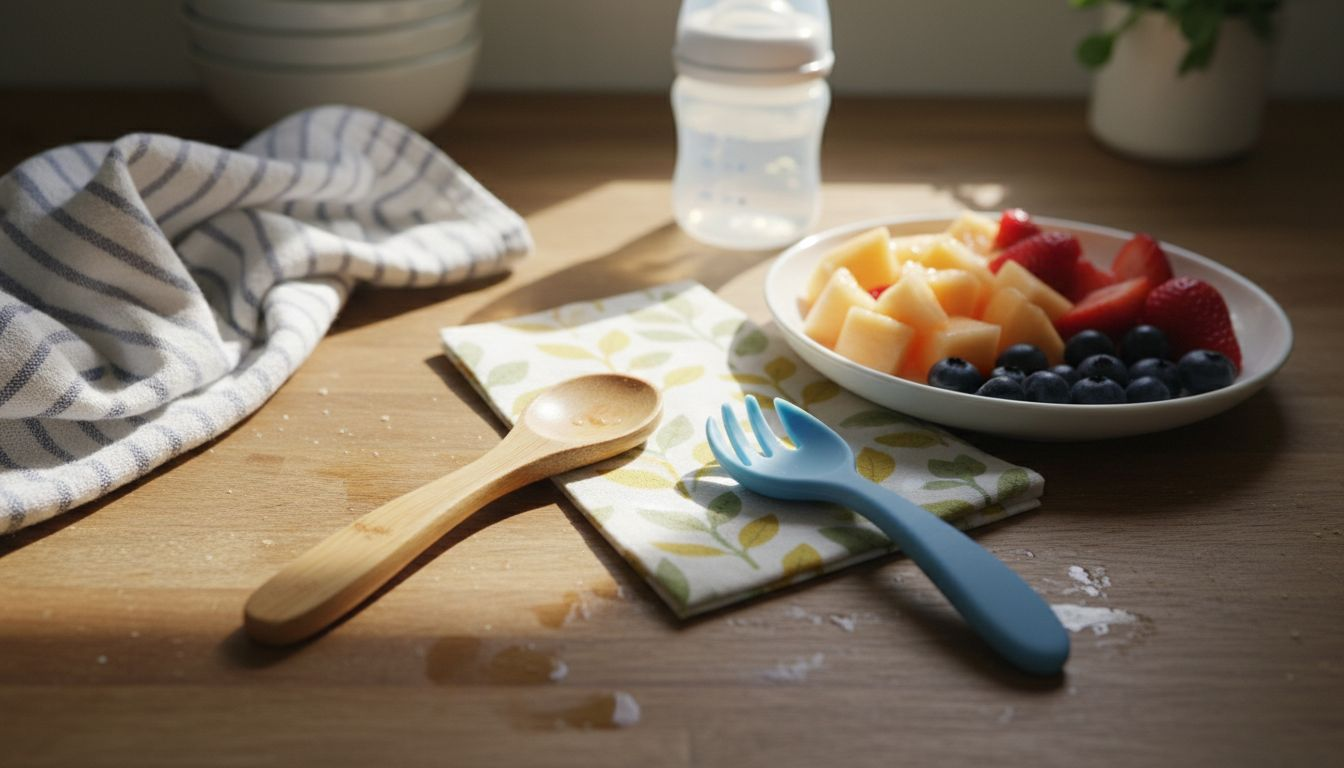
A comprehensive comparison of these materials demonstrates their unique advantages:
| Material | Sustainability | Durability | Safety | Maintenance |
|---|---|---|---|---|
| Bamboo | High | Moderate | Good | Hand wash required |
| Silicone | Moderate | Excellent | Excellent | Dishwasher safe |
| Bioplastic | High | Good | Good | Varies by type |
When selecting eco-friendly baby utensils, parents must consider not just environmental impact but also practical usability and long-term safety. Comprehensive material comparisons highlight the nuanced considerations beyond simple sustainability metrics.
Here’s a quick overview of how eco-friendly baby utensil materials align with common parental priorities:
| Parental Priority | Bamboo | Silicone | Bioplastic |
|---|---|---|---|
| Allergy-Friendly | Naturally hypoallergenic | Non-allergenic | Varied by source |
| Ease of Cleaning | Requires hand washing | Dishwasher safe | Type-dependent |
| Heat Resistance | Moderately heat resistant | Excellent | Limited |
| Longevity | Prone to wear over time | Highly durable | Moderately durable |
Pro tip: Rotate between different eco-friendly utensil materials to understand which best suits your baby’s specific needs and your family’s lifestyle.
Material Safety and Environmental Impact Explained
Technological advances in eco-friendly materials have revolutionized the landscape of baby utensil manufacturing, focusing on creating products that are both safe for infants and kind to the environment. The critical intersection of material science and child safety demands a comprehensive approach to selecting feeding implements that minimize potential health risks while reducing ecological footprints.
Understanding the environmental impact requires examining the entire lifecycle of baby utensils. Materials like bamboo, stainless steel, and food-grade silicone represent sustainable alternatives to traditional petroleum-based plastics. These innovative materials offer significant advantages:
- Reduced Chemical Leaching: Free from harmful substances like BPA and phthalates
- Biodegradability: Natural decomposition with minimal environmental persistence
- Renewable Sources: Derived from sustainable agricultural or recycled materials
- Lower Carbon Footprint: Significantly reduced manufacturing and disposal emissions
The safety considerations extend beyond immediate chemical risks. Parents must evaluate not just the immediate material properties but also long-term environmental consequences. Eco-friendly utensil research demonstrates that sustainable materials can provide robust protection for both infant health and planetary well-being. Manufacturing processes now prioritize minimizing toxic emissions, reducing water consumption, and creating products with extended usable lifespans.
Pro tip: Inspect eco-friendly baby utensils regularly for wear and replace them proactively to maintain optimal safety and environmental performance.
Health Benefits and Developmental Advantages
Eco-friendly baby utensils offer more than just environmental benefits. Innovative sustainable solutions demonstrate significant potential for supporting infant health and developmental milestones through thoughtfully designed feeding implements.
The ergonomic design of eco-friendly utensils plays a crucial role in supporting early childhood motor skill development. Sensory-responsive materials like bamboo and silicone provide unique textural experiences that engage multiple developmental pathways:
- Fine Motor Skill Enhancement: Lightweight, easy-to-grip designs encourage independent feeding
- Cognitive Stimulation: Varied textures and colors promote sensory learning
- Oral Motor Development: Carefully constructed utensil shapes support proper tongue and jaw movements
- Psychological Comfort: Safe, natural materials reduce anxiety during feeding experiences
Beyond physical development, these utensils introduce children to sustainable living principles from an early age. By choosing environmentally conscious feeding tools, parents model ecological responsibility and create opportunities for meaningful conversations about planetary health. The materials themselves become teaching instruments, showing children that everyday choices can make a positive environmental impact.
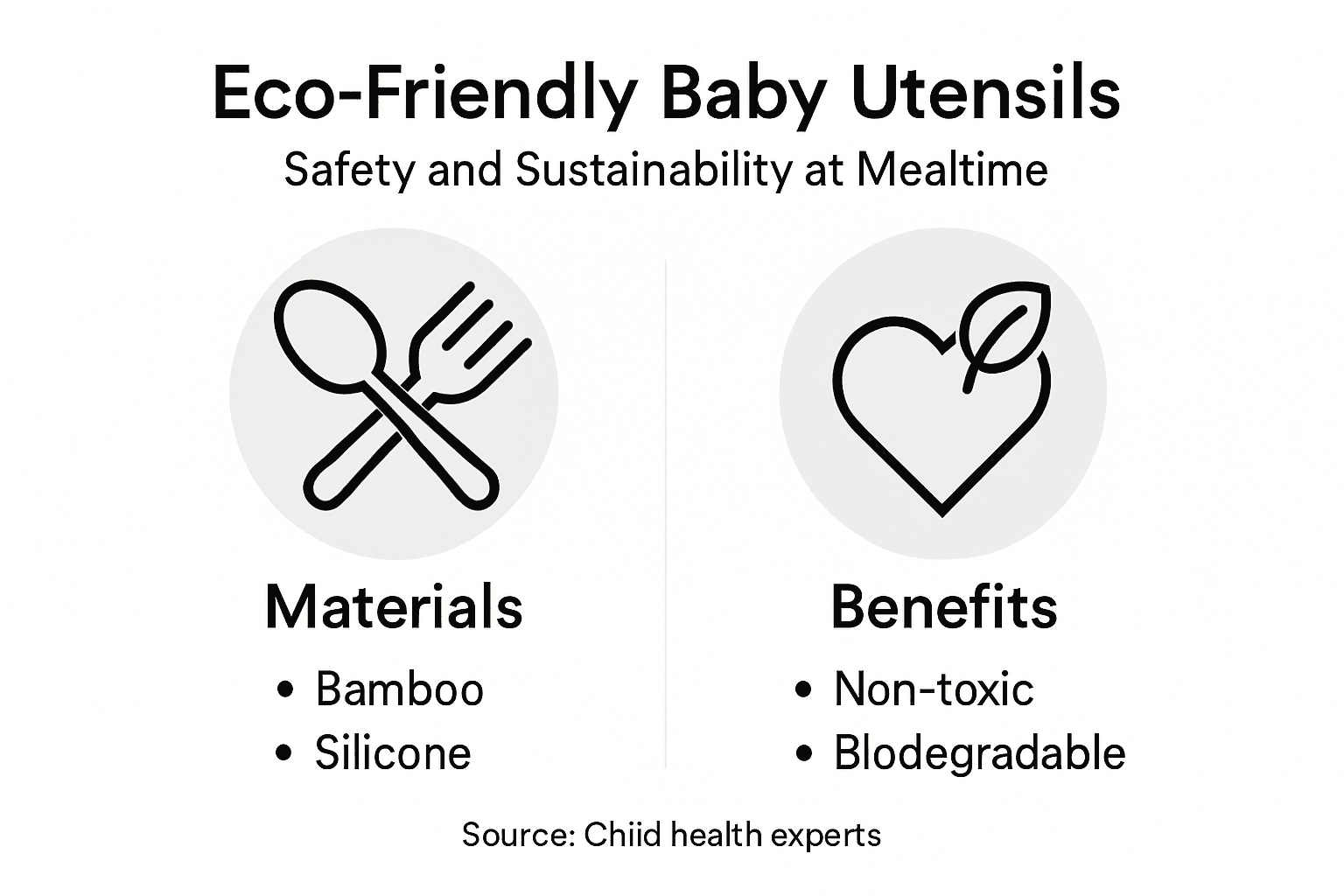
Below is a summary of child development gains supported by eco-friendly utensil use:
| Developmental Benefit | Example Material | Support Mechanism |
|---|---|---|
| Fine motor improvement | Bamboo | Lightweight, easy to grip |
| Sensory exploration | Silicone | Varied tactile surfaces |
| Feeding independence | Bioplastic | Adaptable shapes, low weight |
Pro tip: Rotate different eco-friendly utensil materials to help your child develop diverse sensory experiences and motor skills.
Common Risks and What to Avoid
Toxic chemical risks in baby utensils represent a critical concern for parents seeking safe feeding solutions. Harmful substances can migrate from utensil materials into food, potentially causing long-term developmental and health challenges for infants.
Parents should be vigilant about avoiding specific materials and manufacturing practices that compromise infant safety. Key risks to watch for include:
- Chemical Leaching: Presence of BPA, phthalates, and other endocrine disruptors
- Material Integrity: Potential for splintering or degradation during use
- Manufacturing Processes: Non-certified production methods
- Surface Treatments: Potentially toxic coatings or finishes
Non-toxic utensil guidelines emphasize the importance of comprehensive material screening. Parents should prioritize third-party certified products that explicitly demonstrate compliance with rigorous safety standards. This means looking beyond marketing claims and investigating actual material composition, manufacturing transparency, and independent testing results.
Understanding material risks requires ongoing education and proactive research. Not all eco-friendly claims translate to genuine safety, so careful verification of each product’s specific characteristics becomes essential for responsible infant care.
Pro tip: Always request detailed material safety documentation from manufacturers and cross-reference independent laboratory testing before selecting baby utensils.
Alternatives to Eco-Friendly Baby Utensils
Non-plastic feeding solutions offer parents diverse options beyond traditional eco-friendly utensils, each with unique characteristics that support infant nutrition and developmental needs. Understanding these alternatives helps families make informed choices that balance safety, functionality, and environmental consciousness.
The primary alternative materials include:
- Stainless Steel: Highly durable, non-toxic, and dishwasher-safe option
- Bamboo Composites: Lightweight, biodegradable, and naturally antimicrobial
- Food-Grade Silicone: Flexible, temperature-resistant, and non-leaching material
- Glass with Protective Sleeves: Recyclable with added impact resistance
Progressive utensil alternatives demonstrate how material choices can evolve with a child’s developmental stages. Stainless steel works well for older infants, while softer silicone options suit younger babies learning to self-feed. Each material presents distinct advantages in texture, grip, and sensory engagement.
Beyond material selection, parents should consider factors like durability, ease of cleaning, and potential environmental impact. Some alternatives might require more careful maintenance but offer significant long-term benefits for child health and planetary sustainability.
Pro tip: Invest in a starter set with multiple material types to discover which best suits your baby’s unique feeding preferences and developmental needs.
Choose Safe and Sustainable Feeding Solutions for Your Baby
Ensuring your baby’s health and safety starts with the right feeding utensils that are free from harmful chemicals and made from environmentally responsible materials. This article highlighted the importance of selecting eco-friendly baby utensils that support both infant development and planetary wellness. If you are navigating these important choices, consider exploring carefully curated options designed with child safety and sustainability in mind.

Discover a range of thoughtfully selected products that combine safety, convenience, and eco-consciousness on Other Products – Skin Styles. Find trusted feeding essentials that align with the article’s emphasis on biodegradable, non-toxic, and durable materials. Act now to provide your little one a nurturing start with utensils that reflect your commitment to health and the environment. Visit Skin Styles to browse quality selections or learn more about safe parenting products crafted for your family’s unique needs.
Frequently Asked Questions
What materials are considered safe for eco-friendly baby utensils?
Eco-friendly baby utensils are typically made from materials like bamboo, silicone, and bioplastics derived from plant sources. These materials are chosen for their durability, safety, and minimal environmental impact.
How do I ensure that eco-friendly baby utensils are safe for my child?
To ensure safety, look for products that are free from harmful chemicals such as BPA and phthalates. Opt for utensils from reputable brands that provide third-party safety certifications and transparent manufacturing practices.
Are there any risks associated with using non-plastic baby utensils?
Possible risks include chemical leaching from poorly manufactured products and material integrity concerns, such as splintering. It’s important to choose high-quality, certified utensils to minimize these risks.
How do eco-friendly utensils support my child’s development?
Eco-friendly utensils can enhance fine motor skills, provide sensory exploration, and encourage feeding independence. Their ergonomic designs and varied textures play a significant role in supporting healthy developmental milestones.