

Finding effective skincare can feel confusing when every label promises youthful, glowing results. For women watching signs of aging or dryness, daily exposure to UV rays and pollution quietly weakens natural skin defenses. Incorporating antioxidant-rich skincare addresses not just visible aging but also shields against environmental damage. This guide untangles which antioxidants work, how they protect your skin, and what matters most when choosing the right products for a smoother, healthier complexion.
Table of Contents
- What Are Antioxidants in Skincare?
- Types of Antioxidants and Their Benefits
- How Antioxidants Protect and Repair Skin
- Choosing Effective Antioxidant Skincare Products
- Risks, Common Misconceptions, and What to Avoid
Key Takeaways
| Point | Details |
|---|---|
| Importance of Antioxidants | Antioxidants protect skin from environmental stressors, neutralizing harmful free radicals that accelerate aging. |
| Diverse Antioxidants | Different antioxidants target specific skin concerns; combining them enhances effectiveness in a skincare routine. |
| Choosing Products Wisely | Opt for stable formulations with effective concentrations to ensure desired results in your anti-aging regimen. |
| Avoiding Common Pitfalls | Beware of mixing incompatible ingredients and using excessive concentrations, which can lead to irritation or reduced effectiveness. |
What Are Antioxidants in Skincare?
Antioxidants are compounds that protect your skin from damage caused by environmental stressors. Think of them as your skin’s bodyguards, neutralizing harmful molecules called free radicals before they cause visible damage. UV radiation, pollution, and even stress generate these damaging molecules, which break down collagen and accelerate aging.
When your skin faces environmental stress, it generates reactive oxygen species that attack healthy cells. Antioxidants intercept these harmful particles and render them harmless. This process reduces inflammation, prevents cellular damage, and supports your skin’s natural repair mechanisms.
Your skin actually produces its own antioxidant defenses. But here’s the reality: both natural aging and UV exposure steadily deplete these protective reserves. Supplementing your skin with plant-derived antioxidants becomes increasingly important as your defenses weaken over time.
Common antioxidants include vitamins C and E, retinol (vitamin A), carotenoids, and polyphenols extracted from plants, algae, and fungi. Each works slightly differently. Vitamin C brightens and firms, vitamin E moisturizes and strengthens, and retinol promotes cellular turnover. Together, they create a comprehensive defense system against aging.
The best part? Unlike invasive procedures, you can easily incorporate antioxidants into your existing routine through serums, moisturizers, and targeted treatments. This makes them accessible for addressing fine lines, loss of elasticity, and dull skin tone at any age.
Pro tip: Layer antioxidant products from lightest to heaviest texture, applying your vitamin C serum first on clean skin to maximize absorption before adding heavier moisturizers.
Types of Antioxidants and Their Benefits
Not all antioxidants work the same way. Your skin benefits from a diverse lineup of protective compounds, each targeting different aging concerns. Understanding what each does helps you build a targeted skincare routine that actually addresses your specific needs.
Vitamin C is the brightening powerhouse. It stimulates collagen production, which firms skin and reduces fine lines. This antioxidant also provides photoprotection, meaning it shields your skin from UV damage that accelerates aging. You’ll notice improved radiance within weeks of consistent use.
Vitamin E works differently because it’s fat-soluble, making it ideal for penetrating cell membranes where damage occurs. It repairs existing skin damage and strengthens your skin’s barrier function. Many people pair vitamin E with vitamin C because they complement each other beautifully.
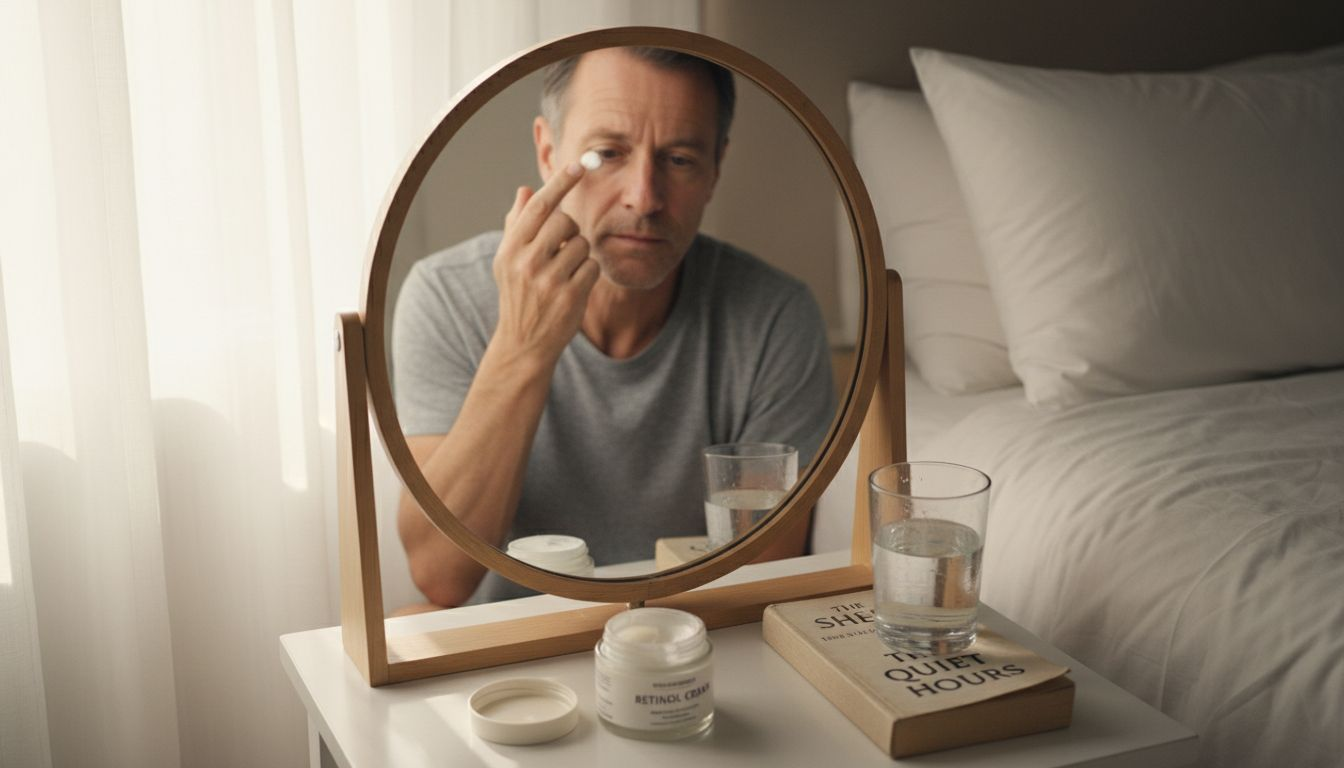
Vitamin A (retinol) accelerates cell turnover and supports skin regeneration. It’s particularly effective for addressing texture, uneven tone, and early signs of aging. Start with lower concentrations if you’re new to retinoids, as they can cause sensitivity initially.
Green tea extract and polyphenols like resveratrol deliver anti-inflammatory benefits alongside antioxidant protection. Plant-based antioxidants including carotenoids such as astaxanthin and lutein provide additional photoprotection and work synergistically with vitamins. Coenzyme Q10 supports cellular energy production and repair, while selenium specifically protects cells from oxidative damage.
The real advantage emerges when you layer different antioxidants. A vitamin C serum in the morning, followed by retinol at night, combined with a moisturizer containing vitamin E creates comprehensive protection against aging from multiple angles.
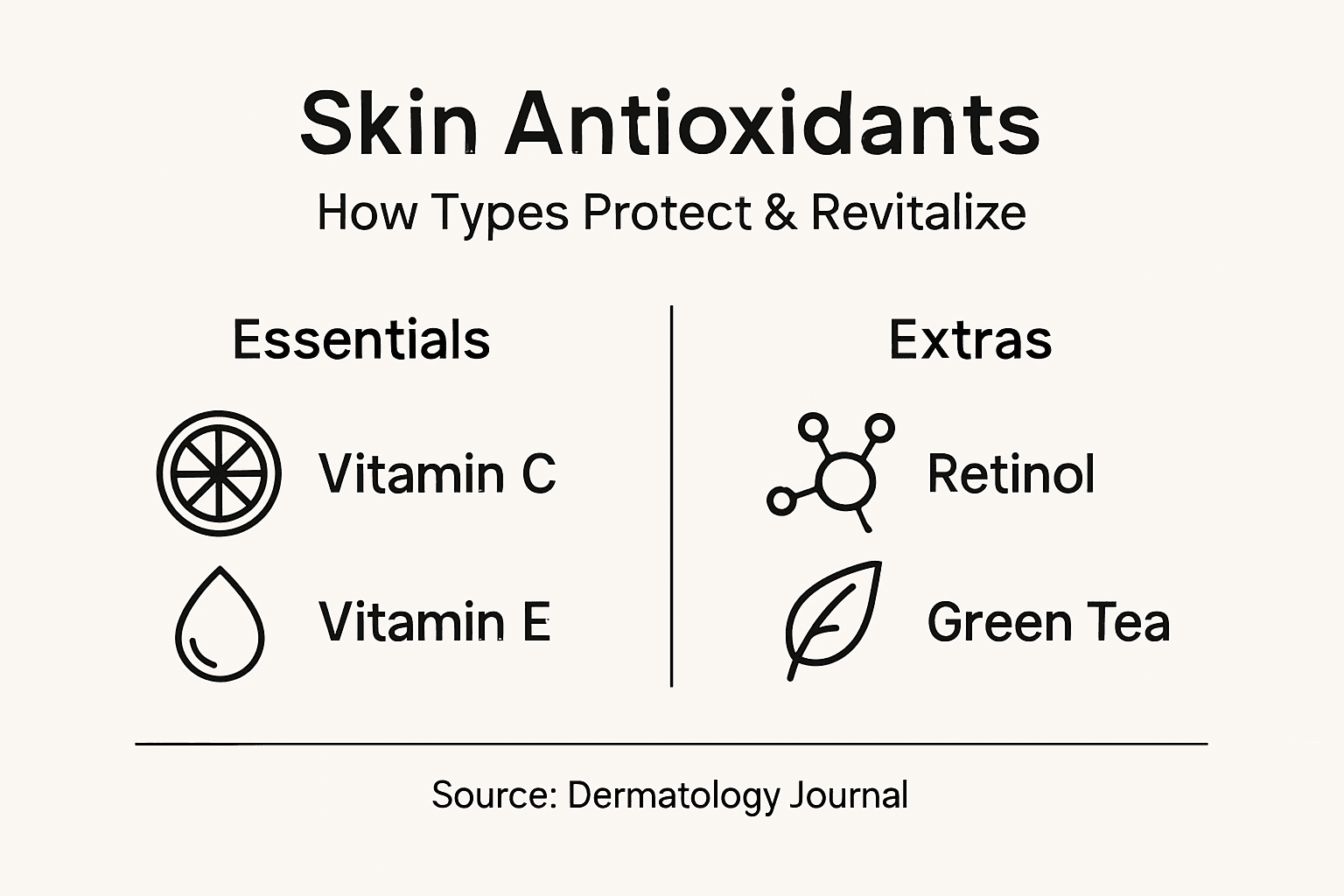
Here’s a comparison of popular antioxidants found in skincare products and how they impact your skin:
| Antioxidant | Main Benefit | Suitable For | Application Tip |
|---|---|---|---|
| Vitamin C | Brightens and firms skin | All skin types | Use in morning serum |
| Vitamin E | Strengthens skin barrier | Dry, sensitive skin | Layer with moisturizer |
| Retinol (Vitamin A) | Accelerates cell turnover | Aging, uneven skin | Apply at night, start slowly |
| Polyphenols | Reduce inflammation | Red, irritated skin | Look for green tea or plant |
| Coenzyme Q10 | Repairs skin, boosts energy | Mature skin | Choose in anti-aging creams |
| Carotenoids | Photoprotection | Sun-exposed skin | Seek in daily sunscreen |
Pro tip: Don’t overwhelm your skin by using every antioxidant simultaneously; introduce one new product every two weeks to monitor how your skin responds and prevent irritation.
How Antioxidants Protect and Repair Skin
Your skin faces constant assault from free radicals. These unstable molecules form when UV rays hit your skin, when you breathe in pollution, or even when your body metabolizes food. Without protection, free radicals damage collagen, elastin, and cell DNA, accelerating visible aging.
Antioxidants work by neutralizing reactive oxygen species before they cause harm. Think of it like defusing a bomb before it explodes. Once antioxidants neutralize these harmful molecules, they prevent damage to proteins, lipids, and your skin’s genetic material. This stops aging at the cellular level.
The protection happens in real time. When you apply vitamin C serum in the morning, it immediately begins shielding your skin from that day’s UV exposure and environmental stressors. The antioxidant creates a protective barrier that works alongside your sunscreen, not instead of it.
Repair is the second part of the equation. Beyond prevention, antioxidants trigger your skin’s natural healing mechanisms. They reduce inflammation caused by sun damage and pollution, allowing your skin to redirect energy toward rebuilding healthy cells. Damaged collagen gets replenished, fine lines soften, and skin texture improves.
This dual action makes antioxidants irreplaceable in any anti-aging routine. They prevent new damage while simultaneously repairing existing harm from years of sun exposure and environmental stress. Bioactive antioxidant compounds from natural sources provide both photoprotection and the cellular support needed to maintain youthful skin structure.
The cumulative effect is significant. Women who consistently use antioxidants report fewer fine lines, improved firmness, and a radiant complexion within three to six months. Your skin actually becomes more resilient and better equipped to handle daily stressors.
Pro tip: Apply antioxidant serums to damp skin immediately after cleansing, as moisture helps these compounds penetrate deeper and work more effectively.
Choosing Effective Antioxidant Skincare Products
Not every antioxidant product delivers results. The market is flooded with skincare claiming antioxidant benefits, but many products are poorly formulated or contain ingredients in concentrations too low to matter. You need to know what separates effective products from marketing hype.
Look for stable, bioavailable compounds as the foundation. Vitamin C works best in L-ascorbic acid form, which your skin actually recognizes and uses. Vitamin E should list tocopherol or tocopheryl acetate. Carotenoids like astaxanthin and lycopene provide proven benefits. Polyphenols such as resveratrol and ferulic acid target specific aging concerns. These aren’t trendy ingredients; they’re scientifically validated to penetrate skin and deliver results.
Concentration matters more than ingredient lists. A serum containing 10 percent vitamin C outperforms one listing vitamin C last because it barely contains any. Check product labels carefully. Look for percentages or specific dosages rather than vague claims like “infused with antioxidants.” Effective antioxidant formulations prioritize dosage, stability, and synergistic ingredient combinations that work together rather than against each other.
Delivery systems determine whether ingredients actually reach your skin cells. Advanced formulations use encapsulation, liposomes, or nanoparticle technology to help antioxidants penetrate deeper. Products with these technologies cost more, but they also work more effectively. Stability is critical too. Vitamin C oxidizes quickly when exposed to light and air, so look for opaque packaging and products in airless pumps rather than jars.
Consider your skin type when selecting products. Lightweight serums work well for oily skin, while richer creams suit dry skin. Building a routine with essential anti-aging skincare products creates synergistic benefits that single products cannot achieve. Combine a vitamin C serum with a retinol treatment and a moisturizer containing vitamin E for comprehensive protection.
Trust products backed by ingredient sourcing information. Reputable brands disclose whether antioxidants are naturally derived or synthetically manufactured, and they explain their extraction or synthesis methods. This transparency indicates a company confident in their formulations.
Consider these factors when selecting an antioxidant skincare product:
| Factor | Why It Matters | How to Identify |
|---|---|---|
| Compound Stability | Prevents loss of potency | Opaque, airtight packaging |
| Ingredient Concentration | Ensures real effectiveness | Check percent on label |
| Delivery Technology | Improves ingredient penetration | Look for encapsulation or liposomes |
| Brand Transparency | Reveals sourcing quality | Read about sourcing on website |
Pro tip: Start with one new antioxidant product and use it consistently for six weeks before adding another, allowing you to identify which ingredients actually work for your specific skin and avoid overwhelming your complexion.
Risks, Common Misconceptions, and What to Avoid
Antioxidants have a reputation for being universally beneficial. That myth needs correcting. Not all antioxidants work the same way, and more is definitely not better when it comes to your skin.
The biggest misconception is that natural antioxidants are automatically safe and effective. Plant-derived ingredients sound appealing, but extraction methods matter enormously. A poorly extracted natural antioxidant may lose potency or contain contaminants. Synthetic antioxidants undergo rigorous testing and quality control. Neither is inherently superior; formulation quality determines efficacy.
Concentration creates real risks. High doses of certain antioxidants can actually flip and become pro-oxidant, meaning they generate free radicals instead of neutralizing them. This happens when antioxidants interact with other ingredients or when concentrations exceed optimal levels. Understanding antioxidant side effects and potential pro-oxidant activity helps you avoid formulations that damage rather than protect your skin.
Mixing incompatible ingredients is another common mistake. Vitamin C and niacinamide actually compete rather than complement each other. Retinol combined with vitamin C can cause excessive irritation. Layering too many actives overwhelms your skin barrier, causing redness, sensitivity, and flaking. Your skin needs time to acclimate to antioxidants before adding more products.
Avoiding these pitfalls means:
- Checking actual ingredient concentrations, not just ingredient lists
- Starting slowly with one antioxidant product at a time
- Choosing formulations from reputable brands with stability information
- Understanding that “natural” doesn’t guarantee safety or effectiveness
Improper formulation or excessive use can reduce efficacy or cause irritation. Some people experience sensitivity to vitamin C serums because formulations are poorly pH-balanced or concentrations are too high. Retinol causes peeling and redness initially, which some interpret as damage when it’s actually normal skin turnover.
Expect a transition period. Your skin needs two to four weeks to adjust to antioxidant products. If irritation persists beyond that, discontinue and try a different formulation or concentration.
Pro tip: If you experience irritation, reduce frequency to two or three times weekly instead of daily, allowing your skin to build tolerance gradually while maintaining the product’s benefits.
Unlock Radiant Skin with Powerful Antioxidants Today
Protecting your skin from free radicals and environmental stress is essential for maintaining a youthful glow. If you are struggling with dullness, fine lines, or sensitivity caused by oxidative damage, incorporating antioxidant-rich products into your routine can restore and revitalize your skin. With ingredients like vitamin C, vitamin E, and retinol working to neutralize harmful molecules and boost skin repair, you can fight the visible signs of aging effectively.

Explore our curated selection of Facial Serums designed to deliver potent antioxidants deep into your skin. Pair these with nourishing Facial Creams & Gels for lasting barrier support and hydration. Visit Skin Styles now to start building a targeted skincare routine that protects your skin daily and supports long-term renewal. Take action today and experience the confidence of healthier, radiant skin.
Frequently Asked Questions
What are antioxidants and how do they benefit my skin?
Antioxidants are compounds that protect your skin from environmental damage by neutralizing free radicals. They help reduce inflammation, prevent cellular damage, and support your skin’s natural repair processes, ultimately slowing down the aging process.
Which antioxidants are most effective for anti-aging?
Common effective antioxidants include Vitamin C, Vitamin E, and Retinol (Vitamin A). Vitamin C brightens the skin and stimulates collagen production, Vitamin E strengthens the skin barrier, and Retinol promotes cell turnover. Combining these can enhance overall skin health.
How do I incorporate antioxidants into my skincare routine?
Start by applying a Vitamin C serum on clean, damp skin in the morning to maximize absorption. Follow with a moisturizer containing Vitamin E. At night, you can add a retinol product. Introduce one product at a time to monitor your skin’s reaction.
Can antioxidants cause skin irritation?
While antioxidants are beneficial, they can cause irritation if used in high concentrations or combined improperly with other active ingredients. If irritation occurs, reduce usage frequency and allow your skin time to acclimate to new products.