

Every parent faces that moment when a hungry cry demands a warm meal delivered quickly and safely. Selecting microwave safe babyware is more than just a matter of convenience for families—it directly affects your child’s health and peace of mind. While these containers are built to withstand heat, recent research warns they can release billions of tiny plastic particles during microwave use, adding a new layer of concern for parents striving to make the healthiest choices. Learn the basics to navigate this essential decision with confidence.
Table of Contents
- Defining Microwave Safe Babyware Basics
- Types Of Microwave Safe Babyware Materials
- Recognizing Microwave Safe Symbols And Labels
- Global Safety Standards And Regulations For Babyware
- Health Risks And Common Misconceptions
- Safe Practices And Safer Alternatives For Parents
Key Takeaways
| Point | Details |
|---|---|
| Importance of Material Selection | Choose microwave safe babyware made from materials like polypropylene, polyethylene, or medical-grade silicone to minimize health risks. |
| Understanding Safety Symbols | Always check for visible microwave safety symbols on babyware to ensure safe usage during heating. |
| Potential Health Risks | Be aware that heating plastic containers may release microplastics, which pose health risks to infants. |
| Safe Heating Practices | Opt for safer alternatives like glass or silicone containers and use gentle heating methods to reduce chemical exposure. |
Defining Microwave Safe Babyware Basics
Microwave safe babyware represents specialized feeding containers designed to withstand microwave heating while maintaining structural integrity and minimizing potential health risks. These containers are typically crafted from specific plastic materials like polypropylene or polyethylene that can tolerate heat without melting or deforming during food preparation.
Understanding the core characteristics of microwave safe babyware requires examining its fundamental design and material properties. Recent scientific studies reveal that while these containers meet regulatory standards, they may still release microscopic plastic particles when heated, raising important safety considerations for parents.
Key characteristics of microwave safe babyware include:
- Heat-resistant plastic composition
- FDA-approved manufacturing standards
- Ability to withstand temperatures between 100-220 degrees Fahrenheit
- Labeled with specific microwave safety symbols
- Designed to prevent warping or chemical leaching
Parental Safety Considerations are paramount when selecting microwave safe babyware. Research indicates potential nanoplastic release during heating, which suggests parents should exercise caution and follow manufacturer guidelines carefully.
Pro tip: Always inspect babyware for damage before microwave use and replace containers showing signs of wear, cracks, or discoloration to minimize potential health risks.
Types Of Microwave Safe Babyware Materials
Microwave safe babyware relies on several specialized materials designed to withstand heat while maintaining food safety standards. Plastic compositions like polypropylene and polyethylene represent the most common materials used in infant feeding containers, each with unique thermal and structural properties.
These materials are carefully engineered to resist high temperatures and prevent chemical leaching. Polypropylene, a thermoplastic polymer, offers exceptional heat resistance and durability, making it a preferred choice for microwave-compatible baby containers. Polyethylene provides similar benefits, with enhanced flexibility and lightweight characteristics that appeal to manufacturers and parents alike.
Key material characteristics include:
- High heat tolerance (100-220 degrees Fahrenheit)
- FDA-approved composition
- Minimal chemical reactivity
- Resistance to warping and deformation
- Ability to maintain structural integrity during microwave heating
Alternative Materials such as medical-grade silicone have emerged as promising options for microwave safe babyware. Research indicates potential advantages of silicone, including reduced chemical leaching and greater thermal stability compared to traditional plastic compositions.
Pro tip: Always check manufacturer specifications and microwave safety symbols before heating any babyware to ensure optimal safety and performance.
Here’s a concise comparison of babyware material options by safety and practicality:
| Material Type | Safety Rating | Microwave Durability | Ease of Cleaning |
|---|---|---|---|
| Polypropylene | Moderate, FDA approved | Withstands moderate heat | Simple, dishwasher-safe |
| Polyethylene | Moderate, FDA approved | Flexible, heat-tolerant | Simple, dishwasher-safe |
| Medical-Grade Silicone | High, low leaching | Excellent heat resistance | Easy, wipes clean easily |
| Glass | High, no leaching | Resists high temperatures | Requires careful handling |
Recognizing Microwave Safe Symbols And Labels
Microwave safe symbols are critical indicators of container safety, helping parents quickly identify appropriate babyware for heating. These standardized markings provide essential guidance about a container’s thermal resistance and potential chemical interactions during microwave exposure.
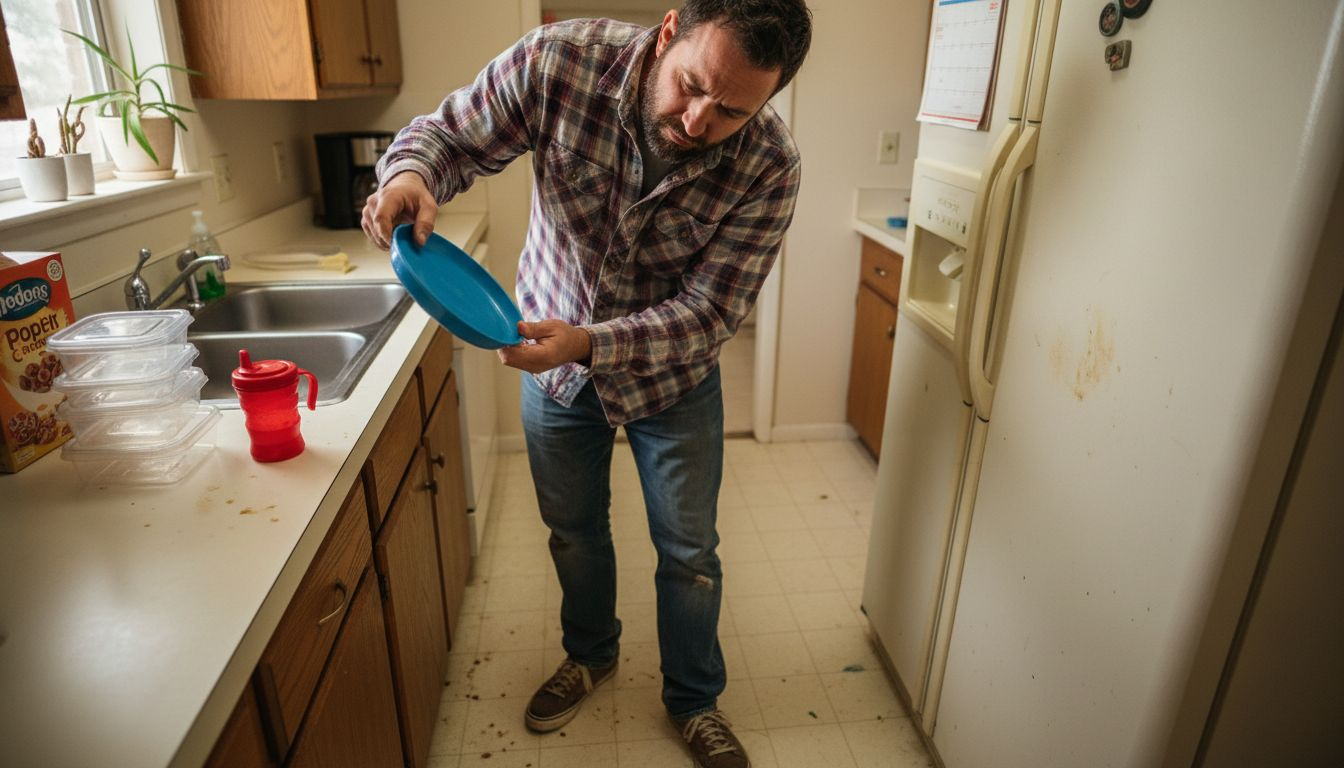
Typically, microwave safe labels feature distinct visual elements that communicate important safety information. The most common symbols include a stylized microwave icon, wavy heat lines, or explicit text stating “Microwave Safe” or “Microwave Approved.” These markings undergo rigorous testing to ensure they meet strict safety standards for infant feeding containers.
Key microwave safety symbol characteristics include:
- Clearly visible microwave icon
- Wavy heat-resistant lines
- Explicit text indicating microwave compatibility
- Manufacturer’s safety certification mark
- Temperature tolerance range
Warning Signs parents should watch for include:
- Absence of microwave safety symbols
- Visible damage or wear on container
- Discoloration or warping
- Unclear or faded safety markings
Consumer guidelines recommend carefully examining product packaging and consulting manufacturer instructions to fully understand microwave usage requirements.
Pro tip: When in doubt about a container’s microwave safety, always err on the side of caution and use alternative heating methods for your baby’s food.
For quick reference, here are typical microwave safe symbol features and warning signs:
| Indicator Type | Description | What Parents Should Look For |
|---|---|---|
| Microwave Safe Icon | Stylized microwave graphic | Clearly visible, not faded |
| Wavy Heat Lines | Curved lines near symbol | Presence indicates heat resistance |
| Certification Mark | Official safety emblem | Check for recognized symbols |
| Warning Signs | Damage, discoloration | Replace containers if defects show |
Global Safety Standards And Regulations For Babyware
Global safety standards for microwave safe babyware represent a complex network of international regulations designed to protect infant health. These comprehensive frameworks involve multiple regulatory agencies working collaboratively to establish rigorous testing and certification protocols for baby feeding containers.
Key regulatory bodies like the US Food and Drug Administration (FDA), European Food Safety Authority (EFSA), and other national health organizations develop intricate guidelines that manufacturers must follow. These standards focus on critical safety parameters including chemical migration limits, thermal stability requirements, and comprehensive material testing to minimize potential health risks.
Critical regulatory focus areas include:
- Chemical migration testing
- Thermal resistance standards
- Material composition restrictions
- Mandatory safety labeling requirements
- Regular product recertification processes
Specific Regulatory Requirements encompass multiple dimensions of safety assessment. Manufacturers must certify babyware materials through extensive scientific evaluations, with particular attention to potential endocrine disruptors like bisphenol A (BPA) and phthalates.
International safety protocols demand comprehensive documentation, including:
- Detailed material composition reports
- Thermal stability test results
- Chemical migration analyses
- Long-term durability assessments
- Age-specific safety considerations
Pro tip: Request and review product certification documentation before purchasing any microwave safe babyware to ensure maximum infant safety.
Health Risks And Common Misconceptions
Microwave safe babyware health risks extend far beyond simple assumptions of safety. Parents often believe that products labeled “microwave safe” are completely harmless, but emerging scientific research reveals a more complex landscape of potential health concerns associated with plastic containers used for infant feeding.
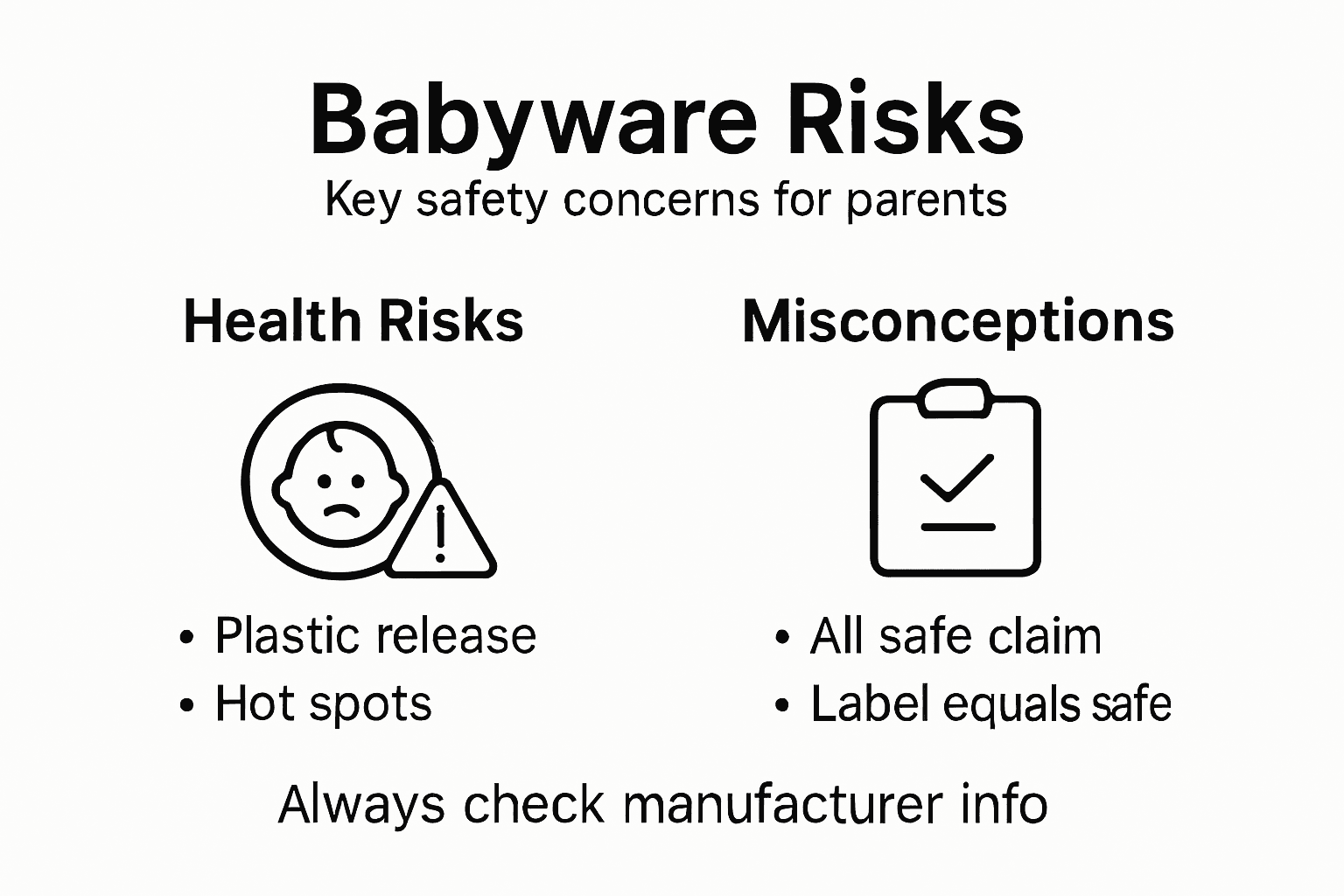
The primary health risks stem from micro- and nanoplastic particle migration during heating, which can potentially cause cellular damage and disrupt endocrine system functioning. These microscopic particles may leach into food, creating exposure pathways that are not immediately visible but could have long-term health implications for developing children.
Common misconceptions about microwave safe babyware include:
- Believing “microwave safe” means completely chemical-free
- Assuming no heat-related particle migration occurs
- Thinking all plastic containers have identical safety profiles
- Overlooking potential long-term exposure risks
- Disregarding manufacturer-specific heating guidelines
Emerging Scientific Insights suggest that plastics might release unintended chemical additives during heating, challenging previous assumptions about container safety. Potential risks include:
- Kidney cell damage
- Endocrine system disruption
- Possible carcinogenic effects
- Developmental interference
- Potential immunological challenges
Pro tip: Minimize microwave heating of infant food by using alternative warming methods like warm water baths or specialized baby food warmers to reduce potential chemical exposure.
Safe Practices And Safer Alternatives For Parents
Microwave safety for baby containers requires careful consideration and proactive strategies to minimize potential health risks. Parents must move beyond simply trusting “microwave safe” labels and adopt a more nuanced approach to infant feeding container selection and usage.
Key safe practices involve selecting appropriate materials and implementing careful heating techniques. Glass and medical-grade silicone emerge as superior alternatives to traditional plastic containers, offering reduced chemical migration and enhanced thermal stability during food preparation.
Recommended safe practices include:
- Using glass or silicone containers
- Avoiding plastics with known harmful additives
- Heating food in small quantities
- Using low to medium microwave power settings
- Stirring food midway through heating
- Checking food temperature before serving
Heating Guidelines suggest minimizing microwave exposure time to preserve nutritional content and reduce potential chemical leaching. Parents should consider alternative warming methods such as:
- Warm water bath heating
- Specialized baby food warmers
- Gentle stovetop warming techniques
- Room temperature thawing
- Preportioned heating strategies
Pro tip: Invest in a kitchen thermometer to precisely monitor food temperature and ensure safe, even heating for your infant’s meals.
Protect Your Baby with Safe and Reliable Feeding Solutions
Understanding the safety impact of microwave safe babyware is crucial for concerned parents aiming to protect their little ones from potential health risks like chemical leaching and microplastic exposure. Choosing babyware that meets strict safety standards and avoids questionable materials can bring you peace of mind during every feeding moment. At Skin-Styles.com, we recognize these challenges and offer carefully selected products that prioritize infant safety and convenience.

Explore our Other Products – Skin Styles collection, where you will find feeding sets and accessories designed with safe materials for microwave use and everyday care. Visit our homepage to browse a full range of family-friendly personal care essentials that combine safety with quality. Act now to provide your baby with trusted products that support their health and your parenting confidence. Start shopping today at Skin-Styles.com and take a proactive step toward safer mealtime routines.
Frequently Asked Questions
What materials are considered safe for microwave babyware?
Microwave safe babyware is typically made from materials like polypropylene, polyethylene, and medical-grade silicone. These materials are designed to withstand high temperatures without releasing harmful chemicals.
How can I ensure that my babyware is microwave safe?
Look for clear microwave safe symbols on the packaging, such as a stylized microwave icon or explicit text stating “Microwave Safe”. Additionally, inspect for any visible damage or warping before use.
What are the potential health risks associated with using microwave safe babyware?
While labeled microwave safe, some babyware may still release micro- and nanoplastic particles when heated, which can pose risks to developing children, including endocrine disruption and cellular damage.
Are there safer alternatives to plastic microwave safe babyware?
Yes, glass and medical-grade silicone are considered safer alternatives to traditional plastic microwave containers because they offer reduced chemical migration and enhanced thermal stability during food preparation.