
You see ‘clean beauty’ on products everywhere, but what does it actually mean? With no official definition and brands interpreting the term differently, it’s easy to feel confused about which products are genuinely safe and sustainable. Some brands exclude a handful of ingredients while others have strict standards backed by certifications. This guide cuts through the marketing noise to explain what clean beauty truly means, which harmful ingredients to avoid, how to recognize trustworthy certifications, and why your choices matter for both your health and the environment.
Table of Contents
- Key takeaways
- Understanding what clean beauty means
- Common ingredients excluded from clean beauty products
- Navigating certifications and avoiding greenwashing
- Health and environmental impact of clean beauty choices
- Explore clean beauty products at Skin Styles
- What is clean beauty? Frequently asked questions
Key Takeaways
| Point | Details |
|---|---|
| No universal standard | There is no official universal definition for clean beauty, so brands self define their standards and you should compare claims carefully. |
| Avoid harmful ingredients | Many brands exclude categories like parabens, sulfates, synthetic fragrances, and other known risks to health and the environment. |
| Seek trusted certifications | Look for recognized certifications like EWG Verified to help validate product safety and ethical practices. |
| Read ingredient lists | Because greenwashing exists, you should read full ingredient lists and research unfamiliar substances before buying. |
Understanding what clean beauty means
Clean beauty refers to personal care products formulated without ingredients known or suspected to harm human health or the environment, emphasizing non-toxic formulas, transparency, sustainability, and ethical practices. The concept goes beyond simply being natural or organic. It represents a holistic approach to skincare that considers ingredient safety, manufacturing processes, environmental impact, and ethical sourcing.
The challenge for consumers is that no universal regulatory definition exists for clean beauty, which means brands self-define their standards. One company might exclude 50 ingredients while another avoids thousands. This lack of standardization creates confusion and makes it difficult to compare products across different brands. Some retailers have created their own clean beauty standards, but these vary significantly in rigor and scope.
Several core principles typically define clean beauty products:
- Health safety: Avoiding ingredients linked to cancer, hormone disruption, or allergic reactions
- Environmental sustainability: Using biodegradable ingredients and eco-friendly packaging
- Transparency: Disclosing full ingredient lists and sourcing information
- Ethical practices: Ensuring cruelty-free testing and fair labor conditions
Brands often create proprietary lists of excluded ingredients, sometimes called “free-from” lists. These might range from a basic exclusion of parabens and sulfates to comprehensive bans on hundreds of questionable substances. Understanding why choose non-toxic skincare helps you evaluate whether a brand’s definition aligns with your personal health values.
The self-regulatory nature of clean beauty means you cannot rely solely on marketing claims. A product labeled “clean” might still contain ingredients you want to avoid based on your personal standards. Reading ingredient lists and researching unfamiliar substances becomes essential. Many consumers use apps or databases to check ingredient safety ratings before purchasing.
Pro Tip: Create your own personal exclusion list based on ingredients you want to avoid. Keep it on your phone and reference it while shopping to quickly evaluate whether products meet your clean beauty standards.
Common ingredients excluded from clean beauty products
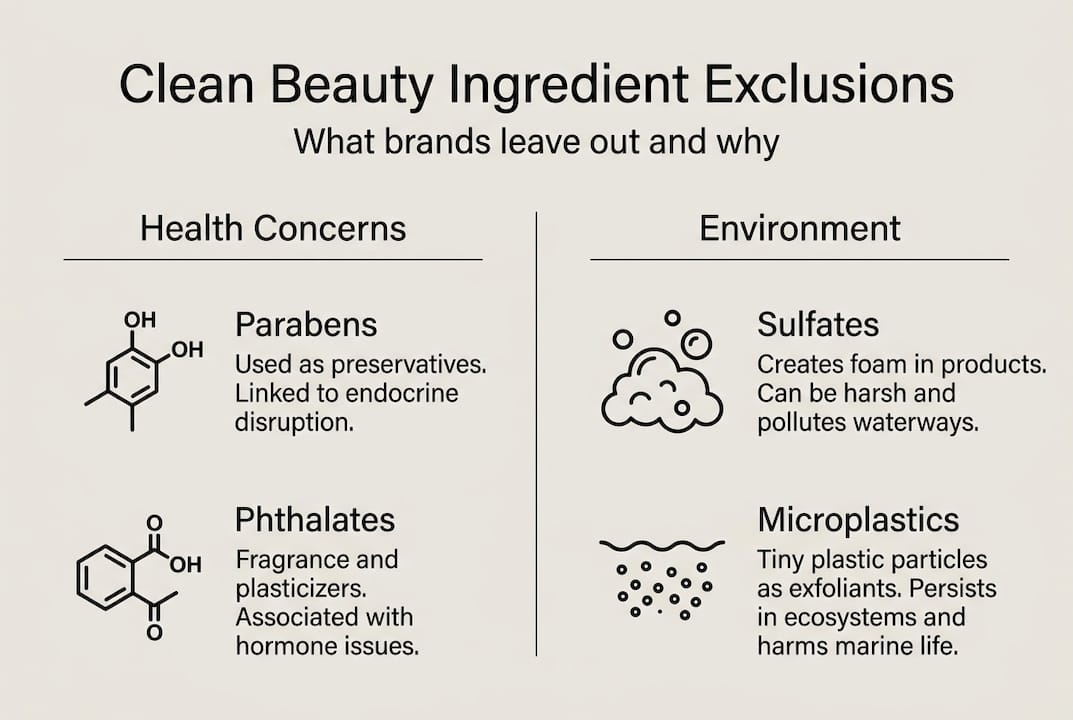
Most clean beauty brands exclude specific categories of ingredients due to documented health concerns or environmental harm. Understanding what these ingredients are and why they matter helps you make informed purchasing decisions. Common excluded ingredients include parabens, phthalates, sulfates, formaldehyde releasers, synthetic fragrances, triclosan, oxybenzone, and PFAS.
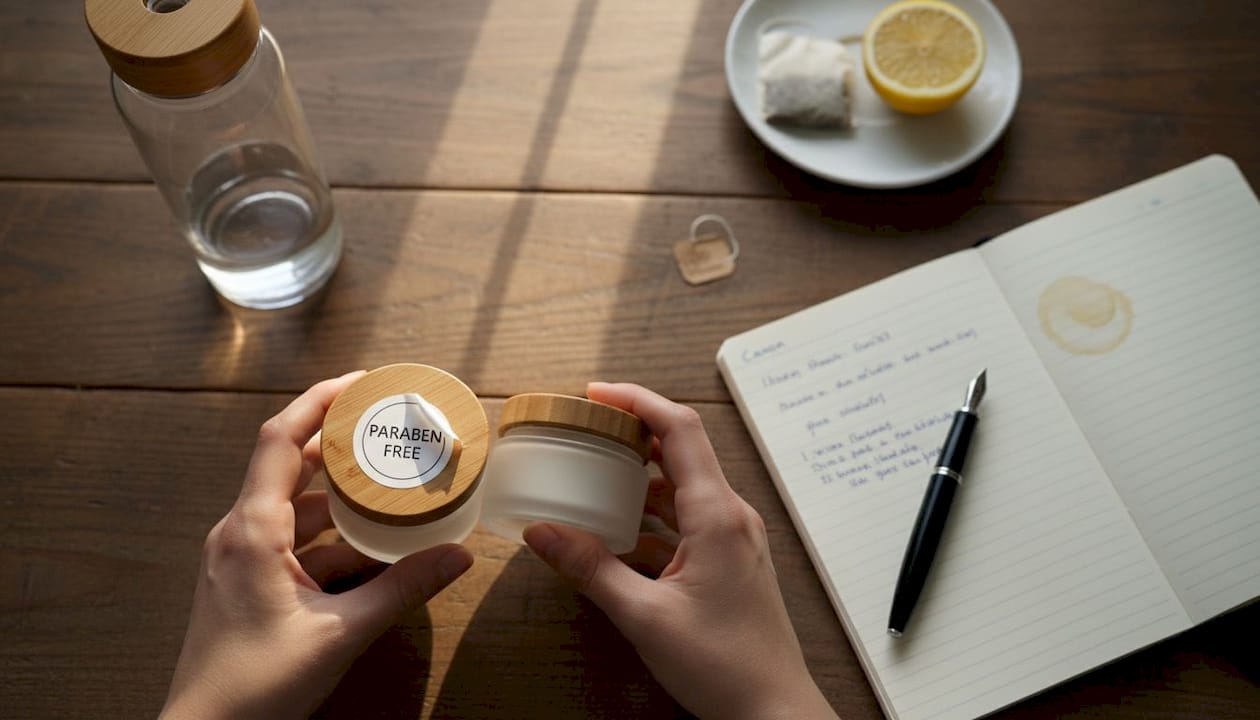
Parabens are preservatives that extend product shelf life by preventing bacterial growth. They appear on ingredient lists as methylparaben, propylparaben, or butylparaben. Research has detected parabens in breast tumor tissue, raising concerns about their potential role in hormone disruption and cancer development. While regulatory bodies maintain that parabens are safe at current usage levels, many consumers prefer to avoid them entirely given the uncertainty around long-term exposure effects.
Phthalates help fragrances last longer and make plastics more flexible. They rarely appear on ingredient lists because they hide under the umbrella term “fragrance.” These chemicals are known endocrine disruptors that can interfere with hormone function. Studies have linked phthalate exposure to reproductive issues, developmental problems in children, and increased cancer risk. Clean beauty products typically use phthalate-free fragrances or essential oils instead.
Sulfates like sodium lauryl sulfate (SLS) and sodium laureth sulfate (SLES) create the foaming action in cleansers and shampoos. While effective at removing oil and dirt, they can strip skin of natural oils, causing dryness, irritation, and sensitivity. People with eczema, rosacea, or sensitive skin often experience worsening symptoms from sulfate exposure. Gentler alternatives like coco glucoside provide effective cleansing without the harsh effects.
Synthetic fragrances can contain dozens of undisclosed chemicals, including allergens and irritants. The term “fragrance” or “parfum” on an ingredient list can represent a proprietary blend of up to 3,000 different substances. This lack of transparency makes it impossible to know what you are applying to your skin. Clean beauty brands use natural essential oils or clearly disclose all fragrance components.
Key ingredients to avoid:
- Formaldehyde releasers: Preservatives that slowly release formaldehyde, a known carcinogen
- Triclosan: Antimicrobial agent linked to hormone disruption and antibiotic resistance
- Oxybenzone: Chemical sunscreen ingredient that harms coral reefs and may disrupt hormones
- PFAS: Forever chemicals that persist in the environment and accumulate in the body
Understanding parabens in skincare explained provides deeper insight into why these preservatives remain controversial. The precautionary principle guides many clean beauty brands to exclude ingredients when credible concerns exist, even if definitive proof of harm is still emerging. Learning why choose natural skincare helps you appreciate the benefits of ingredient transparency and safer alternatives.
Pro Tip: When you see “fragrance” or “parfum” on an ingredient list, contact the brand directly to ask what specific compounds it contains. Reputable clean beauty companies will provide this information, while others may refuse, revealing their lack of transparency.
Navigating certifications and avoiding greenwashing
Third-party certifications provide objective verification that products meet specific safety and sustainability standards. EWG Verified requires products to score green in the Skin Deep database, provide full ingredient disclosure, and contain no unacceptable or restricted ingredients. This certification represents one of the most rigorous clean beauty standards available. Products must avoid ingredients linked to health concerns, provide complete transparency about all components including fragrance, and meet manufacturing and contamination standards.
USDA Organic certification ensures that at least 95% of ingredients come from organic sources, meaning they were grown without synthetic pesticides, fertilizers, or genetically modified organisms. While this certification focuses primarily on agricultural practices rather than ingredient safety, it provides assurance about environmental sustainability and reduced chemical exposure. Other respected certifications include COSMOS, Leaping Bunny for cruelty-free verification, and B Corp for overall company ethics.
| Certification | What it verifies | Key requirements |
|---|---|---|
| EWG Verified | Ingredient safety and transparency | Green score in Skin Deep, full disclosure, no restricted ingredients |
| USDA Organic | Organic ingredient sourcing | 95% organic ingredients, no synthetic pesticides or GMOs |
| Leaping Bunny | Cruelty-free practices | No animal testing at any production stage |
| COSMOS | Natural and organic standards | Minimum natural content, sustainable practices, biodegradable ingredients |
Greenwashing occurs when brands use environmental or health-focused marketing language without substantive backing. Expert critiques highlight that unregulated terms enable misleading claims, natural ingredients are not always safe, and dosage and exposure matter more than blanket ingredient avoidance. Terms like “natural,” “pure,” “gentle,” and even “clean” carry no legal definition in most countries. A product can claim to be natural while containing mostly synthetic ingredients with just a small percentage of plant extracts.
Several red flags indicate potential greenwashing. Vague claims without specifics suggest a brand has little to back up its marketing. For example, “made with natural ingredients” tells you nothing about what percentage is natural or which specific ingredients are plant-based. Green packaging and leaf imagery create an eco-friendly impression without guaranteeing safer formulations. Limited ingredient transparency, especially around fragrances or proprietary blends, prevents you from verifying safety claims.
Focus on certifications and ingredient lists rather than marketing language. A truly clean beauty product will clearly list all ingredients, often with explanations of their purpose and source. Brands committed to transparency typically provide detailed information about their sourcing, testing, and manufacturing practices. They welcome questions and provide substantive answers rather than vague reassurances.
Understanding why sustainability in skincare matters helps you evaluate whether a brand’s environmental claims extend beyond surface-level marketing to meaningful practices. Look for specific commitments like carbon-neutral shipping, recyclable packaging, or partnerships with environmental organizations.
Pro Tip: Search for products in the EWG Skin Deep database before purchasing. This free resource rates over 90,000 personal care products on a scale from 1 (low hazard) to 10 (high hazard) based on ingredient safety data, helping you quickly identify genuinely clean options.
Health and environmental impact of clean beauty choices
The ingredients in your skincare products affect more than just your skin. Empirical data links personal care products to health risks, with women of color facing 80% more toxic exposure and associations between breast cancer risk and triclosan or parabens. These disparities reflect both marketing targeted at specific demographics and socioeconomic factors that limit access to safer products. Communities with lower incomes often have less access to clean beauty options due to higher prices and limited retail availability.
Chemicals absorbed through skin enter the bloodstream and can accumulate in body tissues over time. Daily exposure to multiple products containing questionable ingredients creates a cumulative effect that may increase health risks. Pregnant women face particular concerns since many toxic ingredients can cross the placental barrier and affect fetal development. Hormone-disrupting chemicals may contribute to early puberty, fertility issues, and increased cancer risk later in life.
Switching to clean beauty reduces your personal chemical burden and supports broader environmental health. Ingredients that wash down your drain enter water systems, where they can harm aquatic life and contaminate drinking water sources. Microplastics from exfoliating scrubs accumulate in oceans, while chemical sunscreen ingredients damage coral reefs. Choosing products with biodegradable ingredients and sustainable packaging reduces your environmental footprint.
| Conventional products | Clean beauty alternatives | Impact difference |
|---|---|---|
| Synthetic fragrances | Essential oils or fragrance-free | Reduced allergen exposure and air pollution |
| Microplastic exfoliants | Jojoba beads or fruit enzymes | No ocean microplastic accumulation |
| Chemical sunscreens | Mineral sunscreens | Coral reef protection and safer marine ecosystems |
| Plastic packaging | Glass or recycled materials | Lower carbon footprint and reduced landfill waste |
Environmental benefits of clean beauty extend beyond ingredient safety:
- Biodegradable formulations break down naturally without contaminating water supplies
- Sustainable sourcing protects ecosystems and supports regenerative agriculture
- Reduced packaging waste through refillable containers and minimal materials
- Lower carbon emissions from natural ingredient processing compared to synthetic chemical manufacturing
Your purchasing decisions influence industry practices. As consumer demand for clean beauty grows, more brands invest in safer formulations and sustainable practices. This market pressure drives innovation in natural preservatives, eco-friendly packaging, and transparent supply chains. Understanding the health and safety of non-toxic skincare empowers you to make choices that protect both your wellbeing and the planet.
The cumulative impact of millions of consumers choosing clean beauty products creates meaningful change. Reduced demand for toxic ingredients incentivizes manufacturers to develop safer alternatives. Supporting brands with strong environmental commitments funds research into sustainable practices that benefit the entire industry. Your individual choices contribute to collective progress toward healthier, more sustainable beauty standards.
Explore clean beauty products at Skin Styles
Now that you understand what clean beauty means and why it matters, you can confidently choose products that align with your health and environmental values. Skin Styles curates collections of skincare products that prioritize safety, transparency, and sustainability.

Explore thoughtfully selected facial creams and gels formulated without harmful ingredients, or discover gentle facial cleansers that effectively remove impurities without stripping your skin. The Cosrx skincare collection features products from a trusted Korean beauty brand known for minimal, effective formulations focused on skin health. Each product listing provides complete ingredient transparency so you can make informed decisions based on your personal clean beauty standards.
What is clean beauty? Frequently asked questions
What exactly is clean beauty and how does it differ from natural or organic?
Clean beauty focuses on excluding ingredients harmful to health or the environment, while natural means derived from plants or minerals, and organic refers to specific agricultural growing practices. A product can be natural but not clean if it contains toxic plant extracts, or clean but not fully natural if it includes safe synthetic ingredients. Organic certification addresses farming methods rather than ingredient safety, so organic products may still contain allergens or irritants for sensitive skin.
How can I identify trustworthy clean beauty certifications?
Look for EWG Verified, USDA Organic, COSMOS, or Leaping Bunny certifications, which require independent third-party verification and transparent standards. These certifications involve rigorous testing, ingredient review, and ongoing compliance monitoring. Avoid brands that create their own proprietary “certification” badges without external oversight, as these lack independent verification and may represent nothing more than internal marketing decisions.
Why are certain ingredients excluded from clean beauty products?
Ingredients are excluded when research links them to health concerns like hormone disruption, cancer risk, allergic reactions, or environmental damage. The precautionary principle guides clean beauty brands to avoid ingredients when credible concerns exist, even if regulatory bodies have not yet banned them. This proactive approach protects consumers from potential long-term effects of daily exposure to questionable substances.
What are the most common misconceptions about clean or green beauty labels?
Many people assume “natural” automatically means safe, but poison ivy and arsenic are natural yet harmful. Another misconception is that clean beauty products are less effective, when in fact many perform as well or better than conventional alternatives. People also mistakenly believe that if a product is sold in stores, it must be safe, but cosmetics face minimal regulation in most countries before reaching shelves.
What practical tips help me choose products that truly fit clean beauty values?
Read complete ingredient lists rather than relying on front-label claims, and use resources like the EWG Skin Deep database to check safety ratings. Research brands to verify their commitment to transparency, sustainability, and ethical practices beyond marketing language. Start by replacing products you use daily or in large quantities, like moisturizer and cleanser, to maximize your reduction in toxic exposure. Prioritize products that contact mucous membranes or broken skin, where absorption is highest.