

Over half of american adults say they are confused about the best way to exfoliate their skin. The choices seem endless, and every product claims to give you a radiant complexion. Without a solid routine and proper technique, even simple exfoliation can leave your skin irritated or dull. This guide gives you clear, step by step directions so you can safely reveal smoother, healthier looking skin every time.
Table of Contents
- Step 1: Prepare Your Skin And Gather Exfoliating Supplies
- Step 2: Apply Exfoliant Using Proper Techniques
- Step 3: Massage Gently And Monitor Skin Response
- Step 4: Rinse Thoroughly And Pat Skin Dry
- Step 5: Moisturize And Check Skin For Results
Quick Summary
| Key Point | Explanation |
|---|---|
| 1. Assess Your Skin Type First | Determine whether you need a physical or chemical exfoliant based on your unique skin characteristics for optimal results. |
| 2. Use Gentle Techniques When Exfoliating | Apply the exfoliant using gentle circular motions to minimize irritation and protect your skin’s surface during the process. |
| 3. Rinse and Dry Properly | Thoroughly rinse the exfoliant off with lukewarm water and pat dry with a soft towel to avoid any potential damage to your skin. |
| 4. Moisturize Immediately After Exfoliation | Apply a lightweight, hydrating moisturizer post-exfoliation to lock in moisture and restore your skin’s protective barrier effectively. |
| 5. Monitor Your Skin’s Reaction | Pay attention to any signs of redness or irritation to adjust your routine accordingly and ensure the well-being of your skin. |
Step 1: Prepare Your Skin and Gather Exfoliating Supplies
Preparing for exfoliation requires careful selection of the right tools and understanding your unique skin needs. This step sets the foundation for a safe and effective skincare routine that promotes smooth, radiant skin without causing unnecessary irritation.
Start by assessing your skin type and selecting an appropriate exfoliation method that matches your specific requirements. Physical exfoliants like scrubs work well for some skin types, while chemical exfoliants using gentle acids might suit others. Gather your supplies thoughtfully: choose a gentle scrub or exfoliating product, soft washcloth or exfoliating brush, lukewarm water, and a hydrating moisturizer for post-treatment care.
Before beginning, perform a quick skin check to ensure you do not have any open wounds, sunburns, or active breakouts. Exfoliation best practices recommend avoiding exfoliating over sensitive or compromised skin areas to prevent potential damage. Always use gentle circular motions and apply minimal pressure to protect your skin’s delicate surface.
Step 2: Apply Exfoliant Using Proper Techniques
Applying an exfoliant requires precision and care to achieve smooth and radiant skin without causing damage. This step is crucial in transforming your skincare routine by effectively removing dead skin cells and revealing a fresh glowing complexion.
Begin by dampening your skin with lukewarm water to help the exfoliant spread evenly. Application techniques vary depending on your chosen product type. For physical scrubs, use gentle circular motions with light pressure to avoid irritating your skin. Chemical exfoliants typically require a different approach patch test first and follow the specific product instructions carefully.
Pay close attention to your skin’s response during exfoliation. Research indicates that skin health depends on using minimal pressure and avoiding aggressive scrubbing. Spend no more than 30 seconds exfoliating each area to prevent potential micro-abrasions. Rinse thoroughly with cool water to close your pores and pat your skin dry with a clean soft towel. Your skin should feel refreshed and smooth without any redness or sensitivity.
Step 3: Massage Gently and Monitor Skin Response
The final phase of exfoliation is about creating a harmonious connection between your technique and your skin’s unique response. This delicate process requires careful attention and sensitivity to understand how your skin reacts to the exfoliation treatment.
Apply gentle massage movements using light fingertip pressure in soft circular motions. Gentle massage techniques are crucial for preventing skin irritation and promoting healthy circulation. Watch for any signs of redness, tingling, or discomfort during the process. These signals indicate that you should immediately stop and adjust your approach. Some mild warmth is normal, but persistent irritation means your skin needs a gentler method or different exfoliation product.
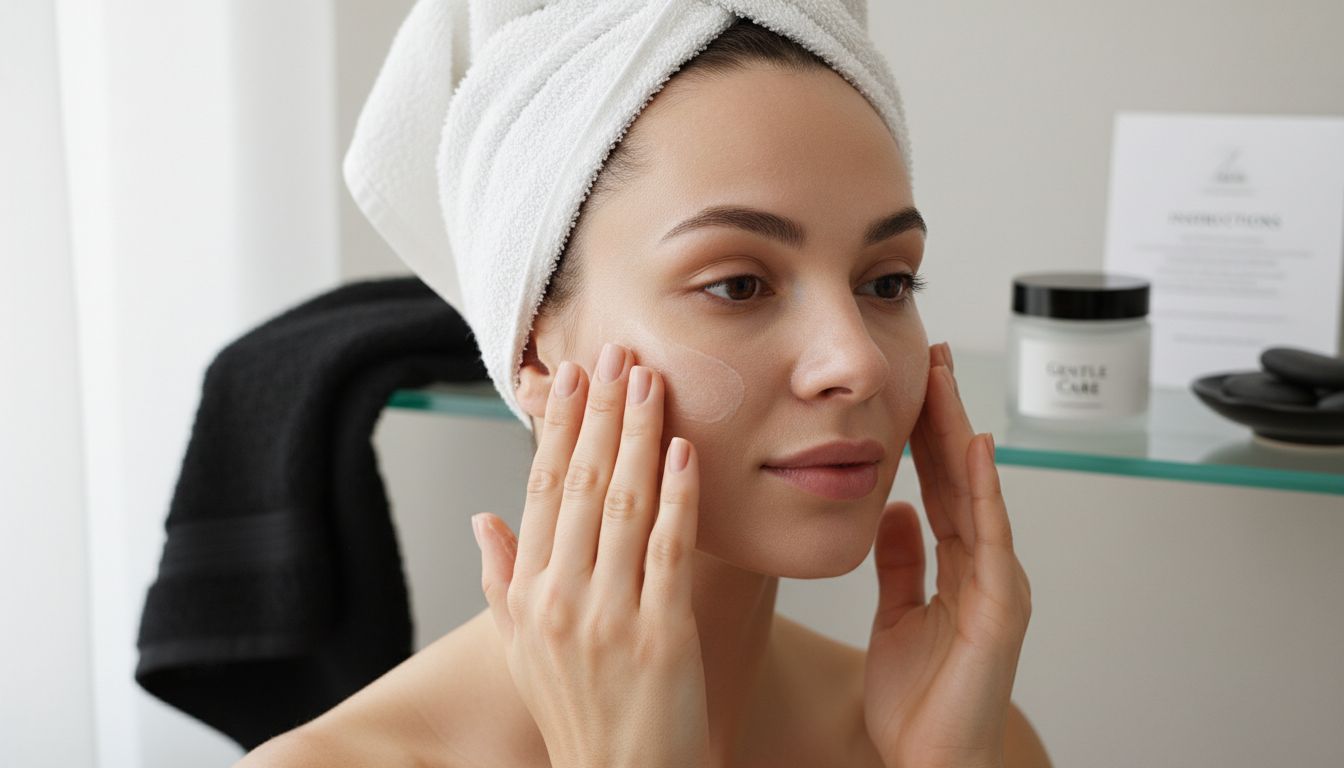
Research emphasizes the importance of being attentive to your skin’s unique response. Skin sensitivity varies widely between individuals, so what works for one person might not work for another. After completing the massage, pause and observe your skin. It should feel smooth and refreshed without any lingering redness or inflammation. If your skin appears calm and healthy, you have successfully completed the exfoliation process.
Step 4: Rinse Thoroughly and Pat Skin Dry
The final cleansing stage of your exfoliation routine is crucial for removing all product residue and preparing your skin for the next steps in your skincare regimen. This process helps ensure that no exfoliant remains on your skin that could potentially cause irritation or clog your pores.
Skin cleansing techniques recommend using lukewarm water to rinse away the exfoliant completely. Splash your face multiple times, using gentle circular motions with your hands to ensure thorough removal. Use soft patting motions with a clean towel to dry your skin instead of rubbing which can cause unnecessary friction and potential skin damage. Your towel should be soft and freshly laundered to prevent introducing bacteria back onto your newly exfoliated skin.
After drying, your skin will feel remarkably smooth and refreshed. Double cleansing methods suggest that following up with a lightweight moisturizer can help lock in hydration and protect the newly revealed skin surface. The goal is to maintain the delicate balance of your skin after exfoliation ensuring it remains calm, hydrated and radiant.
Step 5: Moisturize and Check Skin for Results
The final stage of your exfoliation journey is crucial for maintaining skin health and evaluating the effectiveness of your skincare routine. This step helps your skin recover and locks in the benefits of the exfoliation process.
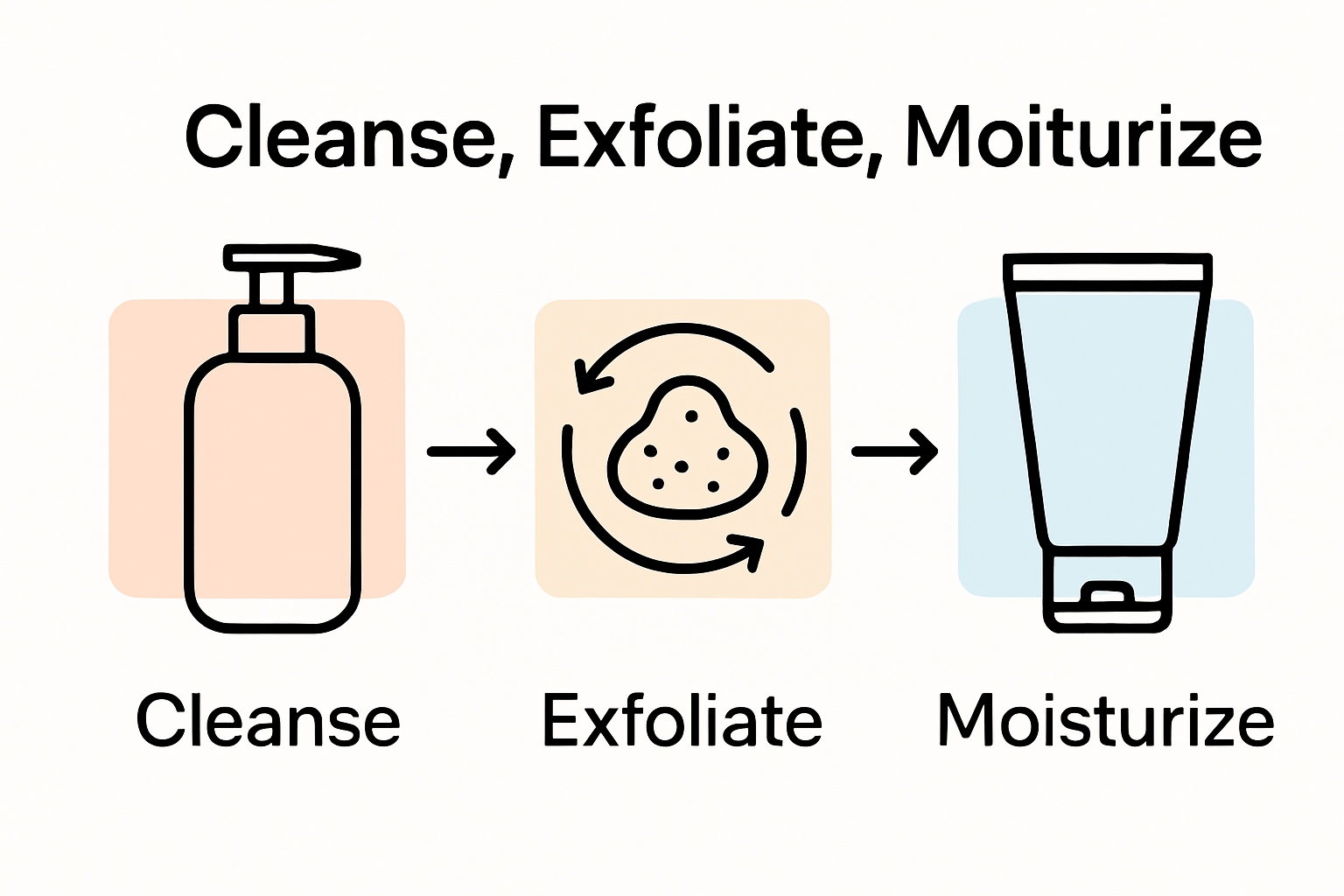
Daily skincare routines emphasize the importance of immediate moisturization after exfoliation. Choose a lightweight hydrating moisturizer that suits your skin type and gently apply it using upward circular motions. Your skin will be more receptive to moisture at this point, allowing the product to penetrate deeply and restore the skin’s protective barrier.
Carefully examine your skin in natural light for any signs of reaction. Mature skincare approaches recommend looking for even skin tone, reduced texture, and a healthy glow. Any persistent redness, irritation, or unusual sensitivity should be noted. If you experience prolonged discomfort, consult a dermatologist. Your skin should feel soft, smooth, and refreshed with a natural radiance that reflects the successful completion of your exfoliation routine.
Achieve Flawless Skin with the Perfect Exfoliation Routine
Exfoliation is the first step towards revealing soft and radiant skin but choosing the right products can feel overwhelming. If you want to gently remove dead skin cells and avoid irritation while restoring your skin’s natural glow then the right cleanser, serum, and moisturizer are key. Many struggle with sensitive skin reactions or uneven texture after exfoliating. This guide complements your journey by offering professional solutions that respect your skin’s delicate balance.
Discover specially formulated Facial Cleansers designed to prepare and refresh your skin before exfoliation. Pair them with nourishing Facial Serums to hydrate and soothe after each treatment. Our selection from trusted brands like RoundLab focuses on gentle, effective care that lets you enjoy a radiant complexion without harsh side effects.

Upgrade your skincare routine today at Skin-Styles.com to experience the benefits of smooth, glowing skin. Take control of your exfoliation results with carefully chosen products that match your skin type. Browse now and find your perfect regimen that transforms exfoliation from a challenge into confidence.
Frequently Asked Questions
What should I do to prepare my skin before exfoliating?
Start by evaluating your skin type and choosing the appropriate exfoliation method, such as a physical scrub or a chemical exfoliant. Gather your supplies, including a gentle scrub, a soft washcloth, and a moisturizer, to ensure a safe and effective process.
How can I apply an exfoliant correctly for the best results?
Apply the exfoliant after dampening your skin with lukewarm water. Use gentle circular motions with light pressure for physical scrubs, and always follow the specific instructions for chemical exfoliants to prevent skin irritation.
What signs should I look for to know if my skin is reacting poorly during exfoliation?
Monitor your skin for redness, tingling, or discomfort while exfoliating. If you notice persistent irritation, stop the exfoliation process immediately, as this indicates your skin may need a gentler approach or a different product.
How should I rinse my skin after exfoliating, and why is this important?
Rinse your skin thoroughly using lukewarm water to remove all exfoliant residues. Splash your face multiple times and gently pat your skin dry with a clean towel to avoid irritation and prepare your skin for nourishing products.
Why is moisturizing after exfoliation necessary, and when should I do it?
Moisturizing immediately after exfoliating helps lock in hydration and restore your skin’s protective barrier. Apply a lightweight moisturizer using upward circular motions to maximize absorption and maintain your skin’s smooth and radiant appearance.
How can I assess the results of my exfoliation routine?
Examine your skin in natural light for even tone, reduced texture, and a healthy glow after exfoliation. If your skin feels soft and looks refreshed without redness or irritation, your exfoliation process has been successful.