

Seeking smoother, younger-looking skin often leads to confusion with so many treatments promising dramatic results. Dermaplaning offers a gentle approach by using a sterile blade to remove dead skin cells and fine facial hair, instantly revealing a fresher complexion. Experts agree that dermaplaning can enhance product absorption and create a radiant finish without making hair grow back thicker or darker. Explore why this treatment has become a trusted choice and uncover the facts behind common dermaplaning myths.
Table of Contents
- Dermaplaning Explained And Common Misconceptions
- Major Benefits And How It Works
- Who Should And Should Not Try Dermaplaning
- Risks, Side Effects, And Aftercare Tips
- Comparing Dermaplaning To Other Methods
Key Takeaways
| Point | Details |
|---|---|
| Dermaplaning Effectiveness | Dermaplaning safely exfoliates dead skin and fine hair, leading to improved skin texture and enhanced product absorption. |
| Ideal Candidates | Best suited for individuals with normal to dry skin and minimal sensitivities, while those with active acne or significant skin conditions should avoid it. |
| Risks and Aftercare | Potential side effects include redness and irritation; proper aftercare is essential for recovery, including moisturizing and sun protection. |
| Comparison to Other Methods | Dermaplaning offers a gentler alternative to chemical peels and microdermabrasion, providing immediate results with less risk for sensitive skin types. |
Dermaplaning Explained and Common Misconceptions
Dermaplaning is a sophisticated skincare technique designed to gently remove dead skin cells and fine facial hair using a specialized surgical scalpel. Unlike more aggressive exfoliation methods, this process creates an ultra-smooth skin surface by carefully scraping away the top layer of dead skin and peach fuzz. Cosmetic experts confirm that when performed correctly, dermaplaning can dramatically improve skin texture and appearance.
The procedure involves using a sterile, single-blade tool held at a precise 45-degree angle to delicately sweep across facial skin. Trained professionals typically perform dermaplaning in clinical settings, though some at-home tools have emerged for consumers. Key benefits include immediate skin smoothing, enhanced product absorption, and a more radiant complexion. Contrary to popular belief, the treatment does not cause hair to grow back thicker or darker - this is a persistent myth professional sources consistently debunk.
However, dermaplaning isn’t suitable for everyone. Individuals with active acne, extremely sensitive skin, rosacea, or open wounds should avoid the procedure. Potential risks include minor skin irritation, temporary redness, or rare instances of superficial cuts if performed improperly. Professional dermaplaning requires precise technique, clean tools, and understanding of individual skin conditions. Patients with darker skin tones or those prone to hyperpigmentation should consult a dermatologist before treatment.
Pro Tip: Always choose a licensed skincare professional with demonstrated experience in dermaplaning to minimize potential risks and maximize treatment effectiveness.
Major Benefits and How It Works
Dermaplaning offers a sophisticated approach to skin exfoliation that provides multiple transformative benefits for individuals seeking a refined, radiant complexion. Professional skincare experts highlight that this technique goes beyond traditional exfoliation methods by simultaneously removing dead skin cells and fine facial hair, creating an immediately smoother skin texture.
The primary mechanisms of dermaplaning involve using a sterile surgical scalpel held at a precise 45-degree angle to gently scrape the skin’s surface. This process accomplishes several critical skincare objectives: complete surface exfoliation, removal of vellus hair (peach fuzz), and preparation of skin for enhanced product absorption. By creating a pristine skin canvas, dermaplaning enables makeup to apply more evenly and skincare products to penetrate more effectively. Dermatological research confirms that regular treatments can result in a more luminous, refined skin appearance.
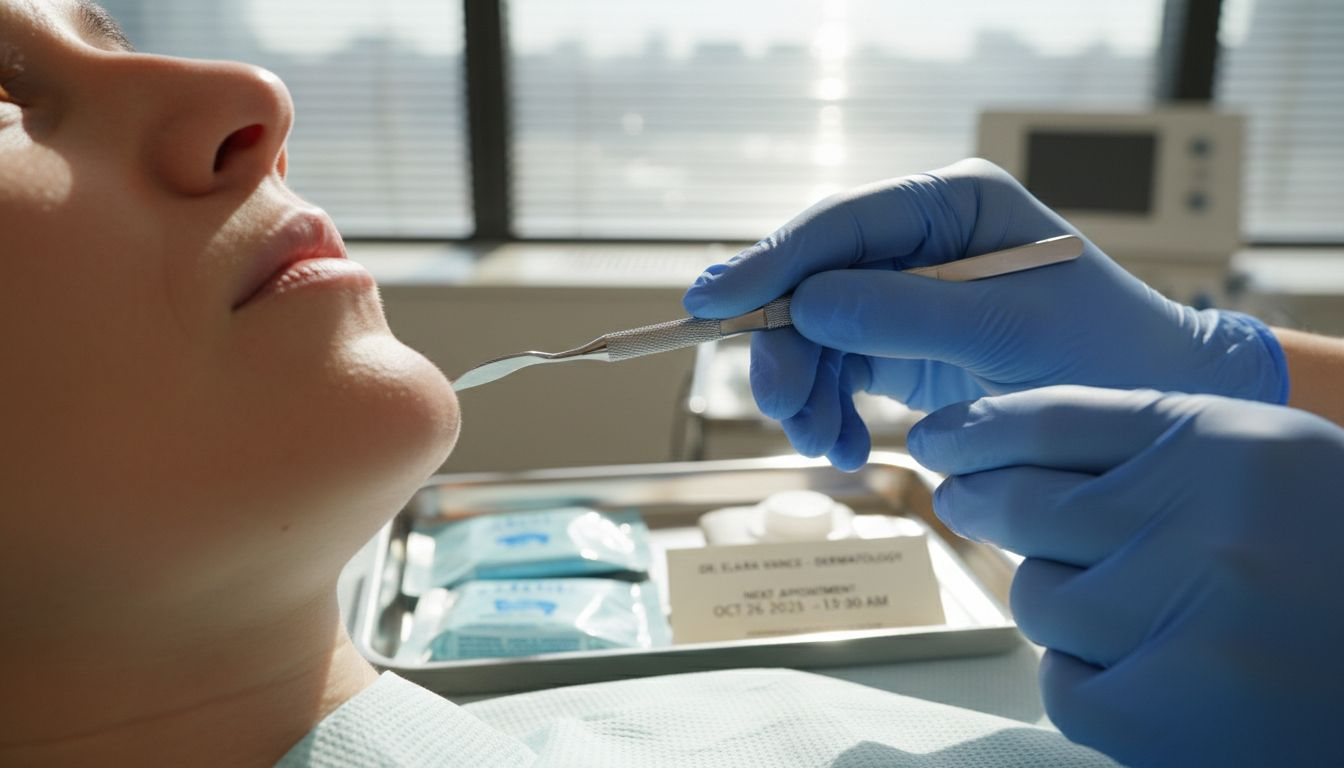
Unlike more aggressive treatments, dermaplaning provides a gentle yet effective approach to skin rejuvenation. The technique is particularly beneficial for those seeking to address uneven skin texture, minimize the appearance of fine lines, and achieve a natural, healthy glow. Important benefits include improved skin smoothness, enhanced makeup application, reduced visibility of surface-level imperfections, and increased cellular turnover. However, individuals with active acne, extremely sensitive skin, or certain skin conditions should consult a professional before pursuing this treatment.
Pro Tip: Schedule dermaplaning treatments every four to six weeks to maintain optimal skin smoothness and prevent the buildup of dead skin cells.
Who Should and Should Not Try Dermaplaning
Dermaplaning is a nuanced skincare treatment that requires careful consideration of individual skin conditions and characteristics. While many individuals can benefit from this exfoliation technique, certain skin types and conditions make the procedure either optimal or potentially risky. Exfoliation techniques vary widely, and dermaplaning is no exception to careful selection criteria.
Individuals with the following characteristics are typically ideal candidates for dermaplaning: those with normal to dry skin, minimal acne, no active breakouts, and no severe skin sensitivities. Recommended candidates include people seeking to improve skin texture, reduce fine facial hair, enhance makeup application, and achieve a more radiant complexion. Those with mature skin, uneven skin tone, or mild surface-level imperfections often experience the most significant benefits from this treatment.
Conversely, certain skin conditions and characteristics make dermaplaning inappropriate or potentially harmful. Individuals with active acne, open wounds, severe skin sensitivity, rosacea, eczema, or highly reactive skin should avoid the procedure. People with extremely oily skin, frequent breakouts, or keloid scarring may also not be suitable candidates. Additionally, those taking certain medications that increase skin sensitivity - such as retinoids or aggressive acne treatments - should consult a dermatologist before considering dermaplaning.
Here’s a summary of who benefits from dermaplaning and who should avoid it:
| Candidate Type | Characteristics | Dermaplaning Suitability |
|---|---|---|
| Normal to dry skin | Little to no acne, balanced sensitivity | Excellent candidates |
| Mature or uneven skin | Mild imperfections, texture concerns | Significant visible improvement |
| Active acne or open wounds | Ongoing breakouts or healing injuries | Not recommended |
| Severe skin sensitivity/rosacea | Highly reactive or inflamed skin | Increased risk of irritation |
| Those on skin-sensitizing meds | Using retinoids/acne medication | Must consult dermatologist |
Pro Tip: Always schedule a professional consultation to assess your unique skin condition and determine whether dermaplaning is the right treatment for your specific skincare needs.
Risks, Side Effects, and Aftercare Tips
Dermaplaning, while generally safe when performed correctly, involves potential risks that require careful understanding and proactive management. Dermatologist insights reveal that the primary risks stem from improper technique, inadequate skin preparation, and individual skin sensitivity. The procedure’s invasive nature means precision and expertise are paramount to preventing complications.
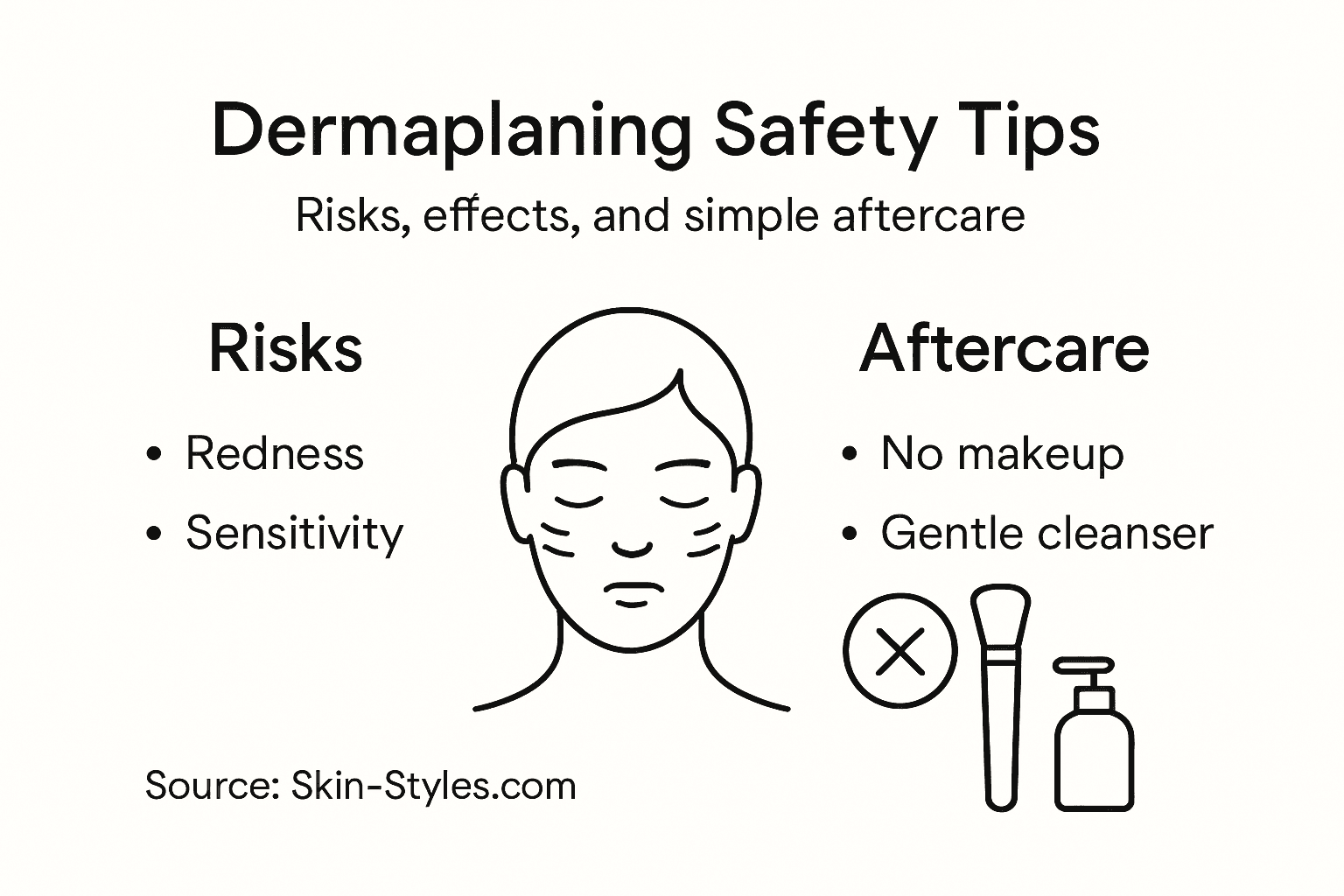
Common side effects include temporary redness, mild skin sensitivity, and potential microscopic cuts if the blade is not handled with extreme care. Potential risks range from superficial skin irritation to more serious complications like infection, hyperpigmentation, or scarring. Individuals with sensitive skin, active acne, or underlying skin conditions are particularly vulnerable to adverse reactions. Factors such as skin type, existing skin conditions, and the skill of the practitioner significantly influence the likelihood and severity of potential side effects.
Proper aftercare is crucial in minimizing risks and supporting optimal skin recovery. Immediately following dermaplaning, the skin becomes more vulnerable to environmental damage and sensitivity. Key aftercare recommendations include applying gentle, hydrating products, avoiding direct sunlight, using broad-spectrum sunscreen with high SPF, and refraining from aggressive skincare treatments for at least a week. Professional treatment guidelines emphasize the importance of using non-irritating, fragrance-free moisturizers and avoiding harsh exfoliants or active ingredients that could further stress the skin.
Pro Tip: Wait at least 24-48 hours after dermaplaning before applying makeup or using products with active ingredients to allow your skin to heal and prevent potential irritation.
Comparing Dermaplaning to Other Methods
Dermaplaning stands distinctly apart from other exfoliation techniques, offering a unique approach to skin renewal that combines precision and gentleness. Exfoliation methods vary significantly, with dermaplaning presenting a manual, non-chemical alternative to traditional skin resurfacing techniques. Unlike more invasive procedures, this method provides a delicate yet effective way to remove dead skin cells and fine facial hair.
Comparative techniques include chemical peels, microdermabrasion, and traditional shaving, each with unique characteristics. Chemical peels utilize acidic solutions to remove skin layers, targeting deeper skin concerns with more intense treatments. Microdermabrasion uses mechanical exfoliation with crystal or diamond-tipped tools to remove skin cells, while traditional shaving merely trims hair without addressing skin texture. Dermatological research demonstrates that dermaplaning offers a more precise, controlled approach, using a single sterile scalpel to simultaneously remove dead skin and fine vellus hair with minimal skin trauma.
Key differences emerge in treatment depth, invasiveness, and immediate results. Chemical peels can penetrate deeper skin layers, potentially addressing more significant skin concerns like hyperpigmentation or advanced signs of aging. Microdermabrasion provides more aggressive exfoliation compared to dermaplaning. However, dermaplaning excels in creating an immediately smooth skin surface, enhancing makeup application, and improving product absorption with less risk of irritation. The technique’s gentle nature makes it suitable for individuals with sensitive skin who cannot tolerate more aggressive exfoliation methods.
This table highlights key differences between popular exfoliation methods:
| Method | Main Action | Intensity | Best For |
|---|---|---|---|
| Dermaplaning | Manual scraping, removes fuzz and dead cells | Gentle | Sensitive or dry skin |
| Chemical Peel | Dissolves skin layers with acids | Moderate-High | Hyperpigmentation, aging signs |
| Microdermabrasion | Abrasion with crystals/diamond tip | Moderate | Texture, minor scarring |
| Shaving | Cuts visible hair, no exfoliation | Very Gentle | Quick hair removal |
Pro Tip: Consult a skincare professional to determine the most appropriate exfoliation method for your specific skin type and concerns.
Unlock the Secret to Smooth Radiant Skin Today
If you are inspired by the benefits of dermaplaning and want to maintain that ultra-smooth skin texture while enhancing product absorption and glow, finding the right skincare solutions is essential. The article highlights the importance of gentle exfoliation, careful aftercare, and skin nourishment to prevent irritation and maximize results. Whether your goal is to soothe sensitive skin, boost hydration, or prepare your skin for flawless makeup application, addressing these challenges with quality products makes all the difference.

Explore our specially curated skincare range at Skin-Styles.com designed to complement dermaplaning routines. Discover moisturizers, gentle cleansers, and protective sunscreens that pamper your skin post-treatment while addressing dryness and sensitivity. Don’t wait for irritation or dullness to appear—act now to keep your skin radiant and healthy. Visit Skin-Styles.com and take the first step towards glowing skin by choosing products crafted with your dermaplaning needs in mind.
Frequently Asked Questions
What is dermaplaning?
Dermaplaning is a skincare technique that involves using a specialized surgical scalpel to gently remove dead skin cells and fine facial hair from the face, resulting in a smoother skin surface.
Who is an ideal candidate for dermaplaning?
Individuals with normal to dry skin, minimal acne, and no severe skin sensitivities are typically ideal candidates for dermaplaning, as they can experience improved skin texture and a more radiant complexion.
Are there any risks associated with dermaplaning?
Yes, potential risks include temporary redness, mild skin sensitivity, and, if not done properly, superficial cuts. Individuals with active acne or sensitive skin should avoid the procedure, as they may be more susceptible to irritation.
How often should dermaplaning treatments be done?
It is recommended to schedule dermaplaning treatments every four to six weeks to maintain optimal skin smoothness and prevent the buildup of dead skin cells.