

Struggling with dry, tight skin despite trying countless products can leave you feeling frustrated and ready for a change. A thoughtfully designed cleansing routine is your first step toward a softer, radiant complexion. By focusing on gentle techniques and choosing the right products for your skin type, you lay the groundwork for lasting hydration and improved skin health. This guide will walk you through every step so your beauty routine delivers real results you can see and feel.
Table of Contents
- Step 1: Cleanse Face For A Fresh Start
- Step 2: Pat Skin Dry Gently
- Step 3: Apply Moisturizer Evenly
- Step 4: Massage Product For Better Absorption
- Step 5: Check Skin For Lasting Hydration
Quick Summary
| Essential Insight | Detailed Explanation |
|---|---|
| 1. Use Lukewarm Water for Cleansing | Lukewarm water opens pores, enhancing the effectiveness of your cleanser for optimal dirt and oil removal. |
| 2. Gently Pat Skin Dry | Patting instead of rubbing preserves your skin’s moisture barrier and prevents irritation, crucial for maintaining healthy skin. |
| 3. Apply Moisturizer with Care | Use a pea-sized amount and gentle motions to ensure even distribution, maximizing hydration and absorption. |
| 4. Incorporate Facial Massage | Gentle massage techniques increase blood circulation and enhance the absorption of skincare products for better results. |
| 5. Regularly Check Skin Hydration | Monitor skin condition post-moisturizing; smooth, plump skin indicates proper hydration and helps adjust your routine as needed. |
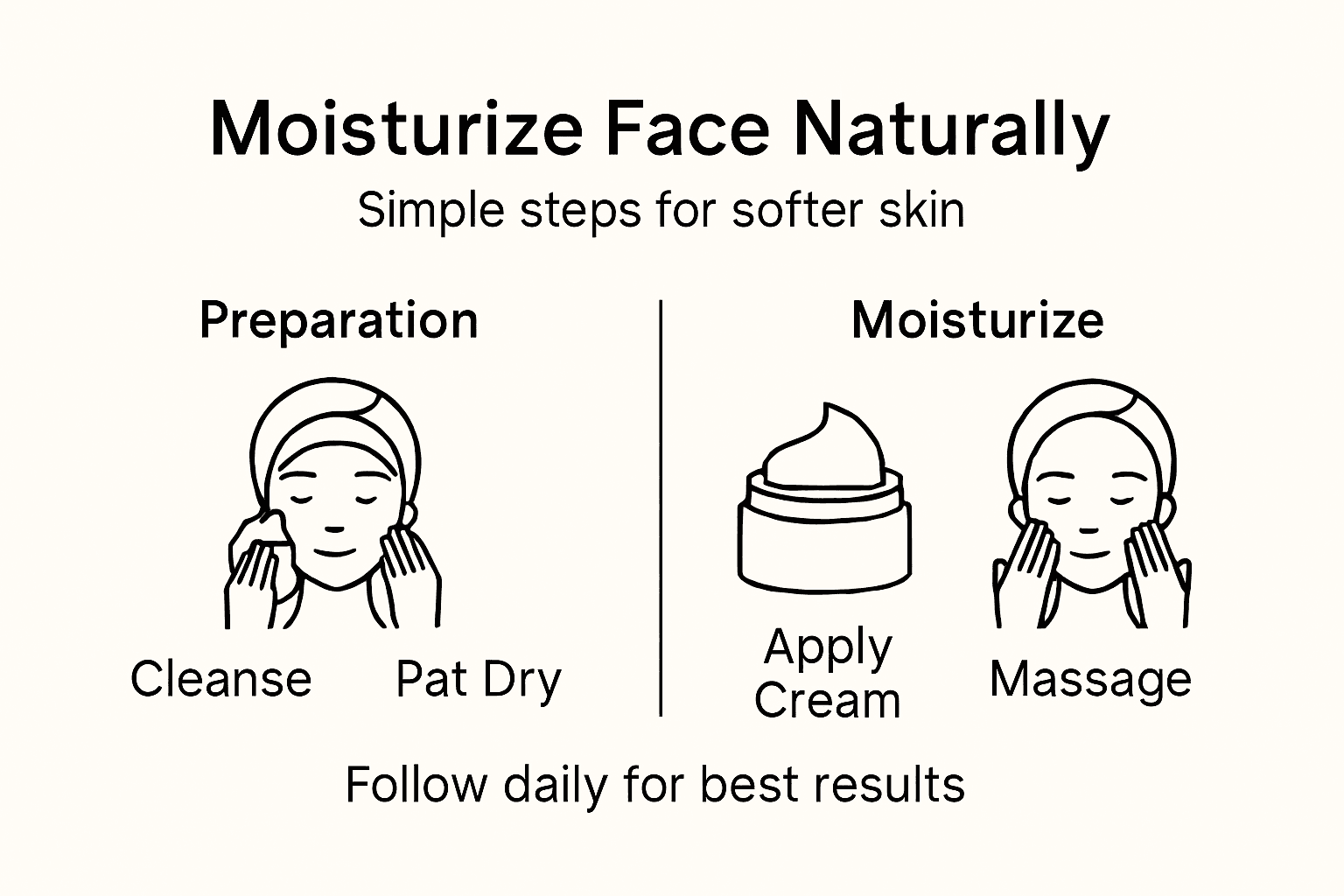
Step 1: Cleanse Face for a Fresh Start
A clean face is the foundation for healthy, radiant skin. By removing dirt, excess oil, and impurities, you create the perfect canvas for moisturizing and skincare. Proper cleansing techniques help maintain your skin’s natural balance and prepare it for optimal hydration.
To begin your facial cleansing routine, gather your supplies and select a gentle cleanser appropriate for your skin type. Follow these essential steps:
- Use lukewarm water to open pores
- Apply cleanser using gentle, circular motions
- Avoid harsh scrubbing that can damage skin
- Rinse thoroughly with lukewarm water
- Pat skin dry with a clean, soft towel
Pay special attention to your skin’s unique needs. Some individuals require different cleansing approaches based on whether they have oily, dry, combination, or sensitive skin. Choose a natural cleanser that matches your specific skin characteristics and avoid products with harsh chemicals that might strip away essential moisture.
Here’s a helpful comparison of recommended cleansers for different skin types:
| Skin Type | Ideal Cleanser Type | Main Benefit |
|---|---|---|
| Oily | Gel or foaming | Removes excess oil without stripping |
| Dry | Cream or milk | Preserves moisture and soothes skin |
| Sensitive | Fragrance-free, gentle | Reduces irritation and calms redness |
| Combination | Balancing formula | Targets oily zones, hydrates dry areas |
The key to effective cleansing is finding a balanced approach that removes impurities without compromising your skin’s natural protective barrier.
Pro tip: Keep separate clean towels for your face to prevent bacteria transfer and potential skin irritation.
Step 2: Pat Skin Dry Gently
After cleansing, the way you dry your face is just as important as the cleansing process itself. Dermatologist-recommended drying techniques help protect your skin’s delicate moisture barrier and prevent unnecessary irritation.
When drying your face, follow these gentle steps:
- Use a soft, clean towel
- Pat skin instead of rubbing
- Use light, dabbing motions
- Move from the center of your face outward
- Avoid applying excessive pressure
The goal is to remove excess water while keeping your skin’s natural moisture intact. Harsh rubbing can cause microscopic tears in your skin, leading to inflammation and potential long-term damage. For those with sensitive or dry skin, extra gentleness is crucial.
Gentle patting preserves your skin’s protective barrier and helps retain essential hydration.
Pro tip: Keep a separate, soft microfiber towel exclusively for your face to minimize bacteria transfer and maintain optimal skin hygiene.
Step 3: Apply Moisturizer Evenly
Applying moisturizer is more than just slathering product onto your face. The technique matters as much as the product itself, especially when you want to maximize skincare effectiveness.
Make moisturizer application a deliberate, mindful process with these key steps:
- Use clean hands before application
- Take a pea-sized amount of moisturizer
- Warm the product between your fingertips
- Apply using gentle upward and outward motions
- Focus on areas prone to dryness
- Avoid pulling or dragging skin
Even distribution is crucial for ensuring your entire face receives hydration. Start from the center of your face and work outwards, using light pressing and sweeping motions. This approach helps the product absorb more effectively and prevents unnecessary skin stress.
Consistent, gentle application helps your skin absorb moisture more efficiently and supports its natural healing processes.
Pro tip: Apply moisturizer to slightly damp skin to lock in extra hydration and improve product absorption.
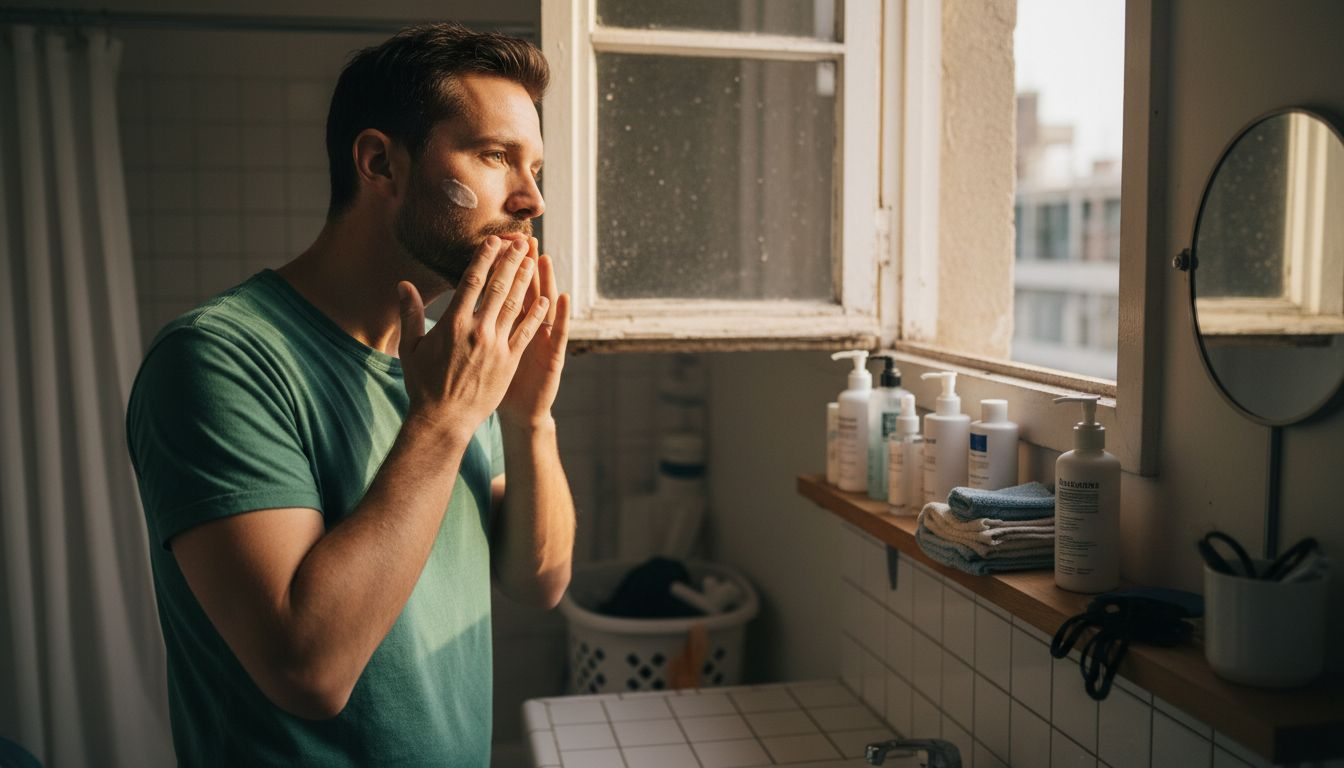
Step 4: Massage Product for Better Absorption
Massaging your moisturizer isn’t just a luxury—it’s a scientifically proven technique to enhance skincare effectiveness. Facial massage techniques can transform your routine from a simple application to a targeted treatment.
Learn the art of facial massage with these expert techniques:
- Use light, upward strokes
- Apply gentle pressure
- Move from the center of your face outward
- Use fingertips, not nails
- Repeat each motion 3-5 times
- Focus on tension areas like jawline and forehead
The key is to create gentle friction that stimulates blood circulation without stretching or pulling your skin. Different areas require different touch: cheeks need soft, sweeping motions, while the delicate under-eye area requires extra gentleness. Your goal is to help the product penetrate deeper while giving yourself a mini relaxation session.
Consistent, mindful massage helps your skincare products work more effectively by improving circulation and product absorption.
Pro tip: Warm your hands before massaging to prevent shock to your skin and enhance the absorption of your moisturizer.
Step 5: Check Skin for Lasting Hydration
Understanding your skin’s hydration levels goes beyond simple observation. Advanced skin hydration assessment provides critical insights into your skincare routine’s effectiveness.
Evaluate your skin’s moisture levels using these techniques:
- Check skin texture after moisturizing
- Look for smooth, plump appearance
- Gently pinch skin to test elasticity
- Observe how quickly skin rebounds
- Note any dry or flaky patches
- Monitor skin throughout the day
Look for key signs of proper hydration: skin that feels soft to the touch, maintains its elasticity, and doesn’t show immediate signs of dryness or tightness. Pay special attention to areas prone to dehydration, such as around the eyes, cheeks, and forehead. Your skin should feel comfortable and look radiant, not tight or dull.
Below is a summary of visible signs of well-hydrated skin versus dehydrated skin:
| Skin Condition | Hydrated Appearance | Dehydrated Appearance |
|---|---|---|
| Texture | Smooth and even | Rough or flaky |
| Elasticity | Springs back easily | Feels tight or stiff |
| Radiance | Healthy glow | Dull or lackluster |
| Comfort | Feels soft | Feels itchy or tight |
Consistent hydration assessment helps you fine-tune your skincare routine for optimal skin health.
Pro tip: Take a close-up photo of your skin in natural light each week to track hydration progress and identify any changes in skin texture.
Unlock Your Softest Skin with Natural Moisturizing Solutions
Struggling to keep your skin hydrated and soft despite your best efforts The key lies in the perfect balance of gentle cleansing and effective moisturizing techniques as detailed in this guide. Whether dealing with dryness, sensitivity, or uneven hydration your skincare routine needs products that protect the moisture barrier and enhance absorption for lasting softness.
Facial Cleansers – Skin Styles offer gentle options to start fresh while preserving your skin’s natural balance. Complement your routine with nourishing options from our Facial Creams & Gels – Skin Styles collection designed to lock in hydration and soothe dry areas. For an extra boost, explore our Facial Serums – Skin Styles to help deliver deep nourishment and support skin elasticity.

Experience the transformation that mindful moisturizing provides by choosing skincare products crafted for your unique needs Visit Skin-Styles.com today and discover personalized solutions that turn everyday routines into skin-loving rituals. Don’t wait to restore your skin’s natural softness start now with targeted products that make every application count.
Frequently Asked Questions
How do I cleanse my face properly before moisturizing?
To cleanse your face properly, use lukewarm water to open your pores, then apply a gentle cleanser in circular motions. Rinse thoroughly and pat your skin dry with a clean towel to prepare it for moisturizing.
What type of moisturizer should I use for soft skin?
Choose a natural moisturizer that suits your skin type—cream for dry skin, gel for oily skin, or something balancing for combination skin. Apply a pea-sized amount evenly across your face to ensure proper hydration.
How can I assess my skin’s hydration levels?
To assess your skin’s hydration, check its texture and elasticity after moisturizing. Skin that feels soft and smooth, with good bounce back when pinched, indicates proper hydration.
What technique should I use to apply moisturizer for optimal absorption?
Apply moisturizer using clean hands and warm the product between your fingertips before gently pressing it into your skin. Use light upward and outward strokes to ensure even distribution and better absorption.
How often should I moisturize my face for best results?
For best results, moisturize your face at least twice a day—once in the morning and once at night. Consistent application helps maintain hydration levels and keeps your skin soft.
Why is massaging my moisturizer important?
Massaging your moisturizer into your skin promotes better absorption and improves blood circulation, leading to healthier skin. Use light, upward strokes, focusing on areas that need extra attention.