

Removing makeup at the end of the day seems simple, but many people struggle with techniques that truly protect their skin. Inadequate removal can lead to clogged pores, breakouts, and premature aging. This comprehensive guide walks you through proven methods to cleanse your face effectively while maintaining your skin’s natural health. You’ll learn proper preparation, step-by-step techniques, common mistakes to avoid, and how to complete your routine with moisturizing care that keeps your complexion glowing.
Table of Contents
- Key takeaways
- Preparing for effective makeup removal
- Step-by-step makeup removal techniques
- Common mistakes and troubleshooting
- Completing your routine: moisturizing and caring for your skin
- Enhance your skincare routine with our product selections
- Frequently asked questions
Key Takeaways
| Point | Details |
|---|---|
| Double cleansing method | The routine uses an oil or balm to dissolve makeup followed by a gentle cleanser to remove residue while protecting the skin barrier. |
| Gentle cleansers protect skin | Choose fragrance free and hypoallergenic options to minimize irritation for sensitive skin. |
| Patch test first | Test new makeup removal products on the inner wrist or behind the ear for 24 hours before using on the face. |
| Water temperature matters | Use lukewarm water throughout to open pores gently and avoid stripping natural oils. |
| Rinse and moisturize | Rinse thoroughly after cleansing and finish with a moisturizer to support the skin barrier. |
Preparing for effective makeup removal
Before you begin removing makeup, gathering the right tools and understanding your skin type sets you up for success. The products you choose directly impact how well your skin responds to cleansing.
Essential tools for makeup removal include:
- Cleansing oil or balm for dissolving makeup
- Micellar water for gentle surface cleansing
- Soft cotton pads or reusable cloths
- Mild facial cleanser suited to your skin type
- Clean towels for patting dry
Your skin type determines which products work best. Oily skin benefits from lightweight gel cleansers that remove excess sebum without over-drying. Dry skin needs cream-based or oil-infused formulas that cleanse while adding moisture. Combination skin responds well to balanced cleansers that address both oily and dry zones. Sensitive skin requires fragrance-free, hypoallergenic options to minimize irritation risk.
Using gentle cleansers suited to skin type ensures effective makeup removal without compromising your skin’s protective barrier. Harsh ingredients strip away natural oils your skin needs to stay healthy.
| Product type | Best for skin type | Key benefit |
|---|---|---|
| Micellar water | All types, especially sensitive | Gentle removal without rinsing |
| Cleansing oil | Dry, normal | Deep cleansing while adding moisture |
| Gel cleanser | Oily, combination | Controls oil without over-drying |
| Cream cleanser | Dry, mature | Nourishes while removing makeup |
| Cleansing balm | All types | Melts away stubborn makeup gently |
Pro Tip: Always patch test new makeup removal products on your inner wrist or behind your ear 24 hours before using them on your face. This simple step helps identify potential allergic reactions or sensitivities before they affect your entire complexion.
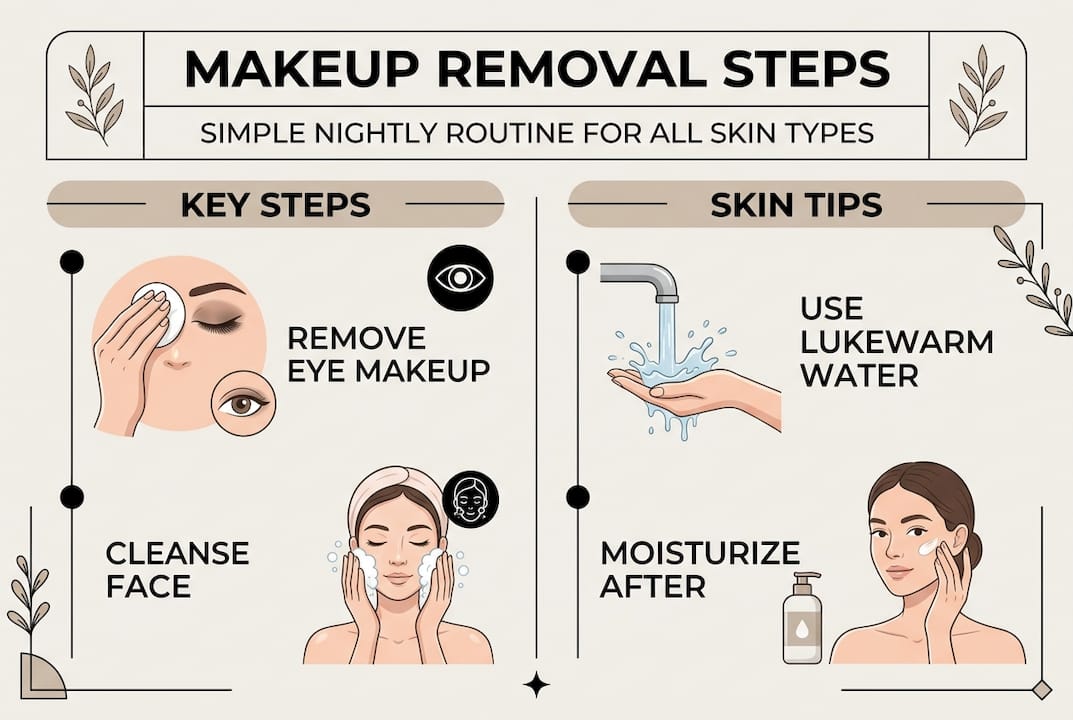
Temperature matters during makeup removal. Lukewarm water opens pores gently for effective cleansing, while hot water strips protective oils and causes redness. Cold water can shock skin and doesn’t dissolve makeup effectively. Keep water comfortably warm throughout your routine.
Step-by-step makeup removal techniques
Following a systematic approach ensures you remove every trace of makeup without damaging your skin. The double cleansing method thoroughly removes makeup while protecting your skin’s natural defenses.
-
Apply cleansing oil or makeup remover to dry skin. Pour a quarter-sized amount into your palm and warm it between your hands. Gently massage onto your face using circular motions, focusing on areas with heavy makeup like eyes and lips. The oil binds to makeup molecules, breaking them down for easy removal. Spend 60 seconds on this step to ensure thorough dissolution.
-
Add a small amount of lukewarm water to emulsify the oil. The mixture turns milky white as water activates the cleansing properties. Continue massaging for another 30 seconds as the emulsified oil lifts away dissolved makeup and impurities. This transformation signals that makeup is ready to rinse away.
-
Rinse your face completely with lukewarm water. Cup your hands under running water and splash your face 10 to 15 times. Make sure no oily residue remains, especially around your hairline, jawline, and neck. These areas often get missed but accumulate significant makeup buildup.
-
Follow with a mild facial cleanser as your second cleanse. Apply a dime-sized amount to damp skin and work into a gentle lather. This step removes any remaining traces of oil and makeup while cleansing your pores. Focus on your T-zone where oil production is highest.
-
Rinse thoroughly again with lukewarm water. Ensure all cleanser is removed, as leftover product can clog pores and cause breakouts. Pay extra attention to the sides of your nose and around your mouth where cleanser tends to linger.
-
Pat your face dry with a clean, soft towel. Press the towel gently against your skin rather than rubbing. Rubbing creates friction that irritates skin and can cause premature wrinkles over time. Your face should feel clean but not tight or stripped.
Pro Tip: Use gentle upward and outward motions when massaging cleansers into your skin. This technique supports your skin’s natural structure and prevents sagging. Never pull or tug downward, especially around delicate eye areas where skin is thinnest.
For waterproof makeup, spend extra time on the first cleanse. Oil-based removers work best because they break down waterproof formulas that water-based products can’t penetrate. Let the oil sit on stubborn mascara or eyeliner for 20 seconds before massaging to give it time to dissolve the product.
Common mistakes and troubleshooting
Even with good intentions, certain habits undermine your makeup removal efforts and damage your skin over time. Recognizing these errors helps you adjust your routine for better results.
Frequent makeup removal mistakes include:
- Using harsh, alcohol-based products that strip skin
- Skipping makeup removal when tired or rushed
- Overwashing your face more than twice daily
- Rubbing or scrubbing aggressively to remove stubborn makeup
- Using dirty towels or makeup removal tools
- Forgetting to remove makeup from your neck and hairline
- Not replacing products after their expiration dates
These mistakes create a cascade of skin problems. Harsh products destroy your skin’s protective acid mantle, leading to dryness, sensitivity, and increased vulnerability to environmental damage. Skipping removal allows makeup, oil, and pollution to clog pores overnight, causing breakouts and dull complexion. Overwashing triggers your skin to produce excess oil as compensation, creating a cycle of oiliness and irritation.
Harsh scrubbing or skipping steps causes skin irritation and compromises your skin barrier. This damage manifests as redness, flaking, increased sensitivity, and accelerated aging.
Warning: Aggressive scrubbing damages your skin’s protective barrier and breaks delicate capillaries near the surface. This leads to persistent redness, sensitivity, and visible blood vessels that become permanent over time. Always use gentle pressure and let your products do the work.
Troubleshooting common issues:
- If your skin feels tight after cleansing, switch to a more hydrating formula and reduce cleansing time
- For persistent breakouts despite regular removal, examine your tools and replace old sponges or brushes that harbor bacteria
- When makeup won’t come off easily, don’t scrub harder; instead, let your remover sit longer before wiping
- If you notice increased sensitivity, eliminate products with fragrance, alcohol, or harsh surfactants
- For residual makeup in the morning, you’re not rinsing thoroughly enough at night
Pay attention to how your skin responds. Healthy skin after makeup removal should feel clean, soft, and comfortable without tightness, redness, or irritation. Any discomfort signals you need to adjust your products or technique.
Completing your routine: moisturizing and caring for your skin
Makeup removal is only part of healthy skincare. What you do immediately after cleansing determines how well your skin recovers and maintains its protective barrier overnight.
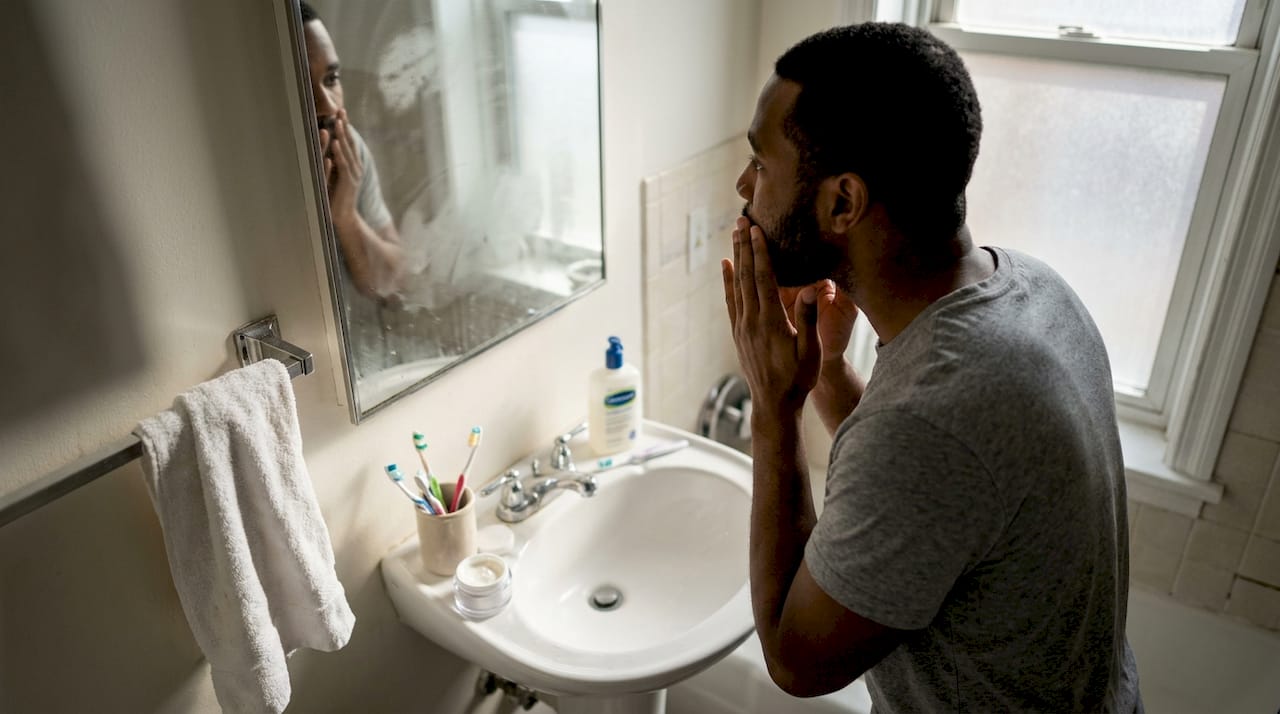
Applying moisturizer after cleansing restores hydration and supports your skin’s natural repair processes. Cleansing removes not just makeup but also some natural oils, making moisturizing essential for balance.
Choose moisturizers based on your skin type. Oily skin needs lightweight, oil-free gel formulas that hydrate without adding shine. Dry skin requires richer creams with ingredients like hyaluronic acid, ceramides, and natural oils. Combination skin benefits from using different products on different zones, applying lighter formulas to your T-zone and richer ones to dry cheeks. Sensitive skin needs fragrance-free, minimal-ingredient formulas that won’t trigger reactions.
Apply moisturizer to slightly damp skin for maximum absorption. This locks in water and helps active ingredients penetrate more effectively. Use gentle upward strokes and don’t forget your neck, which shows aging as quickly as your face.
Nighttime skincare practices that enhance makeup removal results:
- Apply treatments like serums or retinol after cleansing but before moisturizing
- Use a separate eye cream for the delicate skin around your eyes
- Consider overnight masks once or twice weekly for intensive hydration
- Keep your pillowcase clean by changing it every few days
- Run a humidifier in your bedroom to prevent overnight moisture loss
- Avoid touching your face after your routine to prevent transferring bacteria
Your skin repairs itself most actively during sleep, making nighttime the optimal period for treatments. Clean skin absorbs beneficial ingredients better than makeup-covered skin ever could.
For those with specific concerns, layer products correctly. The general rule is thinnest to thickest consistency: toner, serum, treatment, moisturizer, and finally oil or occlusive if needed. This ensures each product absorbs properly without creating a barrier that blocks subsequent layers.
Selecting the right moisturizer for sensitive skin prevents irritation and supports long-term skin health. Look for products labeled non-comedogenic to avoid clogging pores, especially important after thorough makeup removal.
Consistency matters more than perfection. Following this routine nightly, even when you’re tired, creates cumulative benefits that transform your skin over weeks and months. Your complexion becomes clearer, more even-toned, and more resilient to environmental stressors.
Enhance your skincare routine with our product selections
Quality products make the difference between adequate and exceptional makeup removal. The right cleansers work efficiently without stripping your skin, while proper moisturizers restore balance after cleansing.

Our curated facial cleansers collection features gentle formulas designed for thorough makeup removal without irritation. From micellar waters to cleansing balms, you’ll find options suited to every skin type and concern. Pair your cleanser with nourishing facial creams and gels that restore hydration and support your skin barrier after cleansing. For those seeking trusted Korean skincare innovation, explore our Cosrx skincare products known for effective, gentle formulations. These carefully selected products help you maintain healthy, glowing skin through consistent, proper makeup removal and care.
Frequently asked questions
What is the best way to remove waterproof makeup?
Oil-based makeup removers or micellar water specifically formulated for waterproof products work most effectively. Apply the remover to a cotton pad and hold it against closed eyes or lips for 15 to 20 seconds before gently wiping. This gives the product time to break down waterproof formulas without harsh rubbing that damages delicate skin.
How often should I remove makeup?
Remove makeup every single night before sleeping, without exception. Leaving makeup on overnight clogs pores, prevents skin regeneration, and accelerates aging. Even on days when you don’t wear makeup, cleanse your face to remove accumulated oil, pollution, and dead skin cells that build up throughout the day.
Can I use natural oils for makeup removal?
Yes, natural oils like jojoba, sweet almond, or grapeseed oil effectively remove makeup while nourishing skin. Choose oils appropriate for your skin type and ensure they’re cosmetic grade and free from additives. Follow oil cleansing with a water-based cleanser to remove any residue. Understanding gentle cleansers helps you determine which natural options complement your routine best.
What should I do if makeup removal irritates my skin?
Immediately stop using any products that cause burning, stinging, or excessive redness. Switch to fragrance-free, hypoallergenic cleansers designed for sensitive skin and avoid products with alcohol, sulfates, or harsh exfoliants. If irritation persists beyond a few days or worsens, consult a dermatologist to rule out allergic reactions or underlying skin conditions. Our guide on selecting cleansers for sensitive skin provides additional strategies for gentle, effective cleansing.