

Finding the right skincare routine can feel overwhelming when you face breakouts, redness, or stubborn dryness every time you look in the mirror. For health-conscious young adults, understanding your unique skin challenges is the key to making smart choices and seeing real improvements. This guide unpacks skin health indicators and explains how to match specific products and ingredients with your main concern, so you can shop confidently and achieve lasting results.
Table of Contents
- Step 1: Identify Your Specific Skin Concern
- Step 2: Explore Relevant Product Categories
- Step 3: Filter Options Based On Concern And Ingredients
- Step 4: Compare Product Benefits And Reviews
- Step 5: Verify Compatibility With Your Skin Type
- Step 6: Finalize Your Purchase For Effective Skincare
Quick Summary
| Key Point | Explanation |
|---|---|
| 1. Identify Your Skin Concern | Analyze your skin for specific issues like dryness, redness, or acne to tailor your skincare routine effectively. |
| 2. Explore Product Categories | Focus on essential categories like cleansers and moisturizers that directly address your unique skin needs. |
| 3. Filter Products By Ingredients | Pay attention to ingredient lists and filter products based on your particular skin sensitivities and concerns. |
| 4. Compare Benefits and Reviews | Assess product effectiveness through detailed reviews and professional recommendations to make informed choices. |
| 5. Verify Compatibility with Skin Type | Conduct patch tests to ensure newly selected products do not irritate your skin and work harmoniously. |
Step 1: Identify your specific skin concern
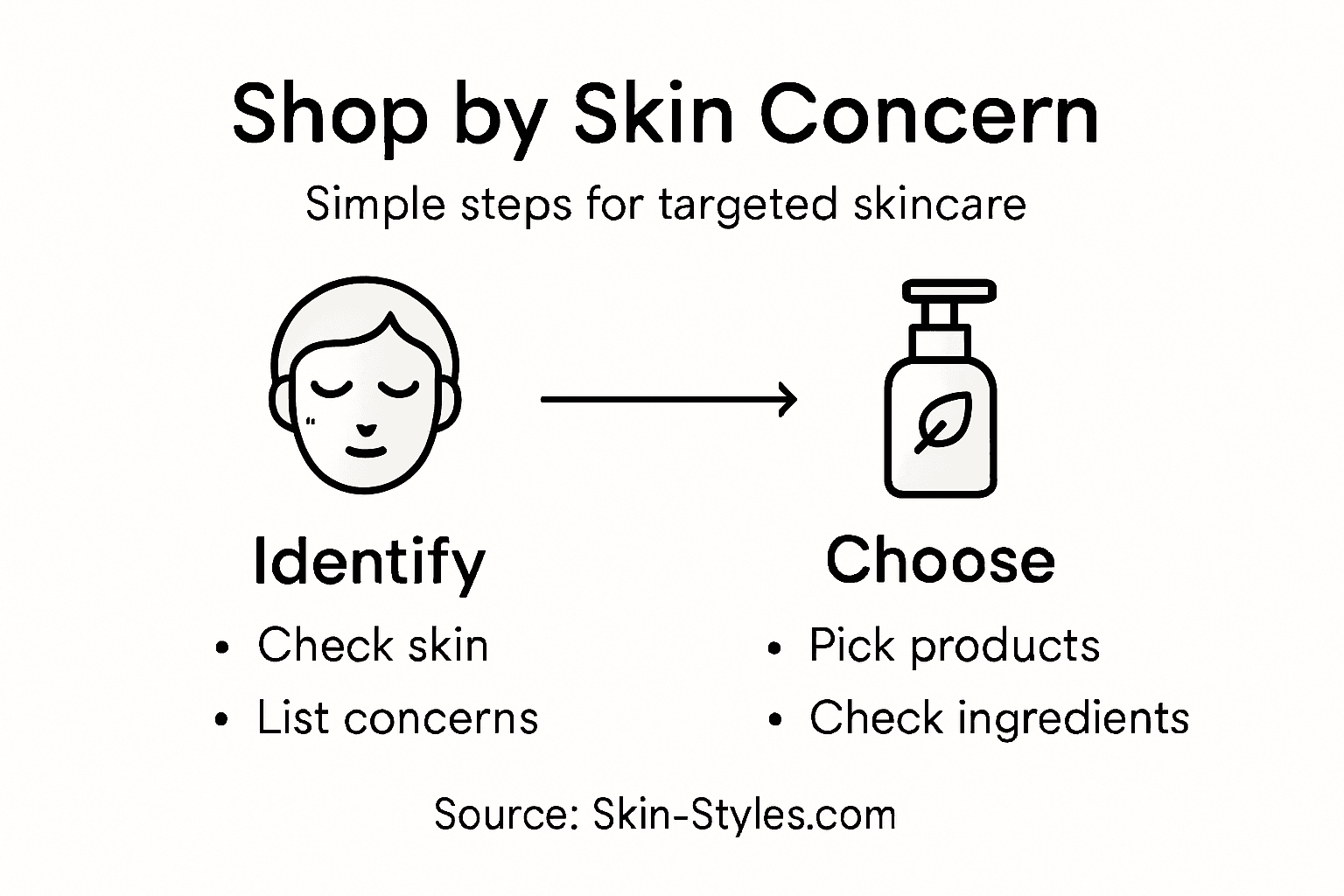
Identifying your unique skin concern is the foundational first step toward creating a targeted skincare strategy. Understanding the specific challenges your skin faces will help you select the most effective products and treatments for optimal results.
To successfully identify your skin concern, start by conducting a thorough visual and tactile assessment of your skin. Look for specific symptoms and patterns that might indicate underlying conditions. Skin health indicators include persistent redness, unusual texture changes, breakouts, sensitivity, or pigmentation variations. Common skin conditions range from acne and eczema to more complex issues like rosacea and psoriasis.
Here are key steps to assess your skin accurately:
- Examine your skin in natural, bright light
- Check for these specific symptoms:
- Persistent dry or flaky patches
- Unexplained redness or inflammation
- Recurring acne or breakouts
- Uneven skin tone or pigmentation
- Areas of heightened sensitivity
If you notice any unusual or concerning symptoms, consider consulting a dermatologist for a professional assessment. Skin screening techniques can help identify potential issues early and provide comprehensive insights into your skin’s health.
Pro tip: Take clear, well-lit photos of your skin in natural daylight to track changes and help professionals better understand your specific concerns.
Here is a summary of common skin concerns and the typical indicators to look for:
| Skin Concern | Visible Signs | Potential Triggers |
|---|---|---|
| Acne | Pimples, blackheads, inflammation | Hormones, stress, diet |
| Sensitivity | Redness, stinging, irritation | Fragrances, harsh products |
| Dryness | Flakiness, tightness, dullness | Weather, dehydration, overwashing |
| Hyperpigmentation | Dark spots, uneven tone | Sun damage, post-acne marks |
| Oiliness | Shine, enlarged pores, frequent acne | Genetics, hormones |
Step 2: Explore relevant product categories
Now that you’ve identified your specific skin concern, it’s time to dive into the world of targeted skincare products. Exploring the right product categories will help you build a comprehensive skincare routine that addresses your unique needs effectively.
Skincare product categories play a crucial role in addressing different skin challenges. Understanding these categories allows you to select precise solutions that match your skin’s requirements.
Here are the key skincare product categories to investigate:
- Cleansers: Remove dirt, oil, and impurities
- Serums: Deliver concentrated active ingredients
- Moisturizers: Hydrate and protect skin barrier
- Exfoliants: Remove dead skin cells and promote renewal
- Sunscreens: Protect against UV damage
- Treatment masks: Provide intensive care for specific concerns
Selecting products within these categories that specifically target your identified skin concerns is essential for achieving optimal skincare results.
When exploring these categories, pay attention to ingredient lists and targeted benefits. Some products are formulated for specific issues like acne control, hydration, anti-aging, or sensitivity management.
Pro tip: Consider requesting product samples or purchasing travel-sized versions to test compatibility before committing to full-sized products.
Compare key product categories by their main function and typical usage:
| Product Category | Main Function | Typical Use |
|---|---|---|
| Cleanser | Removes dirt and oil | Morning and night |
| Serum | Delivers active ingredients | After cleansing |
| Moisturizer | Hydrates and protects skin | Daily |
| Exfoliant | Removes dead skin cells | 1-3 times weekly |
| Sunscreen | Shields against UV damage | Last AM step daily |
| Treatment Mask | Provides intensive care | Weekly or as needed |
Step 3: Filter options based on concern and ingredients
Now that you understand the different product categories, it’s time to refine your search by filtering options that precisely match your skin’s unique needs. Targeted filtering helps you navigate the overwhelming world of skincare products with strategic precision.

Cosmetic product ingredients play a critical role in determining effectiveness and safety. Understanding how to filter products based on your specific skin concerns and ingredient preferences can significantly improve your skincare selection process.
Here are key strategies for effective filtering:
-
Ingredient Awareness
- Identify your skin’s specific sensitivities
- Look for ingredients that address your concerns
- Avoid potential irritants or allergens
-
Filtering Techniques
- Use online product filters
- Check ingredient lists thoroughly
- Compare active ingredient concentrations
Smart filtering isn’t just about finding products - it’s about discovering the right solutions for your unique skin.
Pay special attention to key active ingredients that target your specific skin concerns. For instance, look for salicylic acid for acne, hyaluronic acid for hydration, or niacinamide for uneven skin tone.
Pro tip: Create a digital or physical “ingredient profile” listing ingredients that work well for your skin and those to avoid, making future filtering much easier.
Step 4: Compare product benefits and reviews
With your targeted ingredient list in hand, it’s time to dive deeper by comparing product benefits and reading real-world reviews. This critical step transforms your skincare shopping from guesswork to a strategic decision-making process.
Anti-aging skincare evaluations reveal the importance of understanding product performance beyond marketing claims. By examining detailed reviews and clinical insights, you can make more informed choices about which products will genuinely address your skin concerns.
Key strategies for effective product comparison:
-
Review Analysis
- Check multiple review sources
- Look for verified buyer experiences
- Compare long-term and short-term results
-
Benefit Comparison
- Assess specific skin concern solutions
- Examine ingredient concentration
- Evaluate cost-effectiveness
Not all reviews are created equal - focus on detailed, substantive feedback that provides genuine insights into product performance.
Pay special attention to professional recommendations and clinical evidence. Dermatologist-recommended ingredients like retinoids, vitamin C, and niacinamide can provide scientifically backed solutions for various skin issues.
Pro tip: Create a comparison spreadsheet to track product details, prices, ingredients, and review highlights, making your final selection more systematic and objective.
Step 5: Verify compatibility with your skin type
With your potential products selected, the crucial next step is ensuring they work harmoniously with your unique skin type. Compatibility testing prevents potential irritation and maximizes your skincare investment.
Skincare product testing is essential for preventing adverse reactions and understanding how your skin responds to new products. Dermatologists recommend a systematic approach to verifying product suitability.
Key compatibility verification strategies:
-
Skin Type Classification
- Identify your skin type (normal, dry, oily, combination, sensitive)
- Understand individual skin sensitivities
- Note reactive ingredients
-
Patch Testing Process
- Select a small, discreet skin area
- Apply minimal product amount
- Monitor for 24-48 hours
- Watch for redness, itching, or breakouts
Successful skincare is about understanding your skin’s unique language and responding accordingly.
Pay close attention to ingredient interactions and potential sensitivities. Dermatologist-recommended ingredients can provide guidance on selecting the most suitable formulations for your specific skin type.
Pro tip: Photograph your skin before and after testing to create a visual record of product effects, helping you track subtle changes and reactions.
Step 6: Finalize your purchase for effective skincare
You’ve carefully assessed your skin, researched products, and verified compatibility - now it’s time to make your final skincare selections with confidence and strategy. The goal is to invest in products that will genuinely support your skin’s health and address your specific concerns.
Skincare product budgeting involves selecting essential, targeted products that deliver maximum benefits without overwhelming your routine. Focus on quality over quantity and prioritize core products that address your primary skin needs.
Key considerations for finalizing your purchase:
-
Essential Product Lineup
- Cleanser
- Moisturizer
- Sunscreen
- Treatment serum
- Targeted spot treatment
-
Purchase Strategy
- Compare prices across platforms
- Check return policies
- Look for sample or travel sizes
- Consider bundled sets
Smart skincare purchasing is about strategic selection, not impulse buying.
Proper skincare product order matters as much as the products themselves. Ensure your selected items can be integrated smoothly into a cohesive routine that supports your skin’s specific needs.
Pro tip: Start with smaller product sizes or sample sets to test effectiveness before committing to full-sized purchases, reducing potential waste and financial risk.
Achieve Targeted Skincare Success with Tailored Solutions
If you have struggled with pinpointing your unique skin concerns and navigating endless product choices, you are not alone. Many face the challenge of filtering through ingredients and categories without knowing what truly works for their skin type or issues like dryness, acne, or sensitivity. The path to clear, healthy skin starts with understanding your needs and selecting products designed to address them directly.
At Skin-Styles.com, we simplify this journey by offering expertly curated collections such as Facial Creams & Gels – Skin Styles and the popular Purito – Skin Styles. Each category features targeted formulations that prioritize your skin’s active needs while avoiding common irritants. Take control of your regimen with products backed by trusted ingredients for hydration, repair, and protection.

Discover your ideal skin care match today at Skin-Styles.com. Explore our user-friendly filtering options to quickly find your perfect cleanser, serum, or moisturizer. Don’t wait to transform your skin care routine into an effective regimen tailored just for you. Start shopping now for precise solutions that bring your skincare goals within reach.
Frequently Asked Questions
How do I identify my specific skin concern?
Identifying your specific skin concern involves examining your skin’s appearance and texture. Look for persistent symptoms such as redness, dryness, or breakouts, and document what you notice to help narrow down your concerns.
What product categories should I explore for my skin concern?
After identifying your skin concern, explore key product categories such as cleansers, moisturizers, and serums. Focus on selecting products that directly address your unique needs, like an exfoliant for uneven texture or a sunscreen for pigmentation protection.
How can I filter skincare products based on my concerns and ingredients?
To filter skincare products effectively, check ingredients that specifically target your skin issues while avoiding known irritants. Utilize online product filters and read ingredient lists carefully to make informed choices that suit your skin’s requirements.
What should I compare when evaluating product benefits and reviews?
When evaluating product benefits, compare the effectiveness of active ingredients and their concentrations. Read detailed reviews from verified users to understand their experiences and look for insights into both short-term and long-term results.
How can I test a product’s compatibility with my skin type?
To test a product’s compatibility, conduct a patch test on a small area of your skin, applying a small amount and observing for any reactions over 24-48 hours. This will help you gauge how your skin responds and prevent potential irritation.
What should I consider when finalizing my skincare purchases?
When finalizing your skincare purchases, focus on essential products that directly address your specific skin concerns, such as a cleanser and a treatment serum. Compare prices and review return policies, and consider starting with sample sizes to reduce the risk of financial commitment.